We've all been there: you've just washed your bedding, and now you're faced with a mountain of creased cotton that demands attention before it can grace your mattress. But what if your sheets could emerge from the dryer looking crisp and ready to use? The best non iron bedding takes the hassle out of laundry day, giving you back precious time whilst keeping your bedroom looking polished. Whether you're a busy professional, a parent juggling endless tasks, or simply someone who'd rather spend Sunday mornings doing literally anything else, wrinkle-resistant bedding might just be your new best friend.
What makes bedding wrinkle-free?
Understanding how non-iron bedding works helps you make smarter choices when shopping. Not all "easy care" labels are created equal, and knowing the science behind the smoothness can save you from disappointment.
The chemistry of crease resistance
Most wrinkle-resistant bedding relies on chemical finishing treatments applied during manufacturing. These treatments create cross-links between cotton fibers that help them spring back to their original shape after washing. According to research on wrinkle-free finishing from The Hong Kong Polytechnic University, traditional resin treatments have been the industry standard for decades.
Key finishing methods include:
- Formaldehyde-based resin treatments (older technology)
- Low-formaldehyde or formaldehyde-free alternatives (modern standards)
- Polyester blending for natural wrinkle resistance
- Mechanical pre-shrinking and heat-setting processes
However, there's been growing concern about chemical treatments. A PubMed Central review article highlights the textile industry's shift toward safer anti-wrinkle finishing agents. Modern manufacturers increasingly use eco-friendly alternatives that deliver the same smooth results without harsh chemicals.
The AATCC's testing standards provide industry-recognized methods for measuring wrinkle recovery, helping manufacturers make legitimate claims about their products' performance.
Fabric composition matters
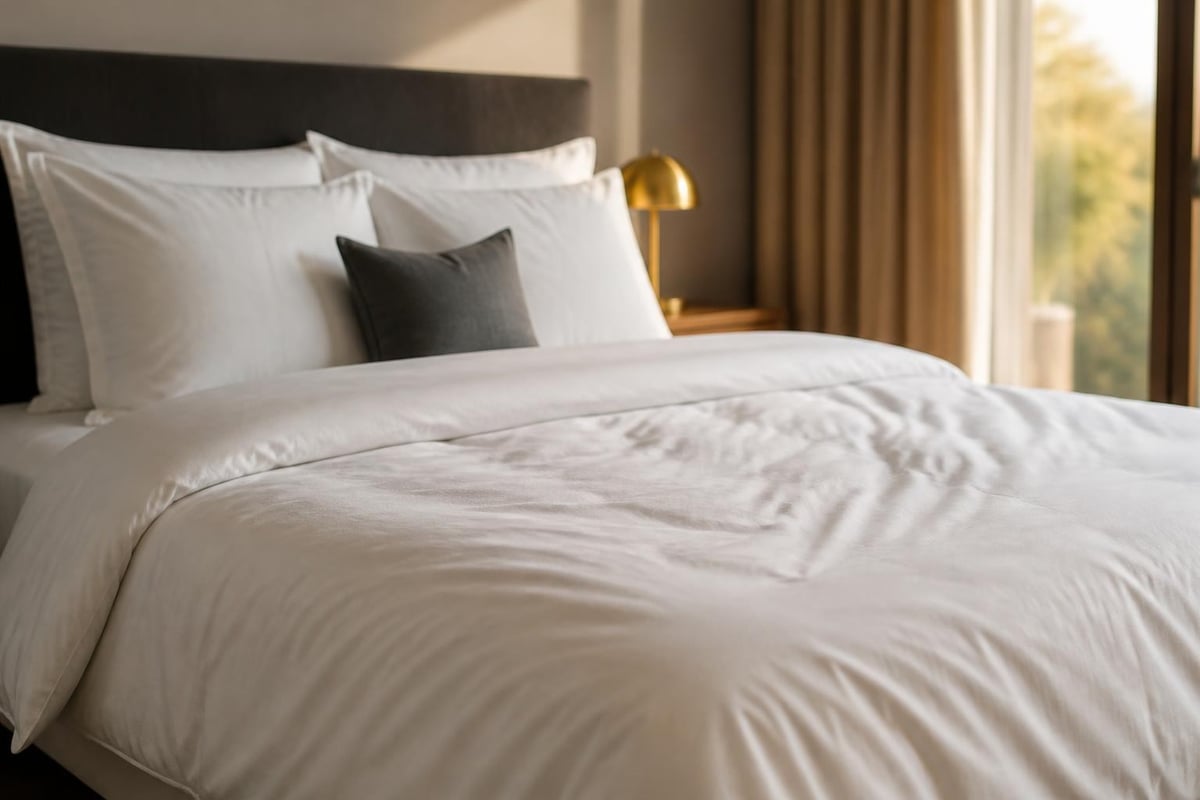
Not all fabrics wrinkle equally, which is why composition plays a huge role in the best non iron bedding. Pure cotton, whilst breathable and luxurious, tends to crease quite readily. Polyester, on the other hand, naturally resists wrinkling but can feel less breathable.
| Fabric type | Wrinkle resistance | Breathability | Softness | Best for |
|---|---|---|---|---|
| 100% cotton | Low | Excellent | Excellent | Traditional feel, willing to iron |
| Cotton/polyester blend | High | Good | Good | Easy care, budget-friendly |
| Microfiber polyester | Very high | Moderate | Soft | Ultra low-maintenance |
| Bamboo rayon | Moderate | Excellent | Very soft | Eco-conscious, moderate care |
| Tencel/lyocell | Moderate-high | Excellent | Excellent | Premium eco-friendly option |
The Sleep Foundation's guide to bed sheet materials explores how weave and fiber affect wrinkling, noting that percale weaves tend to wrinkle more than sateen weaves, even in the same fiber content.
Finding the best non iron bedding for your needs
Choosing wrinkle-resistant sheets isn't just about grabbing the first "easy care" label you see. Your personal preferences, budget, and lifestyle all play important roles in finding the perfect match.
Budget-friendly options that perform
You don't need to spend a fortune to enjoy wrinkle-free mornings. Polyester-cotton blends, typically ranging from 50/50 to 65/35 cotton-to-polyester ratios, offer excellent value. These blends combine cotton's natural comfort with polyester's wrinkle resistance, creating sheets that look fresh with minimal effort.
What to look for in affordable non-iron bedding:
- At least 30% polyester content for meaningful wrinkle resistance
- Thread counts between 180-400 (higher isn't always better with blends)
- Clear care instructions that confirm tumble-dry-safe status
- Reinforced hems that maintain their shape over time
At Happy Home Shop, you'll find an extensive selection of easy-care duvet sets that deliver crisp style without the premium price tag. Many of their collections feature clever fabric blends designed specifically for busy households.
Premium wrinkle-resistant choices
If you're willing to invest a bit more, premium options offer enhanced comfort alongside their wrinkle resistance. Tencel and other lyocell-based fabrics provide exceptional smoothness and drape whilst naturally resisting creases. These sustainable fibers also offer excellent temperature regulation and moisture wicking.
High-quality microfiber has come a long way since its early days. Modern microfiber bedding can feel remarkably soft and luxurious whilst offering near-perfect wrinkle resistance. Look for tightly woven microfiber with a denier count below 1.0 for the softest feel.
Certifications and safety considerations
Given the chemical treatments involved in some wrinkle-resistant finishes, safety certifications matter. The OEKO-TEX ECO PASSPORT findings discuss concerns about certain chemical finishes and offer guidance on safer alternatives.
Important certifications to look for:
- OEKO-TEX Standard 100 (limited harmful substances)
- GOTS (Global Organic Textile Standard) for organic options
- bluesign® approved fabrics
- EU Ecolabel for textiles
The European Commission's technical report on textile ecolabel criteria outlines strict limits for formaldehyde in textiles, providing reassurance that certified products meet stringent safety standards.
Caring for your wrinkle-resistant bedding
Even the best non iron bedding benefits from proper care. A few simple habits can maximize wrinkle resistance and extend the life of your sheets significantly.
Washing wisdom
Start with the right washing techniques. Cold or warm water works best for most wrinkle-resistant fabrics, preserving both the finish and the fibers. Avoid overloading your washing machine, as cramped sheets can't move freely and will emerge more creased.
According to guidance on proper bedding care, using the correct detergent amount and water temperature prevents buildup that can affect fabric performance. Too much detergent leaves residue that actually stiffens fibers and increases wrinkling.
The American Cleaning Institute's comprehensive guide offers practical advice on fabric softeners and wrinkle-release products. Interestingly, liquid fabric softener can sometimes reduce the effectiveness of wrinkle-resistant finishes, whilst dryer sheets or wrinkle-release sprays work better for treated fabrics.
Drying for best results
Your drying method makes or breaks wrinkle resistance. Remove bedding promptly from the washer and shake each piece vigorously before placing it in the dryer. This simple step prevents creases from setting during the tumble cycle.
Optimal drying practices:
- Use medium heat (high heat can damage wrinkle-resistant finishes)
- Don't overfill the dryer (sheets need room to tumble freely)
- Add dryer balls to improve air circulation
- Remove bedding whilst slightly damp
- Immediately fold or place on the bed
If you're wondering whether you really need to iron your bed sheets, the answer with quality non-iron bedding is genuinely no. That's the whole point!
Storage strategies
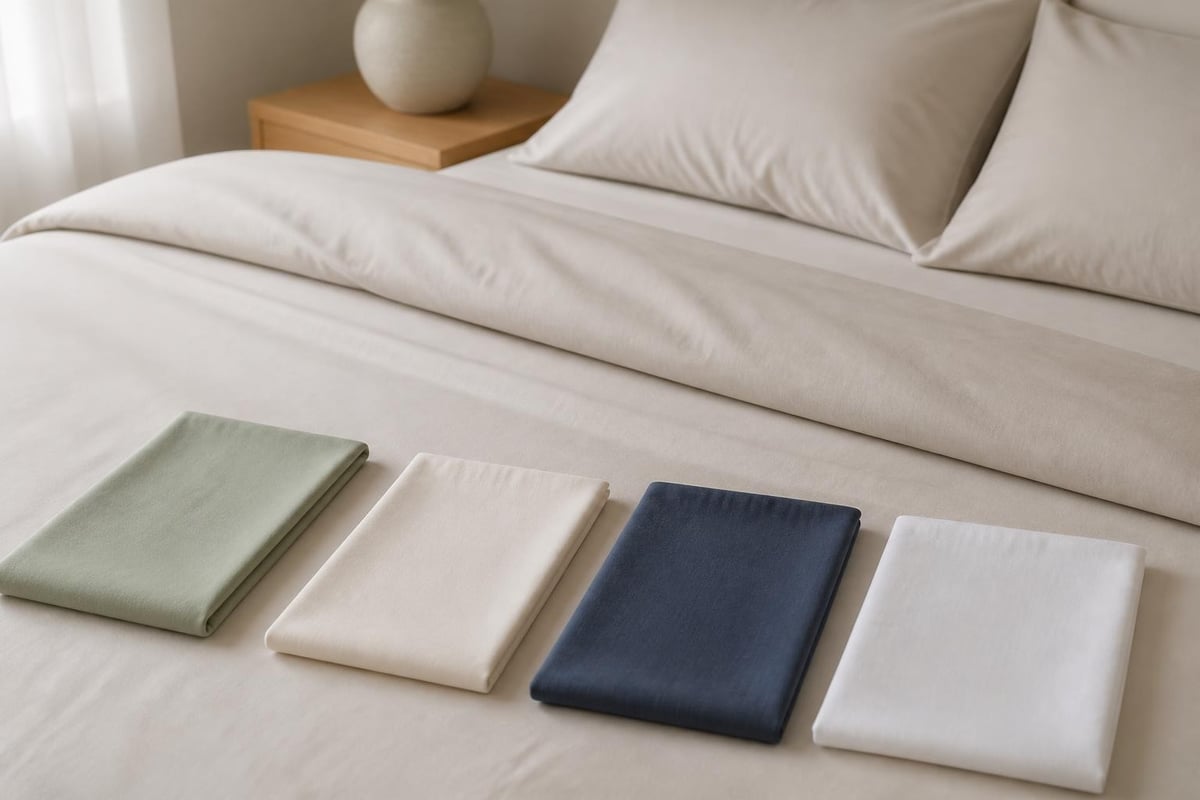
Proper storage maintains the crisp appearance between uses. Fold sheets neatly as soon as they're dry, smoothing as you fold to prevent creases from setting. Store bedding in a cool, dry place with adequate air circulation.
For tips on washing and storing your bedding for maximum longevity, consider keeping sets together in a dedicated linen cupboard. Avoid plastic storage bags, which can trap moisture and create mustiness.
Comparing popular non-iron bedding types
With so many options available, a side-by-side comparison helps clarify which type suits your specific situation. Consumer Reports' sheets guide provides lab-based testing methodology for performance metrics including wrinkling, shrinkage, and durability.
Performance breakdown by fabric type
Different fabrics excel in different areas. Here's what you can realistically expect from each category:
| Feature | Poly-cotton blend | Microfiber | Bamboo rayon | Tencel | Treated cotton |
|---|---|---|---|---|---|
| Wrinkle resistance | Excellent | Outstanding | Good | Very good | Good |
| Initial cost | £ | £ | ££ | £££ | ££ |
| Durability | Very good | Good | Good | Excellent | Very good |
| Temperature regulation | Good | Fair | Excellent | Excellent | Very good |
| Environmental impact | Moderate | Low-moderate | Moderate | Good | Variable |
This breakdown assumes quality products within each category. Cheap versions of any fabric type will underperform.
Real-world performance considerations
Laboratory testing tells part of the story, but real-world use adds important context. Poly-cotton blends consistently rank among the best non iron bedding options for families because they withstand frequent washing whilst maintaining their wrinkle resistance over time.
Microfiber excels for guest rooms or holiday homes where bedding might sit unused for periods. It emerges from storage looking fresh with minimal fuss. However, some people find microfiber less breathable during warm weather.
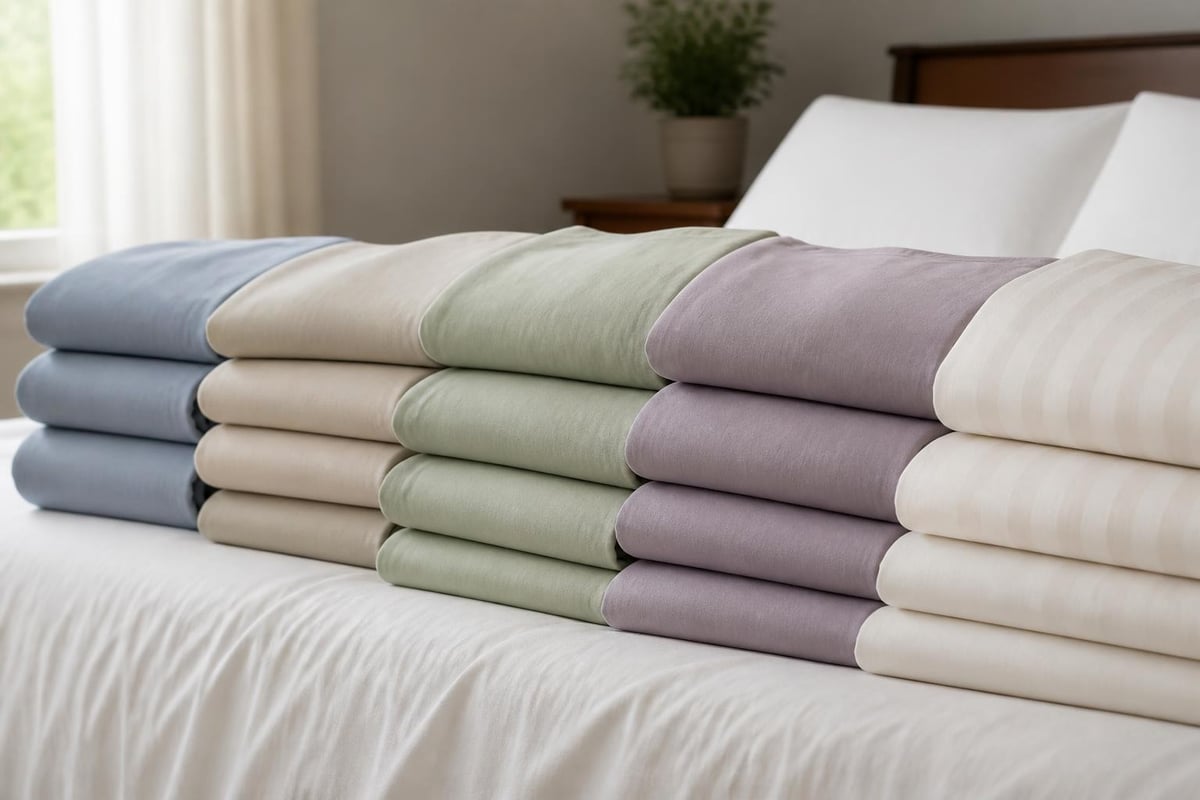
Bamboo and Tencel options appeal to eco-conscious shoppers willing to accept slightly more wrinkling in exchange for sustainability benefits. These fabrics still wrinkle less than untreated cotton whilst offering superior comfort in warm conditions.
Common myths about non-iron bedding
Let's clear up some misconceptions that might be holding you back from making the switch.
Myth: wrinkle-free means uncomfortable
Early wrinkle-resistant fabrics earned a bad reputation for feeling stiff or plasticky, but modern technology has eliminated this issue. Today's best non iron bedding can feel just as soft as traditional cotton, especially after a few washes as the fabric relaxes.
The key lies in choosing quality products from reputable manufacturers who've invested in advanced finishing techniques. Budget options still exist that feel less luxurious, but mid-range and premium choices rival traditional cotton in comfort.
Myth: you can't get truly crisp looks without ironing
This belief stems from outdated assumptions. Modern wrinkle-resistant bedding, when properly cared for, genuinely looks crisp straight from the dryer. The difference between ironed traditional cotton and well-maintained non-iron bedding is negligible to most eyes.
For those seeking absolute perfection, a quick five-minute steam whilst making the bed can elevate non-iron sheets to hotel-quality crispness. That's still miles easier than traditional ironing!
Myth: all "easy care" bedding performs equally
Marketing labels can be misleading. "Easy care," "no iron," and "wrinkle-resistant" don't guarantee identical performance. Some fabrics naturally resist wrinkling (like polyester blends), whilst others rely on chemical treatments that may diminish over time.
Reading reviews, checking fabric composition, and understanding care requirements helps identify genuinely low-maintenance options versus marketing fluff. The Happy Home Shop collections include detailed product descriptions that help you make informed choices about performance expectations.
Seasonal considerations for wrinkle-free sheets
Your bedding needs change with the seasons, and wrinkle resistance takes on different importance throughout the year.
Summer selections
During warmer months, breathability becomes crucial. Lighter-weight wrinkle-resistant fabrics like bamboo rayon or lightweight poly-cotton blends offer the best of both worlds. These materials wick moisture effectively whilst maintaining their smooth appearance despite frequent washing.
Looking for seasonal inspiration? Check out the autumn duvet cover collection for ideas on refreshing your bedroom as temperatures change.
Winter warmth
Heavier weaves and brushed finishes feel cosier in winter but can be harder to keep wrinkle-free. Microfiber flannel provides warmth without excessive wrinkling, whilst treated cotton flannelette offers traditional comfort with improved ease of care.
Winter bedding care tips:
- Wash less frequently to preserve finishes (air between uses instead)
- Use lower dryer heat to prevent damage from extended drying times
- Layer wrinkle-resistant sheets under decorative quilts or throws
- Consider complete bedding sets that coordinate effortlessly
Making the switch to non-iron bedding
Ready to simplify your life? Transitioning to wrinkle-resistant bedding is straightforward, but a few strategic decisions ensure success.
Building your collection
Start with one set to test how you feel about the fabric and performance. If you love it, gradually replace your traditional bedding as budget allows. This approach lets you experiment with different fabric types without major upfront investment.
Many shoppers find that mixing one traditional cotton set with several non-iron options provides flexibility. Keep the cotton for occasions when you're feeling ambitious about ironing, and rely on wrinkle-resistant sets for everyday use.
Matching with existing décor
The best non iron bedding comes in every colour and pattern imaginable, so style need not suffer. From crisp whites to bold prints, wrinkle-resistant options match any aesthetic. Exploring colourful versus minimal duvet covers can inspire your choices.
Modern easy-care fabrics hold dye beautifully, and many maintain colour vibrancy better than traditional cotton. For those who love keeping whites pristine, tips for keeping white bedding bright work just as well with wrinkle-resistant fabrics.
Budget planning
Quality non-iron bedding represents an investment that pays dividends in time saved. However, you needn't break the bank. Setting a budget per set helps narrow choices without sacrificing quality.
Budget framework:
- Economy tier (under £30): Poly-cotton blends, basic microfiber
- Mid-range (£30-60): Premium poly-cotton, quality microfiber, some bamboo options
- Premium (£60+): Tencel, high-end treated cotton, luxury microfiber
Regular promotions at retailers like Happy Home Shop make premium options more accessible. Watching for sales on bedding products can stretch your budget further.
Finding the best non iron bedding transforms your laundry routine from tedious chore to simple task, freeing up time for the things you actually enjoy. Whether you choose budget-friendly poly-cotton blends or invest in premium Tencel, wrinkle-resistant sheets deliver crisp, polished looks without the ironing board. Ready to reclaim your weekends? Browse the curated collections at Happy Home Shop, where affordable, high-quality bedding meets effortless style, and discover how easy beautiful bedrooms can be.