When you're searching for the perfect bedding to transform your bedroom into a cosy retreat, understanding what makes a quality home tex bed sheet can feel a bit overwhelming. With so many materials, weaves, and thread counts on offer, how do you know which sheets will give you the best night's sleep without breaking the bank? The good news is that creating a beautiful, comfortable bedroom doesn't require a fortune, and with a bit of insider knowledge, you can choose sheets that feel luxurious, last for years, and suit your personal sleep style perfectly.
What exactly is a home tex bed sheet?
The term "home tex bed sheet" refers to the broader category of home textiles designed specifically for bedroom use. These sheets form the foundation of your bedding ensemble, sitting directly on your mattress and providing the surface where you'll spend roughly a third of your life!
When we talk about home textiles or "home tex" products, we're referring to functional fabrics designed for everyday household use. Unlike fashion textiles, home tex bed sheet options need to withstand frequent washing, maintain their colour and shape, and provide comfort night after night.
What sets quality sheets apart:
- Durable construction that survives weekly washing cycles
- Breathable fabrics that regulate temperature throughout the night
- Soft hand feel that improves with each wash
- Colourfast dyes that won't fade or bleed
- Safe chemical processing with minimal residual substances
The best bed linen choices combine all these qualities whilst staying within reach for budget-conscious shoppers. At Happy Home Shop, our sheets tick every box without the designer price tag.
Understanding bed sheet materials and weaves
Choosing the right fabric for your home tex bed sheet makes an enormous difference to your sleep quality. Different materials offer distinct benefits, and understanding these can help you make the perfect choice for your needs.
Cotton varieties explained
Cotton remains the most popular choice for bed sheets, and for good reason. According to Good Housekeeping's comprehensive bed sheets shopping guide, cotton offers excellent breathability, durability, and a soft feel that improves with age.
Not all cotton is created equal, though. Egyptian and Pima cotton feature longer fibres (called staples) that create smoother, more durable sheets. Standard cotton works beautifully too, especially when woven properly, and costs considerably less.
| Cotton Type | Fibre Length | Feel | Price Point |
|---|---|---|---|
| Egyptian | Extra long | Silky smooth | Premium |
| Pima | Long | Very soft | Mid-high |
| Supima | Long (American) | Luxuriously soft | High |
| Standard | Medium | Comfortable | Budget-friendly |
Weave patterns that matter
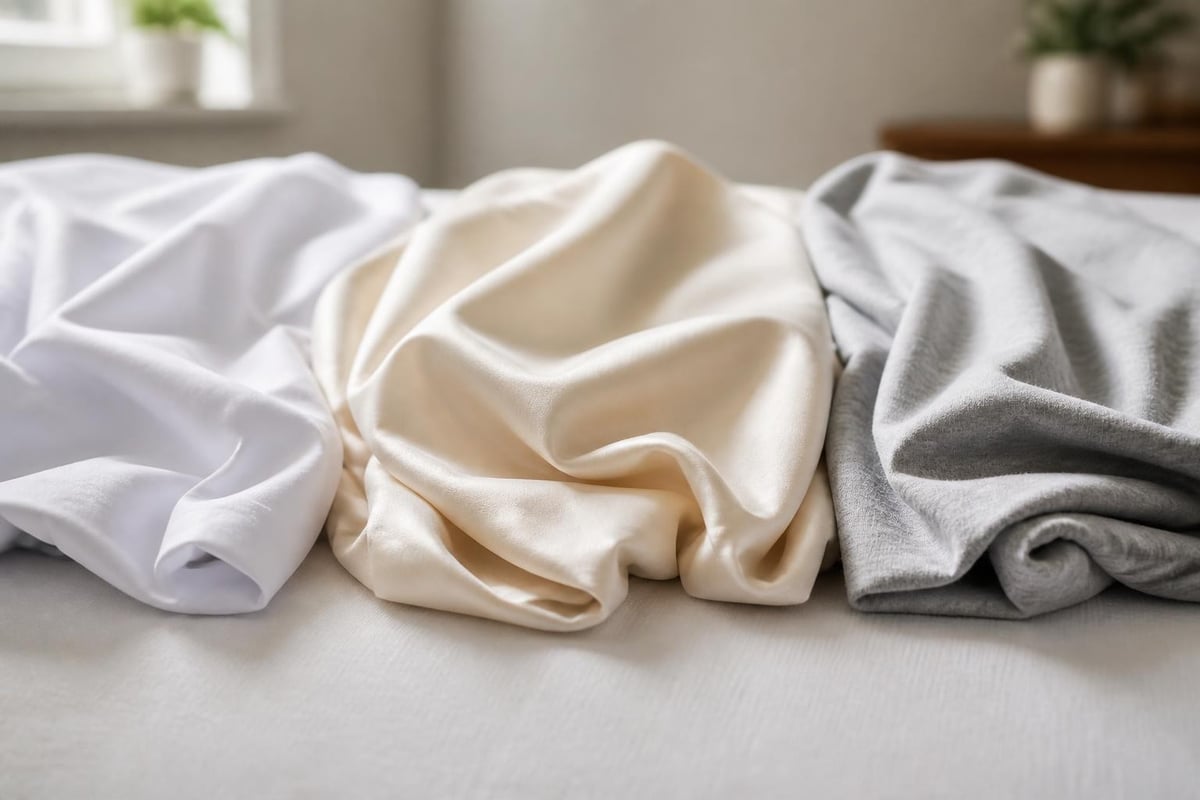
The way cotton is woven affects how your sheets feel and perform. Percale weave creates a crisp, cool, matte finish, perfect for hot sleepers. Sateen weave produces a lustrous, buttery-smooth surface with a slight sheen, ideal if you prefer a more luxurious drape.
Jersey knit sheets feel like your favourite t-shirt, stretchy and casual. They're wonderfully cosy but can pill over time. The Guardian's recent bedding buying guide notes that weave matters more than thread count when it comes to durability and comfort.
Alternative fabrics worth considering
Linen has experienced a massive surge in popularity recently. Made from flax fibres, linen sheets feel slightly textured and crisp when new but soften beautifully with washing. Research published in Building and Environment demonstrates that linen's natural breathability helps regulate body temperature during sleep, making it excellent for year-round comfort.
Bamboo-derived fabrics (usually bamboo rayon or viscose) offer silky softness and moisture-wicking properties. According to ABC News' analysis of cooling fabrics, bamboo sheets can help hot sleepers stay comfortable on warm nights.
Microfibre sheets made from polyester cost very little and resist wrinkles, but they don't breathe as well as natural fibres. They're a practical choice for guest rooms or children's beds where easy care matters most.
The truth about thread count
For years, manufacturers have marketed thread count as the ultimate measure of sheet quality. The reality? It's far more complicated than a single number.
Thread count refers to the number of horizontal and vertical threads woven into one square inch of fabric. Conventional wisdom suggests higher numbers equal better sheets, but this isn't always true. Some manufacturers use multi-ply yarns (twisting multiple thin threads together) to artificially inflate thread counts without improving quality.
What thread count actually means:
- 200-400: Perfectly comfortable for everyday use; often the sweet spot for durability
- 400-600: Smooth and soft; excellent for most sleepers
- 600-800: Very smooth, though not necessarily stronger
- 800+: Often marketing hype; may feel heavy or less breathable
Focus instead on the quality of the fibres and the weave construction. A 300-thread-count percale sheet made from long-staple cotton will outlast and outperform a 1000-thread-count sheet made from short, weak fibres.
Safety and certification in bed sheets
When you bring a home tex bed sheet into your bedroom, you're introducing textile chemicals and finishes that sit against your skin for hours every night. This makes safety certification genuinely important, especially for anyone with sensitive skin or allergies.
The OEKO-TEX® STANDARD 100 certification tests textiles for harmful substances, including formaldehyde, pesticides, and certain dyes. Sheets carrying this label have been independently verified as safe for human contact.
Why does this matter? The EPA's assessment of formaldehyde in textiles highlights that some fabric finishing processes can leave chemical residues. Whilst levels are typically low in finished products, choosing certified sheets offers extra peace of mind.
If you've ever experienced unexplained skin irritation or reactions in bed, our guide on allergic reactions to bed sheets explores common triggers and solutions.

Choosing sheets for your sleep style
Your personal sleep preferences should guide your home tex bed sheet selection. Hot sleepers, cold sleepers, and those with specific comfort needs all benefit from different materials.
For hot sleepers
If you frequently wake up overheated, prioritize breathability and moisture management. The Sleep Charity recommends natural fibres like cotton and linen for temperature regulation.
Best choices for staying cool:
- Percale cotton (crisp and breathable)
- Linen (naturally temperature-regulating)
- Lightweight sateen under 400 thread count
- Bamboo viscose (moisture-wicking)
For cold sleepers
Love snuggling into warm, cosy bedding? Choose fabrics with a bit more weight and warmth retention.
Flannel sheets made from brushed cotton trap body heat beautifully. Jersey knit sheets feel soft and slightly insulating. Higher-weight sateen cotton (around 400-600 thread count) provides warmth without excessive bulk.
Pair your sheets with the right duvet for your needs. Our complete bedding guide helps you coordinate every layer.
For sensitive skin
Natural fibres generally cause fewer reactions than synthetic materials. Look for sheets made from 100% cotton, especially organic cotton that's grown without harsh pesticides.
Consumer Reports' sleep guide emphasizes that gentle, natural fabrics contribute to better sleep quality, particularly for those prone to irritation.
Practical sizing and fitting considerations
Even the loveliest home tex bed sheet becomes frustrating if it doesn't fit your mattress properly. UK bed sizes follow standard dimensions, but mattress depths vary considerably.
| Bed Size | Mattress Dimensions | Fitted Sheet Size Needed |
|---|---|---|
| Single | 90 × 190 cm | Single (90-100 cm wide) |
| Double | 135 × 190 cm | Double (135-145 cm wide) |
| King | 150 × 200 cm | King (150-160 cm wide) |
| Super King | 180 × 200 cm | Super King (180-190 cm wide) |
Modern mattresses, especially those with pillow-tops or memory foam, can measure 30-40 cm deep. Standard fitted sheets accommodate mattresses up to about 30 cm, whilst deep-pocket or extra-deep versions stretch to 40 cm or more.
Measure your mattress depth before shopping. Nothing's more annoying than fitted sheets that pop off the corners every night! Our duvet cover sizing guide applies the same careful approach to ensuring perfect fit.
Caring for your sheets properly
Proper care extends the life of your home tex bed sheet investment and keeps them feeling fresh and comfortable. Different fabrics require slightly different approaches.
Washing frequency and method
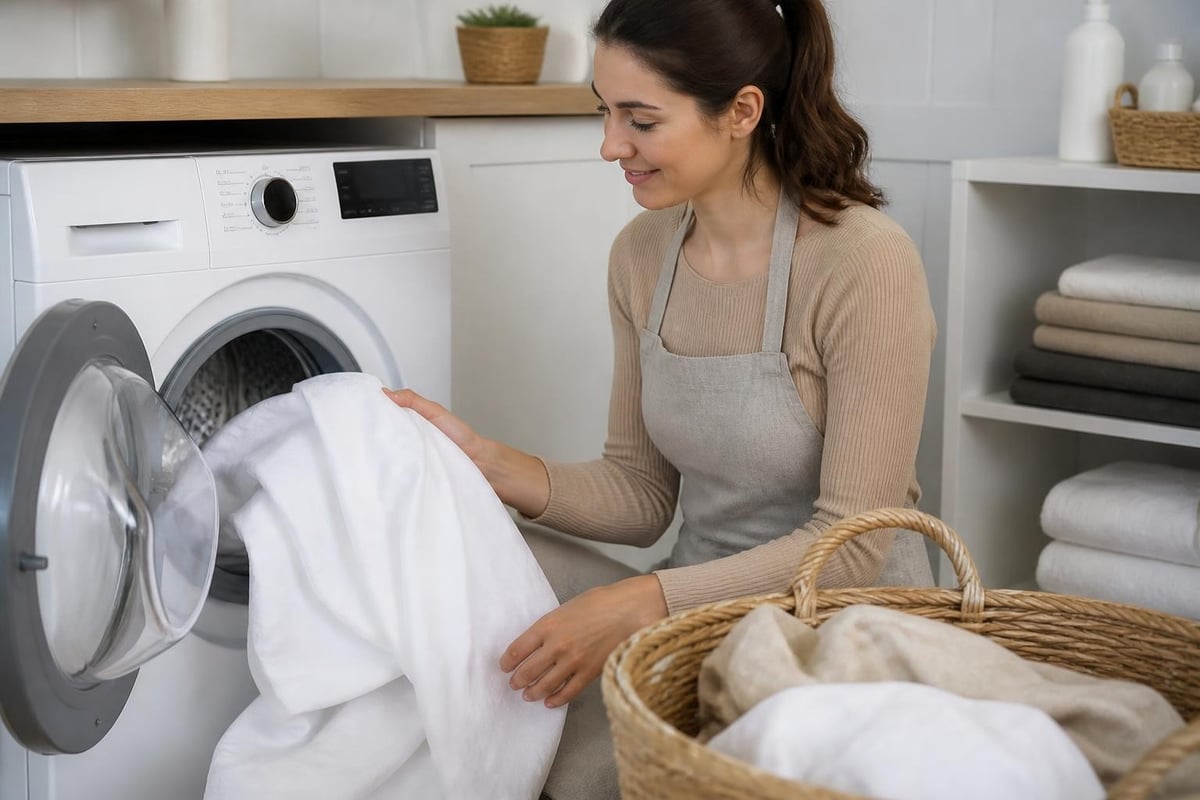
How often should you change your bed sheets? Most sleep experts recommend weekly washing to remove dead skin cells, body oils, and dust mites.
Cotton and cotton-blend sheets tolerate machine washing at 40-60°C. Hot water kills dust mites and bacteria more effectively, but can fade colours faster. For deeper cleaning advice, see our bedding care guide.
Washing tips by fabric:
- Cotton percale: Wash warm, tumble dry medium; gets softer with age
- Cotton sateen: Wash cool to warm, gentle cycle; avoid over-drying to prevent shine loss
- Linen: Wash warm, air dry or low tumble; embrace the natural rumpled texture
- Bamboo: Wash cool, gentle cycle; air dry or low heat only
- Microfibre: Wash warm, avoid fabric softener which reduces absorbency
Storage and longevity
Store clean sheets in a cool, dry place away from direct sunlight. Folding them inside a matching pillowcase keeps sets together and prevents dust accumulation.
If you're wondering about keeping whites bright, our guide on how to keep white bedding bright shares proven techniques.
Rotate between two or three sets of sheets. This reduces wear and gives you clean bedding whilst the other set is in the wash. Quality sheets should last 2-3 years with proper care, though many last considerably longer.
Colour and pattern selection for your bedroom
Your home tex bed sheet choice dramatically impacts your bedroom's atmosphere. Colour psychology suggests that soft, cool tones like blues and greens promote relaxation, whilst warm neutrals create cosy comfort.
Trending colours for 2026
This year's popular bedroom palettes embrace nature-inspired hues and soothing neutrals:
- Warm terracotta and clay tones
- Soft sage and eucalyptus greens
- Dusty blues and greys
- Timeless whites and creams
- Rich, moody charcoal and navy
Our collection of colourful versus minimal duvet covers explores how to choose between bold statements and serene simplicity.
Patterns that work
Stripes create visual interest without overwhelming small bedrooms. Florals bring a cottage-garden charm, especially in lighter colourways. Geometric patterns suit modern interiors beautifully. For something special, explore our floral duvet cover sets that coordinate effortlessly.
Remember that patterned sheets can hide minor stains better than solids, making them practical for everyday use. Solid colours create a hotel-like serenity and allow decorative cushions to shine.
Budget-friendly shopping strategies
Creating a beautiful bedroom on a budget is absolutely achievable when you shop smart. Quality home tex bed sheet options exist at every price point.
Money-saving tips:
- Buy sheet sets rather than separates (usually better value)
- Shop end-of-season sales for deep discounts
- Choose classic colours that won't date quickly
- Invest in fitted sheets and economize on flat sheets if needed
- Consider mix-and-match coordinates from the same range
At Happy Home Shop, we believe everyone deserves comfortable, attractive bedding. Our regular discounts and accessible pricing make quality sheets affordable for all budgets.
Stock up when you find sheets you love at a good price. Having multiple sets on rotation makes laundry day easier and protects your investment by reducing wear on any single set.
Seasonal considerations
Your ideal home tex bed sheet might change with the seasons. Many savvy homemakers keep lighter sheets for summer and cosier options for winter.
Summer sheets should prioritize cooling and moisture management. Percale cotton, linen, and lightweight sateen all work brilliantly. Light colours reflect rather than absorb heat, keeping you cooler on warm nights.
Winter calls for warmth and snugness. Flannel sheets brushed on both sides create wonderful insulation. Jersey knit offers stretch and warmth. Higher-weight sateen provides a luxurious cocoon.
Transitional seasons work well with mid-weight cotton in versatile neutral tones. Having season-appropriate sheets means you're comfortable year-round without constantly adjusting your duvet weight.
For inspiration on creating a snuggly winter bedroom, browse our cosy sanctuary guide.
Common sheet-buying mistakes to avoid
Learning from others' missteps saves you money and frustration. Here are the most common errors when purchasing a home tex bed sheet:
Mistake one: Assuming higher thread count automatically means better quality. As we've discussed, construction and fibre quality matter more.
Mistake two: Buying fitted sheets without checking your mattress depth. Measure first, then shop.
Mistake three: Choosing fashion over function. Beautiful sheets that make you too hot or cold won't get used.
Mistake four: Skipping care label instructions. Following manufacturer guidance protects your investment.
Mistake five: Buying only one set. You need at least two sets to rotate while washing.
Mistake six: Ignoring fabric certification if you have allergies or sensitive skin. Safety matters, especially for products you sleep in nightly.
Take your time, do your research, and choose sheets that suit your specific needs rather than following trends blindly.
Creating a coordinated bedroom look
Your home tex bed sheet forms part of a larger bedding ensemble. Coordinating all the elements creates a pulled-together, magazine-worthy aesthetic.
Start with your sheets as the foundation, then layer on:
- Duvet cover in a complementary colour or pattern
- Decorative cushions for visual interest
- A throw at the foot of the bed for texture
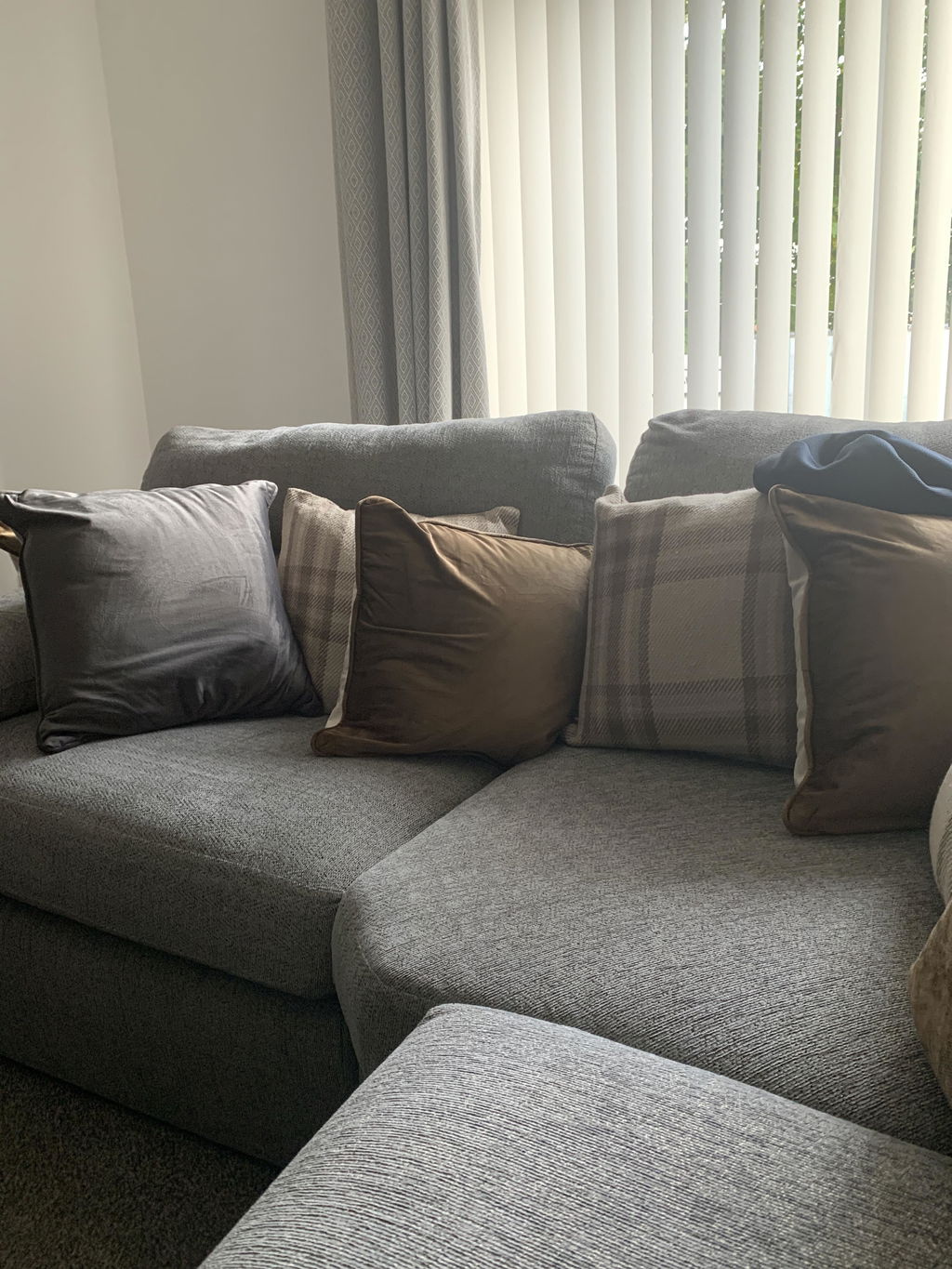
- Coordinating curtains to tie the room together
Our bedding products collection makes coordination simple, with carefully curated colour palettes and complementary designs.
Don't feel obligated to match everything perfectly. Mixing textures and tones in the same colour family creates depth and sophistication. A crisp white sheet pairs beautifully with a sage green duvet and terracotta cushions, for example.
The key is choosing a cohesive palette and sticking to it. Three main colours work well: one dominant shade, one secondary tone, and one accent colour in smaller doses.
Choosing the right home tex bed sheet transforms your sleep quality and bedroom atmosphere without requiring a massive budget. By understanding fabrics, weaves, and your personal sleep style, you can select sheets that feel luxurious, last for years, and create the cosy sanctuary you deserve. At Happy Home Shop, we've curated an extensive selection of high-quality, affordable bedding in beautiful colours and designs, making it easy to find the perfect sheets for your needs. With convenient delivery and regular discounts, creating your dream bedroom has never been more accessible.