There's something wonderfully luxurious about slipping into crisp linen sheets after a long day. If you've been eyeing the best linen bed linen for your bedroom, you're onto something brilliant. Linen bedding has made a massive comeback in recent years, and it's not just because it photographs beautifully on Instagram. This natural fabric offers genuine benefits that can transform your sleep experience whilst adding that effortlessly chic aesthetic to your bedroom. Whether you're a hot sleeper, someone who values sustainability, or simply looking to invest in quality bedding that'll last for years, linen might just be your new best friend.
What makes linen bed linen so special?
Linen has been treasured for thousands of years, and for good reason. Made from the flax plant, this natural fabric boasts qualities that synthetic materials simply can't replicate. The best linen bed linen stands out because it actually gets softer and more comfortable with every wash, unlike cotton which can sometimes become threadbare over time.
One of linen's superpowers is its breathability. According to Sleep Foundation's expert testing of linen sheets, this fabric excels at temperature regulation, keeping you cool during sweltering summer nights and surprisingly cosy when temperatures drop. The secret lies in linen's natural ability to wick moisture away from your skin whilst allowing air to circulate freely.
Why choose linen over other fabrics?
Let's break down what sets linen apart from the crowd:
- Exceptional durability that outlasts most other natural fibres
- Natural antibacterial properties that keep your bedding fresher for longer
- Low environmental impact as flax requires minimal water and pesticides to grow
- Hypoallergenic qualities perfect for sensitive skin
- Gets softer with age rather than wearing thin
When comparing linen to cotton sheets, linen holds several distinct advantages in terms of longevity and temperature control. Whilst cotton certainly has its place in bedding, linen's unique texture and superior breathability make it particularly appealing for those seeking the best linen bed linen experience.
Understanding linen quality and thread count
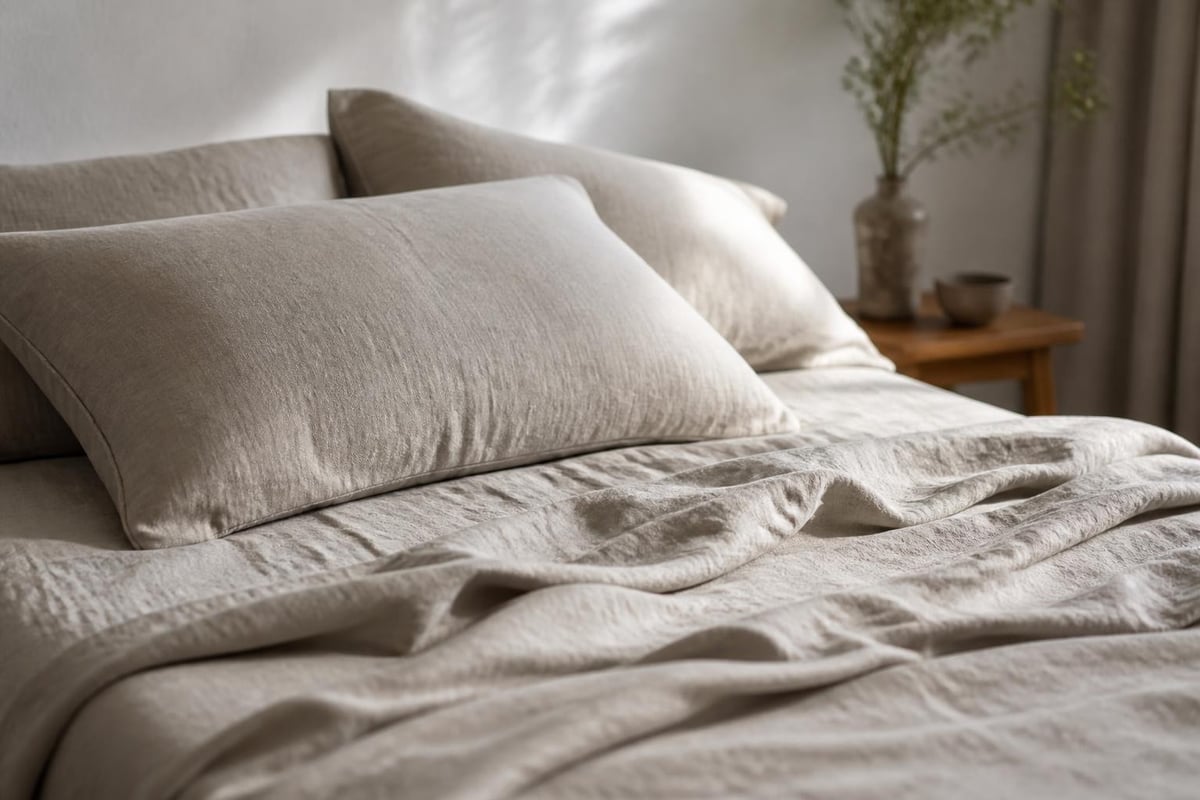
Here's where things get interesting. Unlike cotton sheets where thread count is king, linen follows completely different rules. In fact, obsessing over thread count when shopping for the best linen bed linen is a bit of a red herring.
Linen fibres are naturally thicker than cotton, which means a lower thread count is actually normal and desirable. Quality linen typically ranges from 80 to 150 threads per square inch. What you should focus on instead is the weight and feel of the fabric.
Key quality indicators to look for
| Quality Factor | What to Look For | Why It Matters |
|---|---|---|
| Fabric weight | 180-240 GSM (grams per square meter) | Heavier weight indicates better quality and durability |
| Weave | Even, consistent pattern | Shows careful manufacturing and reduces pilling |
| Colour | Slightly irregular, natural tones | Pure linen has subtle variations; overly uniform colour may indicate blending |
| Certification | Oeko-Tex or European Flax | Ensures quality standards and ethical production |
The texture of high-quality linen should feel slightly crisp and textured when new, but never scratchy. The Company Store highlights that this initial crispness is actually a sign of quality, as it indicates the fibres are strong and pure.
How to care for your linen bedding
One of the brilliant things about the best linen bed linen is that it's surprisingly low-maintenance. In fact, linen actually thrives on a more relaxed approach to care, which fits perfectly with a budget-friendly lifestyle.
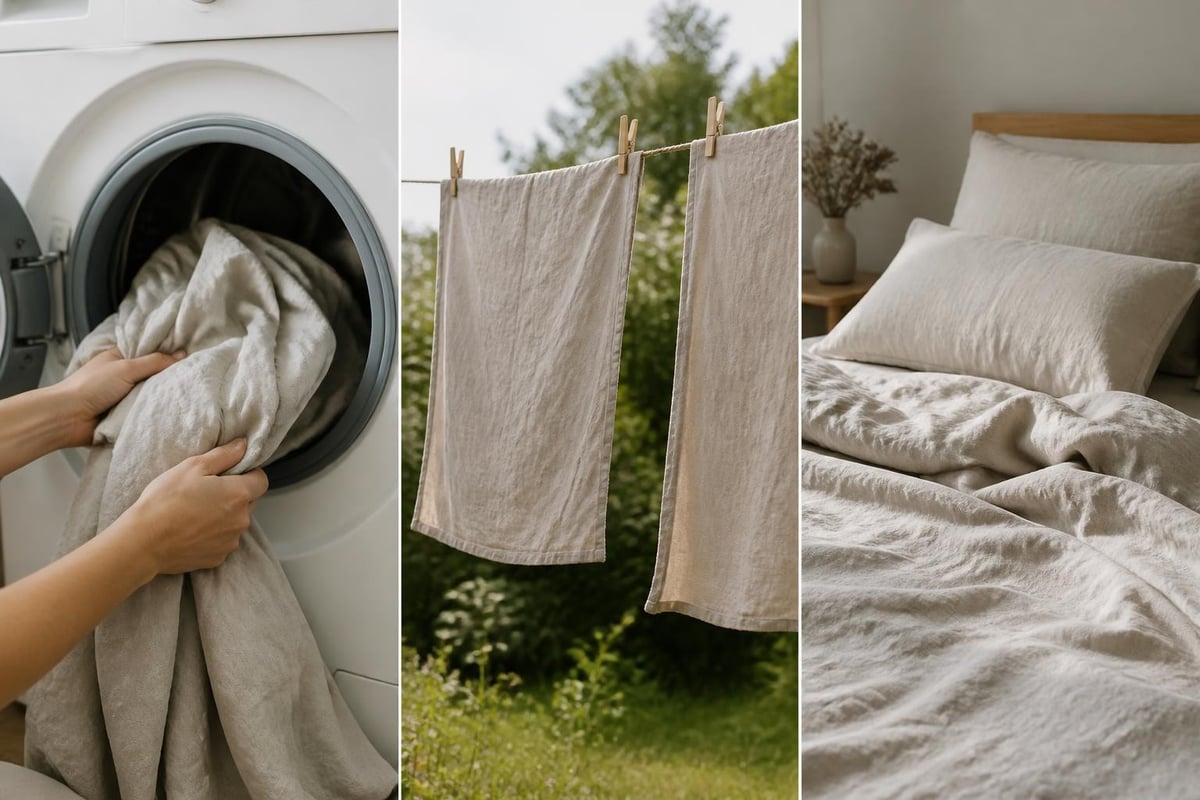
You can wash linen bedding at 40°C, though it can handle higher temperatures if needed. Just like the advice in our guide on how to wash and store your bedding for maximum longevity, gentle care extends the life of your investment.
Skip the fabric softener entirely. Linen doesn't need it, and softeners can actually coat the fibres, reducing their natural breathability and moisture-wicking properties. A mild, eco-friendly detergent is all you need.
Washing and drying tips
- Wash linen sheets separately the first few times to prevent colour transfer
- Use a gentle cycle with cool to warm water
- Avoid overloading the machine to prevent excessive creasing
- Line dry when possible for the freshest scent and lowest environmental impact
- Tumble dry on low heat if needed, removing whilst slightly damp
Here's the best bit: you don't need to iron linen. The relaxed, slightly rumpled look is part of its charm and appeal. If you prefer a crisper appearance, our article on whether you really need to iron your bed sheets explores both sides of this debate.
Choosing the right linen bedding for your needs
Not all linen is created equal, and finding the best linen bed linen for your specific situation involves considering several factors beyond just aesthetics. Your sleep habits, climate, and budget all play important roles.
Types of linen weaves
- Stonewashed linen – Pre-washed for instant softness, perfect if you can't wait for the break-in period
- Pure linen – Natural, crisp texture that softens gradually over months
- Linen blends – Often mixed with cotton for a softer initial feel and lower price point
- Belgian or French linen – Typically the highest quality, though pricier
- Irish linen – Traditional and luxurious, known for exceptional durability
According to Forbes' comprehensive guide on linen sheets, stonewashed options offer the best of both worlds for those new to linen bedding, providing immediate comfort whilst retaining all the natural benefits of the fabric.
Colour considerations
Linen takes dye beautifully, but natural and light colours tend to showcase the fabric's texture best. White and natural linen sheets remain perennially popular, though deeper tones like charcoal, sage, and terracotta have become increasingly fashionable.
For inspiration on how colour choices affect your bedroom's atmosphere, check out our guide on the power of colour in bedding and bath linens. The right hue can genuinely transform how you feel when you walk into your bedroom.
Budget-friendly approaches to linen bedding
Let's address the elephant in the room: the best linen bed linen doesn't always come cheap. However, viewing it as an investment rather than an expense changes the equation entirely.
Quality linen sheets can last 20 to 30 years with proper care, compared to 2 to 5 years for average cotton sheets. When you break down the cost per year, linen often works out more economical than constantly replacing cheaper alternatives.
Smart shopping strategies
Here are some savvy ways to get quality linen without breaking the bank:
- Start with pillowcases to test the fabric before committing to full sheet sets
- Watch for seasonal sales, particularly during January and summer months
- Consider linen-cotton blends for a more accessible price point
- Buy sets during promotional periods rather than individual pieces
- Check for slight seconds which may have minor imperfections at reduced prices
At Happy Home Shop, we understand that creating a beautiful bedroom shouldn't require a lottery win. Our delivery information ensures your bedding arrives conveniently, and regular discounts make quality more accessible.
Styling your bedroom with linen
The beauty of the best linen bed linen lies in its versatility. This fabric works brilliantly whether your aesthetic leans minimalist Scandi, rustic farmhouse, or contemporary elegance.
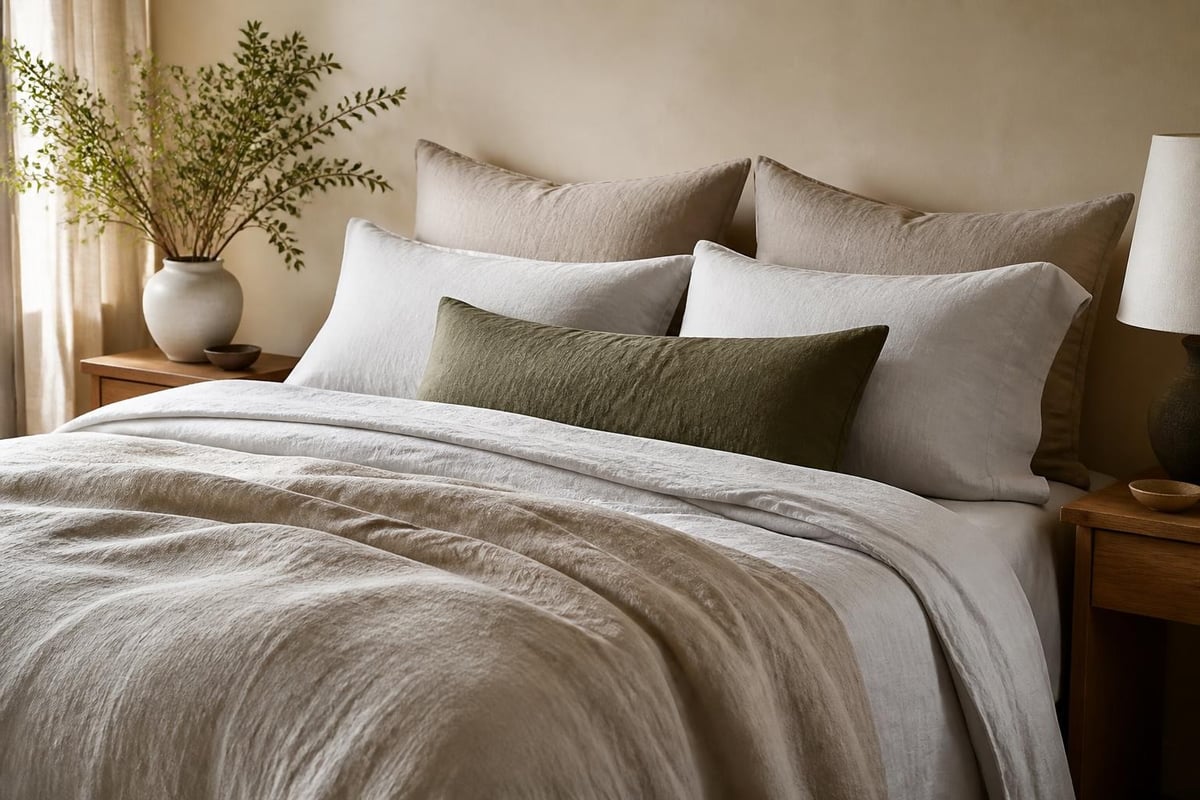
Linen's natural texture adds depth and interest without overwhelming a space. Layer different weights and tones of linen for a sophisticated, collected-over-time look. A lightweight linen duvet cover paired with heavier linen sheets creates beautiful visual and textural contrast.
Creating a cohesive linen look
| Element | Styling Tip | Effect |
|---|---|---|
| Duvet cover | Choose stonewashed for softness | Inviting, relaxed centrepiece |
| Pillowcases | Mix with velvet or cotton cushions | Textural contrast adds interest |
| Throws | Layer a linen throw at the foot | Casual elegance and extra warmth |
| Curtains | Linen curtains complete the look | Cohesive, naturally lit space |
Remember that linen doesn't need to match perfectly. Slight variations in tone between pieces actually enhance the organic, natural feel. This forgiving nature makes it easier to build your linen collection gradually without worrying about exact colour matching.
Common linen bedding myths debunked
Despite its growing popularity, several misconceptions about the best linen bed linen persist. Let's set the record straight.
Myth: Linen is always scratchy and uncomfortable. Whilst new linen does have texture, it shouldn't feel unpleasant against your skin. Stonewashed varieties offer immediate softness, and even crisp linen becomes deliciously soft within just a few washes.
Myth: You need to iron linen sheets. The relaxed, lived-in look is intentional and desirable. Embrace the natural beauty of linen's casual drape rather than fighting against it.
More myths worth busting
- "Linen wrinkles too easily" – Yes, it creases, but that's part of its charm and character
- "All linen is the same quality" – Origin, processing, and weight create significant quality differences
- "Linen doesn't work in winter" – Its temperature-regulating properties actually provide year-round comfort
- "You can't tumble dry linen" – You absolutely can on low heat, though air drying is gentler
Sleep Doctor's comprehensive review confirms that quality linen bedding performs exceptionally well across all seasons, making it a versatile choice for British homes where temperature can vary dramatically.
Health and wellness benefits
Beyond comfort and aesthetics, the best linen bed linen offers genuine health advantages that contribute to better sleep quality. These aren't just marketing claims but properties inherent to the fabric itself.
Linen's natural antibacterial qualities mean your sheets stay fresher between washes, which is brilliant news for busy households. The fabric naturally resists bacteria and fungi, making it particularly suitable for those with allergies or skin sensitivities.
For anyone who tends to overheat at night, the natural temperature-regulating benefits of linen sheets are genuinely transformative. The fabric's structure allows for exceptional airflow whilst wicking moisture away from your skin, creating a more comfortable sleep environment.
Sleep quality improvements
People who switch to linen bedding frequently report:
- Falling asleep faster due to optimal temperature
- Fewer night-time wake-ups from overheating
- Reduced skin irritation and fewer breakouts
- Less tossing and turning throughout the night
- Overall improved sleep quality and morning freshness
If you struggle with allergic reactions to bed sheets, linen's hypoallergenic nature makes it an excellent alternative worth exploring.
Sustainability and environmental impact
In 2026, making environmentally conscious choices matters more than ever. The best linen bed linen scores remarkably well on sustainability metrics, particularly when compared to cotton or synthetic alternatives.
Flax cultivation requires significantly less water than cotton, with most flax growing successfully on rainfall alone. The plant also sequesters carbon dioxide during growth and improves soil health. Every part of the flax plant gets used, creating virtually zero waste in production.
Linen's exceptional durability means fewer replacements over your lifetime, reducing overall consumption and waste. When linen eventually reaches the end of its life, it biodegrades completely, unlike synthetic fabrics that persist in landfills for decades.
Eco-friendly credentials
| Environmental Factor | Linen | Cotton | Polyester |
|---|---|---|---|
| Water usage | Very low | Very high | Moderate |
| Pesticide needs | Minimal | High | N/A |
| Biodegradability | 100% natural | 100% natural | Non-biodegradable |
| Longevity | 20-30 years | 2-5 years | 5-10 years |
| Carbon footprint | Low | Moderate | High |
Choosing the best linen bed linen aligns perfectly with creating a more sustainable home without sacrificing comfort or style. It's a genuinely feel-good purchase that benefits both you and the planet.
Making the switch to linen
If you're ready to experience the best linen bed linen for yourself, transitioning gradually makes the investment more manageable whilst giving you time to adjust to the fabric's unique qualities.
Start with a single item rather than overhauling your entire bedroom at once. Many people begin with pillowcases or a flat sheet, discovering whether they love linen's texture and breathability before committing to a full set.
Give your new linen bedding a proper chance. The fabric truly does improve with washing, so don't judge it solely on your first night. Most people find themselves completely converted after a month of regular use.
Your linen journey timeline
- Week 1 – Initial impressions; texture feels crisp but not uncomfortable
- Week 2-3 – Fabric begins softening noticeably after several washes
- Month 2 – Significant improvement in softness; sleeping cooler becomes evident
- Month 3-6 – Linen reaches optimal softness; you wonder how you slept without it
- Year 1+ – Continues softening; durability becomes apparent as fabric shows no wear
Similar to our recommendations in bedding care 101, proper washing techniques from day one ensure your linen bedding performs beautifully for decades.
Finding the best linen bed linen transforms your bedroom into a sanctuary of comfort whilst making a smart, sustainable investment. The natural breathability, exceptional durability, and effortless style of quality linen bedding create better sleep and a more beautiful home. Whether you're starting with a single pillowcase or investing in a complete set, Happy Home Shop makes quality bedding accessible with affordable prices, convenient delivery, and regular discounts that help you create the cosy, stylish bedroom you deserve without stretching your budget.