When those balmy British nights arrive, there's nothing quite as frustrating as tossing and turning in bedding that feels like it's plotting against you. The shift from chilly spring evenings to proper bedding summer mode requires more than just opening a window and hoping for the best. Getting your bedroom ready for warmer weather is all about making smart fabric choices, understanding tog ratings, and creating a sleep sanctuary that doesn't leave you waking up at 3am feeling like you've been wrapped in cling film. The good news? Transforming your bedroom for summer doesn't need to cost a fortune, and the results can genuinely improve your sleep quality throughout the warmest months.
Understanding summer bedding essentials
The foundation of comfortable bedding summer setups starts with knowing what actually keeps you cool. Unlike winter, when we pile on the layers, summer sleeping is all about breathability, moisture-wicking, and creating airflow around your body whilst you sleep.
The tog rating transformation
Tog ratings can feel like secret code, but they're genuinely useful when selecting your bedding summer collection. During the warmer months, you'll want to look for duvets rated between 1.5 and 4.5 tog, with many sleep experts suggesting that switching to a summer duvet when nighttime temperatures consistently stay above 15°C makes a massive difference to sleep quality.
Here's a quick comparison of seasonal tog ratings:
| Season | Recommended Tog | Temperature Range |
|---|---|---|
| Summer | 1.5 - 4.5 tog | Above 15°C |
| Spring/Autumn | 7 - 10.5 tog | 10-15°C |
| Winter | 12 - 15 tog | Below 10°C |
| All-season | 9 - 10.5 tog | Variable |
Natural fibres work wonders during summer months. Cotton, linen, and bamboo are the holy trinity of bedding summer materials because they allow air to circulate and help draw moisture away from your skin. Happy Home Shop's extensive selection of duvet sets includes brilliant lightweight cotton options that tick all the breathability boxes without breaking the bank.

Choosing the right fabrics for hot nights
Not all bedding summer fabrics are created equal, and some materials that seem sensible can actually make you sweatier than a marathon runner in July. Understanding which fabrics to embrace and which to avoid can transform your sleeping experience.
Cotton: the reliable champion
Cotton remains the gold standard for bedding summer collections, and there's solid science behind why. The natural fibres are highly breathable, absorbent, and get softer with each wash. However, thread count matters more than you might think during summer months.
According to Tom's Guide's research on thread counts, the sweet spot for summer bedding sits between 200 and 400. Anything higher and you're actually reducing breathability, which defeats the whole purpose. Percale cotton weaves are particularly brilliant for hot sleepers because they have a crisp, cool feel against your skin.
Benefits of cotton bedding for summer:
- Naturally breathable and moisture-wicking
- Becomes softer and more comfortable with washing
- Hypoallergenic properties ideal for sensitive skin
- Excellent value for money
- Available in countless designs and colours
Linen and its alternatives
Linen has become ridiculously trendy for bedding summer collections, and whilst it absolutely deserves the hype for its cooling properties, it's not your only option. The best fabrics for summer bedding include several brilliant alternatives that offer similar benefits at different price points.
If you're curious about what else works brilliantly, linen bedding alternatives such as bamboo lyocell, hemp, and even certain wool blends can provide excellent temperature regulation. The key is choosing materials that breathe naturally and don't trap heat against your body.
Fabrics to avoid when creating your summer bedroom
Just as important as knowing what works is understanding what doesn't. Some materials seem logical but actually create a sweaty, uncomfortable sleeping experience during bedding summer months.
The synthetic trap
Polyester, microfibre, and other synthetic materials might be budget-friendly and low-maintenance, but they're genuinely terrible for summer sleeping. These fabrics trap heat and moisture, creating what sleep experts delightfully call a "microclimate" around your body. It's essentially like wrapping yourself in plastic.
Fabrics to avoid at home in summer include not just obvious culprits like fleece and flannel, but also silky synthetic materials that feel cool initially but quickly become clammy. Silk itself can work for summer, but synthetic "silk-effect" fabrics are a different story entirely.
| Fabric Type | Why to Avoid in Summer |
|---|---|
| Polyester | Traps heat, doesn't breathe, holds moisture |
| Flannel | Too insulating for warm weather |
| Microfibre | Creates static and retains body heat |
| Synthetic satin | Becomes sticky and uncomfortable |
| Jersey (synthetic) | Clings to skin when warm |
Practical bedding summer styling and layering
Creating the perfect bedding summer setup isn't just about choosing one lightweight duvet and calling it done. Layering strategically allows you to adjust your comfort level as temperatures fluctuate throughout the night and across different weeks of summer.
The art of summer bed layering
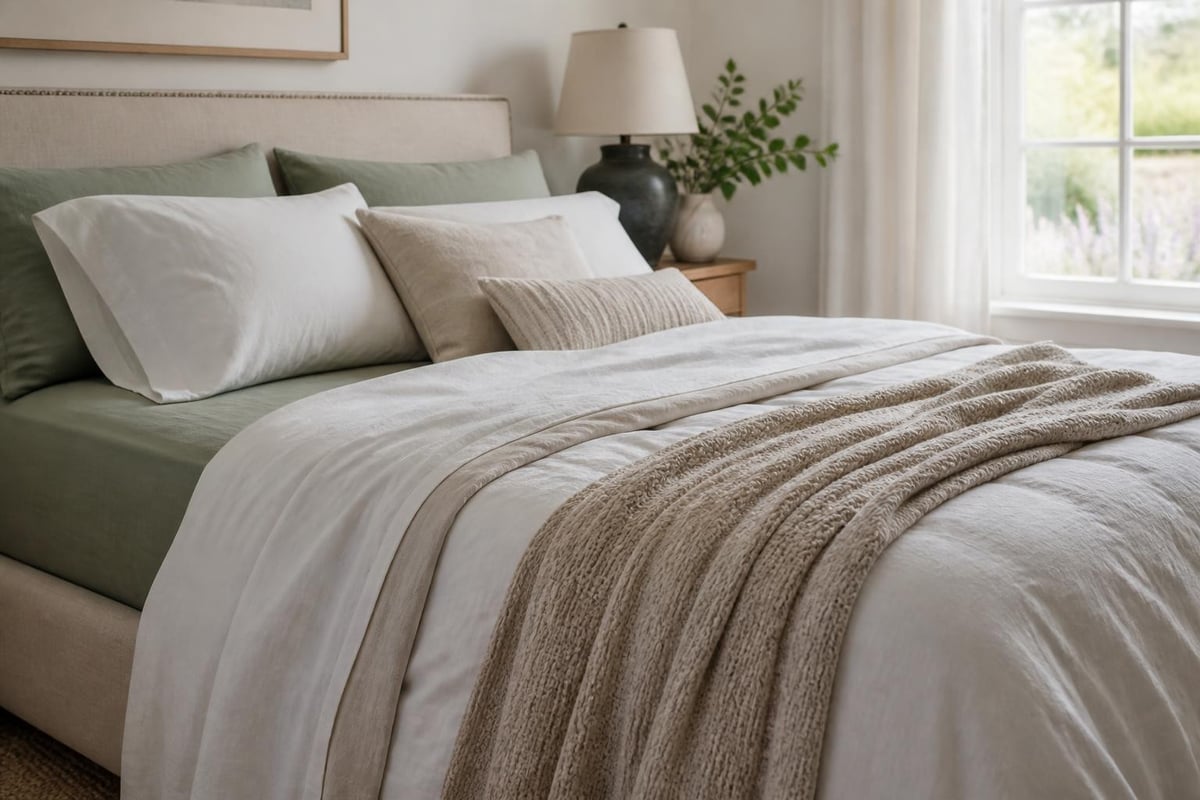
How to layer your bed for summer involves thinking beyond just sheets and duvet. Start with your fitted sheet in a breathable cotton, add your lightweight duvet, and then include a cotton throw or lightweight blanket that you can easily kick off or pull up as needed.
Essential layers for bedding summer success:
- Breathable fitted sheet (cotton or linen blend)
- Flat sheet for additional adjustability
- Lightweight duvet (1.5-4.5 tog)
- Cotton throw or coverlet for aesthetic appeal
- Minimal cushions to reduce heat retention
This approach gives you flexibility whilst keeping your bed looking beautifully put together. The bedding bundle options at Happy Home Shop make it incredibly affordable to create complete summer bedding sets without needing to piece everything together separately.
Cooling your bedroom environment
Your bedding summer setup works in tandem with your bedroom environment. Even the most breathable sheets won't save you if your room resembles a sauna.
Creating airflow and managing temperature
Summer sleeping tips from Dyson emphasise the importance of strategic airflow rather than just blasting air conditioning all night. Position fans to create cross-ventilation, keep curtains closed during the hottest parts of the day, and consider cooling your sheets in the freezer for 10 minutes before bedtime on particularly sweltering nights.
Your bedroom's colour scheme matters more than you'd think for bedding summer comfort. Lighter colours reflect rather than absorb heat, which is why white, cream, and pale blue bedding remains so popular during warmer months. The gorgeous range of light-toned duvet sets at Happy Home Shop includes everything from crisp whites to soft pastels that genuinely help create a cooler visual and actual temperature in your bedroom.
Quick bedroom cooling strategies:
- Close curtains during peak sun hours
- Use cotton or linen curtains that breathe
- Switch to lower wattage bulbs that produce less heat
- Remove unnecessary electronics from your bedroom
- Keep bedroom doors open overnight for air circulation
- Place a bowl of ice in front of your fan for DIY air conditioning
Caring for your summer bedding properly
Once you've invested in brilliant bedding summer essentials, proper care ensures they'll last for years whilst maintaining their cooling properties. Cotton and linen bedding actually improves with washing, but only if you're treating them correctly.
Washing and maintaining breathable fabrics
Following the guidance in our article about how to wash and dry your sheets properly becomes even more crucial during summer when you're likely washing bedding more frequently due to increased perspiration. Cool to warm water works best for most summer fabrics, and avoiding fabric softener actually helps maintain breathability.
Summer bedding care essentials:
- Wash every 7-10 days during peak summer
- Use cool or warm water (not hot) to prevent shrinkage
- Skip fabric softener to maintain breathability
- Line dry when possible for natural freshness
- Iron linen on slightly damp for easier pressing
- Rotate between two sets to extend longevity
For those wanting to keep their lighter bedding summer sets looking pristine, check out the tips in our guide on keeping white bedding bright. There's nothing quite as satisfying as crisp, bright white sheets on a summer evening.
Budget-friendly summer bedding switches
Creating the perfect bedding summer sanctuary doesn't require replacing everything in your bedroom. Smart, targeted changes can make a massive difference without draining your bank account.
Prioritising your purchases
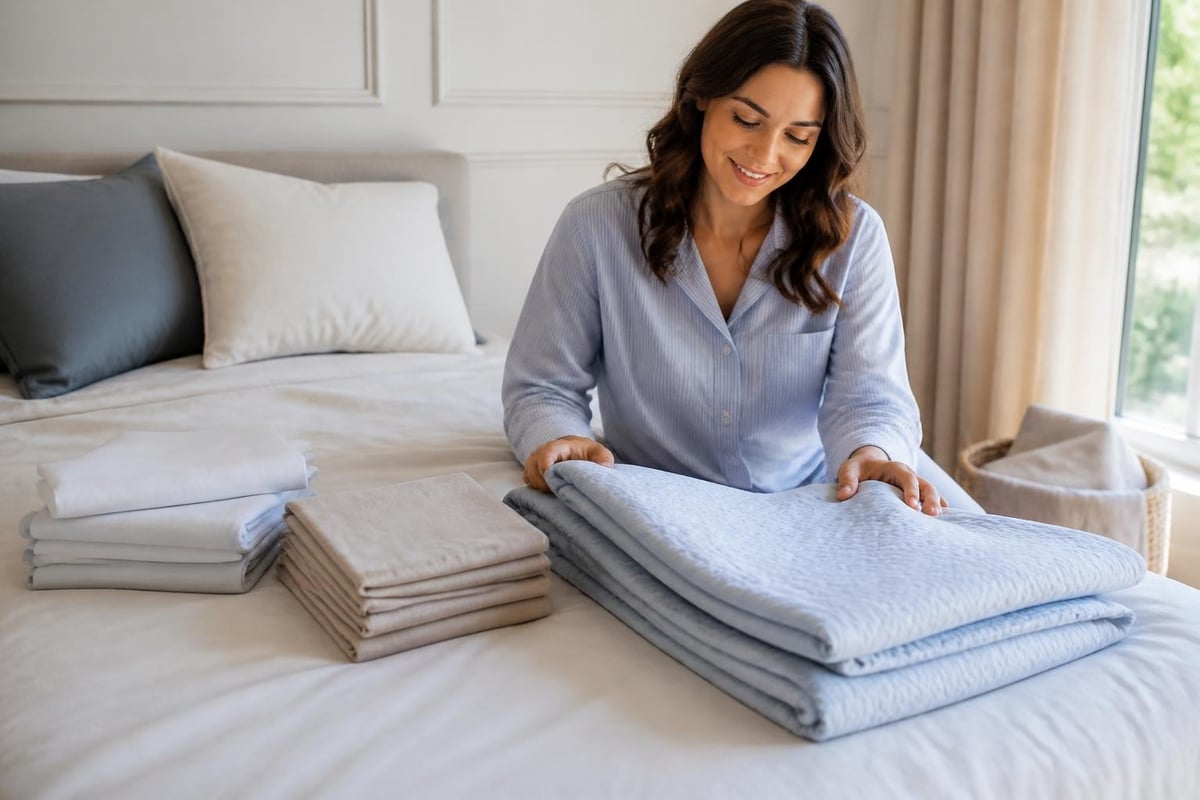
If you're working with limited funds, invest in these items in order:
- Lightweight duvet (biggest impact on temperature)
- Cotton fitted sheet (directly against your skin all night)
- Breathable pillowcases (keep your head cool)
- Cotton flat sheet (adds flexibility)
- Decorative throw (aesthetic bonus that's functional)
The affordable bedding collections mean you can often grab a complete summer set for less than you'd spend on a single designer pillowcase elsewhere. Regular discounts and bundle deals make it even easier to refresh your entire bedroom without the guilt.
Money-saving bedding summer tips:
- Buy end-of-season sales for next year
- Mix and match rather than buying complete sets
- Focus on neutral colours that work year-round
- Check bundle deals for better value
- Prioritise natural fabrics over designer names
- Consider percale over sateen for summer breathability
Making the transition from winter to summer bedding
Knowing when to make the switch to your bedding summer setup can be trickier than expected, especially with Britain's unpredictable weather patterns. Some nights in June can still be surprisingly chilly, whilst random October evenings might feel subtropical.
Timing your bedding changeover
Rather than relying solely on the calendar, pay attention to consistent overnight temperatures. When you're regularly waking up too warm or kicking off covers, it's definitely time to transition. Keep your heavier duvet accessible during early summer just in case of those random cold snaps.
Many savvy homemakers keep a medium-weight duvet cover filled with a lightweight summer duvet during transition periods. This approach, combined with strategic layering, means you're prepared for whatever the British weather throws at you. Understanding duvet cover sizing and fit ensures your summer duvet sits properly inside its cover without bunching.
Storing your winter bedding properly
Once you've committed to bedding summer mode, storing your heavier winter items correctly ensures they'll be fresh and ready when autumn arrives. Proper storage prevents mustiness, protects against moths, and maximises your limited cupboard space.
Storage best practices
Clean everything thoroughly before storing. This isn't just about freshness; body oils and residues can attract insects and cause fabrics to deteriorate during storage. The comprehensive guide on washing and storing bedding for maximum longevity provides detailed steps that genuinely work.
Winter bedding storage checklist:
- Wash and fully dry all items before packing
- Use breathable cotton storage bags (not plastic)
- Add lavender sachets or cedar blocks for freshness
- Store in cool, dry locations away from damp
- Fold loosely to prevent permanent creases
- Label clearly for easy identification later
- Check stored items monthly during extended storage
Vacuum storage bags can be tempting for saving space, but they're generally not ideal for quality bedding as they compress fibres and can trap moisture. Cotton storage bags or simple pillowcases work brilliantly and allow fabrics to breathe.
Addressing common summer sleeping challenges
Even with perfect bedding summer essentials in place, some sleepers face additional challenges during warmer months. From hot flushes to living in poorly ventilated flats, there are practical solutions beyond just changing your sheets.
Hot sleepers and additional considerations
If you're someone who runs warm year-round, standard bedding summer advice might not be enough. Consider investing in a cooling mattress protector made from bamboo or special moisture-wicking materials. These sit beneath your fitted sheet and add an extra layer of temperature regulation.
For those experiencing allergic reactions to bed sheets, summer can exacerbate symptoms due to increased dust mites in warmer, humid conditions. Hypoallergenic cotton bedding, washed frequently in hot water, helps manage these issues whilst keeping you cool.
| Challenge | Solution |
|---|---|
| Night sweats | Bamboo or moisture-wicking sheets |
| Small bedroom heats quickly | Light-coloured bedding and blackout curtains |
| Shared bed with different temperature preferences | Separate lightweight duvets for each person |
| Top-floor flat retains heat | Maximum airflow with minimal layering |
| Humid climate | Natural fibres only, frequent washing |
Transforming your bedroom for bedding summer comfort comes down to choosing breathable natural fabrics, selecting appropriate tog ratings, and layering strategically for flexibility. Whether you're investing in new lightweight duvets or simply swapping your winter flannels for crisp cotton sheets, these changes genuinely improve sleep quality during warmer months. Happy Home Shop offers an extensive range of affordable summer bedding essentials in beautiful designs, making it easy to create your perfect cool-weather sleep sanctuary without stretching your budget. With convenient delivery and regular discounts, refreshing your bedroom for summer has never been simpler or more enjoyable.