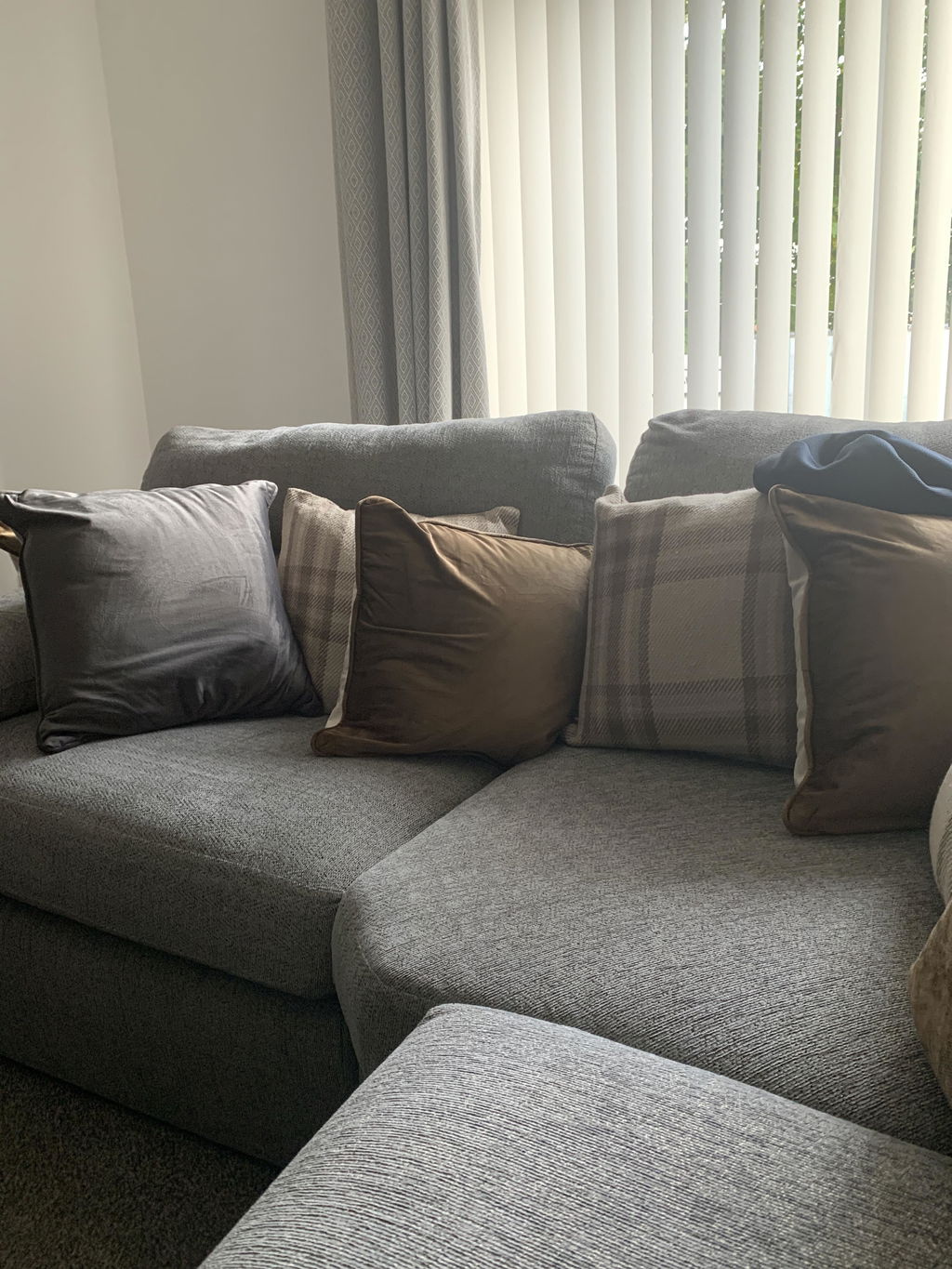
Your bedroom should be a sanctuary, but achieving that magazine-worthy look doesn't require a hefty budget or professional designer. The secret lies in knowing how to accessorize bedding thoughtfully, creating layers of comfort and style that transform even the simplest duvet set into something special. Whether you're working with classic white sheets or bold patterned designs, the right accessories can elevate your sleeping space from basic to brilliant without breaking the bank.
Understanding the basics of bedding accessories
When you first start thinking about how to accessorize bedding, it's easy to feel overwhelmed by the sheer number of options available. The good news? You don't need everything at once. Building a beautifully styled bed is about understanding which pieces serve functional purposes and which add that extra touch of personality.
Essential bedding accessories include:
- Decorative cushions in varying sizes
- Throw blankets or bed runners
- Pillowcases that complement or contrast your duvet
- Bed skirts or valances for a polished finish
- Mattress toppers for added comfort
The comprehensive bedding guide from MattressNut explains how each component contributes to both sleep quality and visual appeal. At its core, accessorizing is about creating depth and interest whilst maintaining functionality. Your bed should invite you in at the end of a long day, not intimidate you with too many decorative pieces that need removing before sleep.
Starting with your foundation
Before you can successfully accessorize bedding, you need to consider your base layer. The duvet cover or comforter you choose sets the tone for everything else. If you're working with plain duvet cover sets, you've got maximum flexibility for adding colourful or textured accessories. Alternatively, if you've chosen floral bedding or bold patterns, you'll want to select accessories that complement rather than compete.
Think of your foundation as the canvas. Neutral bases allow for seasonal switching of accessories, whilst statement duvet covers might need more restrained styling. Either approach works brilliantly when executed thoughtfully.
Mastering the art of layering
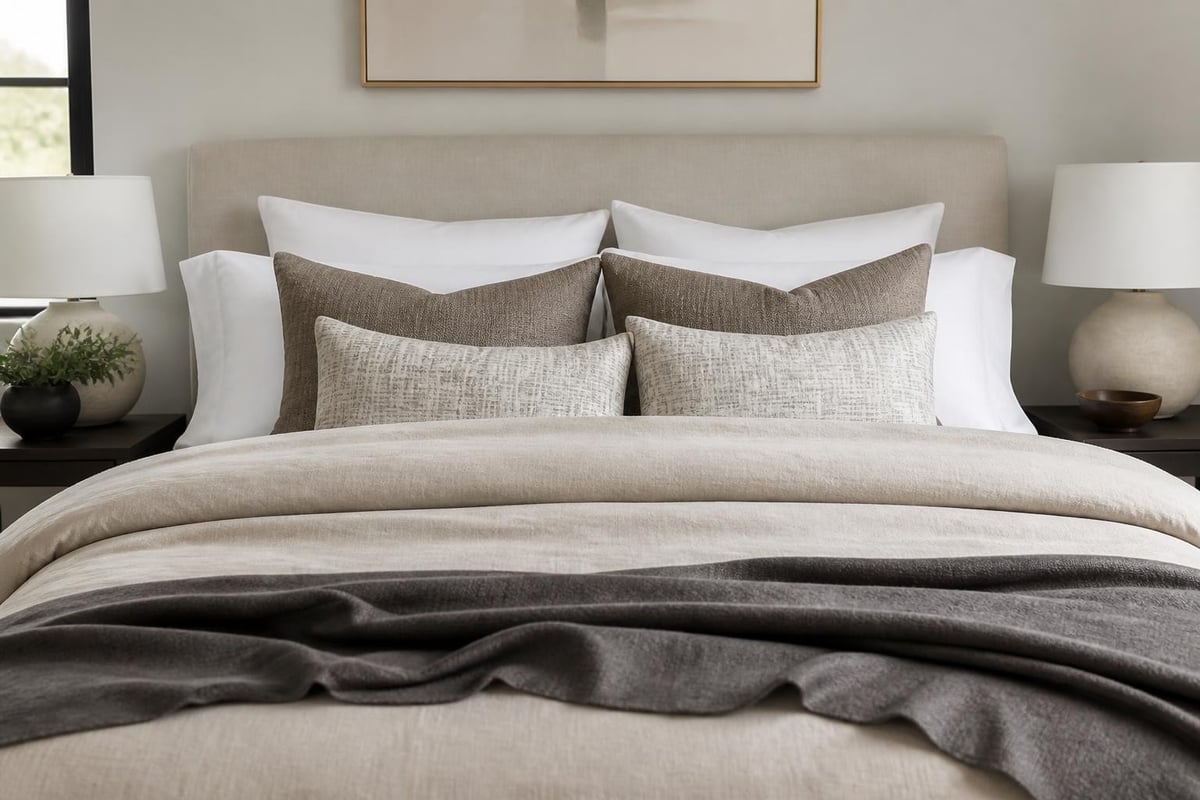
Learning how to layer bedding effectively transforms a flat, one-dimensional bed into something with real depth and luxury. Layering isn't just about piling on more items. It's a strategic approach that balances aesthetics with practicality.
The classic layering formula follows this structure:
- Start with fitted sheets in high-quality fabric
- Add your flat sheet or duvet cover
- Layer a lightweight blanket or coverlet
- Top with a decorative throw at the foot of the bed
- Arrange pillows from large to small
Each layer should be visible, creating that designer effect where you can see the careful thought behind the styling. When you accessorize bedding through layering, you're also adding versatility. Those extra blankets aren't just decorative during warmer months; they become essential comfort layers when temperatures drop.
Playing with texture and pattern
One of the most effective ways to accessorize bedding is through textural contrast. Mixing smooth cotton with nubby linen, or pairing crisp percale with soft teddy bedding creates visual interest that photographs beautifully and feels wonderful.
| Texture combination | Effect achieved | Best for |
|---|---|---|
| Cotton + Velvet | Luxurious contrast | Winter styling |
| Linen + Silk | Sophisticated elegance | Summer bedrooms |
| Waffle weave + Smooth cotton | Relaxed, casual | Year-round appeal |
| Faux fur + Knit | Cosy warmth | Autumn and winter |
Don't shy away from mixing patterns either. The experts at Ideal Home suggest that coordinating rather than matching creates more visual appeal. If your duvet features large florals, consider geometric cushions or striped pillowcases in complementary colours.
Choosing cushions and pillows strategically
Cushions are perhaps the easiest way to accessorize bedding, yet they're often the most confusing element for beginners. How many is too many? What sizes work best? Should they match or contrast?
Standard cushion arrangement includes:
- Two European square pillows (65cm x 65cm) at the back
- Two standard sleeping pillows in front
- One or two smaller decorative cushions as accent pieces
This classic setup works for most bed sizes, though you can scale up for king-size beds or down for singles. The key is maintaining odd numbers for decorative pieces, which creates a more pleasing visual balance.
When selecting cushion covers, think about how they'll interact with your existing bedding. Reversible duvet cover sets offer brilliant flexibility here, allowing you to flip your duvet and change your cushion selection to create entirely different looks without purchasing new pieces.
Understanding bed shams and their purpose
Bed shams deserve special mention when discussing how to accessorize bedding effectively. The Sleep Foundation explains that shams are decorative pillow covers designed to coordinate with your duvet or comforter. Unlike standard pillowcases, they feature an overlapping back closure and often include decorative flanges or borders.
Shams serve a purely aesthetic function, transforming everyday sleeping pillows into design features during the day. They're particularly useful if you're working with hotel-style duvet cover sets and want that crisp, professionally styled appearance.
Creating colour harmony in your bedroom
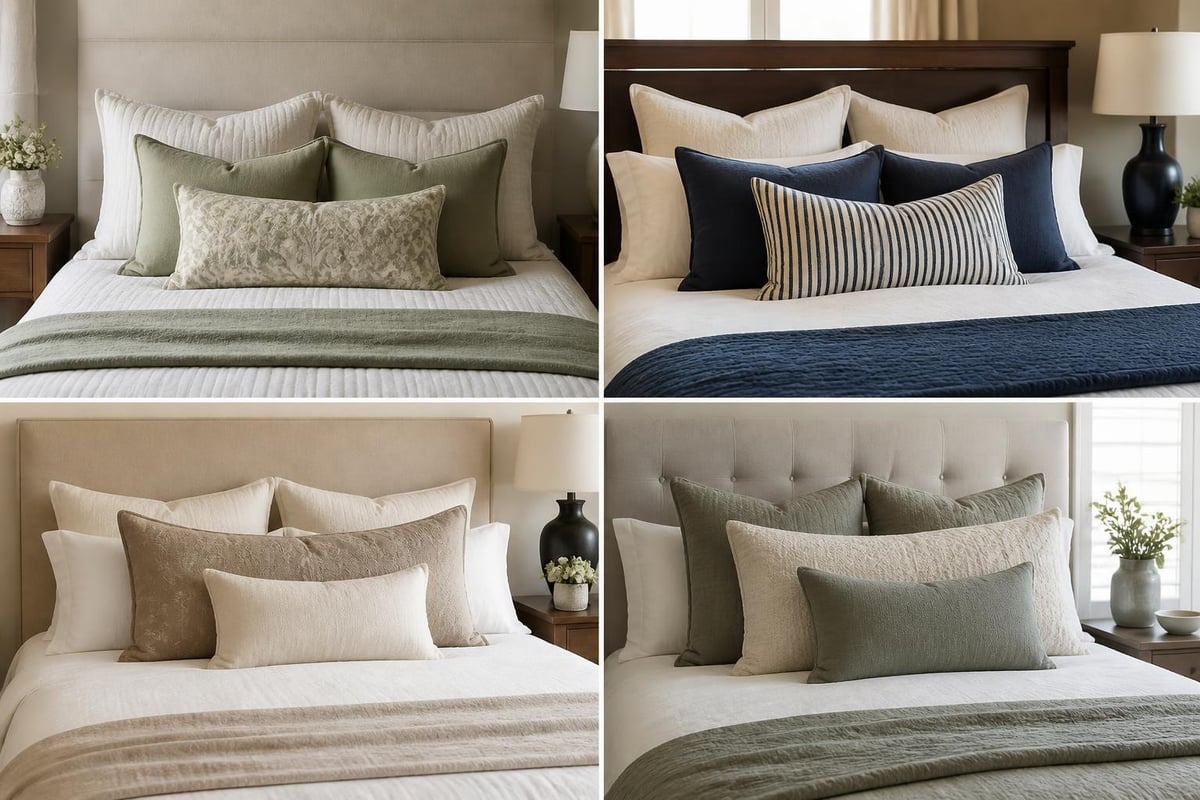
Colour coordination is crucial when you accessorize bedding, but it needn't be complicated. The most successful bedroom schemes typically work with a limited palette of three to four colours maximum, using various shades and tones within that range.
Three approachable colour schemes:
- Monochromatic: Various shades of one colour family (cream, beige, taupe, chocolate)
- Analogous: Colours that sit next to each other on the colour wheel (blue, blue-green, green)
- Complementary: Opposite colours used sparingly for accent (navy base with coral accessories)
If you've invested in checks and stripes duvet cover sets, you've already got built-in colour guidance. Pull accent colours from the pattern for your cushions and throws, creating a cohesive look that feels intentional rather than haphazard.
Seasonal switching for fresh looks
One budget-friendly approach to accessorizing is maintaining a core set of bedding whilst switching out accent pieces seasonally. This strategy lets you refresh your bedroom's look without replacing everything.
| Season | Accessory switches | Colour palette |
|---|---|---|
| Spring | Lightweight cotton throws, pastel cushions | Soft pink, mint, lavender |
| Summer | Linen layers, minimal cushions | White, natural, coastal blues |
| Autumn | Velvet cushions, chunky knit throws | Rust, mustard, forest green |
| Winter | Faux fur accents, multiple blanket layers | Deep burgundy, navy, charcoal |
The seasonal bedding collection at Happy Home Shop makes this rotation simple and affordable, offering themed pieces that complement year-round basics beautifully.
Adding throws and blankets thoughtfully
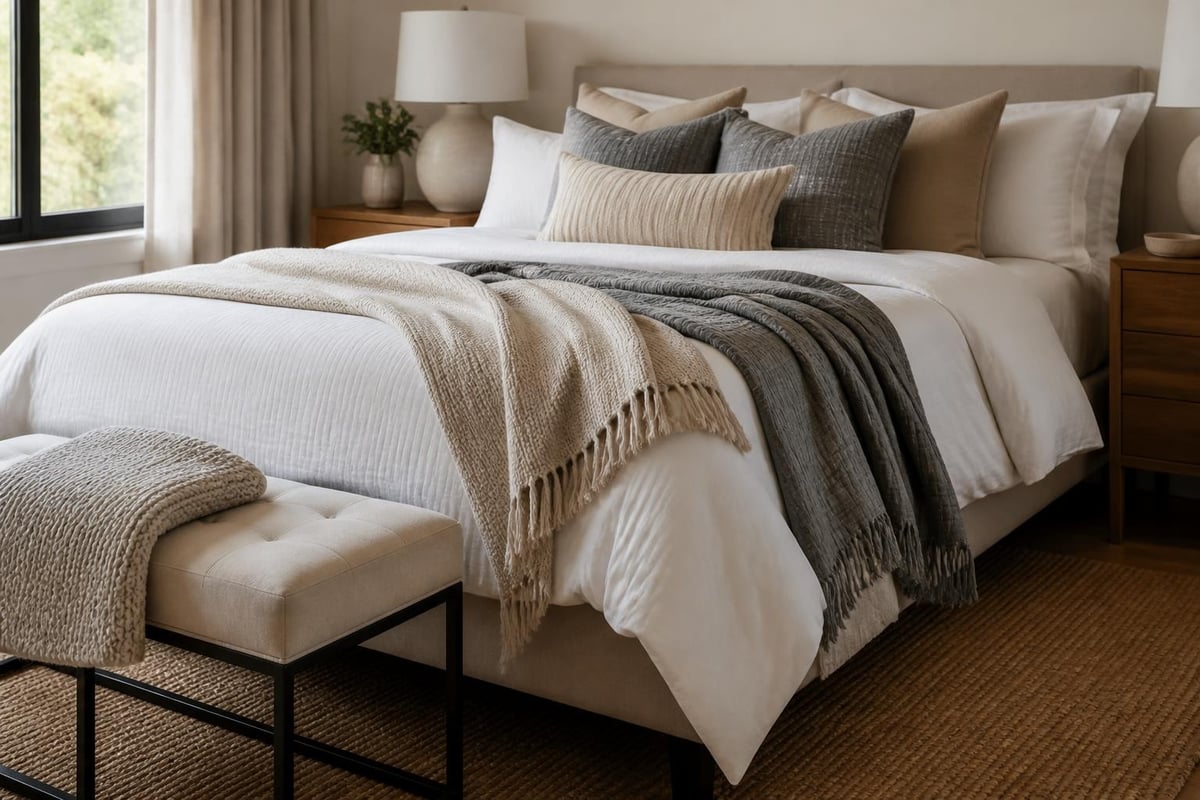
A strategically placed throw can be the finishing touch that makes your bed look professionally styled. When you accessorize bedding with throws, placement matters just as much as the throw itself.
Popular throw styling techniques include:
- Folded lengthwise at the foot of the bed
- Draped diagonally across one corner
- Casually bunched to one side for lived-in appeal
- Layered with another lighter throw for depth
The material and weight of your throw should complement your existing bedding rather than overwhelm it. A chunky cable-knit throw looks stunning against smooth cotton sheets but might clash with heavily textured duvet covers. Similarly, bed sheets in crisp percale pair beautifully with flowing linen or lightweight cotton throws.
Considering scale and proportion
One often-overlooked aspect of how to accessorize bedding involves understanding scale. A king-size bed can handle larger, bolder accessories, whilst a single bed requires more restraint. Oversized cushions on a small bed create visual clutter, whilst tiny accent pillows get lost on an expansive king.
Match your accessory scale to your bed size, and remember that visual weight matters too. Dark, heavily patterned pieces feel heavier than light, airy ones, even at the same physical size. Luxe duvet cover sets with rich colours and textures need carefully balanced accessories to avoid overwhelming the space.
Incorporating functional accessories
The best approach to accessorizing isn't purely decorative. Combining beauty with practicality ensures your bedroom remains livable and comfortable. Essential bedding accessories should enhance both sleep quality and visual appeal.
Functional accessories worth considering:
- Reading pillows with supportive backs
- Temperature-regulating throws for climate control
- Mattress toppers that add comfort and protection
- Bed skirts that hide under-bed storage
- Bolster pillows for additional neck support
These pieces work double duty, solving practical problems whilst contributing to your overall bedroom aesthetic. A beautiful throw keeps you warm during evening reading sessions. Decorative cushions provide back support when sitting up in bed. Function and form needn't be separate considerations.
Budget-conscious accessorizing strategies
Creating a beautifully accessorized bed doesn't require unlimited funds. Strategic shopping and creative thinking can achieve impressive results on any budget. Start by investing in quality basics, then build your accessory collection gradually.
| Budget level | Strategy | Recommended pieces |
|---|---|---|
| Tight budget | One statement piece | Bold throw or cushion set |
| Moderate budget | Foundation plus accents | Quality duvet, two cushions, throw |
| Flexible budget | Complete layering | Full pillow arrangement, multiple throws, shams |
Happy Home Shop regularly offers discounts and deals that make accessorizing even more affordable. Watching for sales on cushions and complementary pieces lets you build your collection without financial strain.
Styling for different bed types and sizes
The way you accessorize bedding varies depending on your bed frame and mattress size. A four-poster bed has different styling requirements than a platform bed, whilst a single bed in a child's room needs a completely different approach than a master bedroom king.
Single and double beds
Smaller beds benefit from restrained accessorizing. Too many layers and cushions overwhelm the space and make the bed look cluttered rather than styled. Stick to essentials: one or two decorative cushions, a single throw, and perhaps a coordinating bed runner.
For kids' duvet cover sets, choose accessories that complement the playful designs without adding excessive pieces that need daily removal. Children's beds should remain functional and easy to make.
King and super king beds
Larger beds can handle more dramatic accessorizing. Multiple cushion layers, generous throws, and even bed runners work beautifully here. The challenge becomes ensuring the bed doesn't look underdressed rather than overdressed.
Styling checklist for king beds:
- Four to six sleeping pillows with shams
- Two to four European square pillows
- Two to three decorative accent cushions
- At least one substantial throw
- Optional bed runner for added dimension
The generous surface area allows for patterned and textured pieces to shine without overwhelming the space. Mix scales and patterns more boldly on larger beds.
Maintaining your accessorized bed
Once you've invested time and thought into how to accessorize bedding, maintaining that look becomes important. A beautifully styled bed loses impact when cushions are perpetually scattered on the floor or throws remain bunched at the foot.
Create a simple daily routine: remove decorative cushions to a nearby chair or storage ottoman before sleep, then replace them each morning. Shake out and refold throws weekly to maintain their crisp appearance. This minimal maintenance preserves your styling effort.
Care tips for common bedding accessories:
- Wash cushion covers monthly or when visibly soiled
- Air out throws weekly and launder quarterly
- Rotate shams with regular pillowcases to extend life
- Spot clean decorative elements to avoid frequent washing
- Store seasonal accessories in breathable bags
Non-iron duvet cover sets significantly reduce maintenance time, leaving more energy for enjoying your beautifully accessorized space rather than maintaining it.
Adapting styles throughout the year
Your bedroom shouldn't remain static. Small adjustments keep the space feeling fresh and current without requiring complete overhauls. This might mean swapping Christmas bedding accessories for spring florals, or transitioning from heavy velvet cushions to lightweight linen as temperatures rise.
The layering approach to bedding accessorizing makes seasonal transitions simple. Keep your base layers neutral and swap accent pieces for instant transformation. This method proves both budget-friendly and storage-efficient, as you're only storing smaller items rather than complete bedding sets.
Mastering how to accessorize bedding transforms your bedroom from purely functional to genuinely special, creating a space that welcomes you home each evening. By combining thoughtful layering, strategic colour choices, and the right mix of decorative and functional pieces, you'll achieve that designer look without the designer price tag. Happy Home Shop offers everything you need to create your perfect sleep sanctuary, from foundational bedding to finishing touches, all at prices that respect your budget. Start exploring the collections today and discover how simple changes can make extraordinary differences in your home.