There's something utterly magical about the bold patterns, saturated colours, and nostalgic charm of vintage-inspired bedroom textiles. A retro duvet cover can instantly transport your sleeping space back to the groovy 1960s, the vibrant 1970s, or the playful 1980s without requiring a complete bedroom overhaul. Whether you're drawn to psychedelic florals, geometric sunbursts, or abstract op-art patterns, bringing retro style into your bedroom has never been more accessible or budget-friendly. In 2026, the vintage revival continues to captivate home decorators who want personality, warmth, and a touch of nostalgia in their personal spaces.
What makes a duvet cover truly retro?
A retro duvet cover isn't simply old-fashioned; it deliberately references specific design movements and decades that shaped modern interior design. The key characteristics include bold geometric shapes, saturated colour palettes, and patterns that celebrate optimism and experimentation.
Era-defining design elements
Mid-century modern influences dominate truly authentic retro bedding. Think Scandinavian-inspired abstracts, atomic starbursts, and organic shapes that celebrate both nature and space-age futurism. The Victoria & Albert Museum's exploration of post-war textiles provides fascinating insight into how designers of that era broke from traditional floral patterns to embrace bold new visual languages.
Authentic retro patterns typically feature:
- Large-scale geometric repeats
- Asymmetrical abstract motifs
- Saturated oranges, mustards, teals, and avocados
- Contrasting colour blocks
- Hand-drawn or screen-printed aesthetics
- Op-art optical illusions
The texture matters too. Vintage-style bedding often mimics the slightly rougher weave of period textiles, though modern manufacturing allows for much softer finishes. If you're exploring geometric duvet covers, you'll find plenty of contemporary interpretations that capture retro spirit whilst offering today's comfort standards.
Colour palettes that define decades
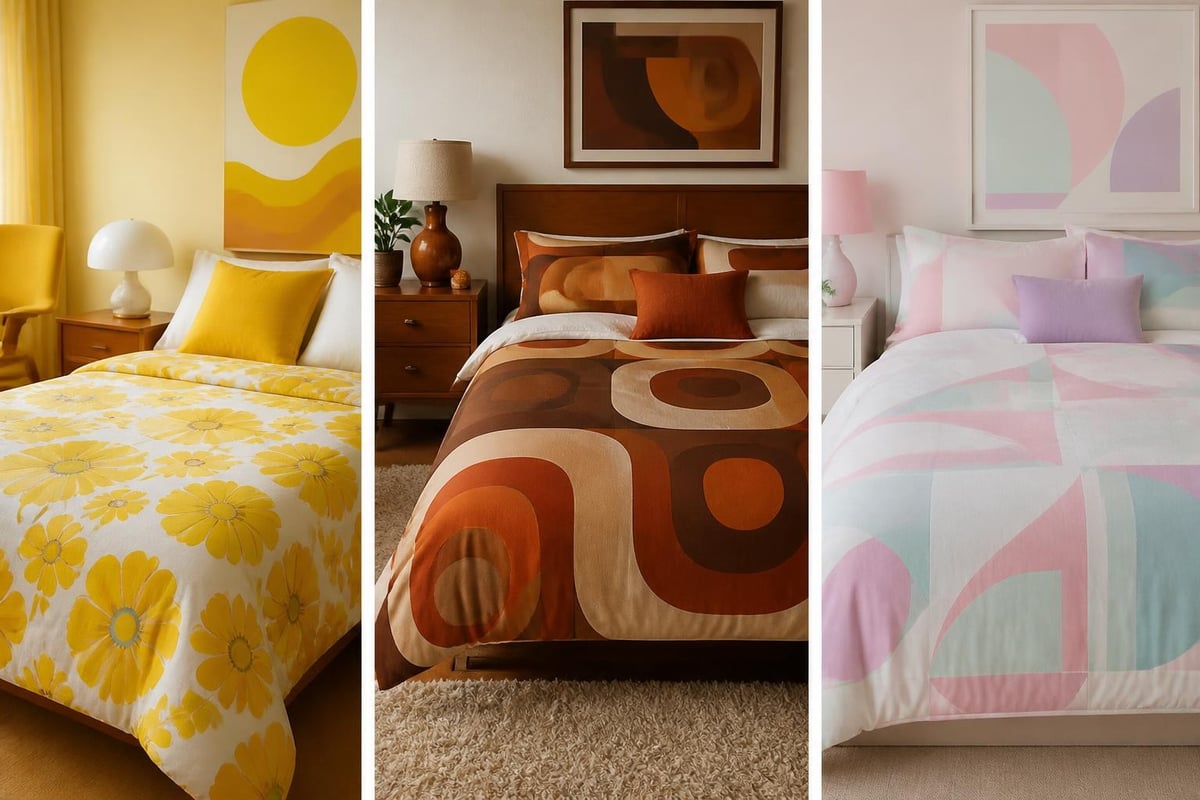
Each retro era brought its own signature colour story. The 1960s embraced sunshine yellow, burnt orange, and olive green alongside psychedelic pinks and purples. The 1970s deepened into earthy browns, harvest gold, and avocado alongside bold burgundy and rust. The 1980s introduced dusty rose, mauve, and teal combinations.
| Decade | Signature Colours | Pattern Style | Mood |
|---|---|---|---|
| 1960s | Orange, yellow, olive, hot pink | Geometric, atomic, psychedelic | Optimistic, energetic |
| [1970s | Brown, rust, avocado, harvest gold | Organic, botanical, oversized florals | Earthy, warm |
| 1980s | Mauve, dusty rose, teal, peach | Memphis, abstract, colour-blocked | Playful, bold |
Understanding these distinctions helps you create an authentic vintage atmosphere. Pantone's trend articles regularly revisit these retro colour stories, showing how designers continually reinterpret them for contemporary spaces.
Styling your bedroom with retro bedding
Creating a cohesive vintage-inspired bedroom doesn't mean turning your space into a time capsule. The most successful retro rooms blend period-inspired pieces with modern comfort and functionality.
Mixing vintage and contemporary elements
A retro duvet cover works brilliantly as your room's statement piece, anchoring the design whilst other elements remain more neutral. Pair your bold bedding with simple wooden furniture (teak or walnut finishes particularly evoke mid-century style) and streamlined accessories.
Consider layering textures to add depth. Your groovy geometric duvet pairs beautifully with plain duvet covers in coordinating solids, either as reversible options or seasonal alternatives. Add textured cushions in velvet or boucle fabrics for tactile interest without competing visually with your statement pattern.
Budget-friendly styling tricks:
- Start with your retro duvet cover as the focal point
- Add one or two vintage-inspired accessories (ceramic lamps, wooden bowls)
- Keep walls and large furniture neutral
- Introduce retro colours through smaller accents (cushions, throws, artwork)
- Mix in modern comfort pieces (contemporary reading lights, minimalist side tables)
Complementary patterns and textures
Whilst your retro duvet cover likely makes a bold statement, supporting patterns can enhance rather than overwhelm. Checks and stripes in coordinating colours work wonderfully as accent cushions or throws. Their graphic simplicity complements rather than competes with busier retro prints.
For a particularly authentic 1970s vibe, layer in some textural elements. Macramé wall hangings, shag rugs (or modern high-pile alternatives), and woven baskets all contribute period atmosphere. The key is restraint; select two or three textural accents rather than filling every surface.
Caring for vintage-inspired textiles
Whether you've invested in an authentic vintage piece or chosen a modern retro duvet cover, proper care ensures longevity and maintains those vibrant colours that make retro bedding special.
Washing and maintenance guidelines
Modern retro-style bedding typically features colour-fast dyes and durable construction, but treating them gently preserves their appearance. Always wash dark or saturated colours separately for the first few washes, even if you're confident in the dye quality.
Essential care steps:
- Wash at 30-40°C to preserve colour vibrancy
- Turn duvet covers inside out before washing
- Use colour-safe detergent without optical brighteners
- Avoid overloading the machine (bedding needs space to agitate properly)
- Line dry when possible to prevent heat damage to prints
- Iron on reverse if needed, using medium heat
For those lucky enough to own genuine vintage pieces, museum-grade textile handling tips provide authoritative guidance on preservation. Even if your retro duvet cover is newly manufactured, these principles help maintain its fresh appearance.
If you're considering sustainable bedding options with retro patterns, look for organic cotton or responsibly sourced materials. The OEKO-TEX guidance on organic cotton explains current standards, ensuring your vintage-inspired bedding meets 2026's environmental expectations.
Storage and seasonal rotation
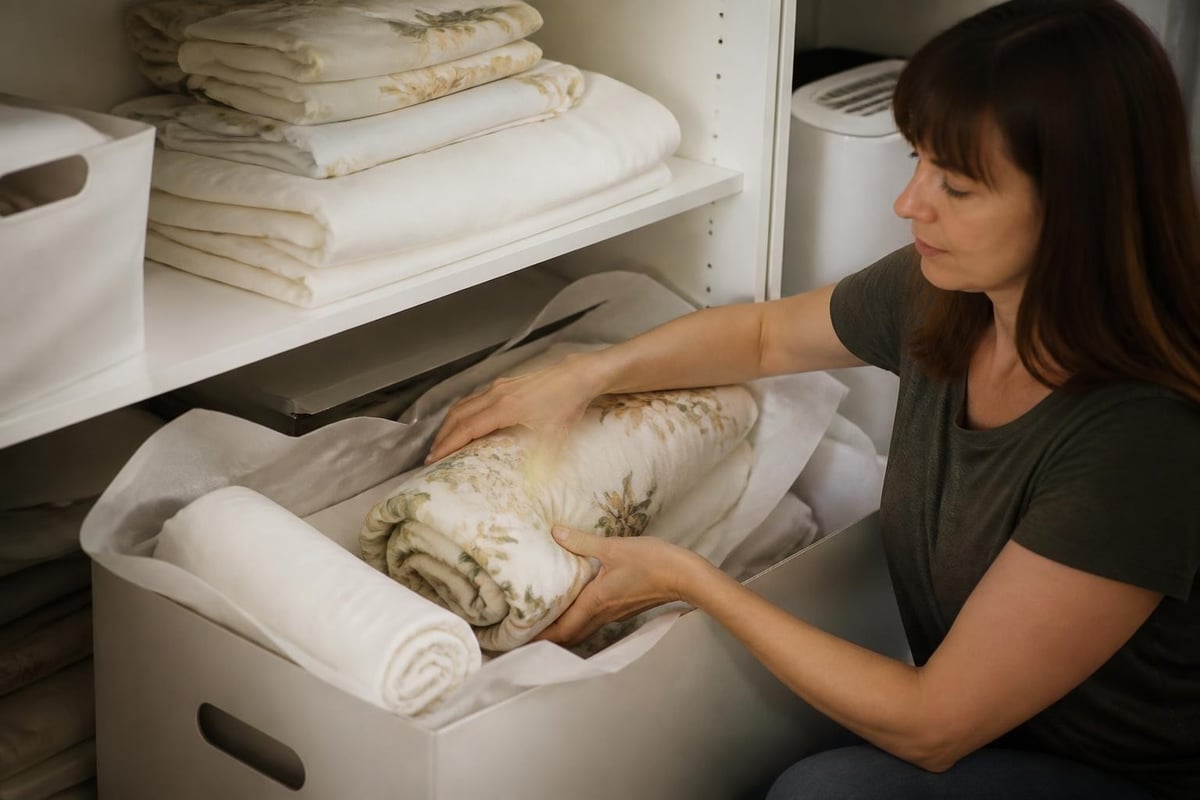
If you rotate bedding seasonally (lighter retro florals in summer, heavier geometric patterns in winter), proper storage prevents damage. Winterthur's textile conservation recommendations suggest rolling rather than folding when possible, storing in acid-free tissue, and keeping textiles away from direct sunlight and moisture.
For most modern retro duvet covers, simple cotton storage bags work perfectly. Avoid plastic containers that trap moisture, particularly in British homes where humidity fluctuates seasonally. Cedar blocks or lavender sachets deter moths whilst adding pleasant fragrance, though ensure they don't directly contact your bedding.
Finding authentic retro patterns in 2026
The resurgence of vintage style means more choices than ever, from faithful reproductions to contemporary reinterpretations. Understanding what's available helps you select the perfect retro duvet cover for your space and budget.
Reproduction versus reinterpretation
Faithful reproductions use authentic vintage patterns, often licensed from original designers or archives. These pieces deliver genuine period accuracy, perfect for purists or those creating historically cohesive rooms. The Textile Museum of Sweden's Retro Mania exhibition showcases magnificent examples of Scandinavian retro textiles that inspire many contemporary reproductions.
Reinterpretations take vintage inspiration but update scale, colour, or composition for modern tastes. These designs might feature classic geometric shapes in unexpected colour combinations or scale down oversized 1970s florals for today's smaller bedrooms. Both approaches have merit; your choice depends on how authentic versus contemporary you want your space to feel.
Shopping smart on a budget
Quality retro bedding needn't break the bank. Happy Home Shop's patterned collection offers vintage-inspired options at accessible price points, proving that great design works across all budgets.
| Shopping Strategy | Pros | Considerations |
|---|---|---|
| New reproduction | Consistent quality, easy care, wide sizing | May lack authentic texture |
| Vintage authentic | Genuine period piece, unique | Requires careful washing, limited sizes |
| Modern reinterpretation | Contemporary comfort, updated colours | Less historically accurate |
| Budget-friendly new | Accessible pricing, practical | Simpler prints, standard materials |
When shopping, examine fabric weight and thread count alongside pattern appeal. A gorgeous retro print on flimsy material won't provide the quality sleep experience you deserve. Look for mid-weight cotton or polycotton blends that balance comfort, durability, and easy care.
The psychology of retro patterns in the bedroom
Beyond pure aesthetics, your choice of retro duvet cover influences bedroom atmosphere and even sleep quality. Understanding these subtle effects helps you select patterns that serve both decorative and functional purposes.
How patterns affect mood and rest
Bold geometric patterns energize spaces, making them excellent choices for guest bedrooms or spaces where you want to make a statement. However, the most saturated, high-contrast retro prints might prove too stimulating for restful sleep if you're sensitive to visual input.
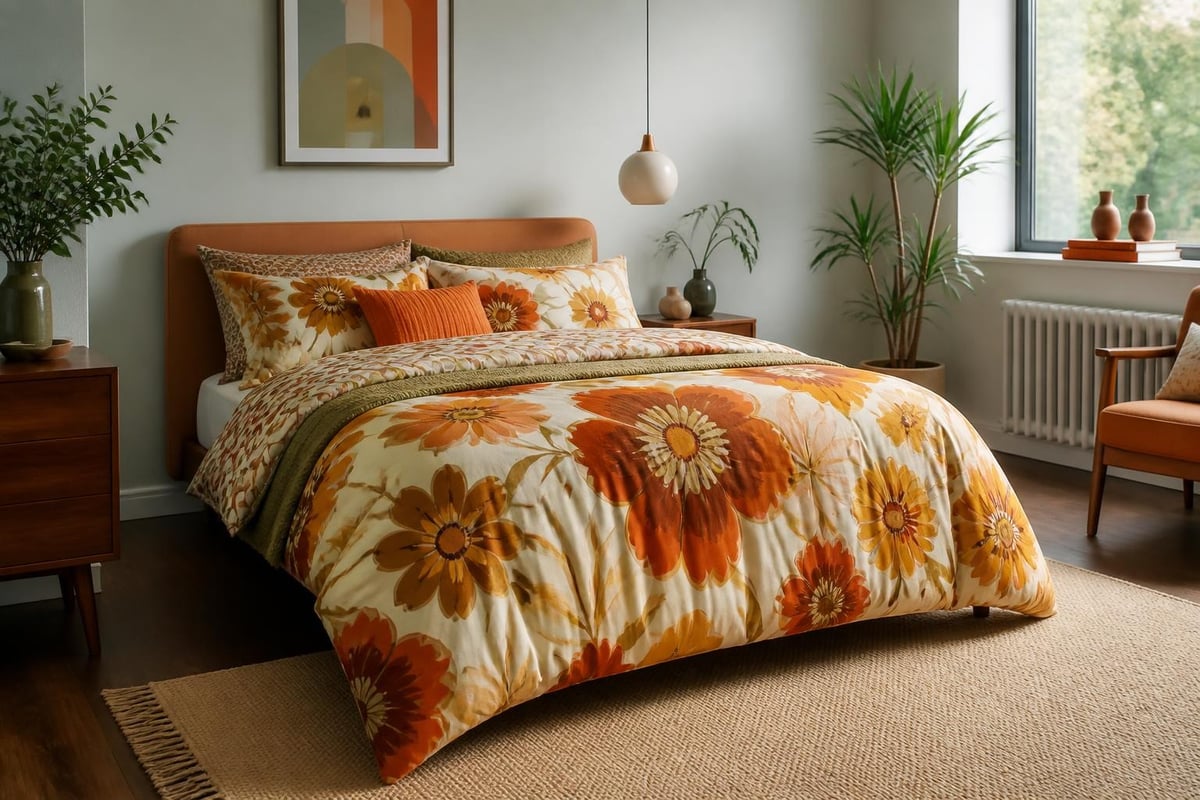
Large-scale organic patterns inspired by 1970s botanicals create a cocoon-like, enveloping effect. These work beautifully in primary bedrooms where you want warmth and personality without visual chaos. The relationship between modern abstraction and textiles explored by LACMA demonstrates how abstract patterns can feel both dynamic and meditative.
Pattern psychology in practice:
- Small-scale geometrics: Add interest without overwhelming, suitable for smaller rooms
- Oversized florals: Create drama and sophistication, work best in larger spaces
- Atomic/starburst patterns: Energetic and optimistic, excellent for morning motivation
- Colour-blocked abstracts: Modern and calming, versatile across bedroom sizes
- Op-art patterns: Visually engaging, best used as accent pieces rather than covering entire beds
Consider your bedroom's natural light too. North-facing rooms with cooler light beautifully complement warm retro oranges and golds, whilst south-facing bright rooms can handle cooler teals and purples without feeling cold.
Creating cohesive retro schemes across your home
Once you've embraced retro style in your bedroom, you might find yourself inspired to carry those vintage vibes into other rooms. Consistency in design approach creates flow whilst allowing each space its own character.
Coordinating bedding with towels and soft furnishings
The same design principles that make retro duvet covers appealing translate beautifully to bathroom textiles. Geometric patterns, bold colour blocking, and saturated hues work just as effectively on towels as bedding. Explore Happy Home Shop's towel collections for opportunities to echo your bedroom's vintage aesthetic in the bathroom.
However, avoid matching everything exactly unless you're deliberately creating a time-capsule effect. Instead, coordinate through colour families and design eras. If your bedroom features 1960s orange and teal geometrics, your bathroom might incorporate the same colour palette in stripes or a complementary abstract pattern.
Seasonal transitions with retro style
Retro patterns suit all seasons beautifully with thoughtful coordination. Summer bedding might feature lighter cotton reversible duvet covers in cheerful yellows and citrus shades, switching to deeper rust and chocolate tones from autumn cosy collections as temperatures drop.
The beauty of retro style is its inherent warmth and personality; these patterns never feel cold or sterile. Even the coolest colour palettes carry nostalgic warmth that makes bedrooms feel inviting year-round.
The sustainability angle of choosing retro
Embracing vintage-inspired design connects naturally with sustainable living principles. Retro style celebrates quality, longevity, and timelessness over disposable fast fashion.
Investing in lasting design
Classic retro patterns transcend fleeting trends. A well-chosen geometric or abstract retro duvet cover remains stylish for years, reducing the need for frequent replacements. This approach aligns perfectly with BCI cotton bedding principles, where responsible sourcing meets enduring design.
Quality materials matter enormously. Seek substantial cotton fabrics that improve with washing rather than deteriorating. Proper care, informed by conservation guidance on washing textiles, extends the life of any textile investment.
Sustainable retro bedding choices:
- Select timeless patterns you'll love for years
- Invest in quality fabrics that withstand repeated washing
- Choose versatile colours that work across seasons
- Opt for natural fibres where budget allows
- Care for pieces properly to maximize lifespan
The circular potential of vintage textiles
Authentic vintage pieces embody ultimate sustainability; these textiles have already proven their longevity. When you eventually move on from a retro duvet cover, its distinctive pattern makes it attractive for resale or upcycling. Vintage-style bedding holds value in ways that generic contemporary pieces simply cannot.
Even modern retro reproductions participate in more mindful consumption when chosen deliberately and maintained carefully. The goal isn't perfection but progress toward more considered purchasing.
Transforming your bedroom with a retro duvet cover brings personality, warmth, and nostalgic charm without requiring major renovation or investment. Whether you're drawn to psychedelic 1960s geometrics, earthy 1970s botanicals, or playful 1980s colour blocks, vintage-inspired bedding creates instant impact whilst remaining wonderfully practical for everyday life. Happy Home Shop makes discovering your perfect retro style effortless, offering quality bedding in distinctive patterns at prices that respect your budget. Browse the collections today and find the vintage-inspired duvet cover that transforms your bedroom into the groovy sanctuary you've been dreaming of.