If you've ever found yourself staring at bedding options and thinking "duvet cover what is, exactly?", you're not alone. This essential piece of bedroom linen confuses many shoppers, yet it's one of the most practical and stylish additions you can make to your sleeping space. Understanding what a duvet cover actually is, how it differs from other bedding, and why it might be the perfect solution for your home can transform both your bedroom aesthetic and your laundry routine. Let's unravel the mystery of duvet covers together and discover why they've become a staple in British homes.
What exactly is a duvet cover?
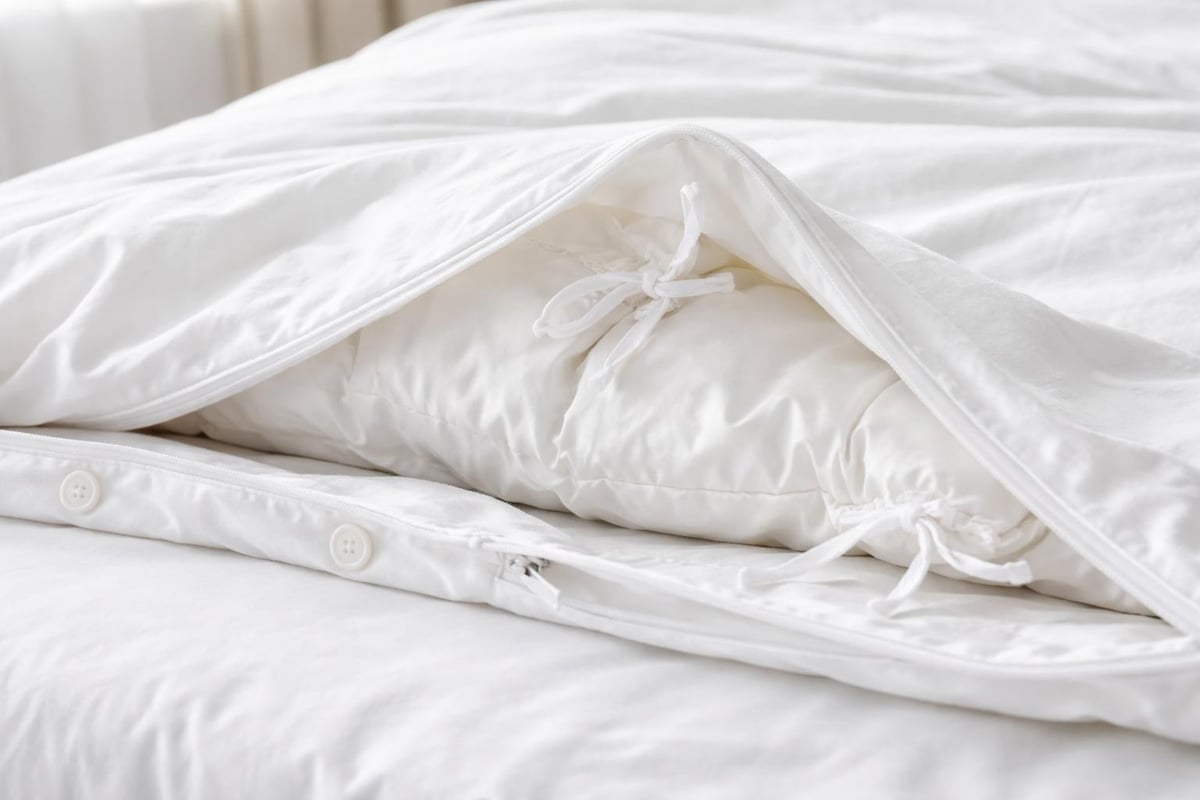
A duvet cover is essentially a large, protective fabric case designed to encase your duvet insert (the fluffy, warm filling layer). Think of it as a giant pillowcase for your duvet. The Sleep Foundation explains that duvet covers serve both functional and decorative purposes, protecting your duvet whilst allowing you to change your bedroom's look without replacing the entire bedding set.
Key features of duvet covers include:
- An opening on one end (usually the bottom or side) with buttons, zips, or ties
- Dimensions that match standard duvet sizes (single, double, king, super king)
- Two layers of fabric sewn together on three sides
- Corner ties or loops to secure the duvet insert inside
The beauty of a duvet cover lies in its versatility. Unlike a traditional bedspread or comforter, which are single pieces that sit on top of your bed, a duvet cover works as a changeable shell. You slip it over your duvet insert, fasten the closure, and voilà-you've got a complete bed covering that's easy to wash and swap out whenever you fancy a new look.
How duvet covers differ from other bedding
When you're asking "duvet cover what is" in relation to other bedding options, it helps to understand the distinctions. Many people confuse duvet covers with comforters, bedspreads, or quilts, but they're quite different products.
| Bedding Type | Structure | Washability | Versatility |
|---|---|---|---|
| Duvet Cover | Two-layer removable cover | Easy-just the cover | High-change designs frequently |
| Comforter | Single quilted piece with filling | Difficult-entire piece | Low-stuck with one design |
| Bedspread | Decorative top layer, often lightweight | Moderate | Moderate |
| Quilt | Stitched layers with thin filling | Moderate to difficult | Low to moderate |
The difference between duvets and comforters is significant for practical home management. Comforters are all-in-one pieces where the outer fabric and filling are sewn together permanently. This makes them bulkier to wash and harder to store. Duvet covers, conversely, let you wash just the outer fabric whilst keeping your duvet insert fresh for much longer.
The practical advantages
From a budget perspective, duvet covers are brilliant. Rather than buying multiple comforters to refresh your bedroom style, you can invest in one quality duvet insert and several affordable covers. Happy Home Shop's plain duvet cover sets offer exactly this flexibility, allowing you to switch between colours and patterns without breaking the bank.
The washing situation is another game-changer. Most duvet covers fit comfortably in a standard washing machine, whilst many comforters require professional cleaning or oversized machines. For busy households, this convenience factor alone makes duvet covers worth considering.
Materials that make all the difference
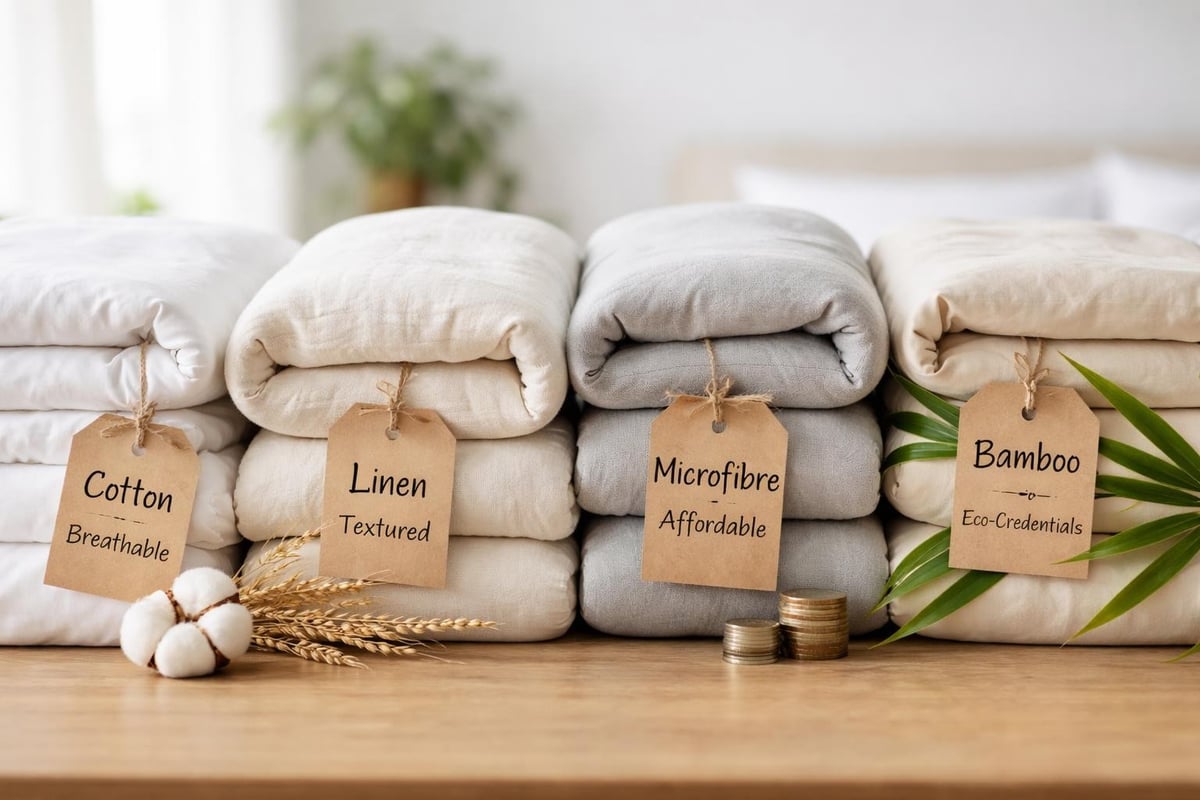
Understanding duvet cover what is means exploring the fabrics available. The material you choose affects everything from comfort to durability to care requirements. In 2026, the variety of duvet cover materials is more extensive than ever.
Popular duvet cover materials:
- Cotton - Breathable, soft, and gets better with washing
- Linen - Naturally temperature-regulating and beautifully textured
- Microfibre - Budget-friendly, wrinkle-resistant, and quick-drying
- Egyptian cotton - Luxuriously soft with long-lasting fibres
- Bamboo - Eco-friendly, hypoallergenic, and moisture-wicking
- Polyester blends - Affordable and easy-care
According to bedding experts discussing duvet cover materials, cotton remains the most popular choice for British homes. It strikes the perfect balance between comfort, affordability, and practicality. If you're concerned about allergic reactions to bed sheets, natural materials like cotton and bamboo are typically gentler on sensitive skin.
Thread count and quality indicators
Thread count refers to the number of threads woven into one square inch of fabric. Generally, higher thread counts (200-800) indicate softer, more durable fabric, though extremely high counts can sometimes sacrifice breathability. For everyday use, a thread count between 200-400 offers excellent comfort without excessive cost.
Choosing the right size and fit
Getting the duvet cover what is question sorted includes understanding sizing. A poorly fitted duvet cover bunches up, leaves corners empty, or doesn't close properly-all frustrating bedroom problems you'll want to avoid.
Standard UK duvet cover sizes:
- Single: 135 x 200 cm
- Double: 200 x 200 cm
- King: 230 x 220 cm
- Super King: 260 x 220 cm
Always measure your duvet insert before purchasing a cover. The cover should be the same size or very slightly larger (within 5-10 cm) than your duvet. Too much extra space causes the duvet to shift and bunch inside the cover, creating uncomfortable lumps. Too tight, and you'll struggle to get the duvet inside.
Closure types explained
The opening mechanism on your duvet cover matters more than you might think. Different closures suit different preferences and patience levels:
- Button closures: Classic and secure, though can be time-consuming to fasten
- Zip closures: Quick and easy, but zips can occasionally catch or break
- Tie closures: Traditional and reliable, popular in vintage-style bedding
- Envelope closures: No fastenings needed-fabric overlaps to keep duvet secure
Many shoppers prefer zip closures for their speed and security, whilst others swear by buttons for their durability. There's no wrong choice-just personal preference.
Design possibilities and bedroom styling
One of the most exciting aspects when you understand duvet cover what is involves the sheer variety of designs available. Your duvet cover becomes a focal point in your bedroom, setting the tone for your entire space.
Popular design categories in 2026:
- Minimalist plains and neutrals
- Bold geometric patterns
- Classic checks and stripes
- Romantic florals
- Playful character designs
- Luxe hotel-style whites
Happy Home Shop offers an impressive range across these categories. Their geometric collection brings modern flair to bedrooms, whilst the floral bedding range offers something for those who prefer softer, more traditional aesthetics. For children's rooms, the character bedding selection makes bedtime more exciting.
Seasonal switching made simple
Duvet covers make seasonal bedroom updates effortless. You can swap from crisp, cool cotton in summer to cosy teddy fleece in winter without replacing your entire bedding setup. Happy Home Shop's seasonal bedding collection showcases how easy it is to refresh your space throughout the year.
The reversible duvet cover sets are particularly clever-offering two looks in one purchase. Simply flip your duvet cover when you fancy a change, and your bedroom has a whole new personality.
Care and maintenance essentials
Understanding duvet cover what is also means knowing how to keep it looking lovely. Proper care extends the life of your duvet cover significantly, protecting your investment and keeping your bedroom fresh.
| Fabric Type | Washing Temperature | Drying Method | Ironing Needed |
|---|---|---|---|
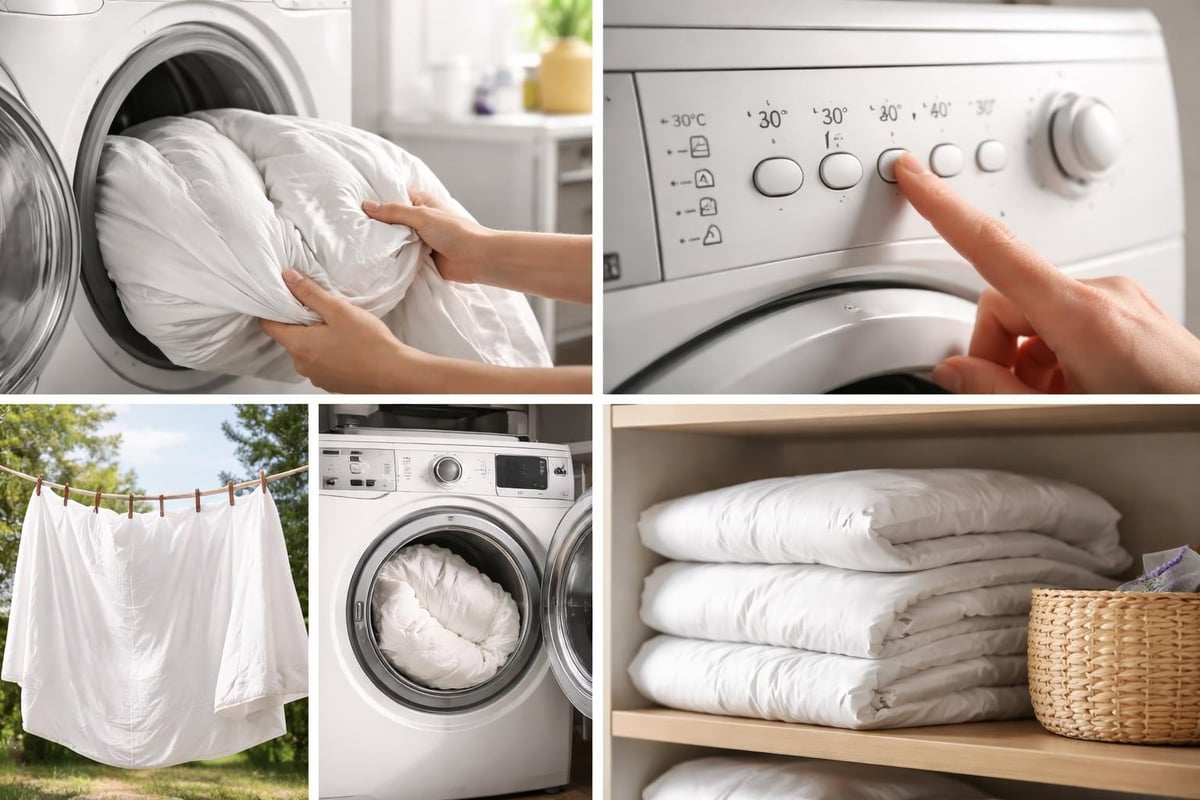
| Cotton | 40-60°C | Tumble or line dry | Sometimes |
| Linen | 30-40°C | Line dry preferred | Rarely (natural texture) |
| Microfibre | 30-40°C | Tumble low heat | Rarely |
| Polyester blend | 30-40°C | Tumble low heat | Rarely |
Top care tips:
- Wash duvet covers inside-out to protect colours and patterns
- Avoid overloading your washing machine-give covers room to move
- Fasten closures before washing to prevent snagging
- Remove promptly from the dryer to minimise wrinkles
- Store clean, dry covers in breathable bags or on shelves
For particularly stubborn marks, the techniques used for removing tough stains from towels often work equally well on duvet covers. Pre-treating stains before washing gives you the best results.
Budget-friendly bedding solutions
When considering duvet cover what is in terms of value, these bedding essentials offer remarkable bang for your buck. Rather than investing hundreds in multiple complete bedding sets, you can create variety with affordable duvet covers.
Money-saving strategies:
- Buy one high-quality duvet insert and multiple covers
- Choose easy-care fabrics like microfibre to reduce ironing time and costs
- Look for bundle and save offers that include pillowcases
- Opt for reversible designs to double your styling options
- Select neutral duvet inserts that work with any cover colour
The microfibre duvet cover sets at Happy Home Shop represent excellent value, offering durability and easy care at accessible prices. These covers wash beautifully, dry quickly, and rarely need ironing-saving you time, energy, and money.
The environmental angle
Sustainability matters to modern shoppers. Duvet covers contribute to eco-friendly living by lasting longer than all-in-one bedding options. When you can wash just the cover rather than the entire duvet, you use less water and energy. Plus, swapping covers instead of replacing whole bedding sets reduces waste significantly.
The sustainable bedding collection showcases environmentally conscious options, whilst the BCI cotton bedding range uses Better Cotton Initiative certified materials that support more sustainable farming practices.
Special considerations for different needs
Different households have unique requirements when it comes to bedding. Understanding duvet cover what is for your specific situation helps you make the smartest choice.
For families with children
Kids can be tough on bedding. Spills, accidents, and general wear-and-tear are inevitable. Duvet covers shine in family homes because you can:
- Whip off and wash covers quickly when accidents happen
- Keep spare covers handy for immediate changes
- Choose darker colours or patterns that hide minor marks
- Select durable fabrics that withstand frequent washing
The kids duvet cover sets at Happy Home Shop feature fun designs children love, whilst the easy-care fabrics keep parents sane during busy weekday mornings.
For allergy sufferers
People with allergies or sensitivities benefit enormously from duvet covers. Regular washing removes dust mites, pollen, and other allergens that accumulate in bedding. Natural materials like cotton breathe better and harbour fewer irritants than synthetic alternatives.
Why cotton is the best choice for your duvet cover explores these benefits in detail, highlighting cotton's natural properties that suit sensitive skin.
For guest rooms
Guest bedrooms present unique challenges. You want them looking smart without constant upkeep. Duvet covers solve this beautifully:
- Store multiple covers to suit different seasons or guest preferences
- Choose wrinkle-resistant fabrics like microfibre or polyester blends
- Select neutral, hotel-inspired designs that suit any taste
- Keep covers fresh with occasional washing between visits
The hotel style duvet cover sets create that crisp, luxurious feel guests appreciate, transforming spare rooms into welcoming retreats.
Making the duvet insertion process easier
One common complaint about duvet covers involves the struggle of getting the duvet inside. Once you understand duvet cover what is and master the insertion technique, this task becomes far less frustrating.
The traditional method:
- Turn the duvet cover inside-out
- Reach inside and grab the two far corners
- Grab the corresponding corners of your duvet through the cover
- Hold firmly and shake everything right-side-out
- Arrange the duvet evenly inside
- Fasten the closure
The burrito method (easier for larger duvets):
- Lay the cover inside-out on your bed
- Place the duvet on top, aligning corners
- Roll everything together from the top
- Reach inside the open end and pull the cover over both ends of the roll
- Unroll the "burrito" and your duvet is perfectly covered
Corner ties inside your duvet cover make positioning much simpler. Match them to loops on your duvet insert, tie them together, and your duvet stays put inside the cover.
Mixing and matching for maximum impact
Advanced duvet cover what is knowledge includes understanding how to coordinate bedding elements. Your duvet cover doesn't exist in isolation-it works alongside pillowcases, sheets, and bedroom décor.
Coordination tips:
- Match pillow cases to your duvet cover for a cohesive look
- Choose sheet colours that complement or contrast intentionally
- Layer textures for visual interest (smooth cotton with waffle throws, for example)
- Consider the room's overall colour palette
- Don't be afraid to mix patterns if they share a colour family
The checks and stripes collection pairs beautifully with plain pillowcases in coordinating colours, whilst the patterned duvet covers range offers endless mixing possibilities for creative homemakers.
Creating different moods
Your choice of duvet cover dramatically affects your bedroom's atmosphere:
- Calm and restful: Soft neutrals, blues, and greens in plain or subtle patterns
- Energizing and bold: Bright colours, geometric designs, strong contrasts
- Romantic and cosy: Florals, pastels, vintage-inspired patterns
- Modern and minimalist: Crisp whites, greys, clean lines
- Playful and fun: Character designs, quirky patterns, cheerful colours
The versatility of duvet covers means you can change moods seasonally or whenever inspiration strikes, without major expense or effort.
Now that you thoroughly understand duvet cover what is, you're equipped to make confident bedding choices that suit your lifestyle, budget, and style preferences. Whether you're drawn to crisp hotel whites, cosy seasonal patterns, or vibrant geometric designs, duvet covers offer the perfect combination of practicality and personality for your bedroom. Ready to transform your sleeping space? Explore the extensive collection at Happy Home Shop, where affordable quality meets beautiful design, making it easier than ever to create the bedroom of your dreams without stretching your budget.