There's something utterly transformative about slipping into a beautifully made bed at the end of a long day. Your choice of bed linen plays a bigger role in that feeling than you might think. Beyond aesthetics, the right sheets, pillowcases, and duvet covers can dramatically affect your sleep quality, bedroom atmosphere, and even your morning mood. With the bed linen market expanding significantly in 2026, there's never been a better time to understand what makes quality bedding truly worthwhile. Whether you're furnishing your first home or giving your bedroom a fresh update, knowing the essentials about bed linen will help you make choices that look gorgeous, feel amazing, and fit your budget.
Understanding bed linen basics
Bed linen encompasses all the fabric pieces that dress your bed, creating both comfort and visual appeal. The term includes fitted sheets, flat sheets, pillowcases, duvet covers, and sometimes decorative elements like valances or pillow shams.
Think of bed linen as the foundation of your bedroom's entire aesthetic. When you choose pieces that work together, you're creating a cohesive look that can make even the simplest bedroom feel like a boutique hotel room.
What counts as bed linen?
The core components include:
- Fitted sheets that wrap snugly around your mattress
- Flat sheets (also called top sheets) that sit between you and your duvet
- Pillowcases in standard, king, or European sizes
- Duvet covers that protect and style your duvet insert
- Oxford pillowcases featuring decorative borders
Some people also include mattress protectors and pillow protectors under the bed linen umbrella, though these are technically protective layers rather than decorative elements.
Choosing the right materials for your needs
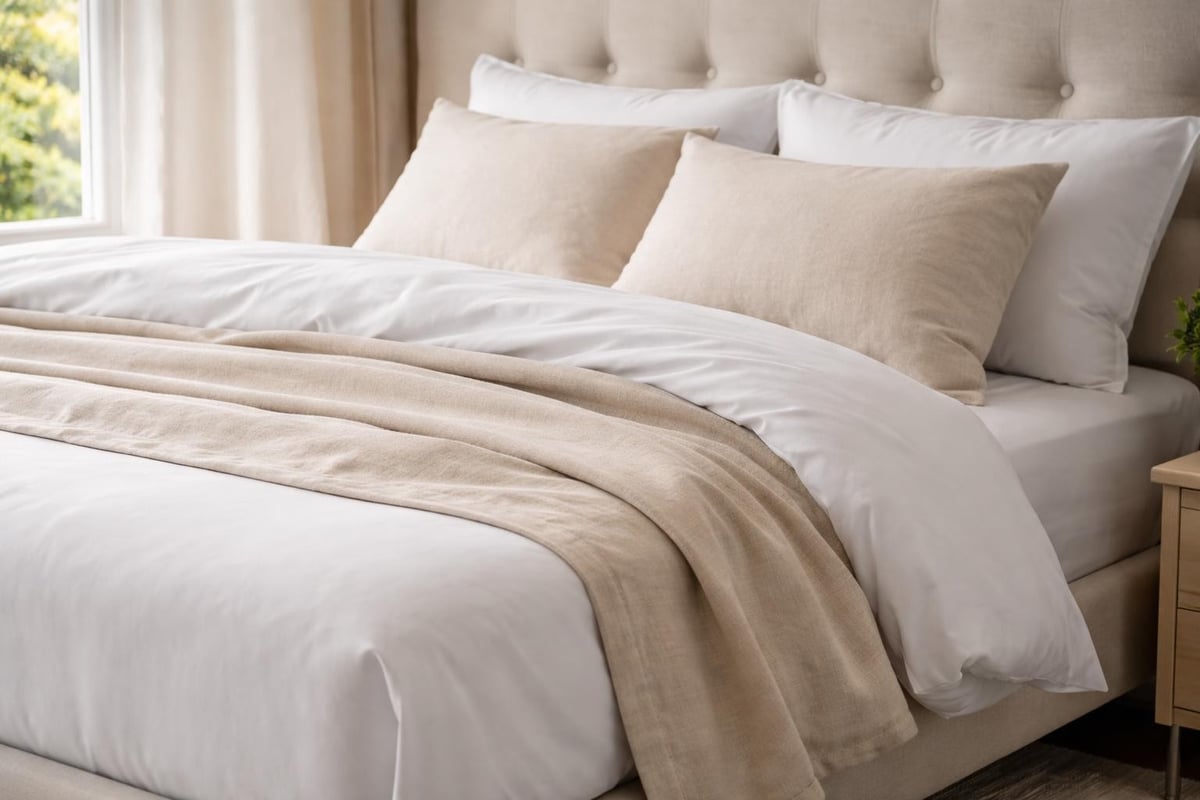
The fabric you choose for your bed linen dramatically affects how it feels, how long it lasts, and how much care it requires. Each material brings its own personality to your bedroom.
Cotton remains the gold standard for most households, and for excellent reasons. It's breathable, durable, and becomes softer with every wash. Cotton's natural properties make it ideal for duvet covers and can help minimize irritation for sensitive sleepers.
Material comparison guide
| Material | Best For | Care Level | Price Point |
|---|---|---|---|
| Cotton | Year-round comfort | Easy | Budget to mid |
| Egyptian cotton | Luxury feel | Moderate | Mid to high |
| Linen | Summer cooling | High | Mid to high |
| Microfiber | Affordability | Very easy | Budget |
| Bamboo | Eco-conscious buyers | Moderate | Mid |
Linen fabric (which confusingly shares a name with "bed linen" but refers to a specific flax-based material) offers exceptional breathability and a relaxed, lived-in aesthetic. It's brilliant for warm sleepers but does require embracing a more rumpled look.
Microfiber presents an affordable alternative that resists wrinkles beautifully. Whilst it won't have the same breathability as natural fibres, it's perfect for guest rooms or student accommodation where easy care trumps everything else.
Decoding thread count myths
Walk into any bedding department and you'll see thread counts plastered everywhere, often marketed as the ultimate quality indicator. The reality? It's more nuanced than a simple number game.
Thread count refers to the number of threads woven into one square inch of fabric, counting both vertical (warp) and horizontal (weft) threads. Industry experts from the Association for Linen Management suggest that whilst thread count matters, it's not the only factor determining quality.
The sweet spot for thread counts
- 200-400 thread count: Perfectly adequate for everyday use, breathable and durable
- 400-600 thread count: The comfort zone where quality and value intersect beautifully
- 600-800 thread count: Premium feel without excessive cost
- 800+ thread count: Diminishing returns; often achieved through multi-ply threads rather than genuine quality
Some manufacturers game the system by using multi-ply threads (twisting multiple thin threads together) to inflate thread counts artificially. A 600-thread-count sheet with quality single-ply cotton often feels better than a 1200-thread-count sheet made with double-ply yarns.
Focus instead on how the fabric feels, its weight, and the reputation of the weave type. A well-made 400-thread-count percale can outperform a dodgy 800-thread-count sateen any day of the week.
Weave types and their unique characteristics
The way threads are woven together creates distinctly different textures and performance characteristics. Understanding weave types helps you choose bed linen that matches your preferences.
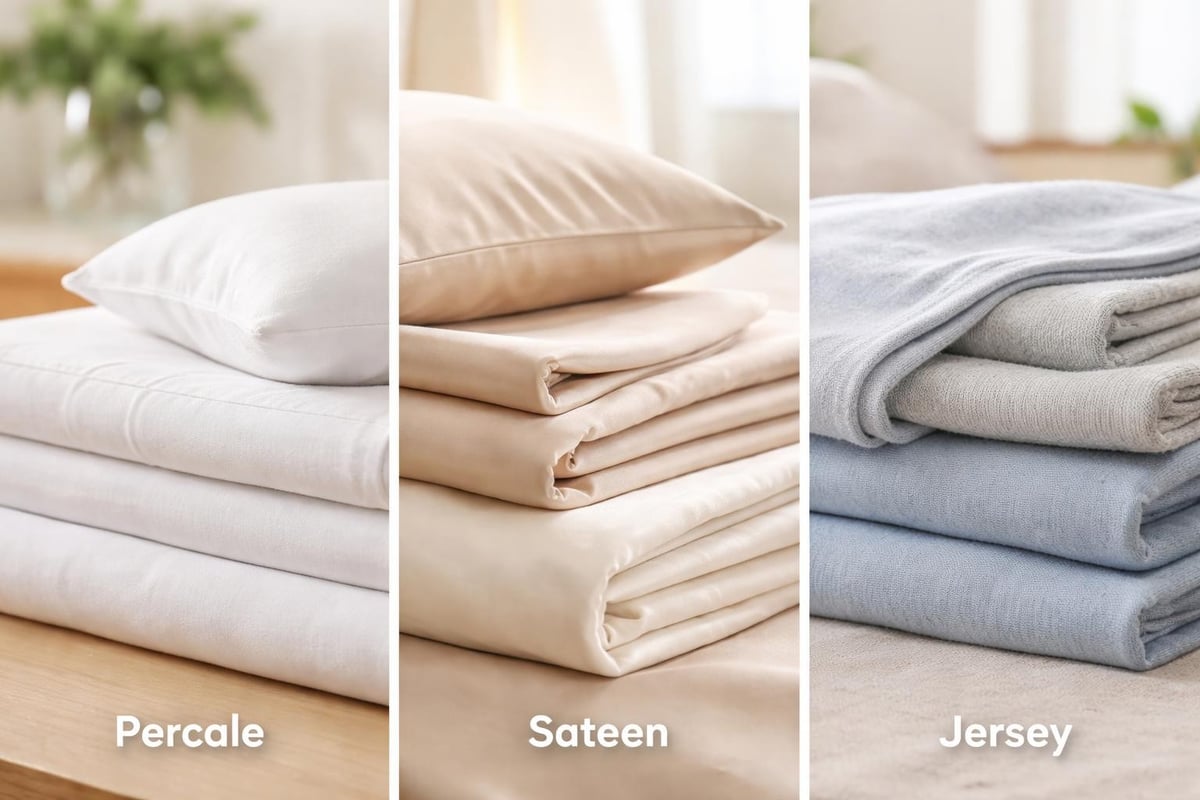
Percale weaves feature a simple one-over, one-under pattern creating a matte finish and crisp, cool feeling. They're perfect for warm sleepers and anyone who loves that fresh-hotel-sheet sensation. Percale gets softer with washing whilst maintaining its structured feel.
Sateen weaves use a four-over, one-under pattern that creates a subtle sheen and buttery-smooth surface. These drape beautifully and feel luxuriously silky, though they can trap more heat than percale.
Jersey knits feel like your favourite t-shirt, offering cozy stretch and a casual vibe. They're wonderfully low-maintenance and never need ironing, making them brilliant for busy households.
Sizing your bed linen correctly
Nothing's more frustrating than fitted sheets that pop off corners at 3am or duvet covers that bunch up inside their covers. Getting the sizing right makes all the difference between comfortable sleep and nightly battles with wayward bedding.
UK bed sizes follow standard measurements, but mattress depths have increased over recent years. Modern mattresses often measure 30cm deep or more, particularly memory foam and pillow-top varieties. Proper duvet cover sizing prevents lumpy bedding and ensures everything sits smoothly.
Standard UK bed linen dimensions
- Single: 90cm x 190cm (mattress), 135cm x 200cm (duvet)
- Double: 135cm x 190cm (mattress), 200cm x 200cm (duvet)
- King: 150cm x 200cm (mattress), 225cm x 220cm (duvet)
- Super King: 180cm x 200cm (mattress), 260cm x 220cm (duvet)
Always measure your mattress depth before buying fitted sheets. Most standard sheets accommodate up to 30cm depth, but if your mattress is deeper, look for "deep fitted" or "extra deep" options that go up to 40cm.
Seasonal bed linen strategies
Savvy homemakers know that switching bed linen seasonally isn't just about aesthetics (though fresh spring florals or cozy winter textures certainly lift the mood). Different seasons demand different fabric weights and breathability levels.
Summer bed linen should prioritize cooling and moisture-wicking. Lightweight cotton percale, linen, or bamboo fabrics help regulate temperature during warm nights. Lighter colours also reflect rather than absorb heat, keeping things fresher.
During winter months, sateen weaves, brushed cotton (also called flannelette), or jersey knits create cozy warmth. These denser weaves trap body heat more effectively whilst still allowing some breathability.
Spring and autumn transition periods work beautifully with medium-weight cotton in any weave. This is when you can really have fun with patterns and colours without worrying too much about technical performance.
Caring for your bed linen investment
Proper care extends the life of your bed linen significantly whilst keeping it looking and feeling wonderful. The good news? Most bed linen is remarkably forgiving and doesn't require fussy maintenance routines.
Washing and drying sheets properly involves a few simple rules that make a massive difference. Always wash new bed linen before first use to remove manufacturing residues and maximize softness.
Essential care guidelines
Washing frequency matters: Changing bed sheets every one to two weeks keeps them fresh and hygienic. During hot weather or if you're unwell, weekly changes make sense.
Temperature control: Wash cotton bed linen at 40-60°C for thorough cleaning without excessive wear. White bedding benefits from occasional hotter washes to maintain brightness.
Drying options: Line drying is gentlest and leaves sheets smelling amazing, but tumble drying on medium heat works perfectly fine for most materials. Remove items whilst slightly damp to minimize creasing.
Storage wisdom: Properly storing bedding between uses in a cool, dry location preserves quality. Avoid plastic bags which trap moisture; opt for breathable fabric storage bags or pillowcases instead.
Addressing allergies and sensitivities
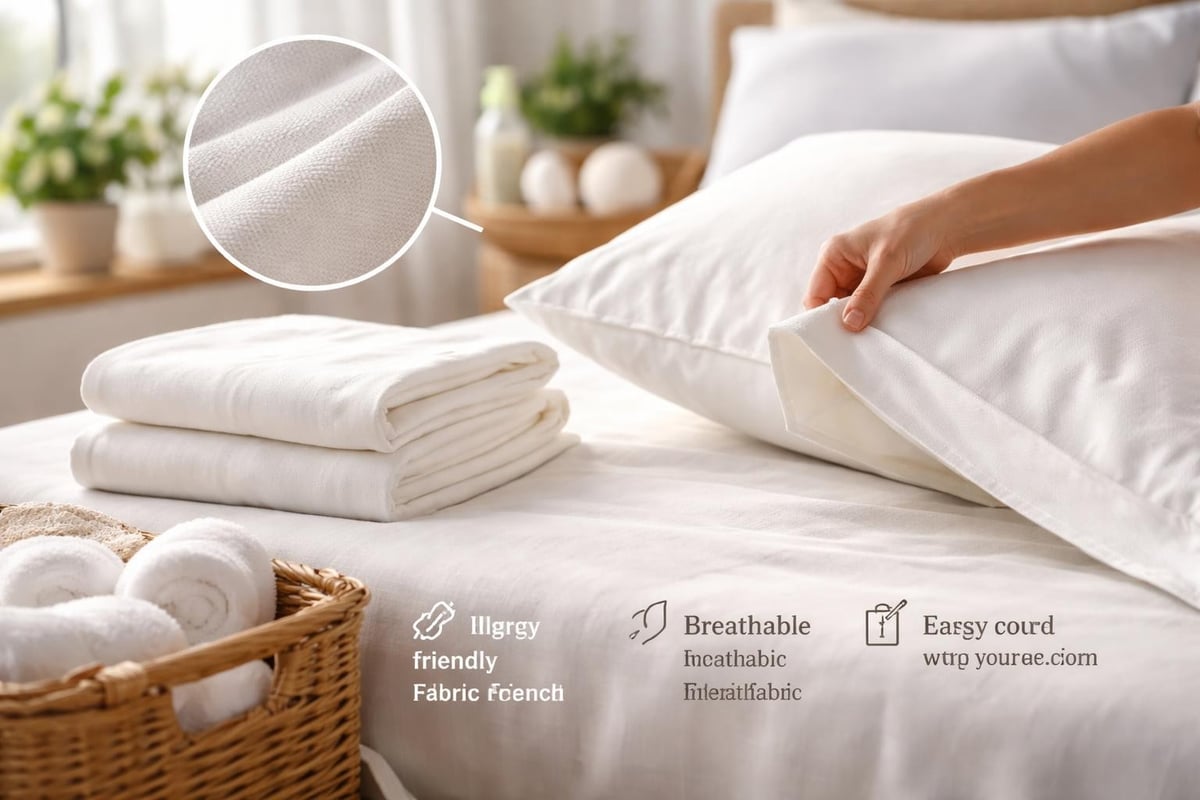
For many people, bed linen choice isn't just about comfort and style. It's about managing allergies, skin sensitivities, or respiratory issues that can seriously disrupt sleep quality.
Allergic reactions to bed sheets might stem from fabric dyes, finishing chemicals, or dust mites rather than the base material itself. Understanding the culprits helps you make informed choices.
Hypoallergenic options include:
- Tightly woven cotton that prevents dust mite penetration
- Bamboo fabrics with natural antimicrobial properties
- Chemical-free, naturally dyed bed linen
- Washable materials that can withstand frequent hot washes
Research shows that linen quality significantly impacts comfort, particularly for those with sensitivities. Investing in better-quality, naturally processed fabrics often proves worthwhile for allergy sufferers.
Wash new bed linen two or three times before use to remove any residual processing chemicals. This simple step can dramatically reduce skin reactions for sensitive individuals.
Sustainable and eco-friendly choices
The environmental impact of textile production has become impossible to ignore, and bed linen represents a significant part of household textile consumption. Making thoughtful choices benefits both the planet and often your sleep quality too.
Sustainable practices in hospitality demonstrate that eco-friendly bed linens can maintain high quality whilst reducing environmental footprints. These principles translate beautifully to home use.
Eco-conscious bed linen options:
- Organic cotton grown without pesticides or synthetic fertilizers
- Linen fabric from flax, which requires minimal water and pesticides
- Bamboo fabric (though check processing methods, as some use harsh chemicals)
- Recycled cotton blends giving new life to textile waste
- Locally produced options reducing transportation emissions
Buying quality bed linen that lasts for years proves more sustainable than repeatedly replacing cheap sets that wear out quickly. A well-made cotton sheet set can easily last 5-10 years with proper care, making it both economically and environmentally sensible.
Budget-friendly bed linen shopping strategies
Creating a beautiful bedroom doesn't require spending a fortune on designer bed linen. Strategic shopping and smart prioritization let you achieve that magazine-worthy look whilst keeping pounds in your pocket.
Mix and match thoughtfully: You don't need matching sets for everything. Pair affordable fitted sheets in neutral colours with a statement duvet cover that captures your style. Add contrasting pillowcases for visual interest without spending a fortune on complete matching sets.
Quality where it counts: Invest more in pieces that directly contact your skin (fitted sheets, pillowcases) and save on decorative elements like throw pillows or bed skirts. Your face and body will appreciate quality fabric more than anyone notices coordinating accessories.
Seasonal sales timing: January white sales and end-of-season clearances offer brilliant opportunities. Stock up on summer bed linen in September or winter warmth in March when retailers clear inventory.
| Shopping Strategy | Savings Potential | Best For |
|---|---|---|
| Bundle deals | 20-30% | Complete bedroom refresh |
| Sale season shopping | 30-50% | Stocking up on basics |
| Mix and match | 15-25% | Personalized style |
| Off-season purchases | 40-60% | Planning ahead |
Happy Home Shop's bedding bundles let you save whilst getting everything you need in one go. Bundling fitted sheets, duvet covers, and pillowcases typically costs less than buying pieces separately.
Styling your bedroom with bed linen
Bed linen serves as the foundation for your entire bedroom aesthetic, setting the mood and tying together your design scheme. Even small changes create dramatic visual impact without requiring a complete room makeover.
Colour psychology matters: Soft blues and greens promote relaxation and calm, perfect for restful sleep environments. Warm neutrals create cozy, inviting spaces whilst bold colours inject energy and personality. How bedding colours affect mood is worth considering when selecting new sets.
Pattern mixing works: Choosing between colorful and minimal duvet covers depends on your personal style, but don't be afraid to layer patterns. Pair a bold floral duvet cover with subtle striped pillowcases, or mix geometric prints in complementary colours.
Texture layering adds depth: Combine smooth sateen with crisp percale, or add a chunky knit throw over linen sheets. These textural contrasts create visual interest even in monochromatic colour schemes.
Bed linen trends for 2026
This year's bed linen trends reflect broader movements toward comfort, sustainability, and personal expression in home design. Knowing what's current helps you make choices that feel fresh whilst remaining timeless enough to enjoy for years.
Earthy, grounded tones dominate 2026 palettes, with terracotta, sage green, warm taupe, and clay pink replacing the cooler greys that dominated recent years. These colours create warmth and connection to nature whilst remaining wonderfully versatile.
Textural interest takes centre stage, with waffle weaves, stonewashed finishes, and artisanal-feeling fabrics gaining popularity. Even affordable bed linen now incorporates these tactile elements that add character and depth.
Maximalist patterns are making a comeback, particularly bold florals and abstract prints that make beds the bedroom's focal point. This trend works brilliantly if you're working with otherwise neutral furniture and walls.
Sustainable credentials continue growing in importance, with consumers actively seeking organic, recycled, and ethically produced options. Transparency about manufacturing processes and material sourcing influences purchasing decisions more than ever.
The hotel-quality bed experience at home
That luxurious hotel bed feeling isn't reserved for expensive getaways. Understanding what hotels do differently helps you recreate that crisp, cloud-like comfort in your own bedroom.
Layering is everything: Hotels typically use fitted sheets, flat sheets, blankets or duvets, and then decorative layers. This creates adjustable warmth and that smooth, tucked-in appearance.
Multiple pillows matter: Hotels provide various pillow types and firmnesses. Recreate this by offering soft, medium, and firm options so everyone finds their perfect support.
Fresh white bed linen creates that instantly clean, premium feeling. White shows hotels are washing bedding properly and creates a blank canvas that works with any decor. At home, white bed linen offers this same versatile elegance.
Regular refreshing: Hotels change bed linen after every guest, ensuring absolute freshness. At home, maintaining a regular washing schedule and having multiple sets to rotate keeps things feeling perpetually fresh.
Crisp presentation: The final touch involves proper making techniques. Hospital corners on flat sheets, evenly positioned duvet covers, and plumped pillows create that magazine-ready appearance.
Common bed linen mistakes to avoid
Even experienced homemakers sometimes fall into bed linen traps that reduce comfort, shorten bedding lifespan, or create unnecessary frustration. Avoiding these common pitfalls saves money and improves your sleep experience.
Washing too frequently: Whilst cleanliness matters, overwashing wears out fibres unnecessarily. Unless dealing with spills or illness, weekly to fortnightly changes suffice for most households.
Using too much detergent: Excess soap builds up in fibres, making bed linen feel stiff and reducing absorbency. Use half the recommended amount for excellent results without residue.
Ignoring care labels: Those little tags contain valuable information. Washing linen bed linen at high temperatures or tumble-drying silk pillowcases can cause irreversible damage.
Storing while damp: Even slightly damp bed linen develops musty odors and potential mildew. Ensure everything is completely dry before folding and storing.
Buying the wrong size: Measure your mattress depth and duvet dimensions before purchasing. Too-small fitted sheets frustrate nightly, whilst oversized duvet covers bunch and bunch inside their covers.
Neglecting rotation: Using the same set constantly while others sit in the linen cupboard wears that favorite set out much faster. Rotating between 2-3 sets extends everyone's lifespan significantly.
Building your bed linen collection
Rather than rushing out to buy everything at once, building a thoughtful bed linen collection over time lets you invest in quality whilst spreading costs and refining your style preferences.
Starter essentials for any bedroom
- Two fitted sheets for rotation whilst one washes
- One quality duvet cover in a versatile colour
- Four pillowcases (two in use, two as backup)
- Optional: one flat sheet if you prefer layered bedding
From this foundation, gradually add:
- A second duvet cover in a complementary or contrasting style
- Seasonal options (lightweight for summer, warming for winter)
- Decorative pillowcases or shams for styling
- Extra sets for guest rooms
Investment timeline suggestions:
- Month 1: Core basics in neutral, versatile colours
- Month 3: Second set in your favorite colour or pattern
- Month 6: Seasonal variation (summer or winter weight)
- Month 9: Decorative upgrades and finishing touches
This gradual approach lets you test what you truly love, adjust your style as preferences evolve, and invest in quality without overwhelming your budget all at once.
Understanding bed linen fundamentals transforms how you approach bedroom comfort and style, helping you make informed choices that suit your needs, preferences, and budget beautifully. Whether you're drawn to crisp percale, silky sateen, or cozy jersey knits, the right bed linen creates that perfect sleep sanctuary you deserve. Happy Home Shop offers an extensive range of affordable, high-quality bed linen in gorgeous designs and colours, with regular discounts and convenient delivery making it easy to refresh your bedroom without breaking the bank. Start building your dream bedding collection today and experience the difference quality bed linen makes to your daily comfort and nightly rest.