

Finding the perfect bed linen for single bed might seem straightforward, but there's actually quite a bit to consider when you're kitting out a smaller sleeping space. Whether you're creating a cosy bedroom for a child, setting up a student flat, or simply furnishing a guest room, the right bedding can transform both comfort and style. Single beds deserve just as much attention as their larger counterparts, and with the right knowledge, you can create a beautiful, inviting sleep sanctuary without breaking the bank.
Understanding single bed dimensions and fit
Before you start shopping, it's worth getting familiar with standard UK single bed measurements. A typical single mattress measures 90cm wide by 190cm long, though some antique or specialist beds may vary slightly.
Your fitted sheet needs to accommodate not just the surface area but also the mattress depth. Most modern mattresses range from 20cm to 30cm deep, so always check the pocket depth on fitted sheets. Nothing's more frustrating than wrestling with a sheet that pings off the corners every night!
Key measurements to remember:
- Standard single mattress: 90cm x 190cm
- Small single (less common): 75cm x 190cm
- Fitted sheet pocket depth: typically 25cm to 40cm
- Flat sheet: usually 180cm x 260cm
- Duvet size for single bed: 135cm x 200cm
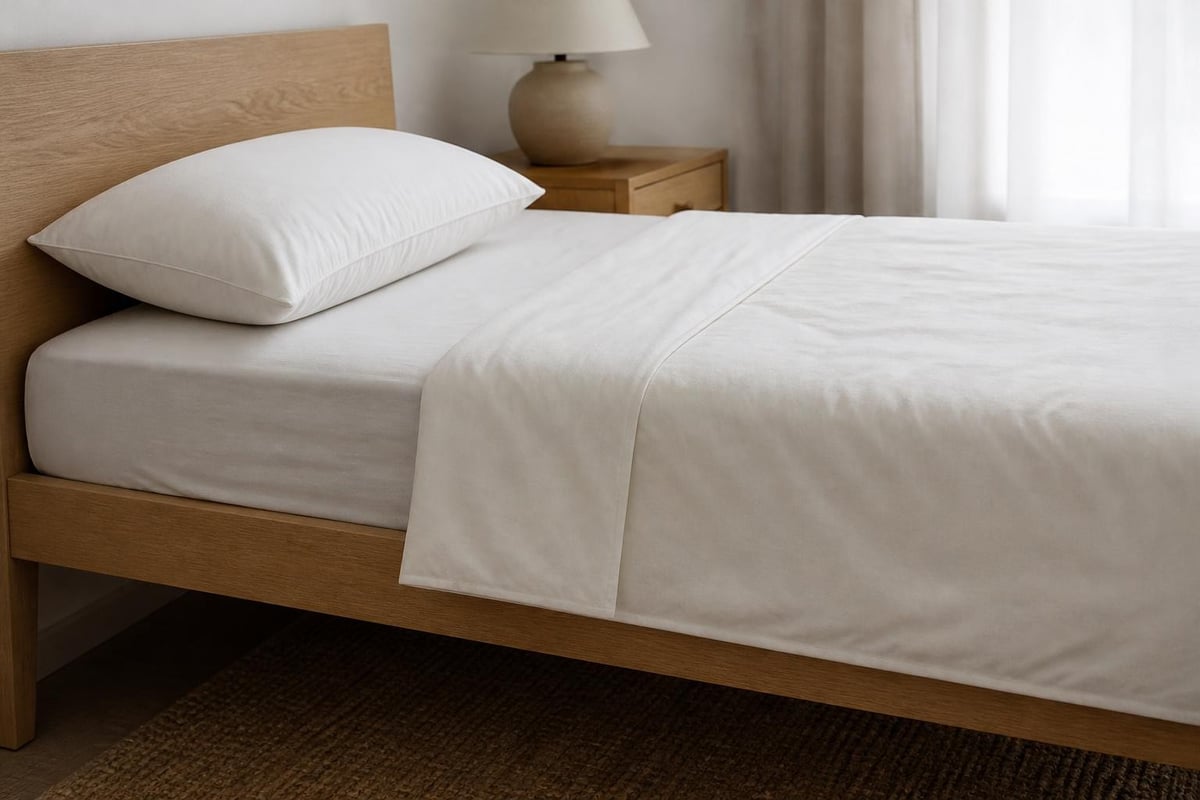
Material matters for single bed comfort
The fabric you choose for your bed linen for single bed dramatically affects how well you sleep. Different materials offer distinct benefits, and understanding these differences helps you make smarter choices for your specific needs.
Cotton varieties explained
Cotton remains the most popular choice for good reason. It's breathable, durable, and becomes softer with each wash. Egyptian and Pima cotton are considered premium options, with longer fibres that create smoother, stronger fabrics. However, standard cotton offers excellent value and comfort for everyday use.
Polycotton blends (typically 50/50 or 65/35 cotton-polyester) cost less and resist wrinkles beautifully. They're brilliant for children's beds or guest rooms where easy care matters most.
Natural alternatives worth considering
Linen fabric creates wonderfully crisp, breathable bedding that regulates temperature brilliantly. It softens beautifully over time and actually gets better with age. Bamboo-derived fabrics offer silky smoothness and natural moisture-wicking properties, though they typically cost more than standard cotton.
If you're seeking certified organic options, look for GOTS labelling to ensure genuine organic credentials from field to finished product.
| Material | Breathability | Durability | Care Ease | Price Point |
|---|---|---|---|---|
| 100% Cotton | Excellent | Very Good | Easy | Mid-range |
| Egyptian Cotton | Excellent | Excellent | Easy | Premium |
| Polycotton | Good | Excellent | Very Easy | Budget |
| Linen | Outstanding | Excellent | Moderate | Premium |
| Bamboo | Excellent | Good | Moderate | Mid-Premium |
Colour and pattern choices for smaller spaces
Single beds often live in more compact rooms, so your bedding choices can significantly impact how spacious the room feels. Lighter colours naturally make spaces feel larger and airier, whilst darker tones create cosy, cocoon-like atmospheres.
Top tips for colour selection:
- Match your sheets to wall tones for a cohesive, calming look
- Use pattern strategically on duvet covers whilst keeping fitted sheets neutral
- Consider seasonal rotations with lighter tones for summer and richer hues for winter
- Don't be afraid of bold patterns in children's rooms where fun matters more than sophistication
The Hudson complete set demonstrates how coordinated designs can elevate a single bed setup with minimal fuss. Complete sets take the guesswork out of matching and often represent excellent value.
Thread count decoded
You've probably heard that higher thread counts equal better quality, but it's not quite that simple. Thread count refers to the number of threads woven into one square inch of fabric, counting both vertical (warp) and horizontal (weft) threads.
Whilst thread count matters, it's not the only quality indicator. Marketing claims above 600 thread count often involve creative counting methods. Consumer testing shows that sheets between 200-400 thread count often perform just as well as higher counts when the cotton quality is good.
Sweet spot ranges:
- 200-300: Crisp, breathable, budget-friendly
- 300-400: Smooth, durable, excellent value
- 400-600: Luxuriously soft, long-lasting
- 600+: Diminishing returns unless premium long-staple cotton
Focus on fibre quality and weave type alongside thread count for the best bed linen for single bed purchases.
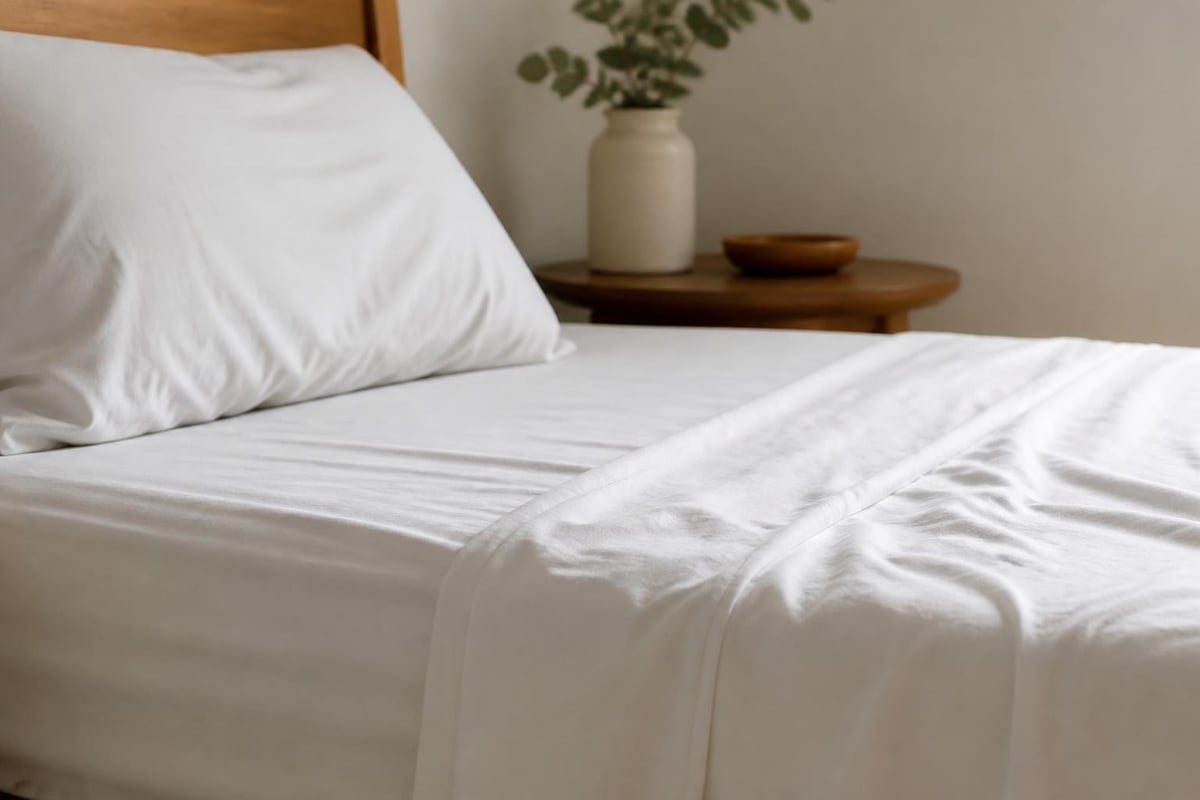
Seasonal bedding strategies
Smart shoppers know that rotating bed linen for single bed according to seasons dramatically improves sleep quality. Your body temperature drops naturally during sleep, and the right bedding helps maintain ideal sleeping conditions throughout the night.
Summer sleeping solutions
Lightweight cotton or linen keeps you cool during warmer months. Percale weaves (crisp, matte finish) offer excellent breathability compared to sateen weaves. Consider keeping a lighter tog duvet specifically for summer use.
Winter warmth without weight
Flannel or brushed cotton fitted sheets add warmth without bulk. Pair these with your regular duvet or explore our warm bedding sets for coordinated winter comfort. Layering allows you to adjust as needed throughout the night.
Allergy-friendly bedding considerations
For those managing allergies or asthma, choosing the right bed linen becomes even more important. Dust mites thrive in warm, humid environments, so bedroom hygiene and proper laundering make a significant difference.
Allergy-reducing choices:
- Tightly woven fabrics with higher thread counts reduce dust mite penetration
- Hot washing capability (60°C minimum) to kill allergens
- Quick-drying materials to prevent moisture buildup
- Hypoallergenic certifications like OEKO-TEX STANDARD 100 ensure no harmful chemicals
- Regular rotation between multiple sets allows thorough airing
A quality mattress protector provides an additional barrier against allergens whilst protecting your investment.
Practical care and maintenance
Proper care extends the life of your bed linen for single bed considerably, and it's simpler than you might think. Regular washing schedules combined with appropriate techniques keep bedding fresh, comfortable, and hygienic.
Washing frequency guidelines
- Fitted and flat sheets: weekly in warm weather, fortnightly in cooler months
- Duvet covers: fortnightly to monthly depending on use
- Pillowcases: twice weekly or more for skin health
- Duvets themselves: two to three times yearly
Best washing practices
Wash bed linen separately from other laundry to prevent pilling and snagging. Turn items inside out to protect colours and prints. Use gentle detergents without optical brighteners, which can irritate sensitive skin and damage fibres over time.
Temperature guide:
- Cotton: 40°C to 60°C (60°C for allergy management)
- Polycotton: 40°C
- Linen: 40°C (can handle higher but may soften faster at lower temps)
- Bamboo: 30°C to 40°C maximum
Avoid overloading your machine. Bedding needs room to move freely for thorough cleaning and rinsing. Line drying preserves fabric integrity better than tumble drying, though low heat tumbling works fine for most materials.
Budget-friendly buying strategies
Creating a beautiful bedroom doesn't require spending a fortune. Strategic shopping and smart choices mean you can enjoy quality bed linen for single bed without overspending.
When to buy and how much to spend
Sales typically happen in January and summer months when retailers clear seasonal stock. However, shopping at Happy Home Shop means accessing regular discounts year-round on quality bedding essentials.
Recommended inventory:
- 2-3 fitted sheets for regular rotation
- 2-3 flat sheets (if you use them)
- 2-3 duvet covers for variety
- 4-6 pillowcases for frequent changes
Having multiple sets means less wear on individual pieces and flexibility to wash without urgency.
| Budget Level | Per Set Investment | What to Expect |
|---|---|---|
| Economy | £15-25 | Polycotton, basic designs, good durability |
| Mid-range | £25-45 | Quality cotton, better patterns, softer feel |
| Premium | £45-75+ | Long-staple cotton, luxury finish, superior longevity |
Complete bedding sets versus individual pieces
When furnishing a single bed, you'll need to decide between purchasing coordinated sets or mixing individual pieces. Each approach has distinct advantages depending on your situation and preferences.
Complete bedding sets offer convenience and coordination. You'll receive matched duvet covers, fitted sheets, and pillowcases in complementary designs. The Bali complete set exemplifies how these collections take the guesswork out of styling whilst often providing better value than buying pieces separately.
Buying individual pieces offers maximum flexibility. You can mix patterns, rotate more freely, and replace worn items without purchasing entire sets. This approach particularly suits those who enjoy changing their bedroom aesthetic regularly.
Sets work best when:
- You're furnishing from scratch
- You prefer cohesive design
- You want immediate results
- Budget certainty matters
Individual pieces suit when:
- You're replacing specific items
- You enjoy mixing patterns and textures
- You want maximum rotation options
- You prefer building your collection gradually
Chemical safety in modern bedding
Modern textile manufacturing sometimes involves chemical treatments for wrinkle resistance, stain repellence, or antimicrobial properties. Whilst these can add convenience, some treatments raise health concerns, particularly PFAS compounds and formaldehyde-based finishes.
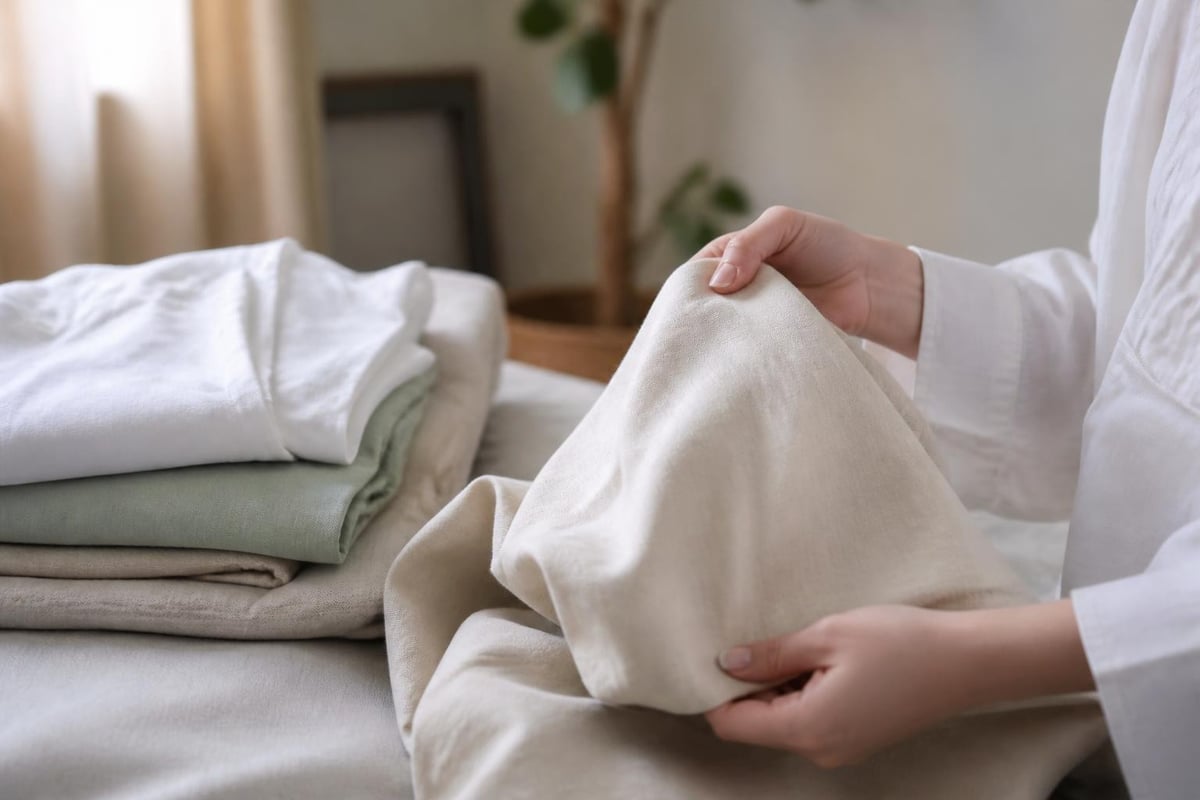
Look for untreated natural fabrics or certified safe textiles. OEKO-TEX certification tests for hundreds of harmful substances and provides confidence that your bedding won't expose you to concerning chemicals during sleep.
Red flags to watch for:
- "Permanent press" or "wrinkle-free" claims (often formaldehyde treatments)
- Overly stiff new sheets that don't soften
- Strong chemical odours that persist after washing
- Extreme water resistance (may indicate PFAS coating)
Natural fabrics without chemical treatments may require slightly more care but offer peace of mind, especially important for children's bedding and anyone with chemical sensitivities.
Styling single beds for maximum impact
Just because a bed is smaller doesn't mean it can't make a statement. Thoughtful styling elevates even the most compact sleeping space into something special.
Layer textures for visual interest. Start with quality fitted sheets, add a flat sheet if desired, then your duvet. Consider adding a decorative throw at the foot for extra warmth and style. Our duvet bedding sets provide inspiration for coordinating patterns and colours effectively.
Styling essentials:
- Start with neutral fitted sheets that work with multiple duvet covers
- Invest in decorative pillowcases that can transform the look instantly
- Use cushions sparingly on single beds to avoid overwhelming the space
- Consider a bed runner or throw for hotel-style elegance
- Ensure adequate pillows for comfortable reading in bed
Proportion matters enormously on single beds. Oversized cushions or too many decorative elements can make the bed look cluttered rather than inviting. Stick to one or two accent pieces maximum.
Making bed linen for single bed last longer
Quality bedding represents an investment worth protecting. Simple habits extend lifespan considerably whilst maintaining that fresh, comfortable feel you love.
Rotate your sets regularly rather than using one until it wears out. This distributes wear evenly across your collection. Remove bedding promptly from the washing machine to prevent mildew and odours from developing.
Store clean bedding properly in a cool, dry location. Avoid plastic bags which trap moisture. Linen bags or breathable storage boxes work brilliantly. Adding lavender sachets keeps everything smelling fresh naturally.
Lifespan expectations:
- Quality cotton sheets: 2-3 years with weekly use
- Premium long-staple cotton: 3-5 years
- Polycotton: 1-2 years (pills faster but very affordable)
- Linen: 5+ years (improves with age)
Watch for thinning fabric, persistent staining that won't wash out, or elastic failure in fitted sheets. These signal it's time to replace rather than persist with compromised comfort.
Choosing the right bed linen for single bed transforms sleep quality whilst expressing personal style, even in compact spaces. From understanding materials and thread counts to mastering seasonal rotation and proper care, these insights help you make confident, budget-friendly decisions. Explore the carefully curated bedding collections at Happy Home Shop, where quality meets affordability across an extensive range of designs, colours, and materials perfect for single beds in every home.