When the temperature drops and frost begins to settle on your windowpanes, there's nothing quite like slipping into a bed dressed with the warmest bed sheets. The right bedding can transform your bedroom into a cosy sanctuary, helping you sleep soundly through even the chilliest winter nights without cranking up the heating bill. But with so many fabrics, weaves, and weights on the market in 2026, how do you choose sheets that will genuinely keep you toasty? Whether you're a hot sleeper who needs breathable warmth or someone who's perpetually cold, understanding what makes bedding truly warm will help you make a smart, budget-friendly choice that suits your needs perfectly.
What actually makes bed sheets warm?
The warmest bed sheets aren't simply about thickness or fluffiness, though those factors do play a role. Thermal insulation in bedding comes down to how well the fabric traps air close to your body whilst managing moisture effectively.
Natural and synthetic fibres create warmth through different mechanisms:
- Air trapping: Fibres with a brushed or raised surface create tiny pockets that hold warm air against your skin
- Weight and density: Heavier fabrics (measured in GSM or grams per square metre) generally provide more insulation
- Moisture management: Materials that wick perspiration away prevent the clammy feeling that makes you feel colder
- Weave structure: Tighter weaves reduce air circulation, whilst looser ones allow heat to escape
Research published by Consumer Reports highlights how fabric construction affects warmth, showing that thread count alone is a poor predictor of thermal performance. Instead, the tog unit provides a standardised measure of thermal resistance, though it's more commonly used for duvets than sheets in the UK market.
Understanding GSM and warmth ratings
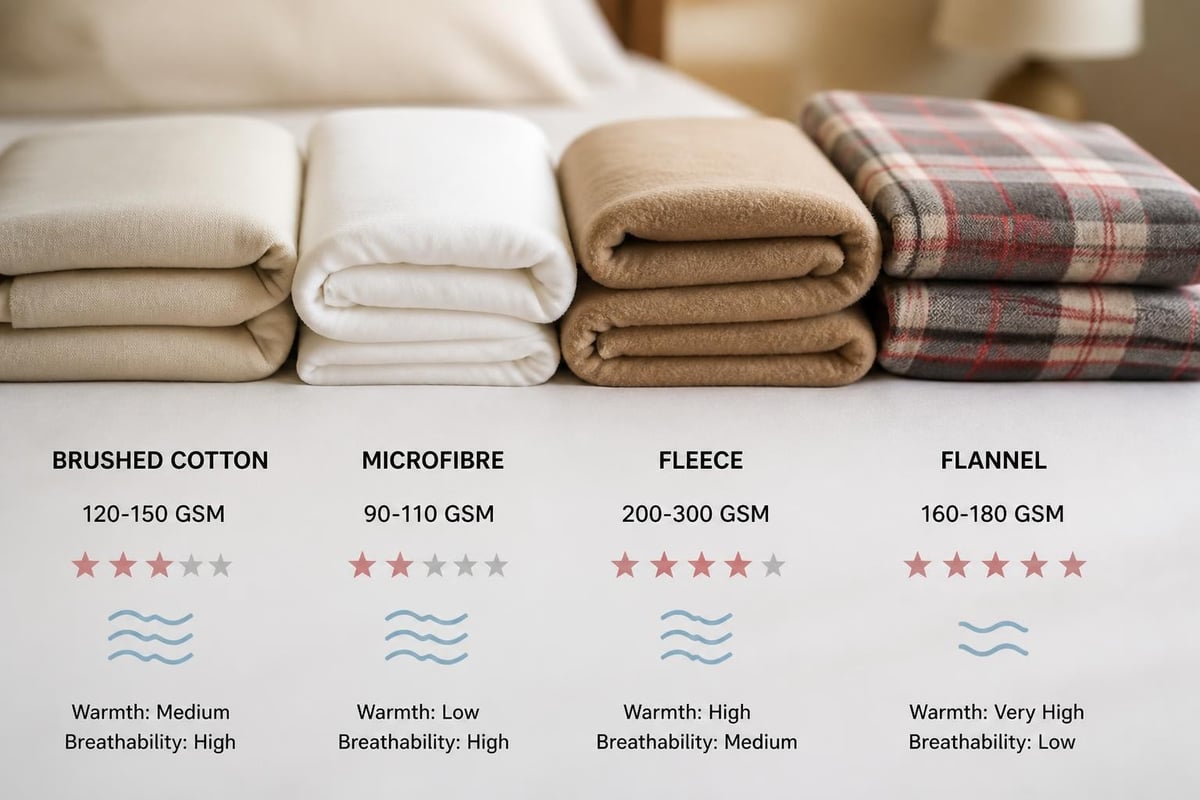
GSM (grams per square metre) tells you the weight and density of your bedding fabric. For the warmest bed sheets, you're typically looking at:
| GSM Range | Warmth Level | Best For |
|---|---|---|
| 100-150 GSM | Lightweight, cool | Summer or hot sleepers |
| 150-200 GSM | Medium weight | Year-round comfort |
| 200-300 GSM | Heavy, warm | Cold sleepers, winter months |
| 300+ GSM | Very warm | Exceptionally cold rooms or climates |
Higher GSM doesn't automatically mean better quality, but it does indicate a denser, warmer fabric that will provide more insulation. The International Wool Textile Organisation notes that natural fibres like wool can feel warmer than synthetic alternatives at the same weight due to superior moisture management.
The warmest fabrics for winter bed sheets
Choosing the right fabric is perhaps the most important decision you'll make when shopping for warm bedding. Each material offers distinct advantages depending on your personal preferences and bedroom conditions.
Brushed cotton and flannelette
Brushed cotton sheets undergo a special finishing process that raises the fibres on one or both sides, creating a soft, fuzzy surface. Flannelette takes this even further, typically offering a thicker, warmer fabric that's ideal for winter.
The raised fibres trap air exceptionally well, making brushed cotton one of the warmest bed sheets options for natural-fibre enthusiasts. These sheets feel cosy from the moment you slip into bed, unlike standard cotton which can feel cool initially.
Benefits include:
- Instant warmth without the need to 'warm up' the bed
- Soft, comforting texture that gets softer with washing
- Breathable enough to prevent overheating
- More affordable than luxury alternatives like cashmere or silk
Happy Home Shop's teddy bedding collection offers this wonderfully soft texture, perfect for creating that snug winter feeling without breaking your budget.
Fleece and microfibre options
For maximum warmth at an accessible price point, fleece and microfibre sheets are difficult to beat. These synthetic materials are engineered specifically for thermal retention and incredible softness.
Microfibre sheets use ultra-fine polyester fibres woven tightly together. They're lightweight yet surprisingly warm, and they resist wrinkling brilliantly. Fleece takes synthetic warmth to the next level with a plush, fluffy texture that feels like sleeping in your favourite cosy jumper.
| Feature | Microfibre | Fleece | Brushed Cotton |
|---|---|---|---|
| Warmth rating | High | Very high | Medium-high |
| Initial cost | Low | Low-medium | Medium |
| Breathability | Medium | Lower | High |
| Durability | High | Medium | High |
| Eco-friendliness | Lower | Lower | Higher |
Research on textile thermal insulation and fibre types confirms that synthetic materials can provide excellent warmth retention, though natural fibres often perform better at moisture management during sleep.
Wool and natural thermal regulators
Though less common for bed sheets specifically, wool represents one of nature's finest thermal regulators. Wool fibres naturally crimp and trap air whilst wicking moisture away from your body, keeping you warm without that clammy feeling.
The warmest bed sheets made from wool or wool blends excel in fluctuating temperatures. If your bedroom gets very cold at night but warms up in the morning, wool helps maintain a consistent, comfortable temperature.
Studies examining how bedding materials affect sleep quality have found that wool bedding can improve sleep duration and quality by optimising the microclimate between your body and the covers.
Choosing warm sheets for different sleeping styles
Not everyone experiences cold the same way, and the warmest bed sheets for you depend on your personal thermoregulation, bedroom temperature, and whether you sleep alone or share your bed.
For cold sleepers and chilly bedrooms
If you're someone who feels the cold intensely or your bedroom temperature regularly drops below 16°C (60°F), prioritise maximum insulation:
- Choose high-GSM options (250-300+ GSM)
- Opt for brushed or fleece surfaces on both sides
- Consider layering warm sheets with a thermal blanket
- Look for deeper pockets if you use a mattress topper for extra insulation
The autumn cosy collection at Happy Home Shop features bedding specifically designed for those who love serious warmth during the colder months.
For couples with different temperature preferences
Sharing a bed with someone who sleeps warmer or cooler than you presents a unique challenge. The solution isn't necessarily the warmest bed sheets, but rather versatile ones.
Consider these strategies:
- Choose medium-weight brushed cotton (180-220 GSM) that both partners can adjust with individual blankets
- Use separate top sheets so each person can layer according to their needs
- Invest in dual-zone electric blankets beneath sheets for personalised warmth
- Select breathable warm fabrics like brushed cotton over synthetic fleece
Natural fibres generally work better for mixed-preference couples because they regulate temperature more effectively than synthetics.
For hot sleepers who need light warmth
Just because you tend to sleep warm doesn't mean you won't appreciate a bit of cosy comfort on genuinely cold nights. The trick is finding the warmest bed sheets that won't cause you to overheat.
Lightweight brushed cotton (150-180 GSM) offers the perfect compromise. You get the soft, warm-to-the-touch feeling without excessive insulation. The natural breathability allows heat and moisture to escape, preventing that sweaty, uncomfortable feeling.
Avoid heavy fleece or high-GSM microfibre if you're a warm sleeper, as these trap heat too effectively and you'll likely wake up uncomfortable.
Practical features to look for in warm winter sheets
Beyond fabric type and weight, several practical considerations will affect how satisfied you are with your purchase.
Fitted sheet pocket depth
Deep-pocket fitted sheets (35cm or more) are essential if you use a thick mattress, mattress topper, or mattress protector. Nothing defeats the purpose of warm bedding quite like a fitted sheet that pops off the corners in the middle of a cold night.
Check your mattress depth before purchasing:
- Standard mattress: 25-30cm pocket depth
- Mattress with topper: 35-40cm pocket depth
- Extra-thick or pillow-top: 40cm+ pocket depth
Easy-care properties
The warmest bed sheets need washing regularly just like any bedding, so consider maintenance requirements. Brushed cotton and microfibre both wash well at 40°C, though you should avoid fabric softener with microfibre as it reduces absorbency.
Non-iron options save considerable time and energy. Happy Home Shop's non-iron duvet cover sets demonstrate how modern fabrics can combine warmth with convenience, emerging from the dryer ready to use without tedious ironing.
Colour and design options for winter
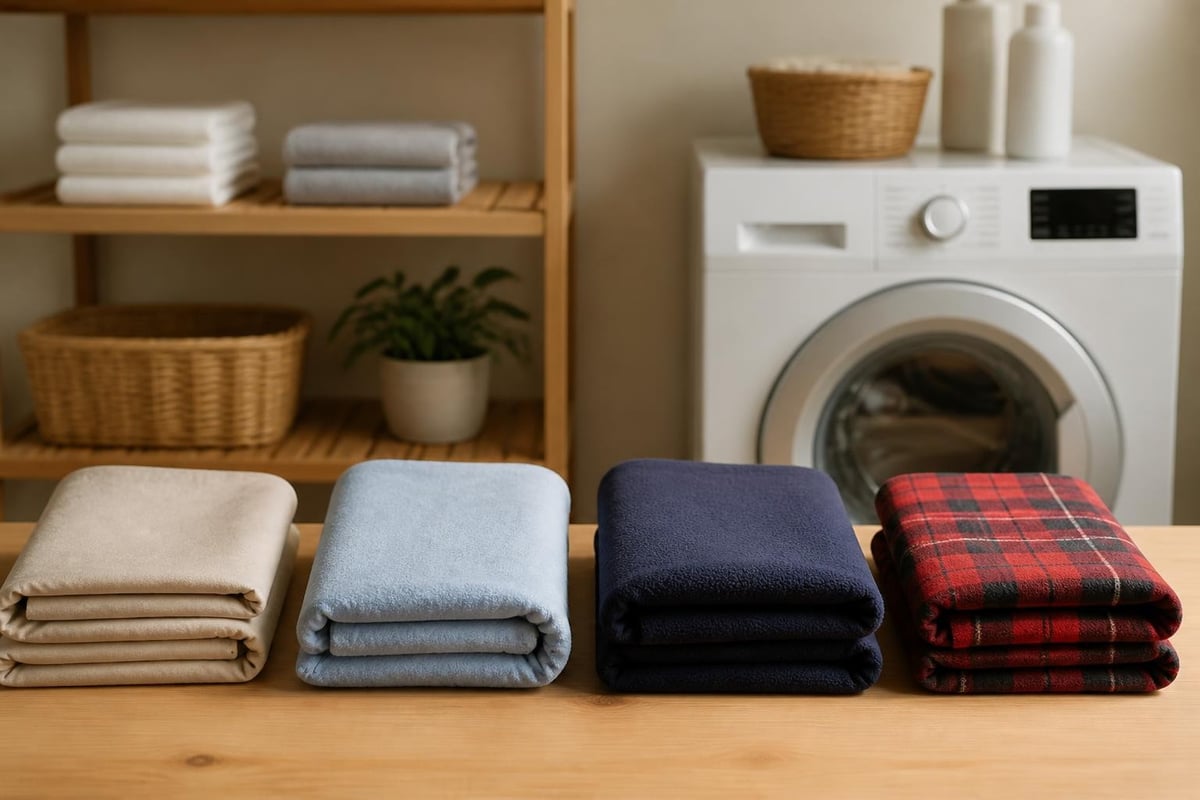
While warmth is your primary concern, you needn't sacrifice style. Winter is the perfect time to embrace richer, deeper colours and cosy patterns that make your bedroom feel like a retreat.
Popular winter bedding styles for 2026 include:
- Deep jewel tones: burgundy, forest green, navy
- Warm neutrals: caramel, chocolate, warm grey
- Classic checks: tartan and buffalo check patterns
- Seasonal motifs: subtle winter florals or geometric designs
The checks and stripes collection offers timeless patterns that work beautifully in winter bedrooms whilst providing year-round versatility.
Layering your bed for maximum warmth
Even the warmest bed sheets work better as part of a thoughtful bedding system. Strategic layering allows you to adjust warmth levels easily and extends the usefulness of your bedding across seasons.
The optimal winter bedding stack
From mattress to top, here's how to build the cosiest bed:
- Mattress protector: Adds a thin layer of insulation whilst protecting your investment
- Warm fitted sheet: Your base layer of comfort
- Optional flat sheet: Creates an extra air pocket for insulation
- Blanket or lightweight duvet: Mid-weight warmth layer
- Main duvet or comforter: Your primary insulation
- Decorative throw: Extra warmth at foot of bed for cold feet
This system lets you remove or add layers depending on the night's temperature. On exceptionally cold nights, all layers work together to trap warm air. On milder evenings, you can kick off the throw or use just the duvet.
Coordinating sheets with seasonal bedding
Your seasonal bedding choices should work in harmony. If you've invested in a heavyweight winter duvet (13.5 tog or higher), you can actually use slightly lighter sheets since the duvet provides most of the insulation.
Conversely, if you prefer a lighter duvet year-round, choosing the warmest bed sheets possible ensures you stay comfortable without the bulk.
Budget-friendly warmth without compromising quality
Creating a warm, inviting bed for winter doesn't require a fortune. Smart shopping and knowing where to invest your money makes all the difference.
Where to spend and where to save
Invest more in: Fitted sheets and duvet covers that contact your skin directly. Quality here affects your comfort most noticeably.
Save money on: Top sheets (if you use them), decorative pillowcases, and throws. These items see less direct contact and wear.
Shopping during sales periods can make premium warm bedding surprisingly affordable. Happy Home Shop's sales collection regularly features discounts on high-quality warm bedding, allowing you to stock up for winter without stretching your budget.
Making warm sheets last longer
Proper care extends the life of your bedding investment:
- Wash in cold to warm water (30-40°C) rather than hot to preserve fibres
- Rotate between two sets so each set experiences less frequent washing
- Line dry when possible to maintain softness and reduce energy costs
- Store summer bedding properly in breathable cotton bags to keep it fresh
Quality warm sheets should last 3-5 years with proper care, making them excellent value compared to cheaper alternatives that pill or thin quickly.
Sustainable and eco-friendly warm bedding choices
More people in 2026 are considering the environmental impact of their purchases, and bedding is no exception. Fortunately, warm sheets and sustainability can go hand-in-hand.
Natural fibres and organic options
Organic cotton, especially when certified by the Better Cotton Initiative, represents a more sustainable choice than conventional cotton. These sheets use less water and fewer pesticides during cultivation.
Happy Home Shop's BCI cotton bedding and sustainable bedding collection demonstrate that you needn't choose between warmth, affordability, and environmental responsibility.
Natural materials like cotton and wool are biodegradable at end-of-life, unlike synthetic alternatives which can persist in landfills for decades.
Recycled materials and circular economy
Some manufacturers now produce warm microfibre sheets from recycled plastic bottles, giving waste materials new purpose. While still synthetic, this approach reduces demand for virgin petroleum-based fibres.
Look for certifications like:
- OEKO-TEX Standard 100: Confirms textiles are free from harmful substances
- GOTS (Global Organic Textile Standard): Verifies organic status and ethical production
- Recycled content labels: Indicate percentage of post-consumer recycled materials
Choosing durable, high-quality sheets that last many years is itself a sustainable choice, regardless of fibre content.
Setting up your bedroom for winter warmth
The warmest bed sheets work best when your entire bedroom supports restful, cosy sleep. A few simple adjustments maximise the effectiveness of your warm bedding.
Optimising bedroom temperature
Sleep scientists recommend bedroom temperatures between 16-19°C (60-66°F) for optimal sleep quality. This might feel chilly initially, but it's ideal when you're nestled under warm bedding.
Draught prevention makes a significant difference:
- Install draught excluders on doors and windows
- Close curtains before sunset to trap warmth
- Consider thermal curtains or blinds for single-glazed windows
- Move your bed away from exterior walls if possible
When your room maintains a consistent cool temperature, the warmest bed sheets can work their magic without fighting against draughts or temperature swings.
Creating layers beyond bedding
Your bedroom setup affects how warm you feel:
- Rugs on hard floors prevent heat loss through your feet when getting in and out of bed
- Throws over chairs mean you can wrap up whilst reading before sleep
- Warm lighting (soft, amber-toned bulbs) creates a psychologically cosy atmosphere
- Hot water bottles pre-warm your bed before you get in
These simple touches complement your warm sheets, creating an all-round winter sanctuary.
Testing and adjusting your bedding setup
Finding the warmest bed sheets that work perfectly for you might require some trial and adjustment. Everyone's comfort threshold differs, and what feels perfect in November might be too warm by March.
Signs your sheets are working well
You've found the right warm bedding when:
- You fall asleep within 15-20 minutes of getting into bed
- You don't wake up feeling cold during the night
- You're not overheating or sweating excessively
- You wake feeling rested and comfortable
If you're experiencing night sweats or waking up too hot, your sheets might be too warm or not breathable enough. Conversely, if you're piling on extra blankets or wearing heavy pyjamas, you need warmer bedding.
Transitioning through the seasons
The warmest bed sheets shouldn't live on your bed year-round. As spring approaches and temperatures rise, transition to lighter bedding to maintain sleep quality.
Keep your warm sheets fresh during off-season storage:
- Wash and dry thoroughly before storing
- Fold neatly in breathable cotton storage bags
- Add lavender sachets to maintain freshness
- Store in a cool, dry place away from direct sunlight
This ensures they're ready to create that cosy welcome when autumn returns. The all bedding collection at Happy Home Shop includes options for every season, making it easy to rotate your bedding throughout the year.
Choosing the warmest bed sheets transforms your winter sleep experience, creating a cosy retreat that helps you rest soundly even when it's freezing outside. Whether you opt for brushed cotton's natural breathability, microfibre's affordable warmth, or plush fleece for maximum cosiness, the right bedding makes all the difference. Ready to turn your bedroom into a winter sanctuary? Happy Home Shop offers an extensive range of warm, high-quality bedding at prices that won't leave you out in the cold, with convenient delivery and regular discounts to help you create the cosy home you deserve.