There's something truly special about slipping into a bed dressed with natural bed linens after a long day. The difference between synthetic and natural fabrics is immediately noticeable-natural fibres breathe, adapt to your body temperature, and create a sleeping environment that feels both luxurious and cosy. As we become more conscious about what we bring into our homes in 2026, choosing natural materials for our bedding has become about more than just comfort; it's about creating a healthier, more sustainable bedroom sanctuary without breaking the bank.
Why natural bed linens matter for your bedroom
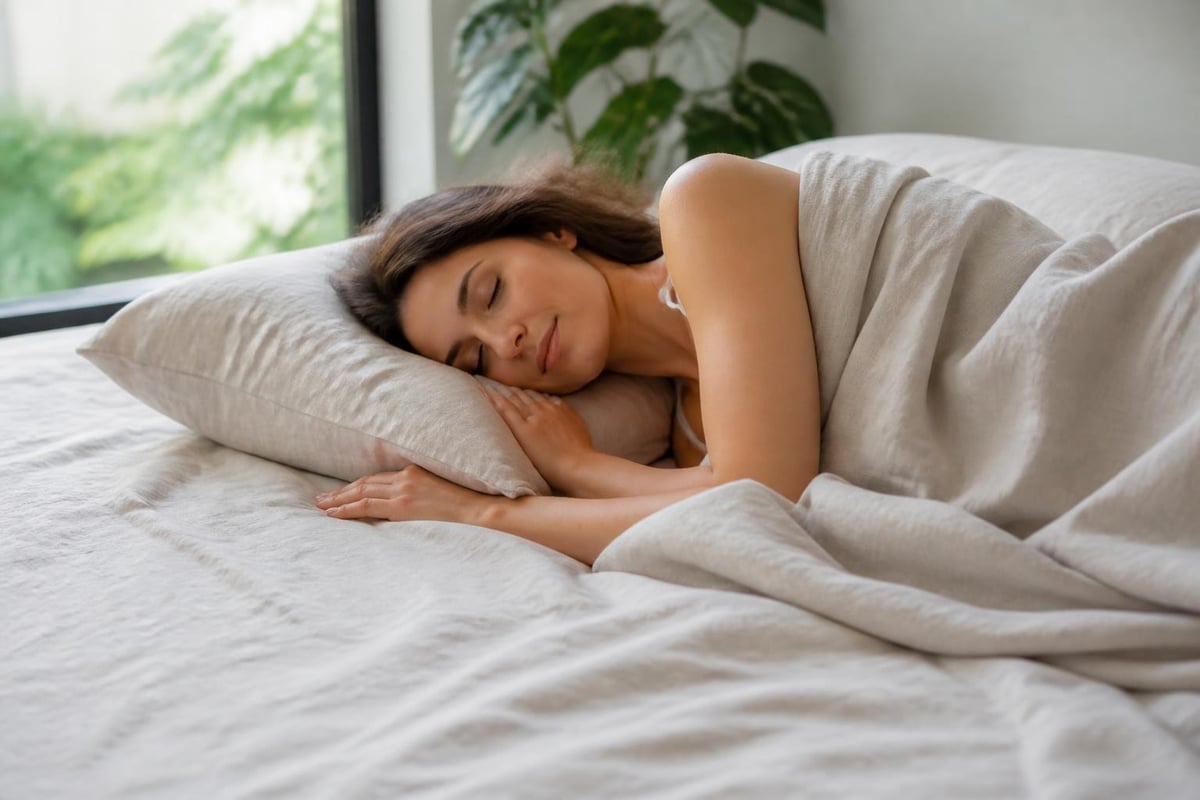
The fabrics touching your skin for eight hours each night deserve careful consideration. Natural bed linens offer a host of benefits that synthetic alternatives simply can't match, starting with breathability and temperature regulation.
Unlike polyester or other synthetic fabrics, natural fibres allow air to circulate freely around your body whilst you sleep. This means you're less likely to wake up in a sweaty tangle of sheets during summer months or feel uncomfortably clammy in winter. Natural fibers excel at breathability, making them ideal for year-round comfort.
Key benefits of choosing natural materials:
- Superior moisture-wicking properties keep you dry throughout the night
- Natural temperature regulation adapts to seasonal changes
- Hypoallergenic qualities reduce skin irritation and allergies
- Durability means your investment lasts for years
- Environmentally friendly production processes
- Free from harsh chemicals and synthetic treatments
The health advantages extend beyond just comfort. Natural bed linens typically contain fewer chemicals than their synthetic counterparts, which matters when you consider how much time you spend in direct contact with your bedding. Many people with sensitive skin find that switching to natural fibres reduces irritation and improves sleep quality.
Understanding different types of natural bed linens
Cotton: The classic choice
Cotton remains the most popular choice for natural bed linens, and for good reason. This versatile fabric comes in various weaves and thread counts, offering options for every budget and preference.
Egyptian and Pima cotton are known for their extra-long staples, which create exceptionally soft and durable fabrics. However, standard cotton still provides excellent comfort at a more accessible price point. The Happy Home Shop's BCI cotton bedding collection showcases how sustainable cotton can be both affordable and beautiful.
| Cotton Type | Thread Count Range | Best For | Price Point |
|---|---|---|---|
| Standard Cotton | 200-400 | Everyday use, budget-friendly | £ |
| Egyptian Cotton | 400-1000 | Luxury feel, longevity | £££ |
| Pima Cotton | 300-600 | Softness, durability | ££ |
| Organic Cotton | 200-500 | Chemical-free, eco-conscious | ££ |
Linen: The breathable wonder
Linen has experienced a remarkable renaissance in recent years, and it's easy to see why. Made from flax plants, linen is arguably the most breathable of all natural bed linens. It becomes softer with each wash whilst maintaining its strength and durability.
The slightly textured feel of linen might take a night or two to adjust to if you're used to silky-smooth cotton, but many people find this slight crispness incredibly refreshing. Linen excels in hot weather but also provides surprising warmth in cooler months, making it genuinely versatile.
Bamboo and other sustainable options
Bamboo-derived fabrics have gained popularity as eco-conscious consumers seek sustainable alternatives. When processed into lyocell or viscose, bamboo creates silky-soft sheets with excellent moisture-wicking properties.
Understanding the differences between natural and synthetic bedding materials helps you make informed choices about what works best for your needs and values. The environmental benefits of bamboo-it grows rapidly without pesticides-make it an attractive option for those prioritizing sustainability.
Choosing the right natural bed linens for your needs
Consider your sleeping style
Your personal sleep preferences should guide your fabric choice. Hot sleepers benefit from the exceptional breathability of linen or lightweight cotton percale weaves. If you tend to feel cold at night, flannel cotton or heavier sateen weaves provide extra warmth without sacrificing the benefits of natural fibres.
Matching fabrics to sleep preferences:
- Hot sleepers: Linen, cotton percale, or bamboo lyocell
- Cold sleepers: Cotton sateen, flannel, or brushed cotton
- Night sweaters: Moisture-wicking bamboo or cotton jersey
- Allergy sufferers: Organic cotton or tightly woven percale
- Combination sleepers: Medium-weight cotton or linen blends
The best sheet materials for quality sleep often depend on individual needs rather than universal standards. What feels perfect for one person might not suit another, so don't be afraid to experiment.
Weave patterns and their impact
The way natural fibres are woven significantly affects how the final fabric feels and performs. Percale weaves create a crisp, cool feeling that's perfect for warm weather. Sateen weaves produce a smoother, slightly warmer finish with a subtle sheen.
Whilst thread count receives lots of attention, it's not the only factor determining quality. A lower thread count in a high-quality natural fibre can outperform a higher thread count in inferior materials. Focus on the combination of fibre quality and construction rather than numbers alone.
Care and maintenance of natural bed linens
Washing and drying tips
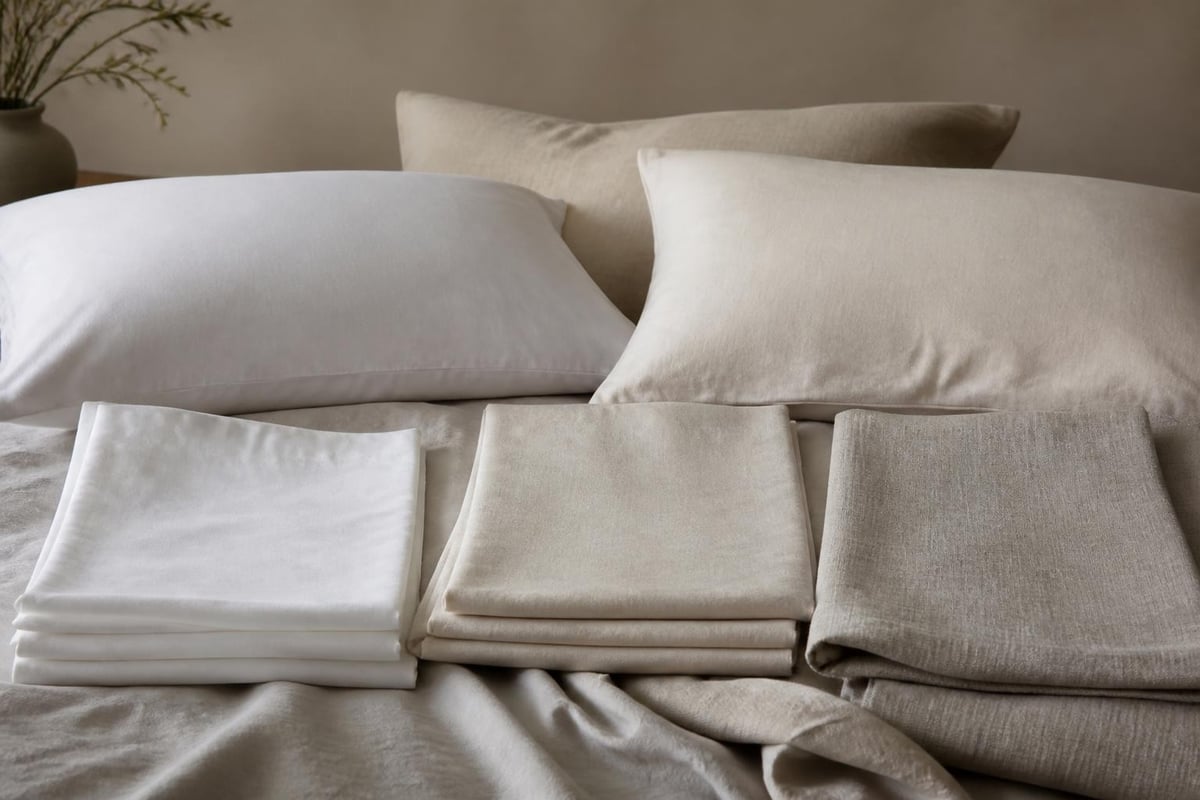
Natural bed linens actually improve with proper care, becoming softer and more comfortable over time. Most natural fabrics can be machine washed, though gentle cycles and lower temperatures help preserve the fibres.
Essential care guidelines:
- Wash cotton bedding at 40-60°C depending on the manufacturer's instructions
- Use mild detergent without optical brighteners or harsh chemicals
- Avoid overloading the washing machine to allow proper cleaning
- Line dry when possible to reduce energy consumption and extend fabric life
- Iron linen whilst slightly damp for easier pressing (if you prefer crisp sheets)
- Store clean linens in a cool, dry place away from direct sunlight
Cotton can handle higher temperatures than linen, making it easier to sanitize if needed. However, frequent high-temperature washing can cause premature wear, so save the hot washes for when they're truly necessary.
Extending the life of your bedding
Natural bed linens represent an investment in your sleep quality and home comfort. With proper care, quality natural fibres can last for years, making them more economical than cheaper synthetic alternatives that need frequent replacement.
Rotating between multiple sets helps distribute wear evenly. Having at least two sets allows you to wash one whilst using the other, reducing the frequency each set needs laundering. The Happy Home Shop's plain duvet cover sets offer affordable options for building your linen collection without overspending.
Shopping for natural bed linens on a budget
What to look for in affordable options
Quality natural bed linens don't have to cost a fortune. Whilst luxury brands command premium prices, many affordable options deliver excellent performance and durability.
| Feature | Budget-Friendly | Mid-Range | Luxury |
|---|---|---|---|
| Fibre Quality | Standard cotton, bamboo blends | Long-staple cotton, pure linen | Egyptian cotton, Irish linen |
| Thread Count | 200-300 | 300-500 | 400-1000+ |
| Certifications | Basic quality checks | OEKO-TEX, BCI | GOTS, organic certifications |
| Typical Price (Double Set) | £20-40 | £40-80 | £80-200+ |
When shopping on a budget, prioritize fibre content over thread count. A 100% cotton sheet at 250 thread count will usually outperform a cotton-polyester blend at 400 thread count. Understanding organic bedding certifications helps you identify genuinely sustainable options and avoid greenwashing.
Seasonal shopping and sales
Timing your purchases strategically can save significant money on natural bed linens. Retailers typically offer the best discounts during January sales, back-to-school periods, and Black Friday events.
Shopping the Happy Home Shop sales section regularly reveals opportunities to upgrade your bedding collection affordably. Natural fibres go on sale just like any other product, so patience can reward budget-conscious shoppers with premium materials at accessible prices.
Starting small and building your collection
You don't need to replace all your bedding at once. Start with pillowcases to test how you like natural fibres against your skin. If you love the feel, invest in a fitted sheet next, then gradually add duvet covers and additional sets.
Mixing and matching from the Happy Home Shop's bed sheets collection lets you create coordinated looks whilst staying within budget. Natural white or cream sheets work beautifully with patterned duvet covers, giving you flexibility in styling your bedroom.
Styling your bedroom with natural bed linens
Colour and pattern choices
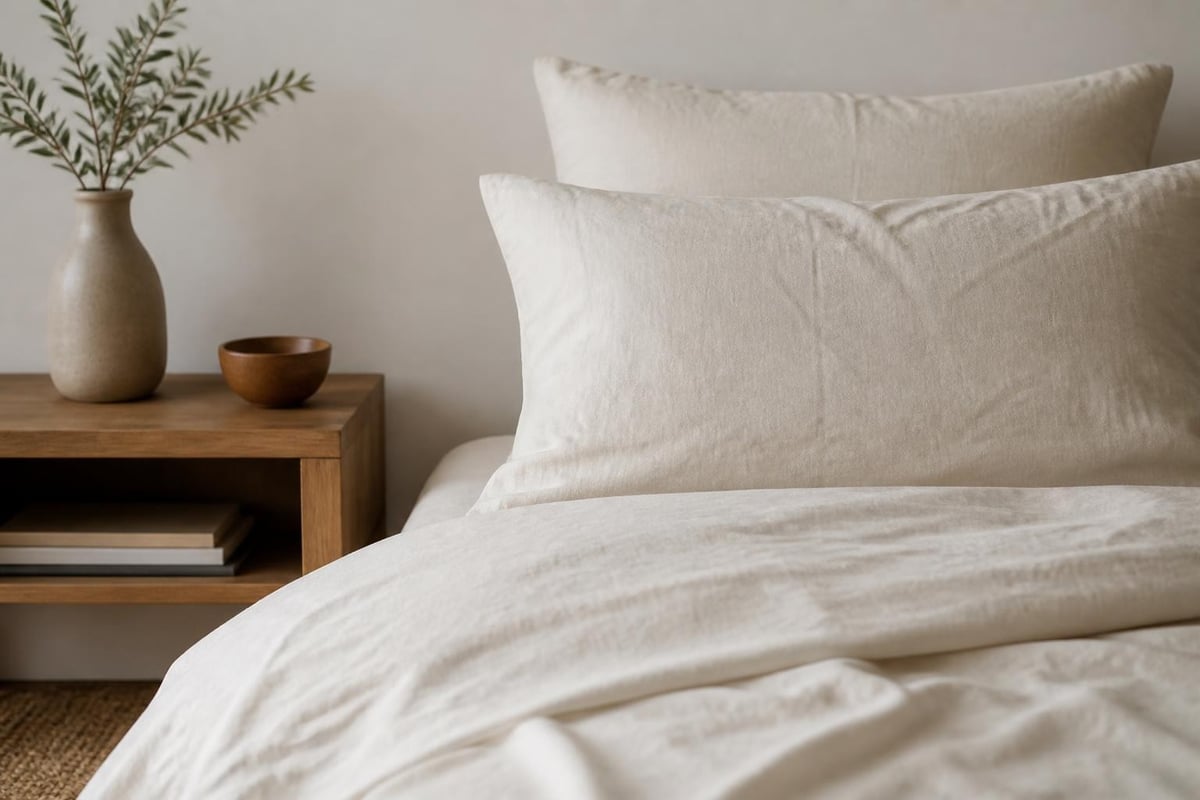
Natural bed linens work beautifully in any colour or pattern, though they particularly shine in earthy tones and botanical prints. The texture of natural fibres adds depth to solid colours, making even simple white sheets feel special.
Popular styling approaches for 2026:
- Layered neutrals in varying textures (linen, cotton, waffle weaves)
- Botanical and floral bedding patterns that complement natural materials
- Striped and checked designs for a classic, timeless look
- Earthy terracotta, sage, and warm grey tones
- Crisp white with natural wood furniture for Scandi-inspired spaces
The natural wrinkles in linen add to its relaxed, lived-in charm, whilst cotton can be ironed smooth for a more polished appearance. Choose based on your personal style and the atmosphere you want to create.
Mixing textures and materials
Don't feel constrained to using only one type of natural fibre. Combining cotton sheets with a linen duvet cover creates interesting textural contrast whilst keeping everything natural and breathable. Add cotton or wool throws for extra warmth and visual interest.
The benefits of natural and organic bedding extend to their versatility in home styling. Natural materials complement virtually any décor style, from modern minimalism to cosy cottage aesthetics.
Seasonal bedding swaps
One advantage of building a collection of natural bed linens is the ability to swap them seasonally. Lightweight linen or cotton percale works beautifully in summer, whilst brushed cotton or flannel creates cosy warmth for winter months.
The seasonal bedding collection at Happy Home Shop makes it easy to refresh your bedroom throughout the year. Natural fibres perform differently depending on their weight and weave, so taking advantage of these variations enhances comfort year-round.
Environmental and ethical considerations
The sustainability factor
Choosing natural bed linens often aligns with environmental values, though not all natural fibres are created equal in terms of sustainability. Organic cotton uses fewer pesticides and chemicals, whilst conventional cotton farming can be resource-intensive.
Comparing natural versus synthetic fiber bedding reveals significant differences in environmental impact. Natural fibres biodegrade at the end of their life, whilst synthetic materials persist in landfills for decades.
Sustainability checklist for natural bedding:
- Look for organic or sustainably sourced certifications
- Check for fair trade or ethical production standards
- Consider locally produced options to reduce transportation impact
- Choose durable materials that won't need frequent replacement
- Support brands committed to transparent supply chains
Making informed choices
The market for natural bed linens has expanded dramatically, giving consumers more choices than ever. However, this abundance can make decision-making overwhelming. Focus on what matters most to you-whether that's budget, environmental impact, specific comfort needs, or a combination of factors.
Alternative materials to traditional linen include hemp and bamboo lyocell, both offering excellent sustainability credentials. These emerging options provide variety whilst maintaining the benefits of natural fibres.
Real-world performance and value
Longevity and cost per use
When evaluating the cost of natural bed linens, consider the total lifespan rather than just the initial price. Quality cotton sheets can last five to ten years with proper care, whilst premium linen can serve you for even longer.
Calculate cost per use by dividing the purchase price by the expected number of years you'll use the item. A £50 set of cotton sheets used for seven years costs about £7 per year-far less expensive than replacing cheaper synthetic sets every two years.
What real users say
Natural bed linens consistently receive high marks from users who prioritize sleep quality and comfort. The most common praise focuses on temperature regulation, durability, and the improved feel compared to synthetic alternatives.
Some users note that natural fibres require more careful maintenance than synthetics, and wrinkles can be more prominent (especially with linen). However, most find these minor inconveniences worthwhile given the overall benefits. The Happy Home Shop's non-iron duvet cover sets offer solutions for those who want natural materials with easier care.
Making the switch
Transitioning to natural bed linens doesn't require perfection. Start where you are, use what you have, and upgrade pieces as budget allows. Even replacing one synthetic item with a natural alternative improves your sleeping environment.
Many people notice improved sleep quality within the first week of switching to natural bed linens. The breathability and moisture-wicking properties create a more comfortable microclimate around your body, reducing nighttime disruptions and supporting deeper, more restorative sleep.
Natural bed linens offer tangible benefits for sleep quality, comfort, and environmental responsibility, making them a worthwhile investment for anyone looking to improve their bedroom sanctuary. Whether you choose crisp cotton, breezy linen, or sustainable bamboo, these natural materials transform ordinary sleep into a genuinely restorative experience. Happy Home Shop makes it easy to explore natural bedding options without stretching your budget, offering high-quality duvet sets, sheets, and pillowcases in materials that feel good and do good. Visit today to discover how affordable luxury bedding can be when you choose natural fibres that last.