Choosing the right material for duvet covers can transform your bedroom from ordinary to extraordinary, without breaking the bank. The fabric you sleep under affects everything from your comfort and temperature regulation to how much time you spend ironing. With so many options available in 2026, understanding the characteristics of different materials helps you create a beautiful, practical bedroom sanctuary that fits your lifestyle and budget. Whether you're refreshing your entire bedroom or simply updating your bedding, knowing which fabric suits your needs makes all the difference.
Understanding the most popular material for duvet covers
Cotton remains the gold standard for bedding, and for good reason. This natural fibre breathes beautifully, washes well, and becomes softer with every launder. When you're browsing through plain duvet cover sets, you'll find cotton dominates the selection because it ticks so many boxes for comfort and practicality.
What makes cotton special:
- Naturally hypoallergenic and gentle on sensitive skin
- Highly breathable, keeping you cool in summer
- Durable enough to withstand frequent washing
- Available in various weaves for different feels
- Generally affordable, especially compared to luxury fibres
Different cotton weaves create entirely different sleeping experiences. Percale cotton offers a crisp, cool feel that's perfect for warm sleepers, whilst sateen provides a silky, lustrous finish that feels more luxurious. Understanding these distinctions helps you choose the right material for duvet covers based on personal preference rather than price alone.
Thread count myths and realities
You've probably heard that higher thread count equals better quality, but this isn't always true. Thread count simply refers to the number of threads woven into one square inch of fabric. Whilst this matters, it's not the only indicator of quality.
| Thread Count Range | Characteristics | Best For |
|---|---|---|
| 200-400 | Crisp, breathable, durable | Everyday use, warm climates |
| 400-600 | Soft, smooth, balanced | Year-round comfort |
| 600-800 | Luxurious, dense weave | Special occasions, cooler months |
Manufacturers sometimes inflate thread count numbers by using thinner, multi-ply threads. A 400-thread-count duvet cover made from quality, single-ply cotton often outperforms a 1000-thread-count version using inferior fibres. Focus on how the fabric feels and whether it comes from reputable sources like BCI cotton bedding.
Linen: the relaxed luxury option
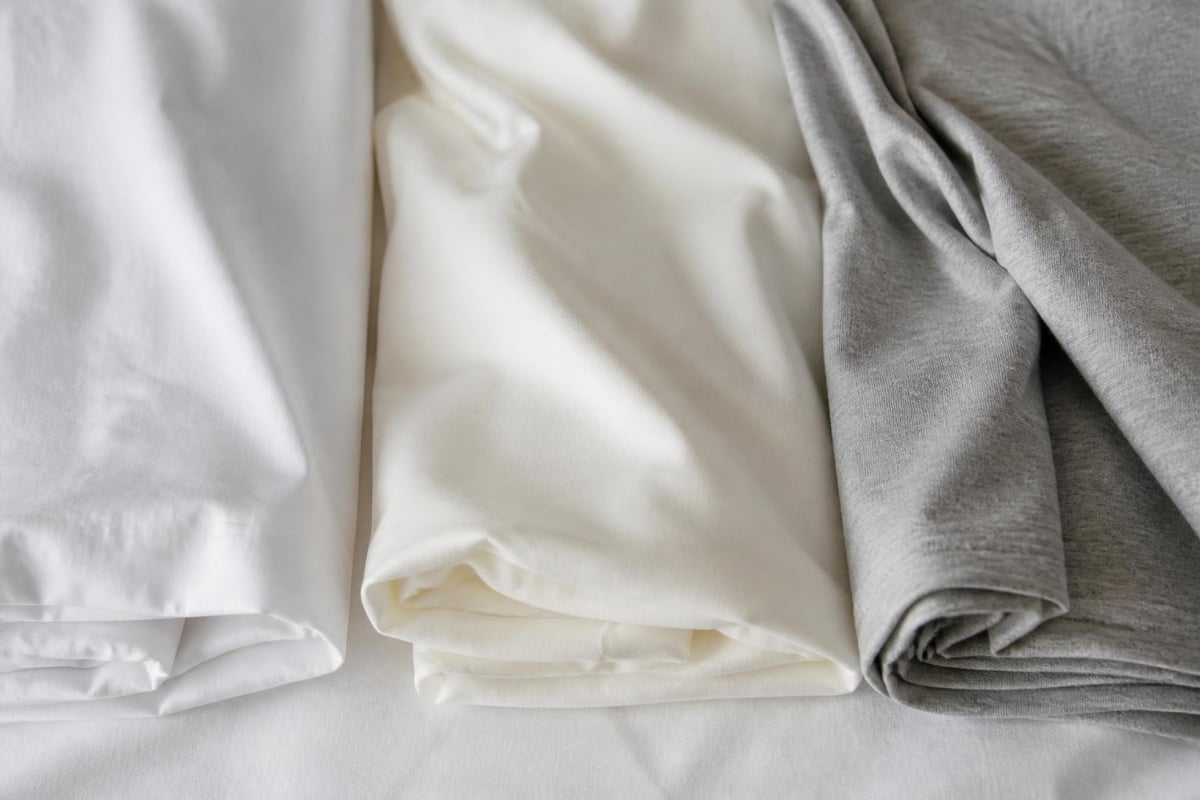
Linen brings effortless elegance to any bedroom. This natural material comes from flax plants and has been treasured for centuries. Whilst it costs more than standard cotton, linen's exceptional durability means it's actually a brilliant long-term investment for budget-conscious homemakers.
The beauty of linen lies in its perfectly imperfect nature. It wrinkles naturally, which somehow adds to its charm rather than detracting from it. If you love that lived-in, boutique hotel aesthetic, linen delivers it without any effort. Elle Decor's guide to duvet covers highlights how this material has become increasingly popular for creating relaxed, sophisticated bedrooms.
Why choose linen as your material for duvet covers:
- Temperature regulation: Keeps you cool in summer, warm in winter
- Moisture-wicking: Absorbs up to 20% of its weight in moisture
- Durability: Gets softer and better with age
- Natural elegance: The textured look suits modern and traditional bedrooms
- Low maintenance: Despite appearances, it's quite easy to care for
Linen does have a higher initial cost, but it lasts significantly longer than cotton. Many linen duvet covers remain in excellent condition for 10-15 years with proper care. That works out to brilliant value when you calculate the cost per year.
Microfibre and polyester: budget-friendly champions
Don't dismiss synthetic materials! Modern microfibre offers impressive performance at wonderfully affordable prices. These ultra-fine polyester fibres create soft, wrinkle-resistant bedding that's perfect for busy households and anyone watching their pennies.
Microfibre duvet cover sets have come a long way in recent years. Today's versions feel surprisingly luxurious whilst maintaining their budget-friendly appeal. They're particularly brilliant for children's bedding, guest rooms, or anyone who changes their bedroom style frequently.
Comparing synthetic and natural materials
| Feature | Microfibre/Polyester | Natural Fibres |
|---|---|---|
| Price | £15-£35 | £35-£100+ |
| Care | Very easy, quick-dry | More involved |
| Durability | Good (3-5 years) | Excellent (5-15 years) |
| Breathability | Moderate | Excellent |
| Sustainability | Lower | Higher |
| Wrinkle resistance | Excellent | Poor to moderate |
Polyester blends offer a clever middle ground. A cotton-polyester mix combines cotton's breathability with polyester's wrinkle resistance. These blends wash beautifully and require minimal ironing, making them perfect for non-iron duvet cover sets that save time and energy.
Bamboo and sustainable alternatives
Eco-conscious shoppers have brilliant options in 2026. Bamboo fabric (technically bamboo viscose or rayon) offers silky softness with impressive environmental credentials. The bamboo plant grows rapidly without pesticides and requires minimal water, making it a genuinely sustainable bedding choice.
Bamboo material for duvet covers feels remarkably similar to silk but costs considerably less. It's naturally antimicrobial, which means it stays fresher between washes. This makes bamboo particularly appealing if you have allergies or sensitive skin, as discussed in our guide to allergic reactions to bed sheets.
Sustainable material options:
- Organic cotton: Grown without harmful pesticides
- Bamboo viscose: Renewable, fast-growing resource
- Recycled polyester: Gives plastic bottles new life
- Hemp: Exceptionally durable and eco-friendly
- Tencel/Lyocell: Made from sustainably harvested wood pulp
These materials often cost slightly more initially, but they align with values many of us hold dear. Plus, their durability means they're not actually more expensive in the long run.
Seasonal considerations for material selection
Your perfect material for duvet covers might change with the seasons. Many savvy shoppers maintain two sets: lighter fabrics for summer and cosier options for winter.
Summer demands breathability above all else. Cotton percale and linen excel here, allowing air to circulate freely. These materials wick moisture away from your skin, preventing that clammy feeling on warm nights.
Winter calls for different qualities. Brushed cotton, flannel, and jersey knit materials create warmth and comfort. Teddy bedding offers an ultra-cosy option that's perfect for cold months, with its soft, fleece-like texture providing instant warmth.
Creating your seasonal bedding wardrobe
Summer essentials:
- Lightweight cotton percale
- Linen for texture and breathability
- Light-coloured fabrics to reflect heat
Winter warmers:
- Brushed cotton or flannel
- Jersey knit for stretch and softness
- Heavier cotton sateen
Year-round options:
- Medium-weight cotton
- Bamboo viscose
- Quality polyester blends
Many people discover that having reversible duvet cover sets gives them flexibility without needing completely separate sets. One side might feature a cooler cotton whilst the other offers brushed warmth.
Caring for different duvet cover materials
The best material for duvet covers is one you'll actually maintain properly. Each fabric type has specific care needs that affect both longevity and performance.
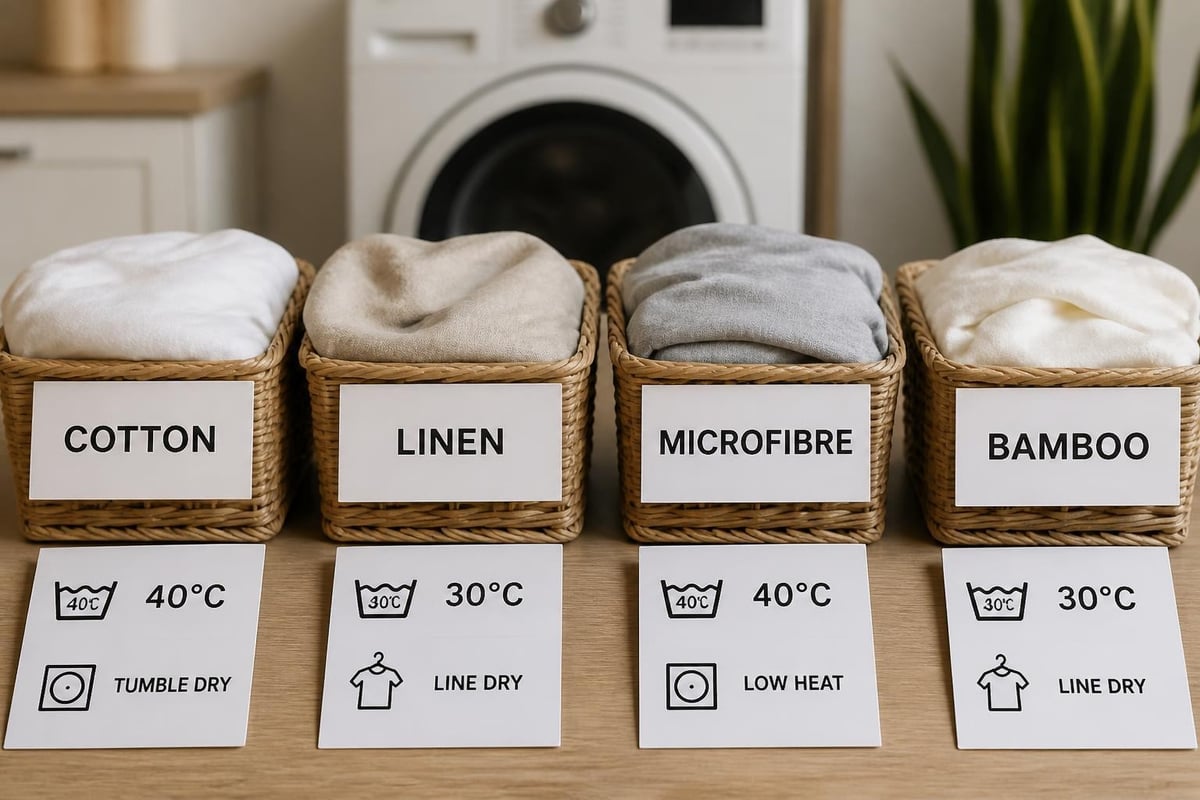
Cotton tolerates high temperatures and frequent washing beautifully. Most cotton duvet covers happily handle 60°C washes, which is brilliant for thoroughly cleaning bedding. They can usually tumble dry on medium heat, though line drying preserves the fibres better and saves energy.
Linen requires gentler handling despite its robust reputation. Wash at 40°C maximum and remove from the dryer whilst slightly damp to minimize wrinkles. Many linen lovers skip ironing entirely, embracing the natural creases as part of the aesthetic.
| Material | Washing Temp | Drying Method | Ironing | Special Care |
|---|---|---|---|---|
| Cotton | 40-60°C | Tumble or line | Medium heat | Shake out before drying |
| Linen | 30-40°C | Line preferred | Hot iron whilst damp | Don't over-dry |
| Microfibre | 30-40°C | Low tumble heat | Rarely needed | Avoid fabric softener |
| Bamboo | 30°C gentle | Line dry | Low heat if needed | Use mild detergent |
| Silk | Hand wash or 30°C delicate | Flat dry | Low heat with cloth | Never bleach |
Microfibre needs surprisingly little fuss. Wash at cooler temperatures and avoid fabric softener, which can coat the fibres and reduce their softness. These materials dry incredibly quickly, making them perfect for last-minute bedding changes.
Matching materials to your bedroom style
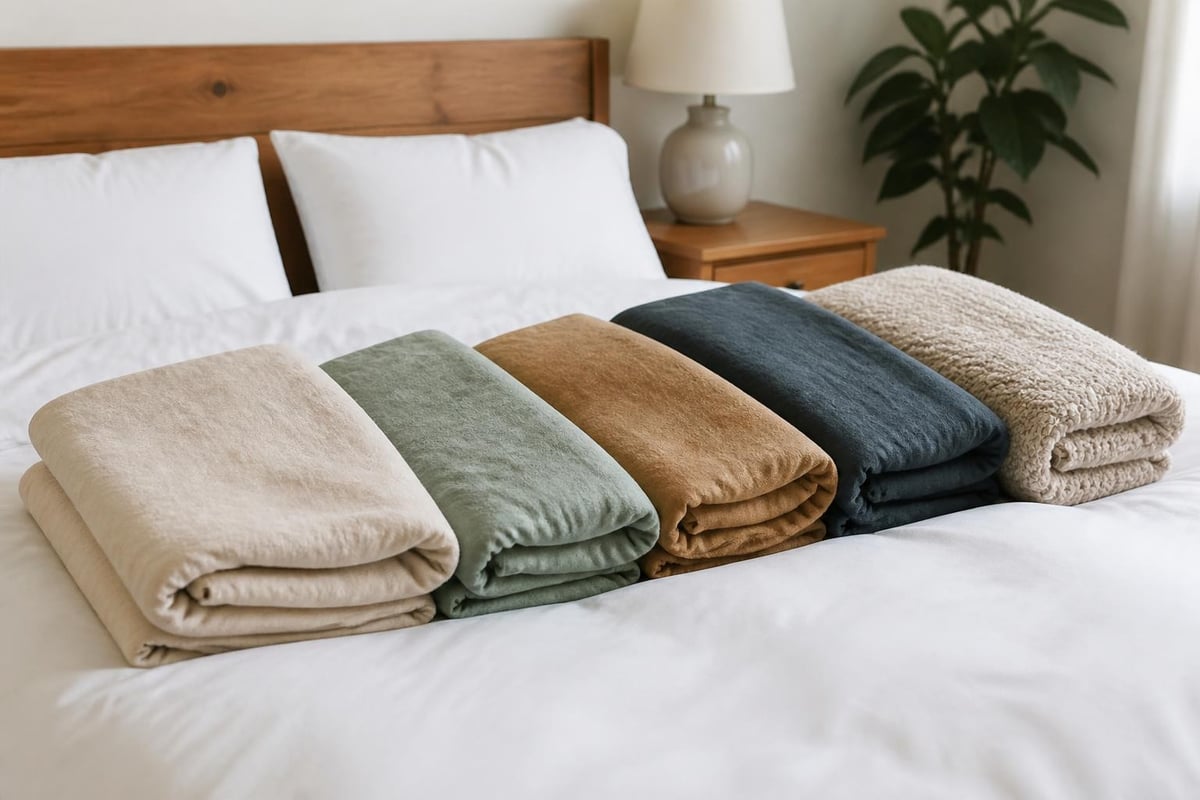
The material you choose dramatically affects your bedroom's overall aesthetic. Hotel-style duvet cover sets typically feature crisp white cotton percale or sateen, creating that fresh, luxurious boutique feeling we all love.
For modern, minimalist spaces, linen in neutral tones creates sophisticated simplicity. The natural texture adds visual interest without overwhelming clean lines. Similarly, geometric patterns on quality cotton create contemporary appeal whilst maintaining comfort.
Traditional bedrooms shine with classic cotton sateen or quality polyester blends in floral designs. These materials take dye beautifully, producing rich, lasting colours that complement heritage furniture and classic decor.
Style matching guide:
- Scandinavian minimalism: Light linen or cotton percale in whites and greys
- Cosy cottage: Brushed cotton or flannel in checks and stripes
- Modern luxury: Egyptian cotton sateen or bamboo in solid colours
- Boho eclectic: Mixed textures with prints on cotton or linen
- Contemporary edge: Microfibre in bold colours or geometric patterns
Children's rooms benefit from practical, durable materials that withstand frequent washing. Kids' duvet cover sets in cotton-polyester blends or pure microfibre handle the inevitable spills and adventures whilst maintaining their colour and softness.
Understanding weave patterns and textures
Beyond the fibre itself, how it's woven dramatically affects the final material for duvet covers. Each weave pattern creates distinct characteristics that influence comfort, appearance, and care requirements.
Common weave patterns:
- Percale: Plain weave creating crisp, matte finish
- Sateen: Four-over-one-under weave for silky lustre
- Twill: Diagonal weave pattern offering durability
- Jersey: Knit construction providing stretch and softness
- Jacquard: Raised pattern woven into fabric
Percale weave produces lightweight, breathable bedding with a slightly crisp hand feel. It's the choice for those who sleep warm or prefer that classic hotel-bed sensation. According to Ideal Home's bedding guide, percale remains consistently popular for its practical elegance.
Sateen weave creates lustrous, smooth fabric with a subtle sheen. The surface feels silkier against skin, making it lovely for cooler months. However, it's slightly warmer and less breathable than percale, so consider your sleeping temperature.
Making the final decision
Choosing material for duvet covers ultimately comes down to balancing multiple factors: budget, comfort preferences, maintenance willingness, and aesthetic goals. There's genuinely no single "best" material, only the best one for your specific situation.
Quick decision framework:
| Priority | Recommended Material |
|---|---|
| Budget-friendly | Microfibre or cotton-polyester blend |
| Maximum breathability | Cotton percale or linen |
| Low maintenance | Microfibre or non-iron cotton blend |
| Luxury feel | Egyptian cotton sateen or bamboo |
| Sustainability | Organic cotton, bamboo, or Tencel |
| Allergy concerns | Tightly woven cotton or bamboo |
Start by identifying your top two priorities. Hot sleeper on a budget? Microfibre or cotton percale wins. Seeking luxury and sustainability? Bamboo or organic cotton delivers. This focused approach prevents decision paralysis when browsing the extensive bedding collections available today.
Don't forget practical considerations like washing machine capacity and drying facilities. Heavier materials like dense cotton sateen require more drying time and space. If you're washing and drying frequently, lighter materials make life easier.
Seasonal trends and special materials
Some exciting material innovations have emerged for 2026. Temperature-regulating fabrics that respond to body heat are becoming more accessible at various price points. These clever textiles help maintain optimal sleeping temperature throughout the night.
For seasonal bedding enthusiasts, special materials offer festive fun. Brushed cotton in Christmas designs creates cosy winter magic, whilst lightweight prints celebrate summer. These seasonal switches keep bedrooms feeling fresh and current.
Velvet and velour materials have gained popularity for statement bedding. Whilst not suitable for year-round use in most climates, they create stunning visual impact in luxe duvet cover sets. Consider these for special occasions or as accent pieces in layered bedding arrangements.
Specialty materials worth considering:
- Seersucker: Puckered texture that's naturally cooling
- Matelassé: Quilted appearance woven into fabric
- Velvet: Plush pile for dramatic luxury
- Chambray: Soft denim-like appearance
- Waffle weave: Textured surface with excellent absorbency
These specialty fabrics typically cost more but offer unique aesthetic appeal. They're perfect for creating focal points or adding personality to neutral bedroom schemes.
Colour retention and pattern considerations
Different materials hold colour and patterns differently, which matters when you're investing in beautiful bedding. Natural fibres like cotton and linen generally accept dye readily and maintain colour well through multiple washes, especially when you follow proper care guidelines.
Synthetic materials resist fading brilliantly but can sometimes appear slightly less vibrant initially compared to dyed natural fibres. This makes them excellent for bold patterns and character bedding that needs to withstand frequent washing without losing appeal.
Darker colours and richer patterns show wear differently on various materials. Light-coloured linen develops a beautiful patina over time, whilst dark microfibre maintains its original appearance longer. Consider how you want your bedding to age when selecting both material and colour.
Understanding material for duvet covers empowers you to create the bedroom of your dreams whilst respecting your budget and lifestyle needs. Whether you choose breathable cotton, luxurious linen, practical microfibre, or sustainable bamboo, the right material transforms sleep quality and bedroom aesthetics. Happy Home Shop offers an extensive range of duvet covers in various materials, designs, and price points, making it easy to find the perfect bedding that matches your style without stretching your budget.