There's something wonderfully indulgent about slipping between crisp, cool linen sheets at the end of a long day. Linen in bed has become increasingly popular in recent years, and for good reason. This ancient fabric offers a unique combination of comfort, durability, and style that modern sleepers are rediscovering. Whether you're looking to upgrade your bedroom on a budget or simply curious about what makes linen bedding special, understanding the benefits and care requirements of this natural material will help you make an informed decision about your next bedding purchase.
What makes linen in bed so special?
Linen stands apart from other bedding materials thanks to its distinctive texture and remarkable properties. Made from flax plant fibres, linen has been used for thousands of years, and its popularity hasn't waned because it genuinely delivers on comfort and quality.
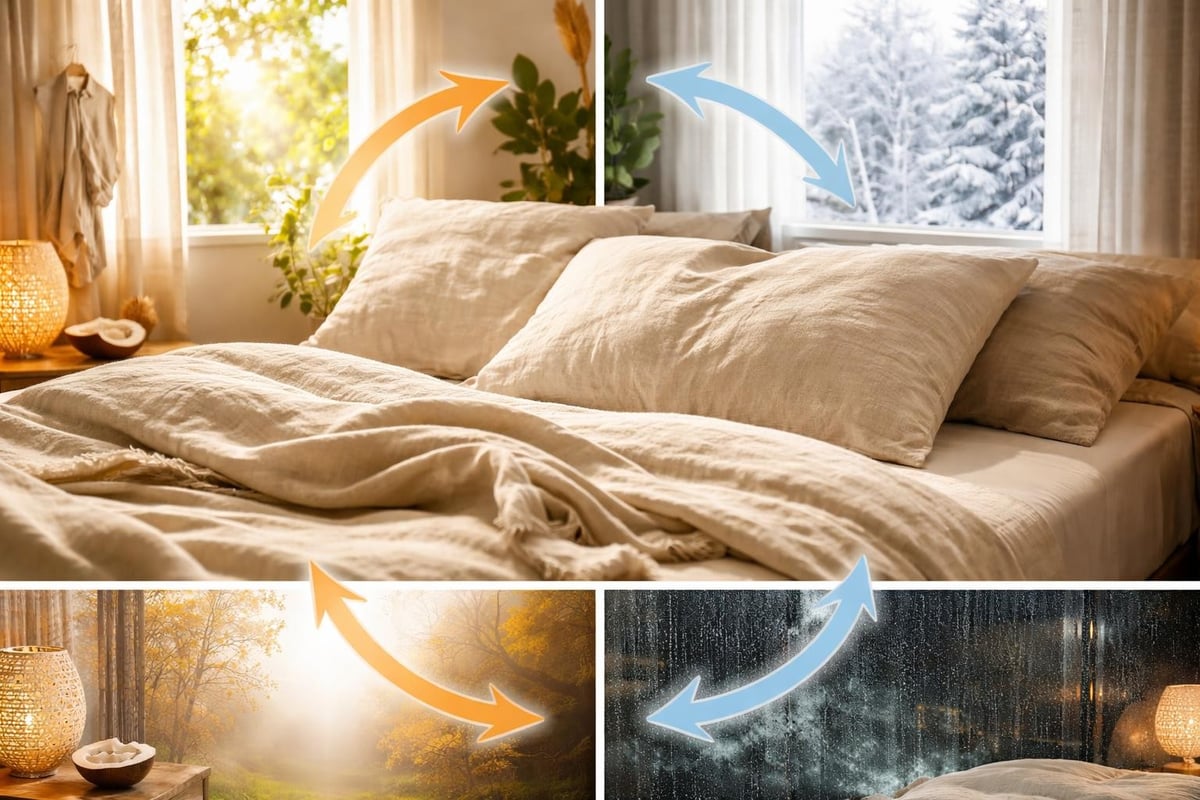
The fabric's natural temperature-regulating abilities make it particularly brilliant for British weather. During warmer months, linen in bed keeps you cool by allowing air to circulate freely through its loose weave. When temperatures drop, those same fibres trap warmth close to your body, creating a cosy microclimate perfect for winter nights.
Breathability and moisture management
One of the standout features of linen bedding is its exceptional breathability. The benefits of linen bedding include its ability to wick moisture away from your skin, which means you'll wake up feeling fresher even on muggy summer nights.
Key breathability benefits include:
- Natural moisture absorption up to 20% of its weight
- Quick-drying properties that prevent dampness
- Excellent air circulation through the fabric
- Reduced night sweats and overheating
This moisture-wicking quality also makes linen particularly suitable for people who tend to sleep hot or live in homes without air conditioning. The fabric literally breathes with you throughout the night.
The health benefits of choosing linen in bed
Beyond comfort, linen in bed offers several health advantages that make it an excellent choice for sensitive sleepers. The natural properties of flax fibres create an environment that's hostile to bacteria and gentle on skin.
Linen's hypoallergenic nature means it's naturally resistant to dust mites, fungi, and bacteria. If you've experienced allergic reactions to bed sheets in the past, switching to linen might provide relief. The fabric doesn't irritate even the most sensitive skin, making it perfect for children and adults with eczema or other skin conditions.
| Health Benefit | How Linen Helps | Who Benefits Most |
|---|---|---|
| Hypoallergenic | Natural resistance to allergens | Allergy sufferers, sensitive skin |
| Antibacterial | Inhibits bacterial growth | Everyone, especially hot sleepers |
| Skin-friendly | Smooth, non-irritating texture | Eczema sufferers, babies |
| Anti-static | Doesn't cling or attract dust | Those with respiratory issues |
The health benefits of linen bedding extend to promoting better sleep quality overall. The fabric's natural weight provides gentle pressure that many people find soothing, similar to the effect of a weighted blanket but without the bulk.
Durability that justifies the investment
Whilst linen bedding might seem pricier initially, it's worth understanding why linen bedding can be expensive and why it's actually brilliant value for money. Linen is one of the strongest natural fibres available, becoming softer and more comfortable with each wash rather than wearing out.
Quality linen sheets can last 20 years or more with proper care, far outlasting cotton alternatives. This longevity means your cost per use drops significantly over time, making it an economical choice for budget-conscious shoppers who want quality that lasts.
Caring for your linen in bed
Maintaining linen bedding isn't complicated, but following proper care guidelines ensures your sheets stay beautiful for years. The good news is that linen actually improves with age, developing a lovely lived-in softness that new sheets simply can't match.
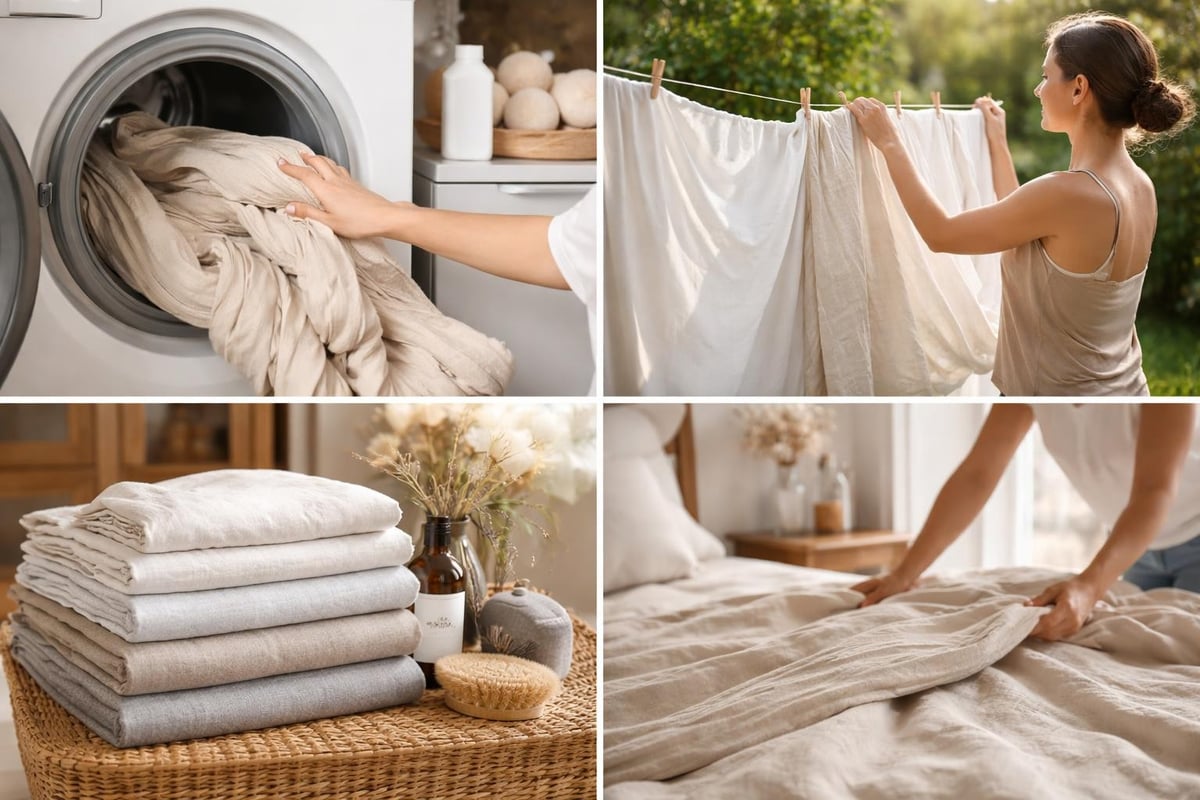
Essential linen care steps:
- Wash in cool to lukewarm water (30-40°C maximum)
- Use mild, eco-friendly detergent without bleach
- Avoid overloading the washing machine
- Tumble dry on low heat or line dry
- Remove from dryer whilst slightly damp
- Iron whilst damp for crisp finish, or embrace the natural crinkle
The comprehensive care guide from Linen Society provides detailed instructions for keeping your linen fresh. Unlike some delicate fabrics, linen in bed actually becomes more comfortable the more you wash it, so don't be afraid to launder it regularly.
Common linen care mistakes to avoid
Even though linen is relatively low-maintenance, certain practices can damage the fibres or reduce their lifespan. Hot water is linen's enemy, as it can cause shrinkage and weaken the fibres. Similarly, harsh chemical detergents strip away the natural oils that give linen its characteristic softness.
Many people worry about linen's natural wrinkled appearance, but this is actually part of its charm. If you prefer a smoother look, the ultimate guide on caring for bed linen suggests ironing whilst the fabric is still slightly damp for best results. However, most linen enthusiasts embrace the relaxed, rumpled aesthetic that gives bedrooms a casual elegance.
Styling linen in bed for different aesthetics
Linen's versatility means it works beautifully across various interior design styles. Whether your bedroom leans minimalist Scandinavian, cosy farmhouse, or modern contemporary, linen bedding adapts effortlessly.
For a luxurious hotel-style look, consider pairing linen with layers. Start with linen sheets, add a plush duvet, and finish with matching linen pillowcases. The hotel-style duvet cover sets from Happy Home Shop offer an affordable way to achieve this layered elegance without breaking the bank.
Colour choices and seasonal switches
Linen in bed works year-round, but switching colours with the seasons can refresh your bedroom's atmosphere. Natural tones like white, cream, and oat create a timeless foundation that never goes out of style. These neutral shades also make mixing and matching easier when building your bedding collection gradually.
Seasonal colour suggestions:
- Spring: Soft pastels like blush, sage, or sky blue
- Summer: Crisp whites and cool greys
- Autumn: Warm ochre, terracotta, and deep greens
- Winter: Rich charcoal, navy, or burgundy
Darker colours can show fewer marks between washes, making them practical for busy households. Meanwhile, lighter shades create an airy, spacious feeling perfect for smaller bedrooms.
Budget-friendly ways to incorporate linen in bed
You don't need to replace all your bedding at once to enjoy linen's benefits. Starting small allows you to experience the fabric whilst managing costs effectively.
Begin with linen pillowcases, which offer a lower entry point and let you test whether you love the texture against your skin. If you enjoy the feel, gradually add fitted sheets, flat sheets, and eventually duvet covers. This staged approach spreads the cost over time whilst building a cohesive bedding collection.
| Budget Strategy | Cost Impact | Timeline |
|---|---|---|
| Start with pillowcases | Low | Immediate |
| Add fitted sheet next | Medium | 3-6 months |
| Include flat sheet | Medium | 6-9 months |
| Complete with duvet cover | Higher | 9-12 months |
| Add decorative cushions | Low | Ongoing |
The plain duvet cover sets collection offers simple, elegant options that complement linen pieces beautifully. Mixing materials strategically can create an interesting textural contrast whilst keeping costs manageable.
When to invest in full sets versus mix and match
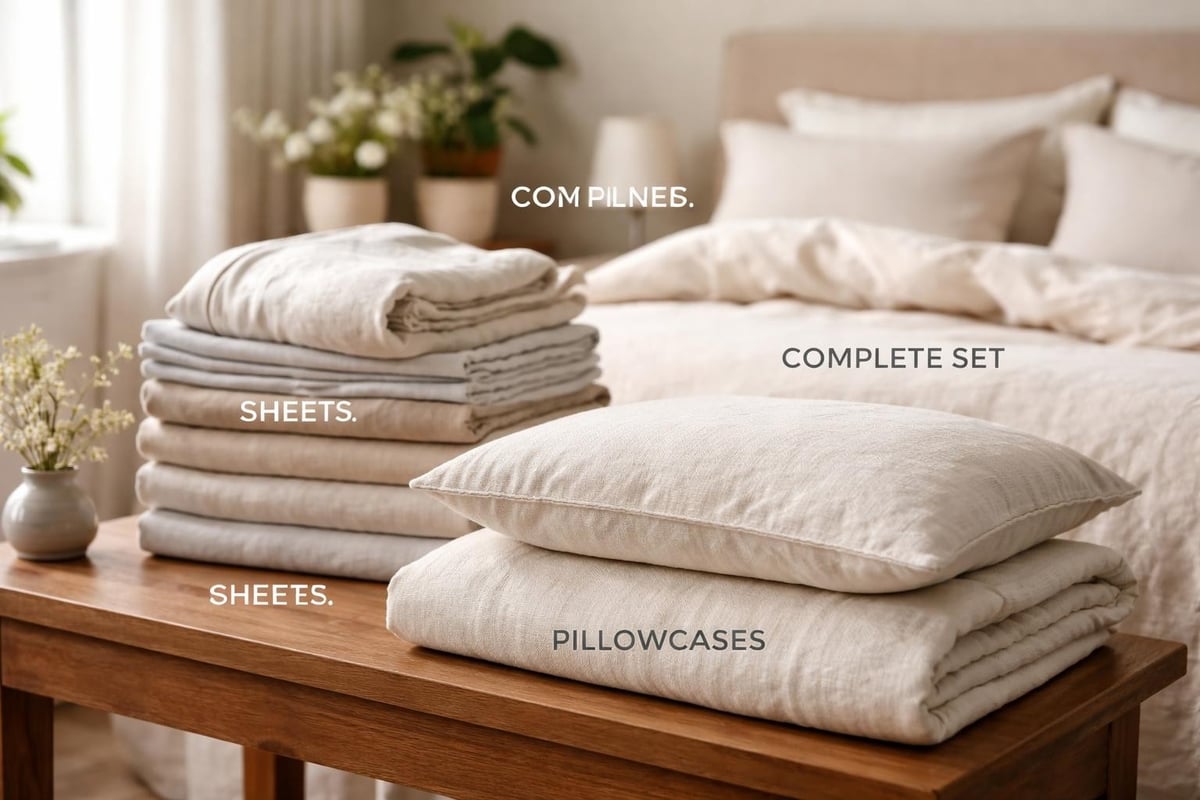
Complete linen sets provide a cohesive look but require a larger upfront investment. Mixing linen with cotton or bamboo alternatives can stretch your budget whilst still incorporating linen's benefits where they matter most.
Consider prioritising linen for pieces that touch your skin directly, such as pillowcases and top sheets. These items deliver maximum comfort benefits whilst fitted sheets (which you don't feel as directly) could remain cotton until your budget allows for an upgrade.
The environmental case for linen in bed
Sustainability matters to many shoppers in 2026, and linen scores exceptionally well on environmental metrics. Flax plants require minimal water compared to cotton, grow without pesticides, and every part of the plant gets used in production, creating virtually no waste.
The longevity of linen bedding also reduces environmental impact. When your sheets last two decades instead of two years, you're buying fewer replacements and generating less textile waste. This durability aligns perfectly with the principles of sustainable living and conscious consumption.
Environmental advantages of linen:
- Requires 80% less water than cotton cultivation
- Grows without synthetic pesticides or fertilizers
- Biodegradable at end of life
- Entire flax plant utilized with minimal waste
- Long lifespan reduces consumption
For those interested in eco-friendly options, the sustainable bedding collection at Happy Home Shop offers thoughtfully sourced pieces that balance environmental responsibility with affordability.
Understanding linen weights and weaves
Not all linen in bed feels identical. The weight and weave of the fabric significantly impact its drape, warmth, and overall feel. Understanding these variations helps you select the right linen for your preferences and climate.
Lightweight linen (typically 140-180 GSM) feels crisp and cool, perfect for summer or warm climates. Medium-weight linen (180-220 GSM) offers versatility across seasons, whilst heavyweight linen (220+ GSM) provides substantial warmth and a luxurious drape ideal for winter.
Stonewashed versus standard linen
Stonewashed linen has been mechanically softened through washing with volcanic stones or enzymes, giving it an immediately soft, lived-in feel. Standard linen starts crisper but softens beautifully over time with regular washing.
Neither option is objectively better, it's purely personal preference. Some people love the instant softness of stonewashed linen, whilst others enjoy watching their standard linen evolve and soften gradually. Both types offer the same durability and health benefits that make linen in bed so appealing.
Making the switch to linen bedding
Transitioning to linen in bed requires a slight adjustment period if you're accustomed to crisp cotton percale or silky sateen. The texture is different, more textured and substantial, with a distinctive coolness that some find surprising at first.
Give yourself at least a week to adapt. Most people find they sleep more soundly with linen after this initial adjustment, appreciating the temperature regulation and breathable comfort. The fabric's slight weight provides a comforting sensation without feeling heavy or restrictive.
Adjustment tips for new linen users:
- Wash before first use to maximize softness
- Layer with familiar textures during transition
- Try linen pillowcases first before committing to full sheets
- Expect the fabric to soften significantly after several washes
- Embrace the natural wrinkles as part of linen's character
If you're switching from cotton duvet covers, you might notice linen feels cooler initially. This temperature difference is actually one of linen's greatest assets, helping regulate your body temperature throughout the night for more restful sleep.
Linen in bed for different sleeping styles
Your sleeping habits and preferences should influence your linen choices. Hot sleepers benefit enormously from linen's cooling properties, whilst those who sleep cold might prefer pairing linen sheets with warmer blankets and duvets.
Side sleepers often appreciate linen pillowcases because the fabric doesn't create harsh creases that press into facial skin. The smooth, slightly textured surface glides gently against skin without the slippery feeling of some synthetic materials.
| Sleeping Style | Linen Weight Recommendation | Additional Tips |
|---|---|---|
| Hot sleeper | Lightweight (140-180 GSM) | Choose light colours, skip top sheet |
| Cold sleeper | Medium-heavy (200+ GSM) | Layer with warm blankets |
| Side sleeper | Any weight | Focus on quality linen pillowcases |
| Back sleeper | Medium weight (180-220 GSM) | Standard care routine |
| Restless sleeper | Stonewashed for softness | Secure fitted sheets well |
The natural give in linen fabric accommodates movement without bunching or tangling like some materials. This flexibility makes linen in bed particularly suitable for active sleepers who shift positions throughout the night.
Addressing common linen misconceptions
Despite linen's growing popularity, several myths persist that might make shoppers hesitant. Let's clear up the most common misunderstandings about linen in bed.
Myth: Linen is too expensive for everyday use. Reality: Whilst initial costs are higher, linen's longevity makes it economical over time. You'll replace cotton sheets multiple times before linen wears out.
Myth: Linen requires complicated care. Reality: Linen is actually quite forgiving. Machine wash in cool water, tumble dry on low, and it improves with each wash.
Myth: The wrinkles look messy and unkempt. Reality: Linen's natural texture is part of its relaxed elegance. Many designers specifically choose linen for its effortlessly casual aesthetic.
Myth: Linen feels scratchy and uncomfortable. Reality: Quality linen feels smooth and becomes incredibly soft with washing. Any initial crispness disappears quickly.
Understanding these facts helps you approach linen bedding with realistic expectations, ensuring you'll be delighted rather than disappointed with your purchase.
Linen in bed offers a beautiful combination of comfort, durability, and style that transforms your sleeping experience whilst lasting for decades. The natural temperature regulation, hypoallergenic properties, and timeless aesthetic make it a worthwhile investment for anyone looking to improve their bedroom. Whether you're ready to dive into a complete linen bedding set or prefer starting with a few pieces, Happy Home Shop offers quality bedding options that make beautiful, comfortable sleep accessible on any budget, with regular discounts and convenient delivery to help you create the bedroom of your dreams.