When you're looking to refresh your bedroom on a budget, understanding house sheet price becomes absolutely essential. The cost of bed sheets can vary wildly, from just a few pounds to eye-watering amounts that make you question whether they're woven with golden thread. But here's the good news: you absolutely don't need to spend a fortune to get quality sheets that feel lovely and last for years. Whether you're hunting for crisp cotton, cosy microfibre, or luxurious sateen, knowing what influences house sheet price helps you make smarter choices and create the comfortable bedroom sanctuary you deserve without breaking the bank.
What determines house sheet price in 2026
The house sheet price you see on a tag reflects far more than just a random number plucked from the air. Multiple factors combine to create that final figure, much like various elements influence property values in the housing market.
Material composition sits at the heart of pricing. Natural fibres like Egyptian cotton or bamboo typically command higher prices than synthetic alternatives, though modern microfibre has come remarkably far in recent years. The quality of the raw material matters enormously - not all cotton is created equal, and certified organic or sustainably sourced fabrics add to the cost.
Thread count often gets shouted about in marketing materials, but it's not the whole story. While a higher thread count can indicate quality, manufacturers sometimes use sneaky tricks like twisting multiple thin threads together to inflate numbers artificially. A genuine 400-thread-count sheet often outperforms a dodgy 1000-thread-count alternative.
Manufacturing processes that affect cost
How sheets are made significantly impacts house sheet price. Here's what adds to the cost:
- Weaving technique: Percale, sateen, and jersey weaves each require different processes
- Finishing treatments: Anti-wrinkle, anti-fade, or moisture-wicking treatments add expense
- Quality control: Rigorous testing for durability and colourfastness increases production costs
- Ethical manufacturing: Fair wages and safe working conditions (which we absolutely should support) affect pricing
The country of origin also plays a role. Sheets manufactured in countries with higher labour costs typically carry higher price tags, though this often correlates with better working conditions for factory employees.
Breaking down house sheet price by material type
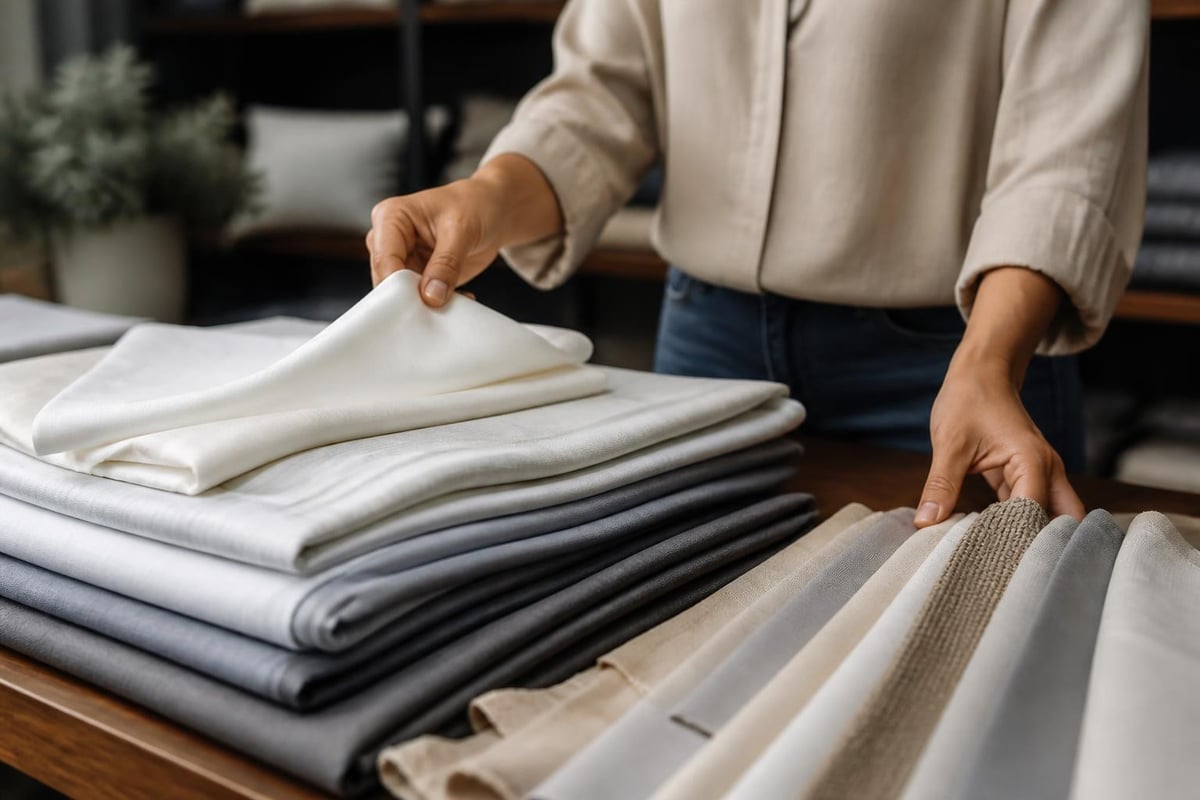
Understanding material differences helps you spot genuine value when shopping. Let's compare common sheet materials and their typical 2026 pricing:
| Material | Price Range (Double Set) | Durability | Care Requirements | Best For |
|---|---|---|---|---|
| Cotton (standard) | £15-£35 | Good | Easy wash | Everyday use |
| Egyptian cotton | £40-£80+ | Excellent | Gentle care | Luxury feel |
| Microfibre | £12-£25 | Very good | Super easy | Budget shoppers |
| Bamboo | £30-£60 | Good | Moderate | Eco-conscious |
| Linen | £50-£100+ | Excellent | Relaxed care | Hot sleepers |
Cotton remains the classic choice for good reason. It breathes beautifully, softens with washing, and suits most sleepers wonderfully. The plain duvet cover sets available at Happy Home Shop demonstrate how simple cotton can be both affordable and stylish.
Microfibre deserves far more credit than it receives. Modern microfibre sheets resist wrinkles brilliantly, feel soft against skin, and wash like a dream. The microfibre duvet cover sets collection shows how this material delivers exceptional value without sacrificing comfort or appearance.
Seasonal considerations for sheet pricing
House sheet price can fluctuate throughout the year, with certain seasons offering better deals than others. January sales traditionally bring excellent discounts as retailers clear winter stock, whilst August offers back-to-school promotions. Smart shoppers watch for these patterns and stock up when prices dip.
Summer typically sees increased demand for lightweight sheets, potentially pushing prices higher for percale and linen options. Conversely, teddy bedding and fleece-backed sheets often see price reductions in late spring as demand wanes.
How to evaluate house sheet price against quality
Price alone tells you nothing about whether sheets represent good value. You need to assess multiple quality indicators to determine if the house sheet price makes sense.
Feel the fabric whenever possible. Quality sheets should feel substantial without being thick and heavy. They shouldn't feel papery or overly slick. Trust your hands - they're excellent quality detectors.
Check for these quality markers:
- Deep hems that won't unravel after a few washes
- Colour consistency across the entire sheet
- Tight, even weaving with no thin patches or loose threads
- Proper sizing that includes enough depth for modern mattresses
- Clear care instructions from manufacturers who stand behind their products
Reviews matter enormously in 2026. Fellow shoppers share honest experiences that reveal how sheets perform after months of use, not just on day one. Look for mentions of pilling, fading, shrinkage, and whether the sheets genuinely improve or maintain quality over time.
The hidden costs of cheap sheets
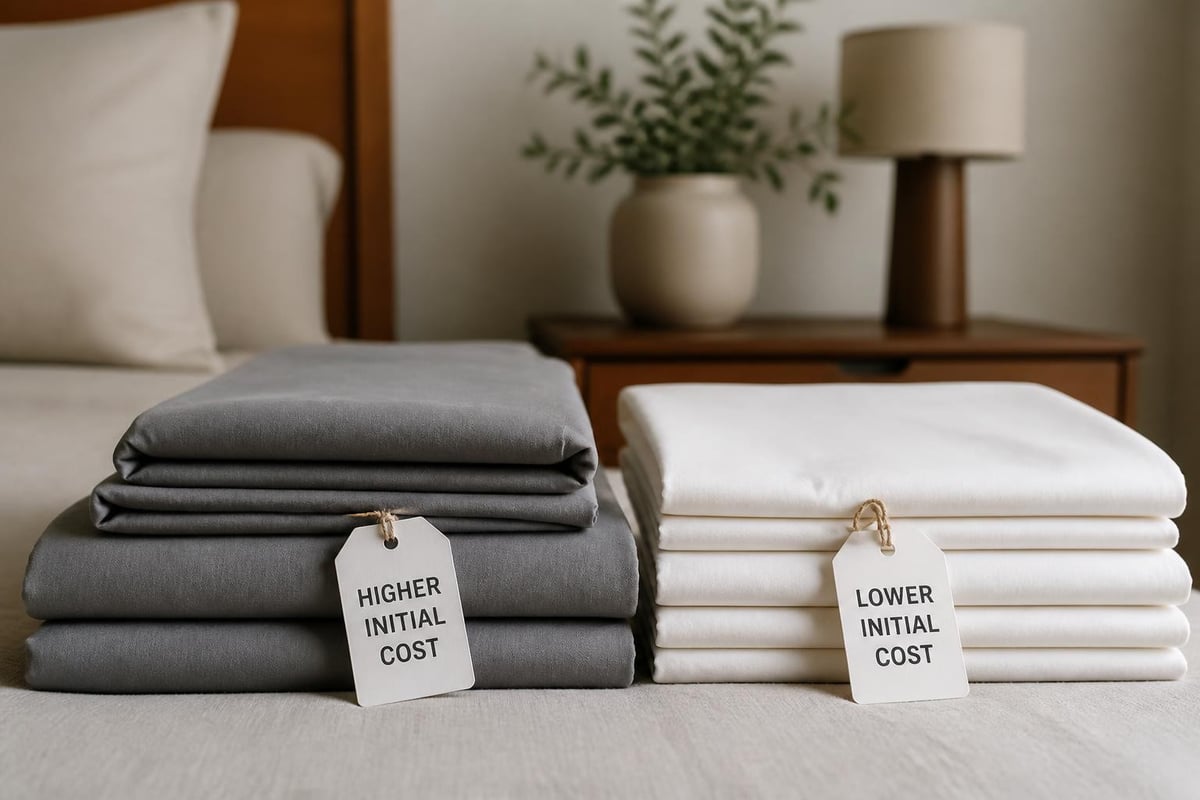
That £8 sheet set might seem like brilliant value initially, but house sheet price should account for longevity. Cheap sheets often:
- Pill excessively after just a few washes
- Fade dramatically in sunlight or with washing
- Develop thin patches within months
- Shrink unpredictably, no longer fitting your mattress
- Require replacement far sooner than quality alternatives
Calculate the actual cost per year rather than just the upfront house sheet price. A £30 set lasting five years costs £6 annually, whilst a £10 set needing annual replacement costs more in the long run and creates more waste.
Smart shopping strategies for better house sheet price
Getting fabulous sheets without overspending requires strategy, not just luck. Here's how savvy shoppers maximise value in 2026.
Buy off-season whenever possible. Retailers discount winter bedding in spring and summer options in autumn. Stock up on seasonal bedding when prices drop, storing extras for future use.
Sign up for newsletters from retailers you trust. Many offer exclusive discounts to subscribers, early access to sales, and special birthday promotions. The modest inbox clutter pays dividends when you're ready to purchase.
Multi-set purchasing advantages
Buying multiple sheet sets simultaneously often reduces the per-set house sheet price substantially. This approach offers several benefits:
- Volume discounts from retailers
- Consistent quality across all sets
- Extended rotation that reduces wear on individual sets
- Convenience of having backups ready
Having three sets in rotation means each set gets washed and used less frequently, extending lifespan considerably. This strategy actually saves money whilst ensuring you always have fresh sheets available.
Understanding thread count myths and realities
Thread count confusion contributes to unrealistic expectations about house sheet price. Marketing departments love impressive-sounding numbers, but the reality proves more nuanced.
True thread count measures the number of horizontal and vertical threads per square inch of fabric. Manufacturers started gaming this system by:
- Twisting multiple thin threads together and counting each strand separately
- Using extremely thin, weak threads that create high counts but poor durability
- Claiming impossibly high thread counts that defy manufacturing limitations
The sweet spot for most shoppers sits between 200-400 thread count for percale weaves and 300-600 for sateen. Numbers significantly higher than this often indicate marketing fluff rather than genuine quality improvements.
Focus instead on the feel, weight, and construction of the sheets. A well-made 300-thread-count sheet from quality cotton outperforms a dubious 1200-thread-count sheet made from inferior materials every single time.
| Thread Count Range | Reality Check | Expected Performance |
|---|---|---|
| 150-200 | Budget basics | Functional, less soft |
| 200-400 | Quality standard | Balanced durability and comfort |
| 400-600 | Premium range | Excellent for luxury weaves |
| 600+ | Questionable | Often marketing over substance |
The impact of size on house sheet price
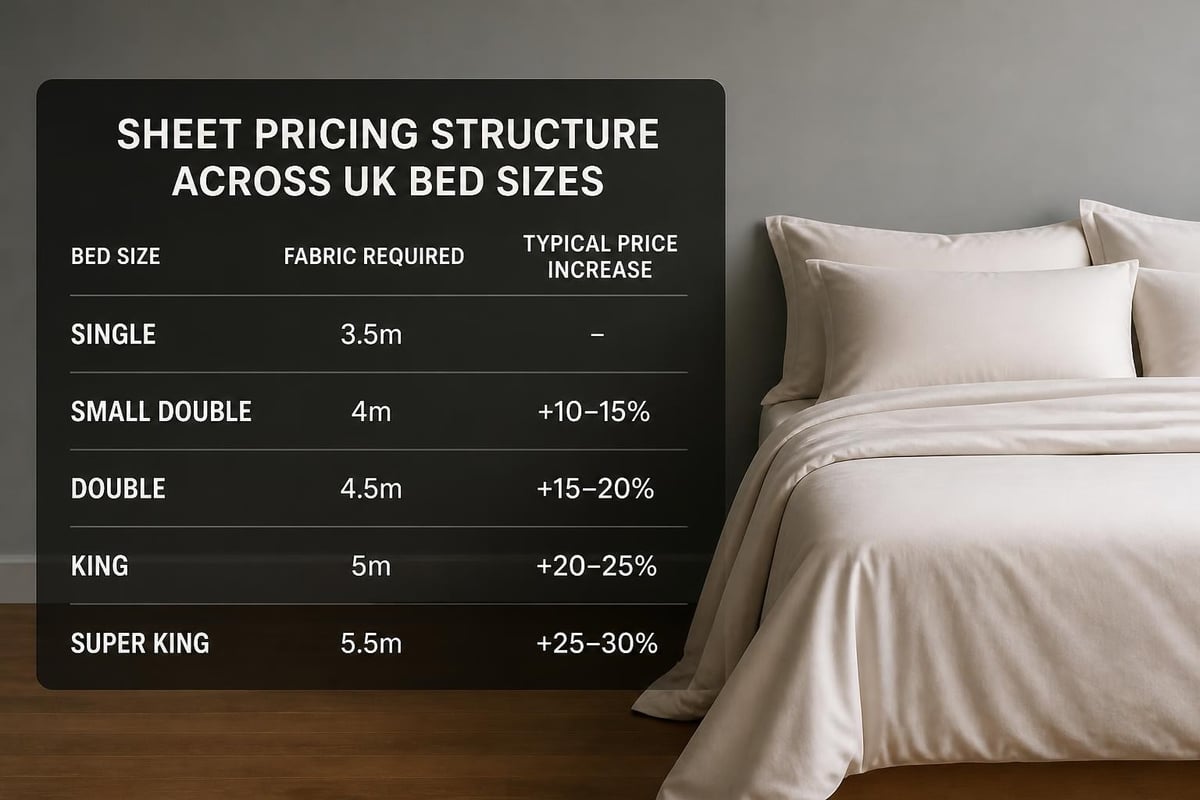
Bed size dramatically affects house sheet price, with larger sizes commanding substantially higher costs. A super king set typically costs 40-60% more than a single set in the same range, reflecting the additional fabric required.
Fitted sheets for deeper mattresses also increase prices. Modern mattresses often measure 30-35cm deep, requiring sheets with deeper pockets than traditional 25cm options. Check depth specifications before purchasing to avoid the frustration of sheets that pop off corners during the night.
Some retailers offer bed sheets sold separately rather than in sets, allowing you to purchase exactly what you need. This approach can reduce costs if you only need to replace one component rather than an entire set.
Sustainable options and their pricing
Eco-conscious shoppers increasingly seek sustainable bedding, but wonder how this affects house sheet price. Sustainable options typically cost more initially due to:
- Organic certification processes and fees
- Better labour practices throughout the supply chain
- Environmentally friendly dyeing and finishing processes
- Smaller production runs from ethical manufacturers
The sustainable bedding collection demonstrates that eco-friendly doesn't necessarily mean unaffordable. Many sustainable sheets offer exceptional durability that offsets higher initial costs through extended lifespan.
BCI (Better Cotton Initiative) certified sheets provide a middle ground between conventional and fully organic options. BCI cotton bedding balances improved environmental practices with accessible pricing, making ethical choices easier for budget-conscious shoppers.
Long-term value of sustainable sheets
Sustainable sheets often deliver superior longevity due to higher-quality fibres and construction. This extended lifespan means the actual house sheet price per year of use frequently equals or beats cheaper alternatives.
Environmental costs matter too. Replacing cheap sheets annually creates waste and requires repeated manufacturing, whilst quality sustainable sheets lasting five-plus years significantly reduce environmental impact.
Special features that affect pricing
Modern sheets offer various special features that influence house sheet price. Understanding which features genuinely benefit you versus which represent unnecessary extras helps focus your budget effectively.
Non-iron sheets appeal to anyone who loathes standing at an ironing board. The non-iron duvet cover sets collection shows how this convenience feature adds modest cost whilst saving considerable time and effort. For busy households, this represents excellent value.
Reversible designs essentially provide two looks for one house sheet price. Reversible duvet cover sets let you refresh your bedroom's appearance without purchasing multiple sets, stretching your decorating budget further.
Here are features worth considering:
- Deep pockets: Essential for modern thick mattresses, prevents frustration
- Cooling technology: Valuable for hot sleepers, improves sleep quality
- Hypoallergenic treatments: Important for allergy sufferers, reduces symptoms
- Fade-resistant dyeing: Maintains appearance longer, better long-term value
- Reinforced stitching: Extends lifespan significantly, worthwhile investment
Features to potentially skip include overly trendy patterns that quickly feel dated, extremely delicate fabrics requiring professional cleaning, and gimmicky additions that complicate care without adding real benefits.
How market conditions influence house sheet price
Like many consumer goods, house sheet price responds to broader economic factors. In 2026, several trends shape bedding costs across the UK market.
Supply chain improvements since the disruptions of earlier years have stabilised pricing somewhat, though global cotton prices still fluctuate with weather patterns and demand. Research indicates that multiple factors influence pricing in consumer markets, and bedding follows similar patterns.
Retailer competition benefits shoppers significantly. Online retailers and traditional stores compete vigorously for customers, leading to regular promotions and competitive pricing. Monitoring several trusted retailers helps you spot genuine deals versus inflated "discounts" from artificially high starting prices.
Inflation affects manufacturing and transport costs, which eventually flow through to retail house sheet price. However, efficient retailers like Happy Home Shop work hard to absorb cost increases where possible and maintain accessible pricing for budget-conscious shoppers.
Matching house sheet price to your specific needs
Not everyone needs the same type of sheets, so your ideal house sheet price depends on personal circumstances and priorities. Tailoring purchases to your situation maximises value.
For families with young children, prioritise durability and easy care over luxury feel. Microfibre or sturdy cotton blends withstand frequent washing and inevitable spills better than delicate fabrics. The kids duvet cover sets range offers fun designs with practical construction suitable for energetic little ones.
Hot sleepers benefit from investing slightly more in breathable percale cotton or linen that regulates temperature effectively. Poor sleep costs far more than the modest premium for appropriate bedding.
Budget-conscious households should focus on mid-range pricing with proven durability rather than either extreme. Very cheap sheets require frequent replacement, whilst ultra-premium options often deliver diminishing returns on investment.
Building your sheet collection strategically
Rather than purchasing everything at once, build your collection gradually to spread costs and take advantage of sales. Start with two complete sets for your primary bedroom, allowing regular rotation. Add guest room bedding and additional sets when prices drop during seasonal sales.
This phased approach makes quality bedding accessible on virtually any budget whilst ensuring you always have fresh sheets available. Track house sheet price trends for your preferred styles and pounce when excellent deals appear.
Guest room considerations for house sheet price
Guest rooms present unique opportunities to optimise house sheet price without sacrificing hospitality. Since these sheets see less frequent use, you can make different choices than for everyday bedding.
Classic white or neutral sheets work beautifully for guest spaces, creating a fresh hotel-like feel that suits any décor. The hotel style duvet cover sets collection captures this timeless aesthetic at accessible prices, delivering comfort that makes guests feel genuinely welcome.
Guest room sheets endure less wear, so you might choose slightly lighter-weight options than your personal bedding whilst still maintaining quality. Focus on easy care rather than delicate luxury since you want quick turnaround between visitors.
Understanding house sheet price empowers you to make confident purchasing decisions that balance quality, comfort, and budget perfectly. Whether you're drawn to classic cotton, convenient microfibre, or sustainable options, knowing what influences pricing helps you spot genuine value and avoid overpaying for unnecessary features. Ready to refresh your bedroom with beautiful bedding that won't strain your wallet? Browse the extensive selection at Happy Home Shop, where quality meets affordability and every purchase brings you closer to creating the comfortable, stylish home you deserve.