There's something utterly magical about slipping into a bed dressed in beautiful duvet linen. It's that perfect combination of crisp yet soft, lived-in yet luxurious, and somehow manages to look effortlessly chic even when slightly rumpled. If you've been eyeing linen bedding but aren't quite sure whether it's right for your home, you're in exactly the right place. Let's explore everything you need to know about duvet linen, from its natural benefits to how to care for it properly, and why it might just be the budget-friendly luxury upgrade your bedroom has been waiting for.
What makes duvet linen so special?
Linen fabric has been treasured for thousands of years, and there's a brilliant reason it's experiencing such a revival in modern bedding. Made from flax plant fibres, duvet linen offers a unique combination of properties that synthetic fabrics simply can't match.
Unlike cotton or polyester alternatives, linen naturally regulates temperature throughout the year. It wicks moisture away from your body during warm summer nights whilst providing cosy insulation when temperatures drop. This makes it an absolute dream for those of us who tend to overheat during the night or share a bed with someone whose internal thermostat runs completely differently to ours.
Key benefits of choosing duvet linen:
- Exceptional breathability keeps you comfortable year-round
- Naturally hypoallergenic and resistant to bacteria
- Becomes softer and more comfortable with every wash
- Incredibly durable and can last for decades with proper care
- Environmentally friendly fabric requiring fewer resources than cotton
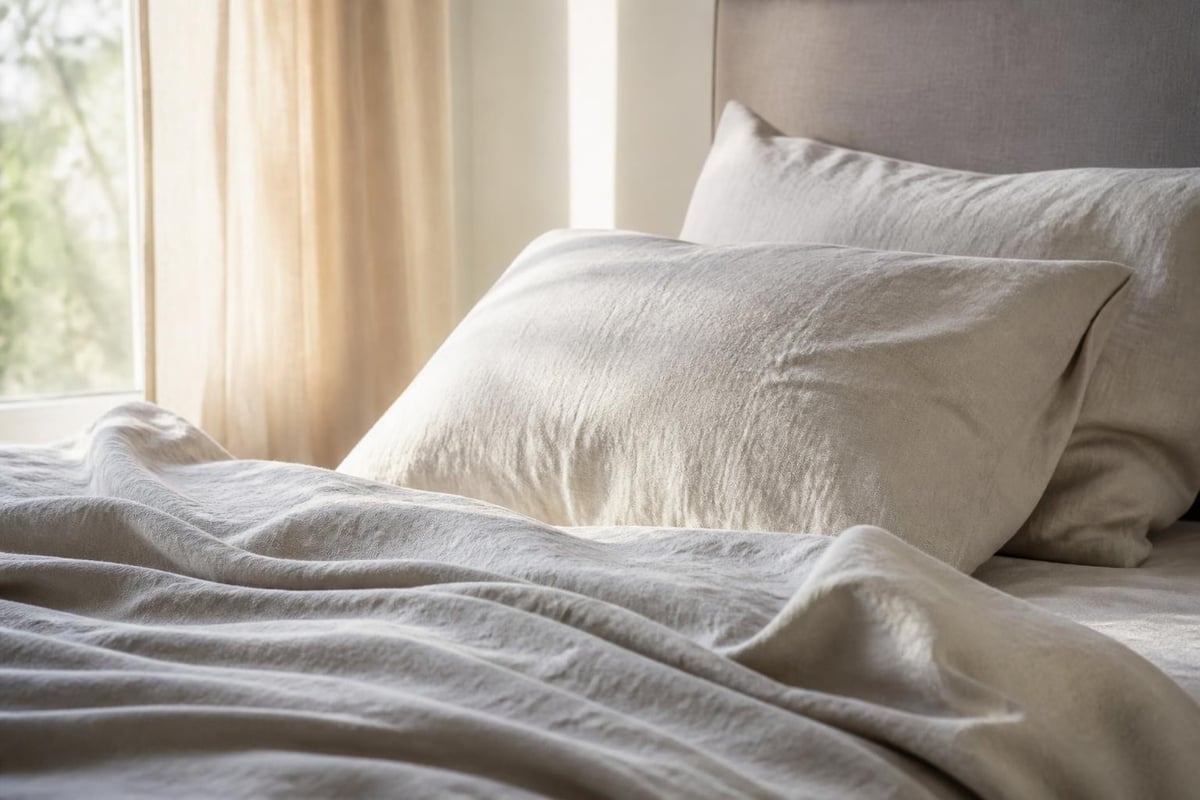
The texture of duvet linen also brings wonderful character to your bedroom. That slightly textured, relaxed look creates an inviting atmosphere that feels both sophisticated and lived-in. It's the opposite of overly formal or stuffy, which is exactly what makes it perfect for creating a welcoming space.
Choosing the right duvet linen for your needs
Not all duvet linen is created equal, and understanding the differences helps you make a choice you'll love for years to come. When browsing options at Happy Home Shop, you'll want to consider several factors.
Understanding linen weights
Linen comes in different weights, typically measured in grams per square metre (GSM). Lightweight linen (around 150-180 GSM) works beautifully for summer or warmer climates, whilst medium-weight options (180-220 GSM) offer versatility across seasons. Heavier linen (220+ GSM) provides extra cosiness for winter months.
Most duvet linen sets fall into the medium-weight category, striking that perfect balance between breathability and substance. This makes them practical for year-round use, which is rather brilliant for those of us who prefer not to swap our bedding with every season change.
Weave patterns to consider
| Weave Type | Characteristics | Best For |
|---|---|---|
| Plain weave | Classic, crisp texture with visible texture | Traditional linen lovers |
| Stonewashed | Pre-softened, relaxed appearance | Immediate comfort seekers |
| Belgian linen | Exceptionally smooth, high-quality fibres | Premium feel on a budget |
| French linen | Slightly heavier, luxurious drape | Those who want extra weight |
According to Sleep Pilot's review of the best linen duvet covers, the weave and finish significantly impact both the feel and longevity of your bedding investment.
Colour considerations for linen
Duvet linen looks absolutely stunning in natural, earthy tones. Classic white and ivory remain timeless choices that brighten any bedroom, whilst soft greys, warm taupes, and gentle sage greens bring subtle colour without overwhelming your space. If you're interested in exploring different colour approaches, our guide on colourful vs minimal duvet covers offers brilliant inspiration.
Darker shades like charcoal, navy, or forest green create a moody, sophisticated atmosphere. The beauty of duvet linen is that even bold colours maintain an organic, relaxed feel thanks to the fabric's natural texture.
Caring for your duvet linen investment
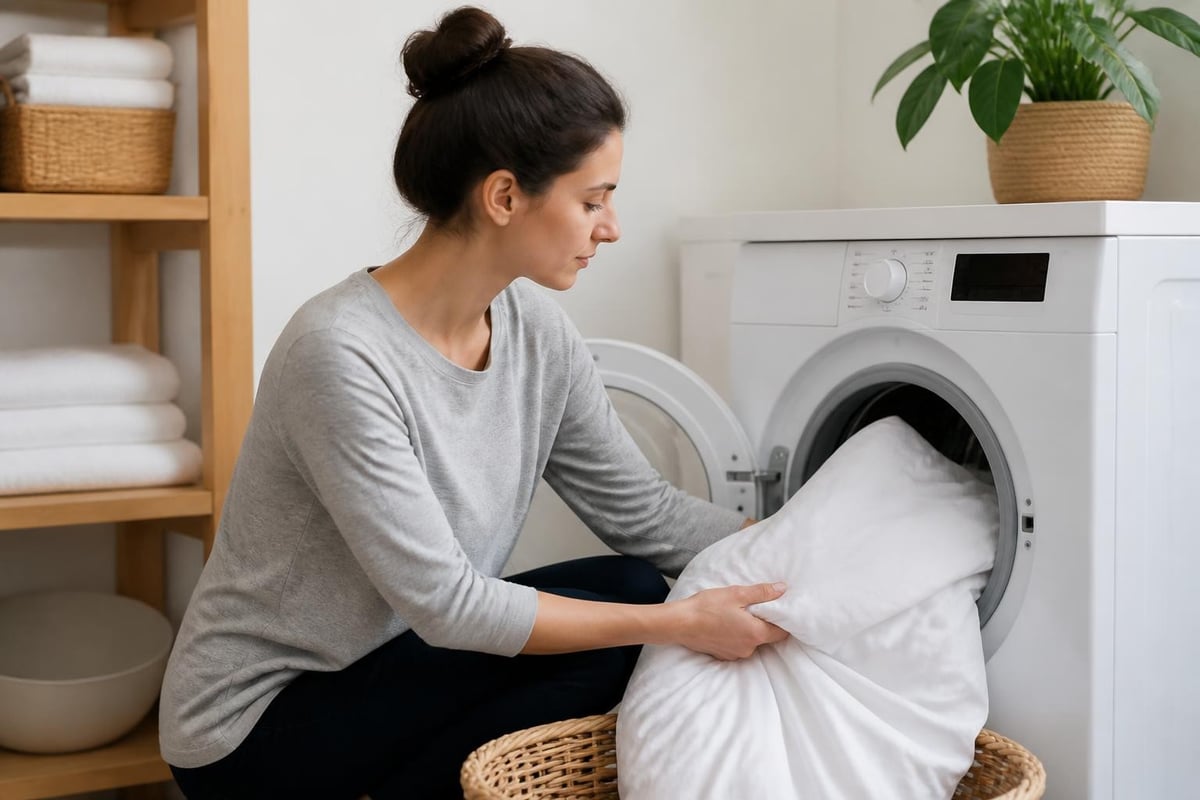
Here's the wonderful news: duvet linen actually improves with age and washing, becoming softer and more comfortable over time. However, treating it properly from the start ensures it reaches its full potential.
Initial washing steps:
- Wash your new duvet linen separately before first use
- Use cool to lukewarm water (30-40°C maximum)
- Choose a gentle, eco-friendly detergent without brighteners
- Avoid fabric softeners, which coat the fibres and reduce breathability
- Add an extra rinse cycle to remove all detergent residue
The first few washes will release some natural fibres, creating a bit of lint. This is completely normal and settles down after three or four washes. Your duvet linen will continue softening with each wash whilst maintaining its durability.
Drying and storage tips
Line drying is absolutely brilliant for duvet linen. Hang it outside on a breezy day, and the natural movement creates beautiful softness without any effort. If you're using a tumble dryer, choose a low heat setting and remove the duvet linen whilst still slightly damp to prevent excessive wrinkling.
For more detailed washing guidance that applies to all your bedding, check out our comprehensive article on how to wash and store your bedding for maximum longevity.
Pro tip: Never store duvet linen in plastic bags or airtight containers. The fabric needs to breathe even when not in use. Pop it in a cotton storage bag or on an open shelf instead.
Styling your bedroom with duvet linen
One of the most delightful aspects of duvet linen is how effortlessly it elevates your bedroom aesthetic. The natural texture and relaxed drape create that coveted "perfectly imperfect" look that's both Instagram-worthy and genuinely comfortable.
Layering for visual interest
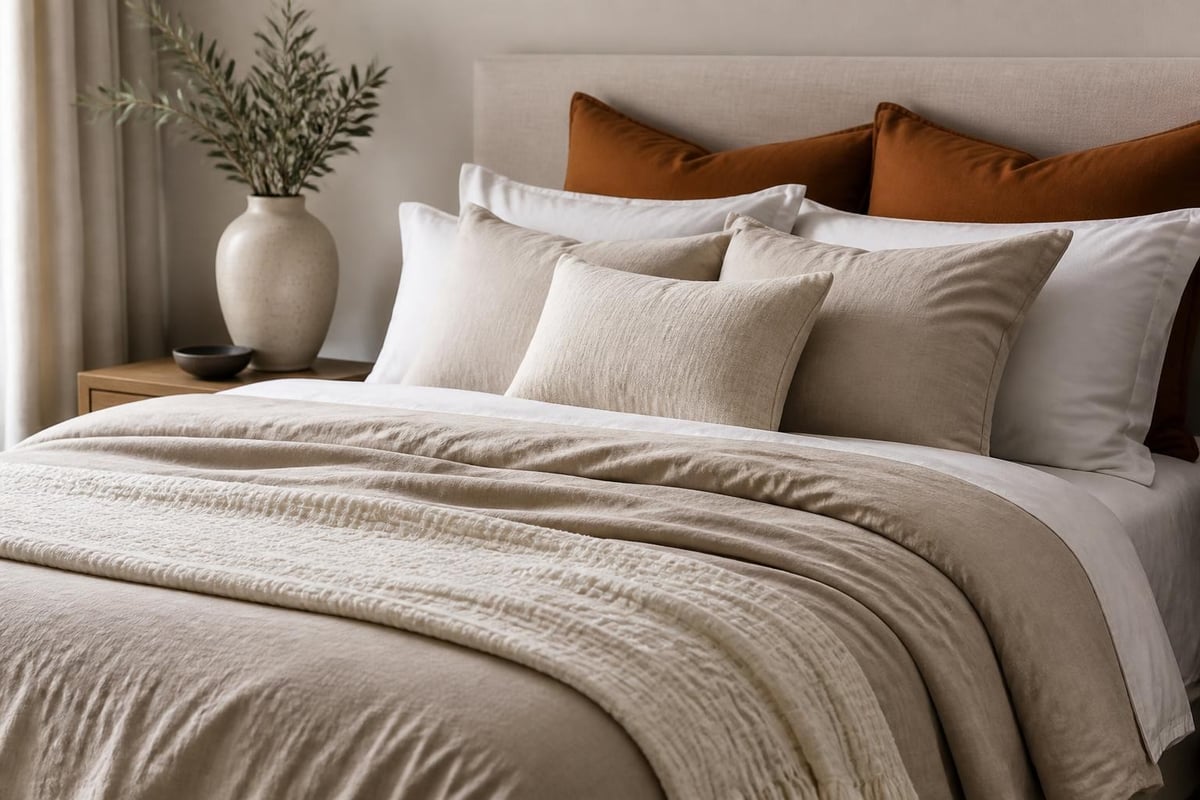
Creating depth in your bedding doesn't require matching everything perfectly. In fact, mixing textures and slight colour variations adds wonderful visual interest. Try pairing your duvet linen with smooth cotton sheets underneath, or layer a soft throw across the foot of the bed for extra cosiness and style.
- Start with quality fitted sheets as your base layer
- Add your duvet linen as the statement piece
- Introduce contrasting pillowcases in complementary tones
- Finish with a textured throw or lightweight blanket
The beauty of this approach is that you can easily refresh your bedroom's look without replacing everything. Simply swapping your throw or adding different cushions transforms the entire feel.
Seasonal adaptations
Whilst duvet linen works brilliantly year-round, small seasonal tweaks keep your bedroom feeling fresh and appropriate for the weather. During summer months, pair lighter-coloured duvet linen with minimal layering. As autumn approaches, introduce warmer tones and add extra blankets for cosiness.
Looking for more ideas about creating the perfect bedroom atmosphere? Our article on transforming your bedroom into a snuggly sanctuary offers brilliant inspiration for making your space feel absolutely heavenly.
Understanding duvet linen quality and value
When shopping for duvet linen, you'll notice quite a range of prices. Understanding what influences cost helps you make an informed decision that balances quality with budget.
| Quality Factor | What to Look For | Impact on Price |
|---|---|---|
| Fibre length | Long-staple flax creates smoother fabric | Higher quality, higher cost |
| Country of origin | European linen (Belgian, French) typically premium | Moderate to significant |
| Weave density | Tighter weaves feel more substantial | Moderate increase |
| Finishing process | Stonewashing or enzyme treatments add softness | Slight to moderate increase |
| Closure type | Hidden buttons or quality zips versus basic closures | Minimal impact |
According to Linenforce's comprehensive guide to linen duvet covers, investing in quality duvet linen means you're purchasing bedding that will genuinely last for years, making the cost per use remarkably low.
Spotting quality duvet linen
Run your hands over the fabric before purchasing. Quality duvet linen should feel substantial yet supple, with a slight texture that's pleasant rather than rough. Check the stitching around hems and closures as well. Reinforced seams and quality finishing indicate bedding that will withstand regular washing.
Even budget-friendly options can offer excellent quality if you know what to look for. The collections available through retailers like Happy Home Shop prove that beautiful duvet linen doesn't require spending a fortune.
Common questions about duvet linen answered
Does duvet linen wrinkle easily?
Yes, wrinkling is part of linen's natural character. Rather than fighting it, embrace the relaxed, lived-in look that makes duvet linen so appealing. If you prefer a crisper appearance, remove your duvet linen from the dryer whilst slightly damp and smooth it onto your bed immediately. The weight of your duvet insert will naturally reduce wrinkles.
For those wondering about ironing bedding generally, our article on whether you really need to iron your bed sheets explores this question in detail.
How does duvet linen compare to cotton?
Both fabrics have brilliant qualities. Cotton, particularly long-staple varieties, offers a smooth, crisp feel that many people adore. You can explore more about why cotton is an excellent choice for duvet covers in our dedicated guide.
Duvet linen, however, offers superior breathability and durability. It regulates temperature more effectively and develops a wonderful patina over time. Cotton feels more polished initially, whilst linen gets better with age.
Will duvet linen shrink?
High-quality duvet linen is typically pre-washed and should experience minimal shrinkage. Expect about 3-5% shrinkage after the first few washes, which is why many manufacturers cut linen bedding slightly larger to accommodate this natural process.
Always follow care instructions carefully, using cool water and gentle cycles. Hot water and high dryer heat can cause excessive shrinkage and damage the fibres.
Making duvet linen work with your lifestyle
For busy households
Duvet linen is surprisingly practical for families and busy individuals. Its natural antimicrobial properties mean it stays fresher longer between washes. The fabric's durability stands up to frequent washing without losing quality, which is essential when you're dealing with spills, pet hair, or general everyday life.
Understanding how often to change your bed sheets helps you maintain freshness without overwashing, which benefits both your bedding and your schedule.
For allergy sufferers
If allergies or sensitive skin influence your bedding choices, duvet linen offers brilliant advantages. The natural fibres are hypoallergenic and resist dust mites, mould, and bacteria. Unlike synthetic fabrics that can trap allergens, linen's breathable structure keeps your sleeping environment cleaner and healthier.
For more information about bedding and allergies, our guide on allergic reactions to bed sheets provides helpful insights.
For eco-conscious shoppers
Choosing duvet linen aligns beautifully with sustainable living values. Flax plants require minimal water, pesticides, or fertilizers compared to cotton. The entire plant can be used, creating virtually no waste during processing. Additionally, linen is completely biodegradable, meaning your bedding won't contribute to landfill at the end of its long life.
Maximizing your duvet linen investment
Rotating your bedding
Owning two sets of duvet linen allows you to rotate them, extending the life of both whilst always having fresh bedding available. This approach also gives you flexibility to change your bedroom's look seasonally or simply when you fancy a refresh.
Benefits of having multiple sets:
- One set can be washed whilst the other is in use
- Different colours create seasonal variety
- Reduced wear on each individual set
- Always have backup during unexpected spills
Proper sizing matters
Ensuring your duvet linen fits properly prevents frustration and extends its life. Measure your duvet insert before purchasing, and choose a cover that matches or is slightly larger. Our guide on duvet cover sizing and fit helps you avoid common sizing mistakes that lead to bunching or slipping.
Addressing wear and tear
Even the highest-quality duvet linen will eventually show signs of wear, typically around closures or edges first. Small repairs early on prevent larger problems. Reinforce button holes that become loose, and mend small tears promptly to extend your bedding's life considerably.
If you're exploring complete bedding solutions, consider how duvet linen fits into your overall bedroom refresh plans.
The investment perspective
When you calculate the cost per use of quality duvet linen, it becomes remarkably affordable. A well-made duvet linen set can easily last ten years or more with proper care. Compare this to cheaper alternatives that need replacing every year or two, and the value becomes clear.
Cost breakdown example:
- Quality duvet linen set: £80-120
- Expected lifespan: 10+ years
- Approximate cost per year: £8-12
- Weekly cost: Approximately £0.15-0.23
This perspective transforms duvet linen from a luxury purchase into a sensible investment in better sleep and a more beautiful home. According to House Beautiful's explanation of duvet covers, choosing quality bedding fundamentally impacts your daily comfort and bedroom aesthetics.
Duvet linen offers the perfect combination of practical benefits and effortless style, making it an brilliant choice for anyone wanting to create a beautiful bedroom without breaking the budget. From its natural temperature regulation to its lovely, lived-in aesthetic, duvet linen brings lasting value to your home. When you're ready to experience the difference quality linen bedding makes, explore the carefully curated collections at Happy Home Shop, where affordable luxury meets exceptional quality in every thread.