If you've ever wandered through the bedding aisle or scrolled through online shops, you've probably encountered the term "duvet cover" and wondered exactly what makes it different from other bedding. The question "duvet cover what is it" is surprisingly common, and for good reason! This clever piece of bedding has become a staple in modern homes, offering both practical benefits and endless style possibilities. Whether you're setting up your first flat or simply refreshing your bedroom, understanding what a duvet cover actually is will help you make smarter choices for a cosier, more stylish sleep space without breaking the bank.
What exactly is a duvet cover?
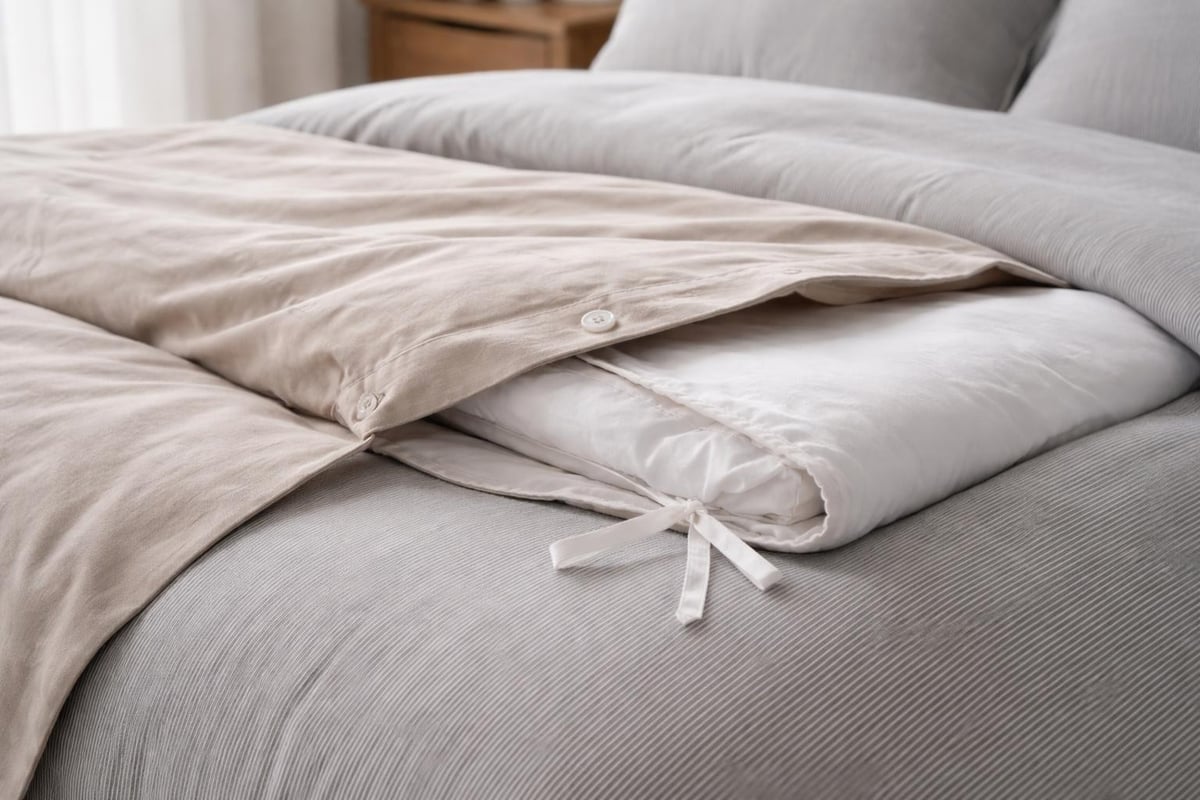
A duvet cover is essentially a protective fabric case designed to slip over your duvet insert, much like a pillowcase protects your pillow. Think of it as a giant, removable envelope that keeps your duvet clean whilst adding personality to your bedroom. The Sleep Foundation explains duvet covers as an essential component of the duvet system, working together with the insert to create comfortable, customizable bedding.
Unlike a comforter (which is a single, quilted piece), a duvet system consists of two separate elements: the duvet insert (the fluffy filling) and the cover that goes over it. This separation is what makes duvet covers so brilliant for budget-conscious homemakers.
The anatomy of a duvet cover
Most duvet covers feature three closed sides and one open side with a closure mechanism. Here's what you'll typically find:
- Opening with closures: Usually buttons, press studs, ties, or a zip at the bottom or side
- Corner ties or loops: Inside corners that attach to your duvet insert to prevent shifting
- Envelope-style construction: Creates a seamless look when properly fitted
- Reversible designs: Many covers offer two different patterns or colours on each side
The beauty of this design means you can easily remove the cover for washing, swap it out seasonally, or change your bedroom's entire look without purchasing a new duvet insert.
How duvet covers differ from comforters and bedspreads
When you're asking "duvet cover what is it", you're likely also wondering how it compares to other bedding options. Good Housekeeping clarifies the differences between these popular choices, and understanding the distinctions helps you make the best decision for your home.
| Bedding Type | Structure | Washing | Style Flexibility | Cost |
|---|---|---|---|---|
| Duvet Cover + Insert | Two-piece system | Cover washes easily | High - swap covers anytime | Budget-friendly long-term |
| Comforter | One quilted piece | Entire piece needs washing | Low - stuck with one look | Moderate initial cost |
| Bedspread | Decorative top layer | Moderate difficulty | Moderate | Varies widely |
Duvet covers offer unmatched versatility. You can change your bedroom's entire aesthetic for the price of a cover, rather than replacing an expensive comforter. This makes them particularly appealing for renters, students, or anyone who loves refreshing their space regularly.
Comforters are sewn-through quilted blankets with filling distributed throughout. Whilst convenient, they're bulkier to wash and you're committed to that design until you purchase a completely new one.
Bedspreads sit on top of your other bedding as a decorative layer, but they don't provide the same warmth or protection as a duvet system.
Materials and fabrics for duvet covers
The fabric you choose dramatically affects how your duvet cover feels, performs, and lasts. When considering duvet cover what is it made from, you'll encounter several popular options, each with distinct characteristics.
Cotton varieties
Percale cotton offers a crisp, cool feel with a matte finish. It's brilliant for warmer months or hot sleepers, providing breathability without sacrificing quality. Many affordable options use percale weaving for that hotel-fresh feeling.
Sateen cotton features a silky-smooth surface with a subtle sheen. This weave creates a luxurious drape and soft hand-feel, perfect for those who prefer a more polished bedroom aesthetic.
Jersey cotton feels like your favourite t-shirt, offering stretch and cosiness. It's wonderfully low-maintenance and rarely needs ironing, making it ideal for busy households.
Budget-friendly alternatives
- Microfibre: Incredibly soft, wrinkle-resistant, and affordable
- Polycotton blends: Combine cotton's breathability with polyester's durability
- Brushed cotton: Provides warmth and softness without premium pricing
The plain duvet cover sets collection showcases how simple, quality fabrics can create timeless bedroom style. Meanwhile, the microfibre duvet cover sets offer exceptional value for those prioritizing easy care and comfort.
For sustainability-minded shoppers, sustainable bedding options include organic cotton and eco-friendly materials that don't compromise on quality or affordability.
Why use a duvet cover instead of a bare duvet?
Understanding duvet cover what is it solving for your bedroom helps justify the small investment. These protective covers serve multiple practical purposes beyond aesthetics.
Hygiene and cleanliness
Your duvet insert is bulky and challenging to wash frequently. A cover acts as a barrier between your body and the insert, catching oils, sweat, and dust. Simply remove and wash the cover every week or fortnight, just like your sheets. This keeps your sleeping environment fresh without the hassle of wrestling a massive duvet into your washing machine.
Extended duvet lifespan
Quality duvet inserts represent a significant investment. By protecting them from stains, wear, and body oils, covers can extend your duvet's life by years. This protection is especially valuable if you've invested in down or high-quality synthetic fills.
Design versatility on a budget
Here's where duvet covers truly shine for budget-conscious homemakers:
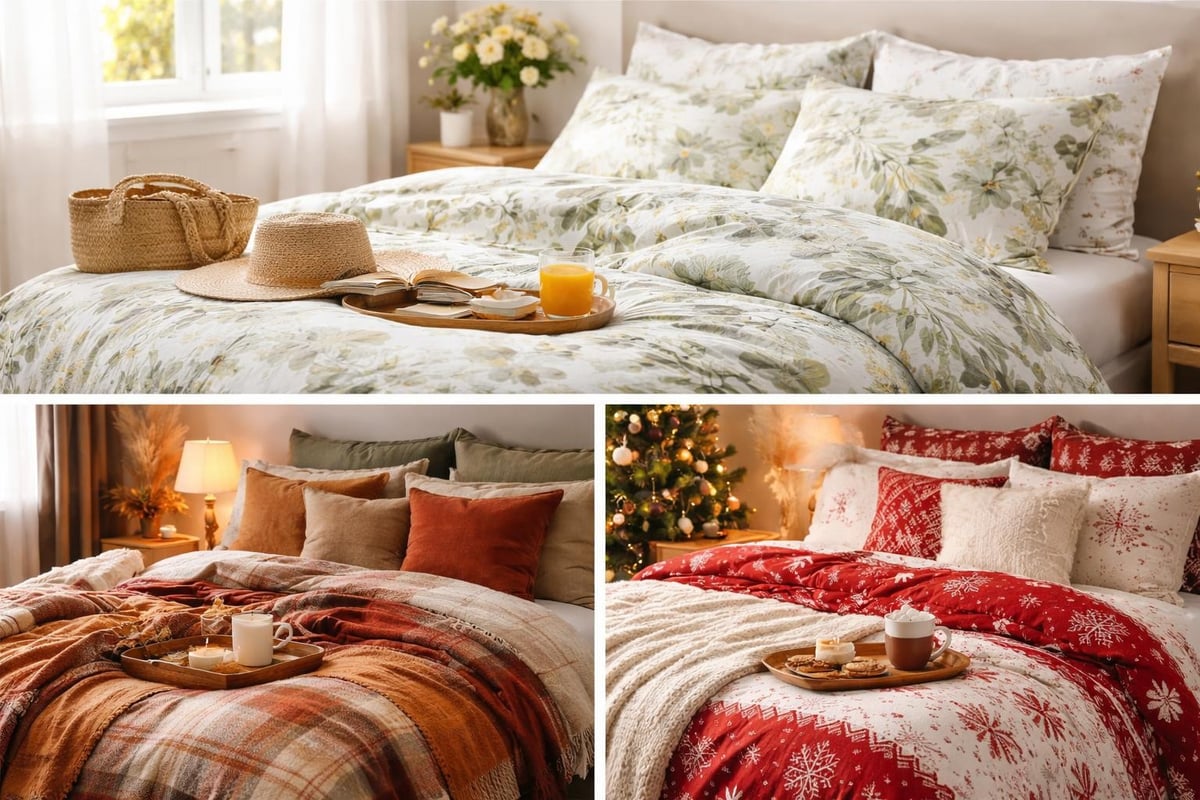
- Seasonal updates: Switch from florals in spring to cosy patterns in autumn
- Mood changes: Refresh your space when you're craving something new
- Guest-ready: Keep a spare cover for instant bedroom transformations
- Rental-friendly: Change your look without permanent alterations
The reversible duvet cover sets offer two looks in one purchase, doubling your design options whilst staying budget-friendly.
Choosing the right size duvet cover
Getting the proper size ensures your duvet looks plush and inviting rather than saggy or overstuffed. Understanding duvet definitions helps clarify the sizing relationship between inserts and covers.
Standard UK sizing
| Bed Size | Duvet Cover Dimensions | Best For |
|---|---|---|
| Single | 135 x 200 cm | Children, single adults, guest rooms |
| Double | 200 x 200 cm | Couples preferring cosy coverage |
| King | 230 x 220 cm | Spacious coverage for couples |
| Super King | 260 x 220 cm | Maximum luxury and overhang |
Pro tip: Some people prefer sizing up their duvet cover for extra drape and a more luxurious look. A King cover on a Double duvet creates lovely folds and a hotel-style appearance.
For children's rooms, the kids duvet cover sets collection offers properly sized options with playful designs that make bedtime more appealing. Meanwhile, the character bedding range brings favorite characters into the bedroom at affordable prices.
Popular duvet cover styles and patterns in 2026
When exploring duvet cover what is it offering style-wise, you'll find endless options to match any personality or décor scheme. Current trends balance timeless classics with fresh, contemporary designs.
Timeless classics
Plain colours never go out of style. Whether you choose crisp white, calming grey, or bold navy, solid colours create a versatile foundation for layering pillows and throws. They're also incredibly forgiving of stains and wear patterns.
Stripes and checks bring subtle pattern without overwhelming your space. The checks stripes duvet cover sets offer clean, sophisticated options that work in both traditional and modern bedrooms.
Contemporary favourites
- Geometric patterns: Modern, clean-lined designs perfect for minimalist spaces
- Botanical prints: Bringing nature indoors with leaf and floral motifs
- Textured fabrics: Think waffle weaves, seersucker, and stonewashed finishes
- Ombré effects: Graduated colours creating visual interest
The geometric collection showcases how modern patterns can add personality whilst remaining versatile enough to coordinate with various décor styles. For those who love nature-inspired designs, the floral bedding range offers everything from delicate blooms to bold botanical statements.
Seasonal and specialty styles
Different seasons call for different feels. Summer might inspire lighter colours and breathable fabrics, whilst winter beckons richer hues and cosy textures. The seasonal bedding collection makes it easy to refresh your bedroom throughout the year.
For extra warmth and comfort during colder months, teddy bedding offers plush, fleece-like textures that feel like sleeping in a cloud.
How to put on a duvet cover (the easy way)
If you've ever wrestled with a duvet cover, you know it can feel like an Olympic sport! Understanding duvet cover what is it supposed to look like when properly fitted helps, but knowing the technique makes all the difference.
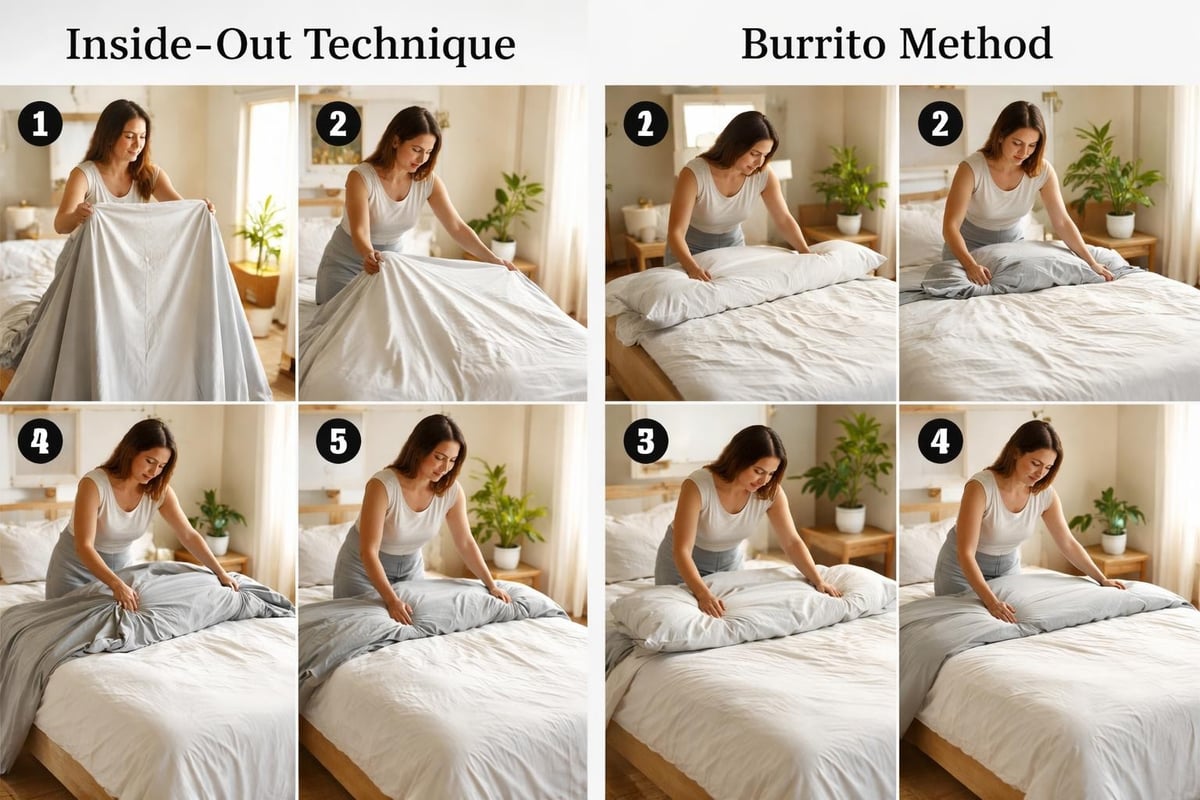
The traditional inside-out method
- Turn the cover inside out completely
- Reach inside to the far corners
- Grab the top corners of your duvet insert through the fabric
- Shake vigorously whilst holding corners to let the cover fall down over the duvet
- Fasten the bottom and smooth everything out
The burrito method (life-changing!)
This technique sounds odd but works brilliantly:
- Lay the duvet cover flat on your bed, inside out, with the opening at the foot
- Place your duvet on top, aligning all edges
- Starting at the head of the bed, roll both layers together tightly like a burrito
- When you reach the opening, pull the cover over each end of the roll
- Unroll back towards the head of the bed
- Fasten the opening and give everything a good shake
Top tip: If your cover has corner ties, secure these to your duvet's corner loops before rolling. This prevents shifting and maintains even filling distribution.
Caring for your duvet cover
Proper care extends the life of your duvet covers whilst keeping them looking fresh and inviting. The maintenance is surprisingly simple and fits into most busy lifestyles.
Washing guidelines
Frequency: Wash your duvet cover every one to two weeks, similar to your sheets. More frequent washing may be necessary if you have allergies, pets, or eat in bed (no judgement here!).
Temperature: Most cotton and microfibre covers handle 40°C washing perfectly. This temperature removes dirt and bacteria whilst being energy-efficient. Check care labels for specific recommendations.
Detergent: Use a moderate amount of quality detergent. Too much can leave residue that attracts dirt, whilst too little won't clean effectively.
Drying and ironing
- Tumble drying: Most covers tolerate low to medium heat. Remove whilst slightly damp to minimize wrinkles
- Line drying: The most economical and eco-friendly option, plus sunshine naturally sanitizes
- Ironing: Cotton percale benefits from ironing for that crisp hotel feel, whilst jersey and microfibre rarely need it
The non-iron duvet cover sets collection eliminates this chore entirely, offering busy homemakers the polished look without the effort.
For those concerned about allergens, similar to managing allergic reactions to bed sheets, washing duvet covers in hot water (60°C when fabric allows) can help eliminate dust mites and other irritants.
Duvet covers vs comforters: making the right choice
Comparing duvets and comforters helps clarify which system works best for your lifestyle and budget. When pondering duvet cover what is it offering that a comforter doesn't, consider these practical factors.
Budget considerations
Initial investment: Purchasing a duvet insert plus cover might cost slightly more upfront than a single comforter. However, the long-term value is superior.
Replacement costs: When you tire of your comforter's design, you'll replace the entire piece. With duvets, you simply purchase a new cover at a fraction of the cost.
Cleaning expenses: Bulky comforters often require professional cleaning, whilst most duvet covers wash easily at home in standard machines.
Lifestyle factors
Frequent changers: If you love refreshing your bedroom's look, duvet covers offer unmatched flexibility. Swap seasonally, monthly, or whenever the mood strikes.
Minimalists: Those preferring simplicity might appreciate a quality comforter's one-and-done approach, though they sacrifice versatility.
Allergy sufferers: Duvet covers provide an extra barrier against allergens and wash more easily than comforters, creating a healthier sleep environment.
Building a complete duvet cover set
When shopping for bedding, you'll encounter "duvet sets" that include coordinating pieces. Understanding what's typically included helps you budget and ensure you have everything needed for a pulled-together look.
Standard set components
Most duvet sets include:
- One duvet cover sized for your bed
- Two pillowcases (one for Single size)
- Matching design across all pieces
- Care instructions and any necessary ties or fastenings
What's NOT included: The actual duvet insert, additional cushions, or fitted sheets. These are purchased separately, allowing you to mix quality levels based on your priorities.
Creating a layered look
To achieve that designer bedroom feel without designer prices:
- Start with your duvet cover as the foundation
- Add coordinating sheets (fitted and flat if you use them)
- Layer cushions in complementary colours and textures
- Include a throw at the foot for visual interest and extra warmth
The hotel style duvet cover sets collection provides that luxurious foundation, whilst the cushions range offers affordable accent pieces to complete your look.
Duvet tog ratings and seasonal considerations
Whilst duvet cover what is it doesn't directly relate to warmth (that's the insert's job), choosing appropriate covers for different seasons enhances comfort and practicality.
Understanding the relationship
The duvet insert's tog rating determines warmth, not the cover. However, cover fabric affects overall comfort:
- Lightweight fabrics (percale, linen) pair beautifully with lower tog duvets for summer
- Brushed or flannel covers add perceived warmth to medium-tog duvets for year-round use
- Heavy fabrics might feel excessive even with low-tog inserts in warm weather
Seasonal swap strategy
Many savvy homemakers maintain a rotation:
| Season | Cover Type | Insert Tog | Benefits |
|---|---|---|---|
| Summer | Lightweight cotton or linen | 4.5 or less | Cool, breathable, fresh feel |
| Spring/Autumn | Medium-weight cotton | 10.5 | Versatile, comfortable |
| Winter | Brushed cotton or flannel | 13.5+ | Cosy, warm, inviting |
This approach means you're not purchasing entirely new bedding each season, just swapping affordable covers. The autumn cosy collection offers perfect options for transitioning into cooler months without a complete bedroom overhaul.
Special occasion and themed duvet covers
Beyond everyday bedding, duvet covers offer brilliant opportunities to celebrate seasons, holidays, and personal interests without permanent commitment or excessive spending.
Holiday and festive options
The Christmas bedding collection transforms bedrooms for the festive season, creating magical sleeping spaces that can be packed away come January. This temporary transformation approach works for any celebration without cluttering your home year-round.
Expressing personality
Themed covers let you showcase interests and passions:
- Travel enthusiasts: The world explorer bedding brings wanderlust into your bedroom
- Animal lovers: Animal duvet cover sets celebrate favourite creatures
- Bold personalities: Gothic duvet cover sets make dramatic statements
These themed options prove particularly valuable for rental properties or children's rooms, where interests change frequently but major renovations aren't possible.
Shopping smart for duvet covers on a budget
Understanding duvet cover what is it worth spending on helps you allocate your budget wisely whilst still creating a beautiful bedroom.
Investment priorities
Splurge on: Quality construction (strong seams, secure closures), fabrics you'll use year-round (versatile neutrals), and pieces that contact your skin directly.
Save on: Trendy patterns that might date quickly, seasonal covers used only temporarily, and extra sets beyond your core rotation.
Value indicators
Look for these signs of quality without premium pricing:
- Thread count between 200-400 (higher isn't always better and can indicate marketing fluff)
- Secure closure systems with reinforced stitching around openings
- Preshrunk fabrics to maintain size after washing
- Colorfast dyes that won't fade quickly or bleed
The luxe duvet cover sets collection demonstrates how affordable doesn't mean sacrificing quality or style. Similarly, keeping an eye on the sales section reveals opportunities to snag premium pieces at budget-friendly prices.
Timing your purchases
Strategic shopping maximizes value:
- End of season sales: Purchase winter covers in spring and summer covers in autumn
- January sales: Brilliant for refreshing bedding after the holidays
- Regular promotion periods: Many retailers offer rotating discounts throughout the year
Now that you understand duvet cover what is it and how it transforms both the practicality and aesthetics of your bedroom, you're equipped to make smart choices that suit your budget and style. Duvet covers offer the perfect combination of function and fashion, protecting your investment whilst letting you express your personality and adapt to changing seasons. Whether you're drawn to timeless plains, bold patterns, or seasonal themes, Happy Home Shop provides an extensive range of quality duvet covers and complete bedding sets at prices that make beautiful sleep spaces accessible for everyone.