If you've ever stood in the bedding aisle wondering "duvet cover is what exactly?", you're not alone. The world of bedding can feel surprisingly confusing, especially when terms like duvet, duvet cover, comforter, and quilt get thrown around interchangeably. Understanding what a duvet cover actually is can transform your bedroom into a stylish, comfortable haven without breaking the bank. Let's demystify this essential piece of bedding and discover why it deserves a place in your home.
What exactly is a duvet cover?
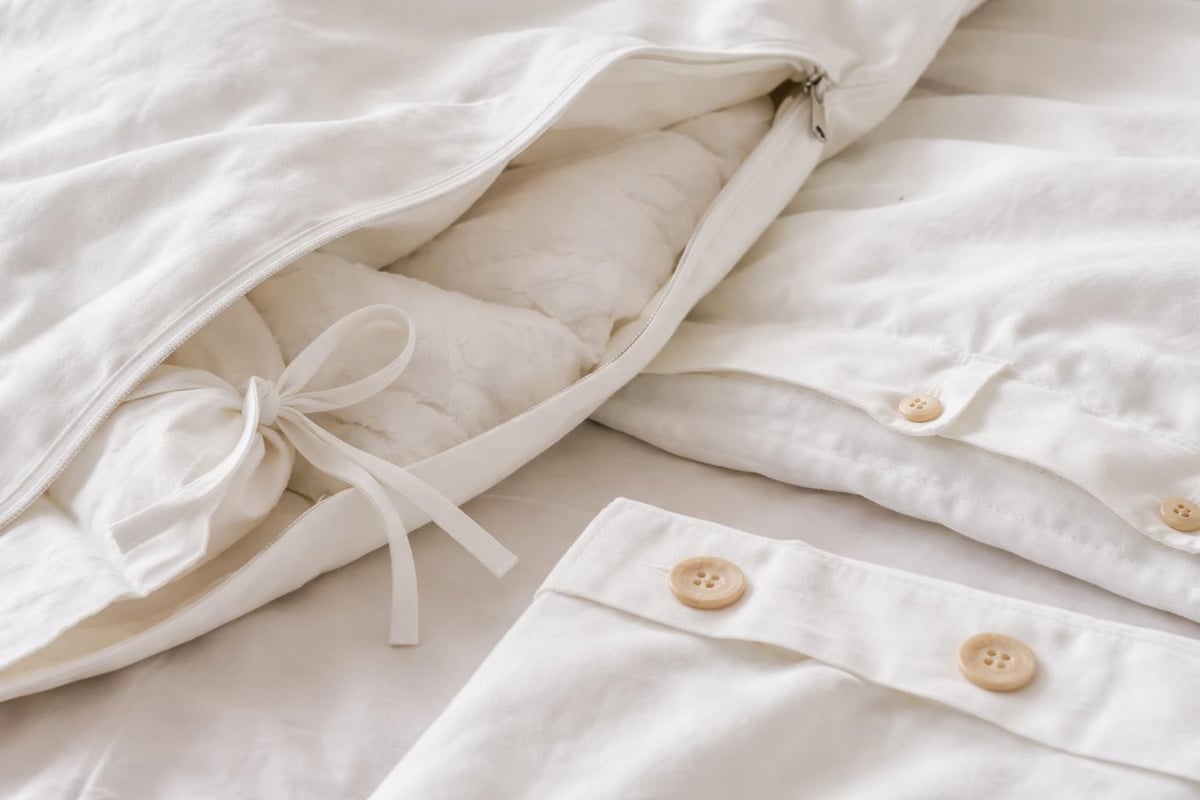
A duvet cover is essentially a large, removable fabric case that protects your duvet insert. Think of it like a giant pillowcase for your duvet. It slips over your duvet (the fluffy, quilted insert that provides warmth) and typically fastens with buttons, zips, or ties at one end.
The duvet cover serves multiple purposes beyond just protection. It keeps your expensive duvet clean, adds a decorative element to your bedroom, and makes washing your bedding far more manageable. Instead of wrestling a bulky duvet into your washing machine, you simply remove the cover and pop it in the wash.
The anatomy of a duvet cover
Understanding the components helps answer the question "duvet cover is what made of?" Most duvet covers feature:
- Main body: Two large fabric panels sewn together on three sides
- Opening: One end left open (usually the bottom or top) for inserting the duvet
- Closure system: Buttons, zips, or ties to secure the duvet inside
- Corner ties: Internal loops that attach to your duvet's corners to prevent shifting
The materials vary widely, from crisp cotton to luxurious silk, cozy flannel to breathable linen. At Happy Home Shop, you'll find an extensive range of fabrics and designs that suit every budget and preference.
How duvet covers differ from other bedding
When people ask "duvet cover is what compared to a comforter?", they're touching on an important distinction. The difference between duvets and comforters affects both how you use them and how you care for them.
| Feature | Duvet Cover | Comforter | Quilt |
|---|---|---|---|
| Structure | Removable cover only | One-piece bedding | Decorative stitched layers |
| Requires insert | Yes | No | No |
| Machine washable | Always | Sometimes | Usually |
| Style versatility | High (easily changed) | Low (permanent design) | Medium |
| Cost to update | Low | High | Medium to high |
Comforters are single-piece items, often with decorative stitching that holds the filling in place. They're typically used on their own without a cover. Quilts are lighter, decorative bed coverings with stitched patterns. The beauty of duvet covers lies in their versatility-you can completely transform your bedroom's look simply by swapping the cover.
Why choose a duvet cover system?
The duvet cover system offers practical benefits that make it increasingly popular in British homes:
Hygiene advantages: Your duvet stays fresh and clean inside its protective cover. This matters especially if you suffer from allergies or sensitivities to bedding materials.
Budget-friendly style updates: Instead of buying entirely new bedding sets, switch out your duvet cover for a fresh look. The plain duvet cover sets collection offers timeless options that work with any décor scheme.
Easy maintenance: Most duvet covers wash and dry quickly, getting you back to a made bed faster than washing a full comforter.
Seasonal flexibility: Use lighter or heavier duvet inserts throughout the year whilst keeping your favorite cover.
Choosing the right duvet cover material
Understanding "duvet cover is what fabric?" helps you select bedding that matches your comfort preferences and lifestyle needs. Different materials offer distinct benefits and drawbacks.
Popular duvet cover fabrics
Cotton remains the most popular choice for good reason. It's breathable, durable, and gets softer with each wash. Cotton is an excellent choice for duvet covers because it regulates temperature effectively and suits all seasons.
Microfibre offers a budget-friendly alternative that's surprisingly soft and wrinkle-resistant. The microfibre duvet cover sets are perfect for busy households where easy care matters.
Linen provides exceptional breathability and a relaxed, textured appearance. It's ideal for warm sleepers but requires acceptance of its naturally crumpled aesthetic.
Flannel or fleece materials like those in teddy bedding collections create cozy warmth perfect for winter months.
When selecting materials, it's worth avoiding certain bedding fabrics that trap heat or cause discomfort. Synthetic polyester blends without breathability can lead to overheating and restless sleep.
Thread count and weave patterns
Thread count refers to the number of threads woven into one square inch of fabric. Here's what you need to know:
- 200-400 thread count: Standard quality, suitable for everyday use
- 400-600 thread count: Premium feel, softer and more durable
- 600+ thread count: Luxury quality, exceptionally smooth
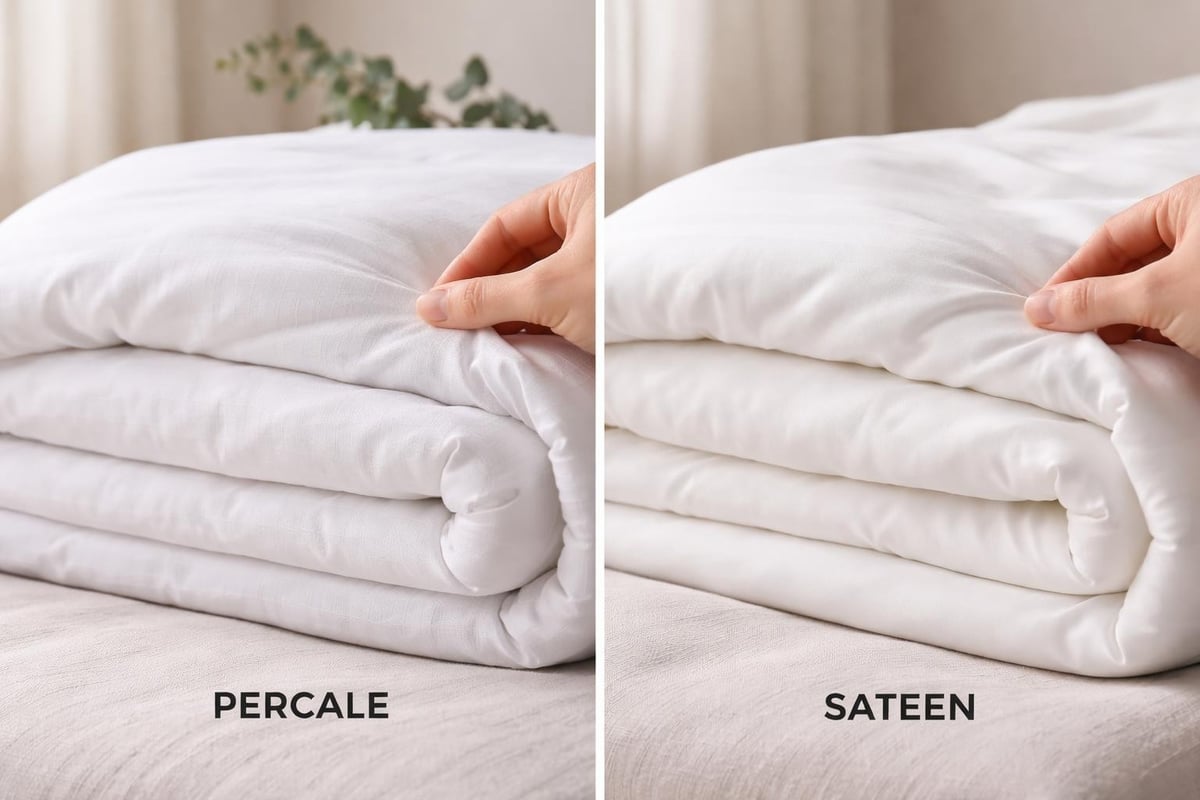
Higher isn't always better-extremely high thread counts can sometimes feel heavy rather than soft. The weave pattern matters too. Percale offers a crisp, cool feel whilst sateen provides a silky, warmer finish.
Styling your bedroom with duvet covers
Once you understand "duvet cover is what" from a functional perspective, the fun part begins-choosing designs that express your personality. Duvet covers offer the easiest way to establish your bedroom's style direction.
Design categories to explore
Classic and timeless: Hotel-style duvet cover sets bring that crisp, luxurious feel home. White, cream, or neutral tones with subtle details create a spa-like atmosphere. The piped bedding trend adds elegant detailing inspired by five-star hotels.
Pattern play: Geometric designs add visual interest without overwhelming your space. Stripes, checks, and abstract patterns work brilliantly in modern or minimalist bedrooms. The checks and stripes collection offers versatile options.
Nature-inspired: Floral bedding ranges from delicate botanical prints to bold, statement blooms. These designs soften masculine spaces and add romance to traditional bedrooms.
Seasonal switches: Create different moods throughout the year. Light, bright covers for spring and summer transition to richer, cozier options from the seasonal bedding range in autumn and winter.
Coordinating with your bedroom
Your duvet cover anchors your bedroom's color scheme. Consider these approaches:
- Monochromatic calm: Stick to variations of one color for a serene, sophisticated space
- Complementary contrast: Choose covers that contrast with wall colors for visual pop
- Pattern mixing: Combine your duvet cover pattern with coordinating cushions in different scales
- Reversible flexibility: Reversible duvet covers give you two looks in one purchase
The beauty of duvet covers lies in their changeability. You're not committed to one look forever, making design experimentation affordable and enjoyable.
Practical considerations when buying duvet covers
Knowing "duvet cover is what size I need?" prevents frustrating returns and ensures a perfect fit. UK duvet sizes follow standard measurements, but covers should be slightly larger than the insert for comfortable coverage.
Standard UK duvet cover sizes
| Size | Dimensions (cm) | Best for |
|---|---|---|
| Single | 135 x 200 | Children's rooms, single beds |
| Double | 200 x 200 | Standard double beds |
| King | 230 x 220 | King-size beds, extra coverage |
| Super King | 260 x 220 | Large beds, luxurious drape |
Always check your duvet insert measurements before purchasing. A cover that's too small won't close properly, whilst one that's excessively large will bunch and shift.
Closure types explained
The closure mechanism affects both ease of use and security. Each type has advantages:
Button closures offer a traditional look and secure fastening. They're easy to use but can sometimes pop open if not all buttons are fastened.
Zip closures provide the most secure option and make changing covers incredibly quick. Ensure the zip runs fully along the opening for easiest insertion.
Tie closures give a charming, vintage feel. They're secure but take longer to fasten and unfasten.
Envelope closures fold fabric over the opening without additional fasteners. Simple but less secure, best for duvets with corner ties.
Caring for your duvet covers
Understanding "duvet cover is what maintenance required?" ensures your bedding stays fresh and lasts for years. Proper care varies by material but follows general principles.
Washing guidelines
Most duvet covers benefit from these practices:
- Wash every one to two weeks for optimal freshness
- Use cool or warm water (check care labels for specific temperatures)
- Choose mild detergent without harsh bleaches
- Wash separately from items with zips or hooks that could snag
- Turn covers inside out to protect outer surface and reduce pilling
The non-iron duvet cover sets simplify post-wash care dramatically, emerging from the dryer virtually crease-free.
Drying and storage
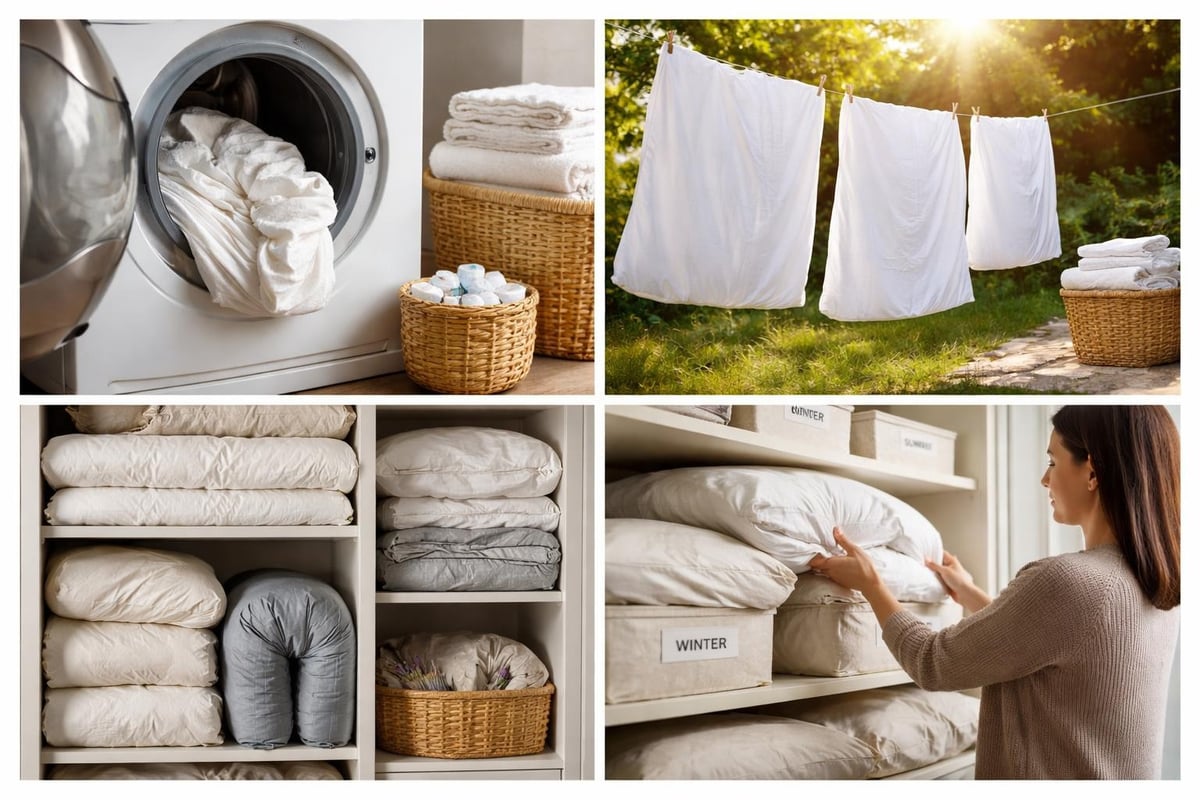
Tumble drying: Most cotton and microfibre covers tolerate low-to-medium heat. Remove promptly to minimize wrinkles. Natural fabrics like linen might shrink slightly, so air drying proves safer.
Line drying: Hanging covers outdoors provides natural freshness and uses zero energy. Shake well before hanging to reduce creasing.
Storage between seasons: When rotating seasonal bedding, ensure covers are completely dry before folding. Store in breathable cotton bags rather than plastic, which can trap moisture and create musty odors.
Extending duvet cover lifespan
Quality duvet covers should last years with proper care:
- Rotate regularly: If you own multiple covers, rotate them to distribute wear evenly
- Address stains quickly: Treat spills immediately before they set
- Repair minor damage: Sew loose buttons or small tears before they worsen
- Avoid overloading: Washing machines need space for proper agitation and rinsing
- Follow care instructions: Different fabrics require different approaches
Sustainable bedding options often feature enhanced durability alongside environmental benefits, making them wise long-term investments.
Special duvet cover considerations
Beyond answering "duvet cover is what?", certain situations require specific considerations when selecting bedding.
Children's bedding needs
Kids' duvet covers need extra durability to withstand frequent washing. Look for:
- Colourfast dyes that won't fade with repeated laundering
- Durable fabrics that survive energetic play
- Fun designs featuring favorite characters or themes
- Easy-care materials that don't require ironing
Children's covers should transition easily between seasons without being too warm or too cool.
Allergy-friendly options
For allergy sufferers, the duvet cover forms an important barrier between you and potential irritants. Choose tightly woven fabrics that prevent dust mites from penetrating. Natural materials like cotton generally cause fewer reactions than synthetic alternatives.
Wash covers in hot water (60°C or higher) when possible to eliminate allergens. Some sustainable and organic bedding uses Better Cotton Initiative standards, reducing chemical treatments that might trigger sensitivities.
Guest room versatility
Guest room duvet covers should appeal to varied preferences. Neutral, hotel-style designs create a welcoming atmosphere without imposing strong style statements. Consider having covers in different weights paired with appropriate inserts for year-round comfort.
Making duvet cover changes easier
Even after understanding "duvet cover is what", actually changing them can feel like wrestling an octopus. These techniques simplify the process:
The traditional method:
- Turn the cover inside out
- Reach inside and grab the far corners
- Hold the duvet's top corners through the cover
- Shake vigorously downward
- Smooth and fasten the opening
The burrito method:
- Lay the cover inside out on the bed
- Place the duvet on top
- Roll them together tightly from the top
- Turn the cover right-side-out over the roll
- Unroll and smooth
Corner ties method: If your cover has corner ties, secure all four corners to the duvet first, then stuff the middle section inside and fasten the opening. This prevents the duvet from shifting around inside the cover.
Budget-friendly bedding strategies
Understanding what duvet covers are enables smarter spending. Instead of purchasing complete bed sets whenever you fancy a change, build a versatile bedding wardrobe:
Core collection approach: Invest in two to three quality neutral covers that work year-round. Add seasonal or trendy covers as budget allows. Plain sets in white, grey, or beige coordinate with everything.
Mix and match philosophy: Purchase coordinating pieces separately rather than matching sets. This creates more interesting, layered looks whilst allowing flexibility.
Sale shopping: Quality duvet covers often go on sale seasonally. Stock up during promotions to build your collection affordably.
Quality over quantity: One well-made cover that lasts five years offers better value than three cheap versions that pill and fade within months.
Happy Home Shop regularly offers bundle deals that make purchasing complete coordinating sets more affordable whilst maintaining quality standards.
Now that you understand exactly what a duvet cover is and how it can transform your bedroom affordably, you're ready to create the beautiful, comfortable sleep space you deserve. Whether you prefer classic hotel-style elegance, cozy seasonal warmth, or playful patterns that express your personality, the right duvet cover makes all the difference. Explore the extensive collections at Happy Home Shop, where quality bedding meets budget-friendly prices, and discover how simple it is to refresh your bedroom without breaking the bank.