Choosing the right duvet cover fabric can transform your bedroom from merely functional to genuinely inviting. Whether you're refreshing a single room or redecorating your entire home, the fabric you select influences everything from your sleep quality to how often you'll actually want to make the bed. With so many options available in 2026, understanding what makes each fabric special helps you create a bedroom that feels wonderful without stretching your budget. Let's explore the world of duvet cover fabrics and discover which ones deserve a place in your home.
Understanding the main types of duvet cover fabric
The fabric market has evolved beautifully over recent years, offering more variety than ever before. Natural fibres remain incredibly popular for good reason, whilst innovative synthetic and blended options bring their own advantages to the table.
Cotton stands as the undisputed champion of duvet cover fabrics, loved for its breathability, softness, and year-round comfort. You'll find cotton in various forms, from standard cotton to premium Egyptian or Pima varieties. Happy Home Shop offers an extensive range of cotton duvet sets that demonstrate how versatile this fabric truly is.
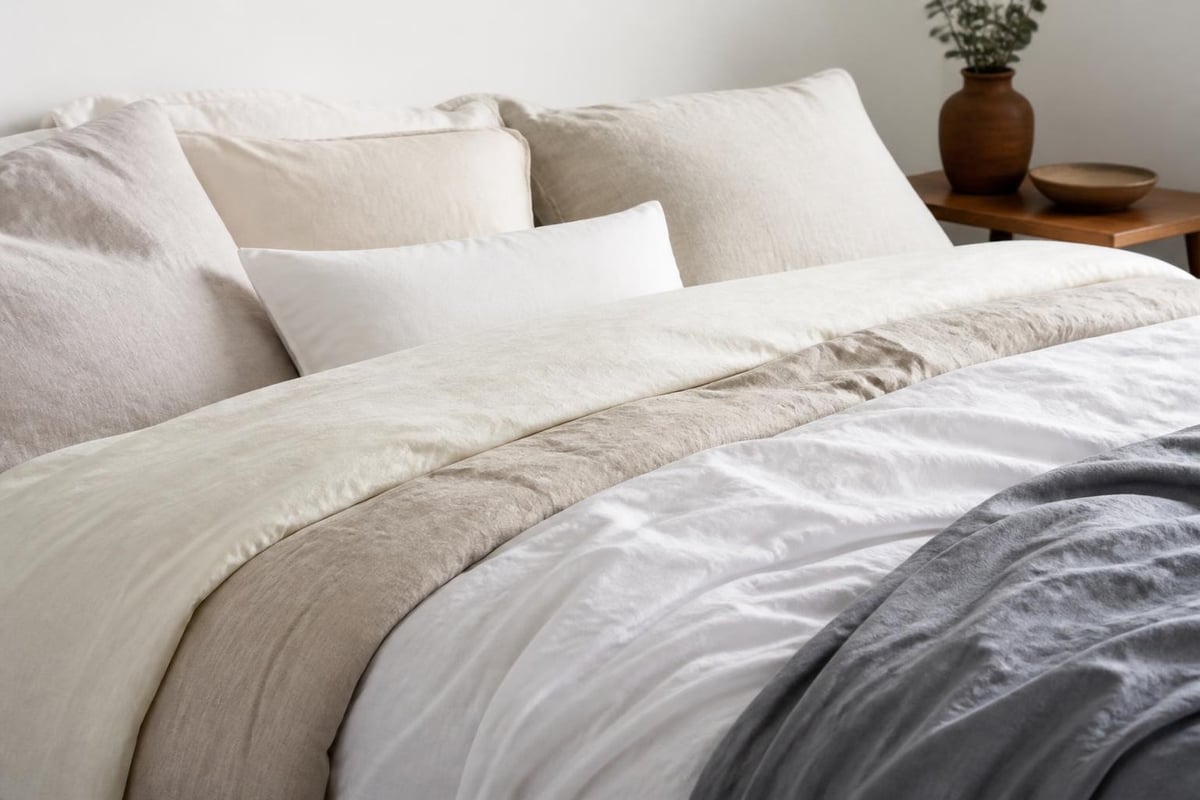
Linen brings a relaxed, slightly textured feel that many find irresistible. It's naturally temperature-regulating, keeping you cool in summer and surprisingly cosy when temperatures drop. The fabric softens beautifully with each wash, developing character over time rather than wearing out.
Synthetic and blended fabrics worth considering
Microfibre has come a long way from its early days. Modern microfibre duvet cover sets offer surprising softness and excellent durability at budget-friendly prices. The tightly woven fibres resist wrinkles wonderfully, making them perfect for busy households.
Polyester blends combine the best aspects of natural and synthetic worlds. A cotton-polyester blend, for instance, gives you the breathability of cotton with enhanced wrinkle resistance and easier care. These fabrics dry quickly and maintain their appearance even after countless washes.
Weave types and what they mean for your comfort
The way threads interlace matters just as much as the fibre itself. Understanding weave types helps you predict how a duvet cover will feel and perform in your home.
Percale weave creates a crisp, cool finish that many describe as hotel-quality. The simple one-over, one-under pattern produces a matte appearance and a refreshing feel against your skin. Good Housekeeping's percale versus sateen guide explains why percale devotees swear by this weave for year-round comfort.
Sateen weave offers a completely different experience. With its four-over, one-under pattern, sateen develops a subtle sheen and buttery-soft drape. This weave feels luxurious and slightly warmer, making it brilliant for cooler months or anyone who prefers a silky-smooth texture.
Specialty weaves for specific needs
Jersey knit brings the comfort of your favourite t-shirt to bed. This knitted fabric stretches slightly and feels incredibly soft from the first night. It's particularly popular for kids' duvet cover sets because it's so gentle and cosy.
Twill weave creates a diagonal pattern that's both durable and elegant. The structure makes the fabric resistant to wrinkles and gives it a lovely weight. Flannel, often brushed on both sides, transforms plain weave cotton into something wonderfully warm and fuzzy for winter months.
| Weave Type | Feel | Best Season | Care Level |
|---|---|---|---|
| Percale | Crisp, cool | All seasons | Easy |
| Sateen | Silky, smooth | Cool weather | Moderate |
| Jersey | Soft, stretchy | All seasons | Very easy |
| Twill | Textured, sturdy | All seasons | Easy |
| Flannel | Warm, brushed | Winter | Moderate |
Thread count myths and what actually matters
Thread count has been marketed as the ultimate quality indicator for years, but the truth is far more nuanced. Understanding what thread count really means helps you make smarter purchasing decisions without overpaying for inflated numbers.
Thread count simply refers to the number of threads woven into one square inch of fabric, counting both horizontal (weft) and vertical (warp) threads. Good Housekeeping's thread count explainer reveals that numbers above 400-600 often involve multi-ply yarns that don't necessarily improve quality.
For cotton percale, 200-400 thread count typically feels crisp and lovely. Sateen weaves often range from 300-600, creating that signature smooth finish. Anything claiming 1000+ thread count should raise questions, as manufacturers sometimes twist multiple thin threads together to artificially inflate the number.
The quality of the actual cotton matters more than thread count alone. Premium long-staple cotton like Egyptian or Pima creates stronger, softer fabric regardless of thread count. A 300-thread-count Egyptian cotton duvet cover fabric often outperforms a 600-thread-count standard cotton version.
Focus on fibre quality and construction instead
When shopping for duvet covers, look beyond the thread count number. Feel the fabric if possible, check reviews, and consider the fibre type. Sustainable bedding collections often prioritize fibre quality and ethical production over chasing high thread counts.
Pay attention to:
- Fibre length: Longer staples create smoother, stronger fabric
- Weave tightness: Fabric should feel substantial, not flimsy
- Finishing: Quality fabrics resist pilling and maintain colour
- Certifications: Standards that verify safe, quality materials
Sustainable and certified duvet cover fabrics
The bedding industry has embraced sustainability in meaningful ways, making eco-conscious choices more accessible than ever. In 2026, you don't have to sacrifice style or budget to sleep on responsibly sourced fabrics.
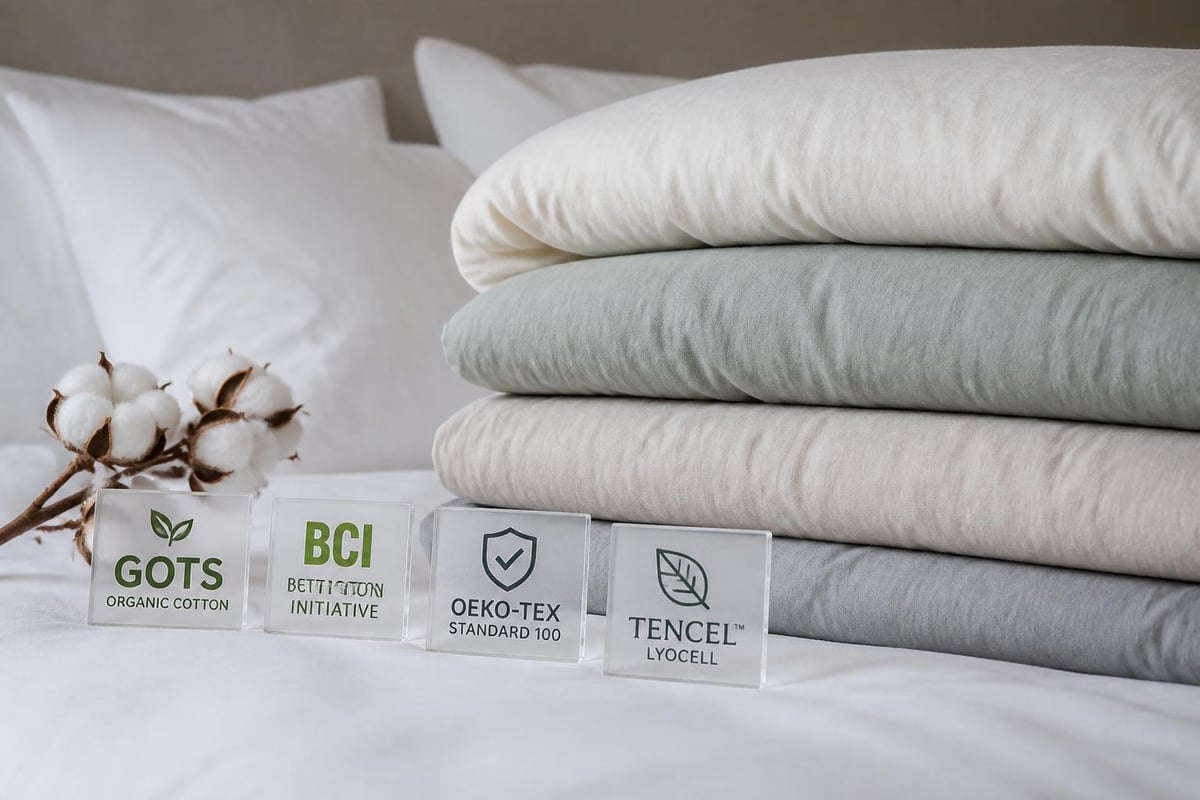
Organic cotton duvet covers avoid pesticides and harmful chemicals throughout cultivation. The Global Organic Textile Standard (GOTS) ensures that certified products meet strict environmental and social criteria from field to finished product. These fabrics feel wonderful whilst supporting better farming practices.
Better Cotton Initiative (BCI) certified materials represent another excellent choice. BCI cotton bedding comes from farms implementing more sustainable water use, soil health, and worker welfare practices. This certification makes sustainable cotton accessible at various price points.
Innovative fibres changing the game
Lyocell, often branded as TENCEL™, offers impressive sustainability credentials. Made from wood pulp through a closed-loop process, it's biodegradable and requires less water than cotton. The fabric drapes beautifully, resists wrinkles, and manages moisture brilliantly. Lenzing's sustainability reporting demonstrates their commitment to responsible production.
Linen deserves special mention as one of the most sustainable natural fibres. Flax plants need minimal water and pesticides, and every part of the plant gets used. The durability means your linen duvet covers last for years, reducing waste over time.
The Textile Exchange Fiber & Materials Matrix provides comprehensive guidance for understanding which materials offer genuine environmental benefits. This resource helps distinguish meaningful certifications from greenwashing.
Safety certifications and what they protect you from
Beyond sustainability, safety certifications ensure your duvet cover fabric doesn't contain harmful substances. These standards matter particularly for items that touch your skin for eight hours every night.
OEKO-TEX STANDARD 100 tests for hundreds of regulated and non-regulated substances across multiple product classes. When bedding carries this certification, you know it's been tested for harmful chemicals, heavy metals, pesticides, and other potentially dangerous substances.
The certification system updated its criteria in 2024, as detailed in OEKO-TEX's regulatory update announcement, strengthening testing requirements for per- and polyfluorinated chemicals (PFAS) and other emerging concerns. These evolving standards keep pace with scientific understanding of textile safety.
Look for certification labels when shopping, especially if anyone in your household has sensitive skin or allergies. The testing covers everything from dyes to finishing treatments, providing peace of mind that extends beyond initial purchase.
Practical considerations for different sleep styles
Your personal sleep preferences should guide your duvet cover fabric choice just as much as aesthetics or price. Different fabrics suit different needs brilliantly.
Hot sleepers benefit enormously from breathable, moisture-wicking fabrics. Cotton percale and linen excel here, allowing air circulation and drawing heat away from your body. Avoid heavy sateen or synthetic fabrics that trap warmth, unless you're layering for winter.
Cold sleepers might gravitate toward sateen cotton or brushed flannelette. These fabrics provide gentle insulation whilst still breathing adequately. Teddy bedding offers ultra-cosy options for those who love serious warmth and texture.
Allergies and sensitive skin requirements
People with allergies or eczema often find tightly woven, certified fabrics most comfortable. Percale weave cotton with OEKO-TEX certification minimizes irritation whilst feeling soft and clean. Wash new duvet covers before first use to remove any residual processing chemicals, even from certified products.
Hypoallergenic claims on duvet cover fabric should be backed by actual certifications or testing. Natural fabrics like cotton and linen naturally resist dust mites better than some synthetics, though regular washing at appropriate temperatures matters more than fabric type alone.
Caring for different duvet cover fabrics
Proper care extends the life of your investment and keeps fabrics feeling their best. Different materials need slightly different approaches, but none require complicated fussing.
Cotton duvet covers tolerate regular machine washing beautifully. Use warm or hot water for whites and light colours, cooler temperatures for darks and prints. Tumble dry on medium or hang to dry, removing promptly to minimize wrinkles. Plain duvet cover sets in quality cotton become softer and more comfortable with each wash cycle.
Linen appreciates gentle treatment despite its durability. Wash in cool to warm water with mild detergent, and embrace the slightly rumpled look that makes linen charming. Over-drying damages the fibres, so remove whilst slightly damp for best results.
Special care for specific fabrics
Microfibre and polyester blends need cooler temperatures to prevent damage. These synthetics can melt or become misshapen under high heat. Fortunately, they dry quickly at low temperatures and rarely need ironing.
Sateen finishes maintain their lustre better with:
- Inside-out washing to protect the sheen
- Avoiding fabric softeners that can dull the finish
- Lower dryer temperatures or line drying
- Gentle cycles that reduce friction
| Fabric Type | Wash Temperature | Drying Method | Ironing Needed? |
|---|---|---|---|
| Cotton percale | Warm to hot | Tumble or line | Optional |
| Cotton sateen | Warm | Low tumble or line | Rarely |
| Linen | Cool to warm | Line or low tumble | Not necessary |
| Microfibre | Cool | Low tumble | No |
| Flannel | Warm | Tumble medium | No |
Seasonal duvet cover fabric choices
Switching your duvet cover fabric with the seasons creates a bedroom that always feels just right. This practice doesn't require a huge investment when you choose versatile, affordable options.
Spring and summer call for lightweight, breathable fabrics. Cotton percale, lightweight linen, and even bamboo-blend fabrics keep you comfortable during warm nights. Lighter colours reflect heat and create a fresh, airy feeling that suits the season. Seasonal bedding collections make it easy to refresh your room as temperatures rise.
Autumn and winter invite richer textures and warmer fabrics. Brushed cotton, flannel, and sateen weaves add cosiness without overheating. Jersey knit duvet covers feel like a warm hug after a chilly day. The autumn cosy collection captures this perfectly with fabrics designed for cooler weather comfort.
Making the most of reversible options
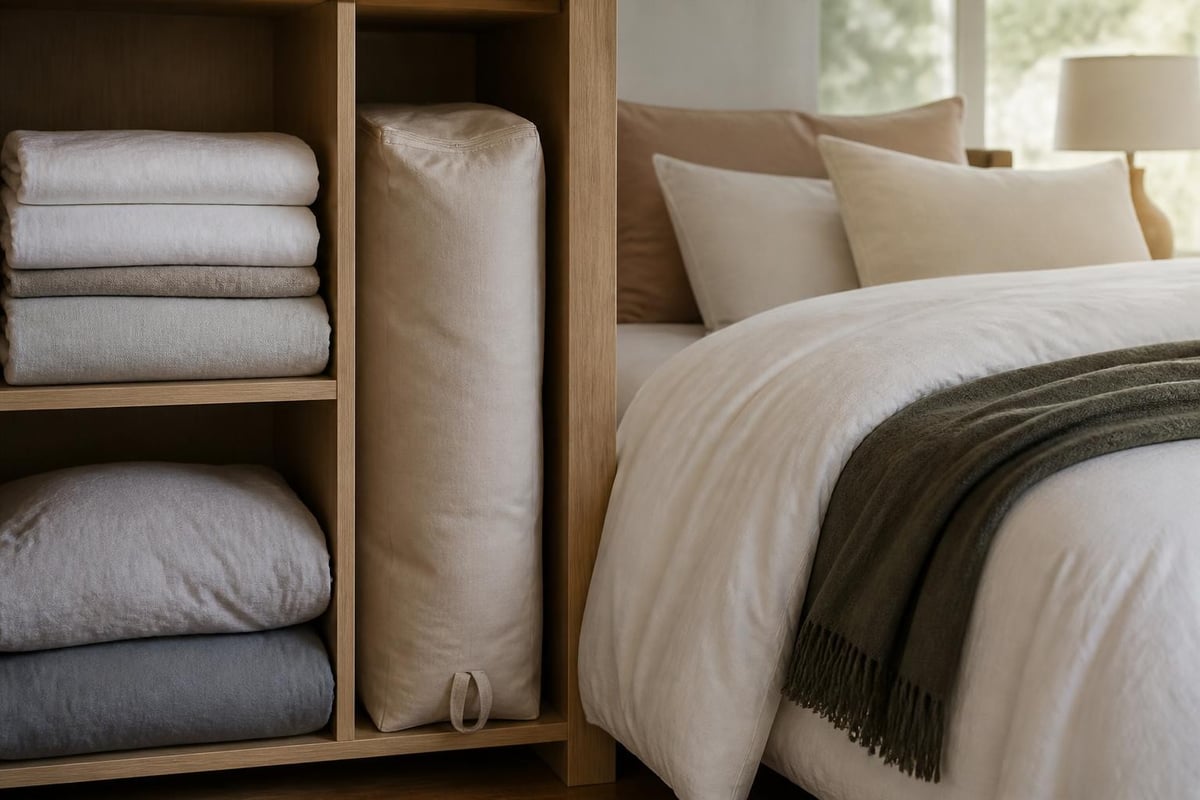
Reversible duvet cover sets offer brilliant versatility, often pairing different colours or patterns on each side. Some combine different fabric finishes too, giving you percale on one side and sateen on the other, or solid colour versus pattern. This doubles your options without doubling your storage needs.
Matching fabric to bedroom style and function
Your duvet cover fabric contributes significantly to your bedroom's overall aesthetic. Different fabrics create distinct visual and tactile experiences that should complement your space.
Crisp percale suits minimalist, modern, and hotel-style duvet cover sets beautifully. The matte finish and clean lines create that fresh, pulled-together look. White or neutral percale especially captures that serene, spa-like feeling many people crave in their bedrooms.
Sateen's subtle sheen adds elegance to traditional, romantic, or luxurious bedroom schemes. The drape creates beautiful folds and the surface catches light softly. Luxe duvet cover sets often feature sateen weaves for this very reason.
Textured fabrics like linen or jersey knit bring casual, lived-in charm. They suit bohemian, farmhouse, and relaxed contemporary styles. The slightly imperfect nature of these fabrics feels approachable and comfortable rather than fussy.
Practical fabric choices for busy households
Families with children or pets need duvet cover fabrics that forgive. Non-iron duvet cover sets save precious time, whilst durable percale or twill weaves resist the wear and tear of daily life. Darker colours and patterns hide stains better than pristine whites, though quality cotton bleaches and washes brilliantly when needed.
Microfibre options resist staining and wrinkling whilst standing up to frequent washing. The easy-care nature makes them practical for guest rooms, children's beds, and anyone who prioritizes convenience. Testing standards like those from ASTM textile standards help manufacturers ensure durability across washing cycles.
Budget considerations without sacrificing quality
Creating a beautiful bedroom doesn't require spending a fortune on duvet cover fabric. Smart shopping and understanding where to invest delivers excellent results at accessible prices.
Start with one or two quality sets rather than many cheaper options. A well-made cotton duvet cover lasts for years, becoming softer and more comfortable over time. Calculate cost per use rather than just initial price. A £30 set that lasts five years costs far less per night than a £15 set that pills and fades within twelve months.
Watch for sales and bundle deals. Many retailers, including offerings at Happy Home Shop's bundle and save page, provide discounts when you purchase complete sets or multiple items. This approach helps you build a cohesive bedroom collection whilst staying within budget.
Where to save and where to invest
Splurge on:
- Fabrics that touch your skin directly
- Neutral basics you'll use year-round
- Quality certifications for safety and sustainability
Save on:
- Trendy patterns you might tire of quickly
- Seasonal items used only a few months yearly
- Guest room bedding with lighter use
Consider mixing price points strategically. Invest in a premium plain duvet cover set in white or neutral, then add affordable accent pieces through cushions or decorative throws. This creates a high-end look without the high-end price tag across every element.
Testing fabric quality before you buy
When shopping online, you can't always feel the duvet cover fabric firsthand. Learning to evaluate quality through product descriptions and reviews helps you choose confidently.
Check the product specifications carefully. Look for details about fibre content, weave type, and certifications. Vague descriptions or missing information often indicate lower quality. Reputable sellers provide comprehensive details because they're confident in their products.
Read customer reviews focusing on specific qualities:
- How the fabric feels after washing
- Whether colours fade or bleed
- Pilling or wearing after several months
- Accuracy of product descriptions
The reviews section at retailers provides valuable insights from real customers. Pay attention to reviews from people with similar needs or preferences to yours. Someone who loves crisp, cool bedding will evaluate differently than someone seeking soft, warm fabrics.
Understanding return policies
Flexible return policies let you test duvet cover fabrics risk-free. Check the returns policy before purchasing, especially for higher-priced items. Most quality retailers understand that bedding is personal and offer reasonable return windows.
Order samples when possible, or start with one pillowcase if the retailer sells separates. This lets you evaluate fabric quality, colour accuracy, and how it launders before committing to the full set.
Understanding duvet cover fabric transforms bedding from a purely functional purchase into an opportunity to enhance your daily comfort and create a bedroom you genuinely love. Whether you prefer crisp cotton percale, silky sateen, sustainable organic options, or easy-care microfibres, choosing the right fabric for your needs and lifestyle makes every night more restful. Happy Home Shop brings together quality fabrics, beautiful designs, and accessible prices to help you create the bedroom of your dreams without stretching your budget, with convenient delivery and regular discounts making it easier than ever to refresh your sleep space.