

When you're creating a cosy, healthy bedroom environment on a budget, understanding covered bed linen makes all the difference. Whether you're looking for protective layers that shield your mattress from allergens or simply a gorgeous duvet set that transforms your space, covered bed linen encompasses a whole range of essential bedroom textiles. Let's dive into everything you need to know about selecting, caring for, and enjoying these bedroom essentials in 2026.
What exactly is covered bed linen?
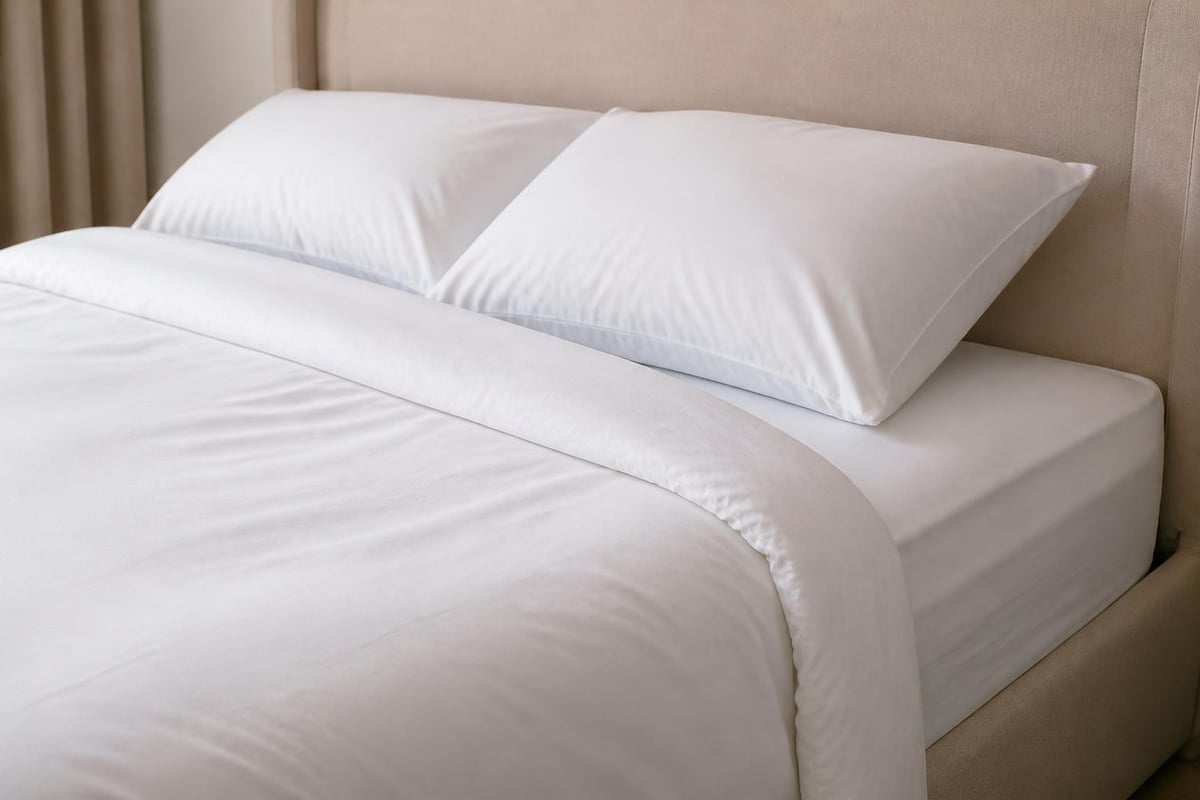
The term covered bed linen refers to any bedding textile designed to encase, protect, or cover sleeping surfaces and pillows. Think of it as the protective and decorative layers that sit between you and your mattress, duvet, or pillows.
This category includes several distinct types:
- Mattress protectors and encasements that create a barrier against dust mites, allergens, and spills
- Duvet covers that protect your duvet insert whilst adding style to your bedroom
- Pillow protectors that slip under your regular pillowcases for extra defence
- Complete bedding sets that provide coordinated coverage for your entire bed
Each type serves a unique purpose, and many budget-conscious homemakers combine several varieties to create the perfect sleep sanctuary. For those concerned about allergens, the Asthma and Allergy Foundation of America provides certification criteria for allergy-friendly bedding products.
The protective benefits you can't ignore
Covered bed linen isn't just about aesthetics. These textile layers provide crucial protection that extends the life of your more expensive bedding investments.
A quality mattress protector creates a washable barrier that prevents sweat, skin cells, and accidental spills from penetrating your mattress. This simple addition can add years to your mattress's lifespan whilst keeping it fresh and hygienic.
Choosing covered bed linen for different seasons
Your bedding needs change dramatically throughout the year, and selecting appropriate covered bed linen for each season ensures year-round comfort without breaking the bank.
| Season | Best covered bed linen | Key features | Care tips |
|---|---|---|---|
| Winter | Heavy cotton or flannel duvet covers | Warmth retention, breathability | Wash fortnightly in warm water |
| Spring | Medium-weight cotton sets | Temperature regulation, fresh designs | Weekly washing recommended |
| Summer | Lightweight percale or linen covers | Cool, crisp, moisture-wicking | Frequent washing in cooler temps |
| Autumn | Transitional cotton blends | Moderate warmth, easy care | Switch to warmer covers gradually |
For those chilly months, exploring options like warm bedding sets or flannel sheets can transform your sleep experience. These materials trap warmth beautifully whilst remaining breathable enough to prevent overheating.
Budget-friendly seasonal rotation strategies
Rather than purchasing entirely new covered bed linen for each season, clever homemakers invest in versatile base layers and swap accent pieces.
Start with neutral-coloured mattress protectors and pillow encasements that work year-round. Then rotate between two or three duvet cover sets that reflect seasonal moods. A fresh floral pattern brightens spring mornings, whilst rich jewel tones create autumn cosiness.
Material matters: understanding fabric options
The fabric composition of your covered bed linen dramatically affects comfort, durability, and maintenance requirements. Here's what you need to know before making your selection.
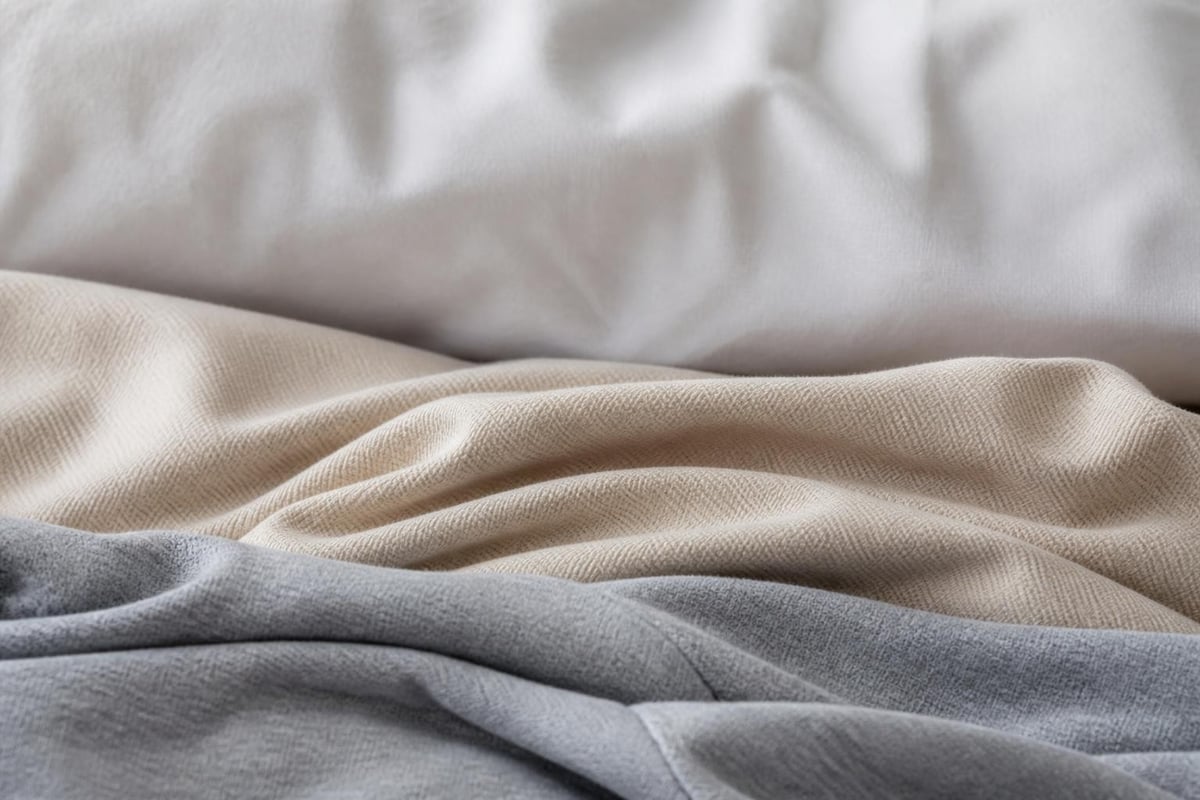
Cotton remains the gold standard for most covered bed linen applications. It's naturally breathable, hypoallergenic, and improves with each wash. Egyptian and Pima cotton varieties offer extra softness, but standard combed cotton provides excellent value for budget-conscious shoppers.
Polyester blends bring wrinkle resistance and affordability to the table. Modern poly-cotton blends (typically 50/50 or 60/40 cotton-poly ratios) offer the best of both worlds. These fabrics resist creasing brilliantly, making non-iron duvet cover sets a practical choice for busy households.
Microfibre options deserve consideration for allergy sufferers. The tightly woven fibres create natural barriers against dust mites without chemical treatments. According to WHO guidelines on infection prevention, proper laundering of bed linen plays a crucial role in reducing contamination risks.
For those prioritising environmental impact, Global Organic Textile Standard certification ensures your covered bed linen meets strict ecological and social criteria throughout the supply chain.
Thread count myths debunked
You've probably heard that higher thread counts automatically mean better quality covered bed linen. Not quite true in 2026!
Thread count measures how many threads fit into one square inch of fabric. Whilst this matters, it's not the only quality indicator. Many manufacturers manipulate thread counts by using multi-ply yarns, inflating numbers without improving actual quality.
Instead, focus on:
- Fibre quality (long-staple cotton beats short-staple, regardless of thread count)
- Weave type (percale, sateen, and twill each offer distinct benefits)
- Overall construction and finishing
A well-made 200-thread-count percale often outperforms a poorly constructed 800-thread-count alternative.
Sizing and fit: getting it right first time
Nothing's more frustrating than receiving your new covered bed linen only to discover it doesn't fit properly. UK bedding sizes follow standard measurements, but variations exist.
Standard UK bed sizes and corresponding covered bed linen dimensions
- Single: 90 x 190 cm mattress, requiring 135 x 200 cm duvet cover minimum
- Double: 135 x 190 cm mattress, needing 200 x 200 cm duvet cover
- King: 150 x 200 cm mattress, best with 225 x 220 cm duvet cover
- Super King: 180 x 200 cm mattress, requiring 260 x 220 cm duvet cover
Mattress depth matters tremendously for fitted sheets and mattress protectors. Measure your mattress height before purchasing. Standard depths range from 20-25 cm, but pillow-top and memory foam mattresses can reach 35 cm or more.
Always check product specifications carefully. Quality retailers provide detailed measurements, and purchasing from Happy Home Shop ensures you'll find comprehensive sizing information for every product.
Caring for your covered bed linen investment
Proper maintenance extends the life of your covered bed linen significantly whilst keeping it fresh, hygienic, and comfortable. Research published in PubMed Central regarding hygienic requirements emphasises the importance of regular laundering for maintaining textile hygiene.
Washing frequency guidelines:
- Duvet covers and pillowcases: Weekly during warm months, fortnightly in winter
- Mattress protectors: Monthly or after any spills
- Pillow protectors: Every 2-3 months
- Complete bedding sets: Rotate between two sets, washing alternate weeks
Temperature considerations balance hygiene with fabric preservation. Hot washes (60°C) kill dust mites effectively but may fade colours and weaken fibres over time. Warm washes (40°C) suit most covered bed linen, especially when combined with quality detergents.
Stain removal secrets for budget bedding
Even the most careful among us face the occasional spill or stain. Quick action saves your covered bed linen from permanent damage.
For fresh stains, cold water works wonders. Hot water sets protein-based stains like blood or sweat. Blot rather than rub, working from the outside edges inward to prevent spreading.
Create a simple pre-treatment paste using:
- Three parts bicarbonate of soda
- One part water
- Optional: few drops of washing-up liquid
Apply to stains, let sit for 30 minutes, then launder normally. This gentle treatment works brilliantly on most common bedding stains whilst being budget-friendly and environmentally sound.
Allergy-friendly covered bed linen solutions
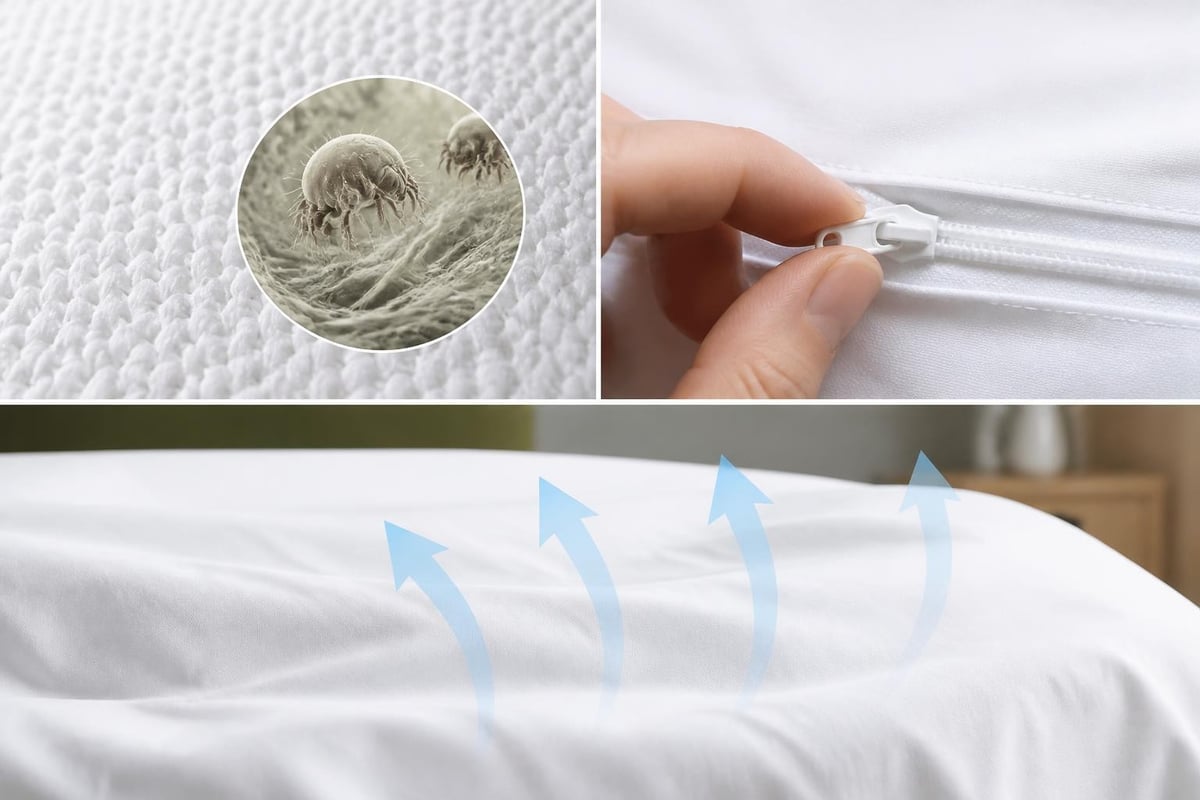
For the millions managing allergies or asthma, selecting appropriate covered bed linen transforms sleep quality. Specialised encasements create physical barriers between you and common allergens.
Key features to seek:
- Tightly woven fabrics (pore sizes under 10 microns prevent dust mite penetration)
- Complete zipped enclosures (no gaps for allergens to escape)
- Breathable materials (comfort matters as much as protection)
- Washability at 60°C minimum (essential for eliminating allergens)
The OEKO-TEX Standard 100 certification ensures textiles are tested for harmful substances, providing peace of mind for sensitive sleepers.
Combining protection with style
Many people assume allergen-barrier covered bed linen means sacrificing aesthetics. Not in 2026! Modern protective encasements slip discreetly beneath regular bedding, invisible yet effective.
Layer your bed strategically:
- Allergen-proof mattress encasement (bottom layer)
- Regular fitted sheet for comfort
- Allergen-proof pillow protectors
- Standard pillowcases in your favourite designs
- Stylish duvet cover atop allergen-barrier duvet protector
This approach combines comprehensive protection with unlimited decorative possibilities. Your bedroom maintains its personality whilst your respiratory system enjoys cleaner air.
Styling tips for covered bed linen
Your covered bed linen choices dramatically influence your bedroom's overall aesthetic. Creating a designer look on a budget requires strategic thinking rather than unlimited spending.
Colour psychology for bedrooms:
| Colour family | Mood created | Best for | Styling tip |
|---|---|---|---|
| Cool blues/greens | Calm, serene, restful | Anxious sleepers, hot rooms | Pair with crisp white sheets |
| Warm neutrals | Cosy, grounding, sophisticated | Minimalists, year-round use | Layer different textures |
| Bold jewel tones | Luxurious, dramatic, confident | Statement bedrooms, winter | Balance with neutral walls |
| Soft pastels | Gentle, romantic, cheerful | Guest rooms, spring refresh | Mix with metallic accents |
Mixing patterns requires confidence but creates incredible visual interest. Follow the designer's rule of three: combine one large-scale pattern, one medium pattern, and one small-scale or geometric design, all sharing at least two colours.
Layering techniques that add luxury
Professional stylists know that layering transforms basic covered bed linen into magazine-worthy displays. Start with your foundational pieces, then build upward and outward.
Begin with crisp, well-fitted base layers. Add a decorative throw at the foot of the bed for texture and warmth. Consider complete sets like the Bali complete set or Hudson complete set which provide coordinated pieces that take the guesswork out of styling.
Cushions add the finishing touch. Arrange them by size, largest at the back, gradually decreasing toward the front. Odd numbers (three or five) create more dynamic, natural-looking arrangements than even numbers.
Sustainable and ethical considerations
Increasingly, budget-conscious shoppers also prioritise environmental and social responsibility when selecting covered bed linen. Fortunately, sustainable choices needn't strain your wallet.
Eco-friendly options to consider:
- Organic cotton (grown without harmful pesticides)
- GOTS-certified textiles (ensuring ethical production)
- Recycled polyester blends (reducing plastic waste)
- Locally manufactured goods (lowering carbon footprint)
Durability represents perhaps the most significant sustainability factor. Well-made covered bed linen lasting five years beats cheap alternatives replaced annually, regardless of materials. Quality construction, reinforced seams, and superior fabrics justify slightly higher initial investments.
Making existing covered bed linen last longer
Before purchasing new items, maximise your current covered bed linen's lifespan through careful maintenance.
Rotate between multiple sets to reduce wear on individual pieces. Just as you'd rotate car tyres, rotating bedding distributes use evenly. Two duvet covers alternating weekly last far longer than one used continuously.
Store off-season covered bed linen properly. Clean thoroughly before storage, ensuring complete dryness to prevent mildew. Breathable cotton storage bags protect against dust whilst allowing air circulation. Avoid plastic containers that trap moisture.
Shopping smart for covered bed linen
Navigating the covered bed linen marketplace requires savvy strategies, especially when working within budget constraints. Timing, research, and knowing where to look make tremendous differences.
Best times to purchase:
- January sales (post-Christmas clearances)
- End of season transitions (March and September)
- Black Friday/Cyber Monday events
- Mid-summer clearances (July)
Read reviews thoroughly before committing. Other customers reveal truth about sizing accuracy, colour fastness, and durability that marketing materials never mention. Look for reviews mentioning washing performance after multiple cycles.
Understanding quality indicators
Even when shopping sales, quality matters. Learn to spot well-constructed covered bed linen quickly.
Examine stitching carefully. Small, even stitches indicate quality construction. Loose threads or uneven seams suggest rushed manufacturing. Zippers should operate smoothly with substantial teeth and strong pulls.
Check hems and edges. Quality covered bed linen features double-folded, reinforced hems that resist fraying. Corners should be neatly mitred rather than bunched.
Feel the fabric weight. Whilst thread count isn't everything, substantial weight generally indicates durability. Flimsy, see-through fabrics rarely withstand regular laundering.
Special care for delicate covered bed linen
Some covered bed linen requires extra attention to maintain its beauty and function. Understanding these special care needs prevents disappointment and extends product life.
Silk and satin-finish covers demand gentle handling. Hand washing or delicate machine cycles preserve lustre. Use specialist detergents designed for delicate fabrics, avoiding harsh chemicals that dull finishes.
Embellished or embroidered pieces need protection during washing. Turn inside out, use mesh laundry bags, and select gentle cycles. Never wring or twist decorated covered bed linen, as this distorts embroidery and damages embellishments.
Waterproof mattress protectors require specific care to maintain their protective properties. Wash in warm (not hot) water, as excessive heat damages waterproof membranes. Avoid fabric softeners entirely, as they coat fibres and reduce absorbency.
Line drying preserves most covered bed linen better than tumble drying, though this isn't always practical. If using a dryer, select low heat settings and remove items whilst slightly damp to prevent excessive wrinkling and shrinkage.
Creating a beautiful, comfortable bedroom doesn't require enormous budgets, just smart choices about covered bed linen that balances protection, style, and practicality. Whether you're seeking allergen barriers, seasonal updates, or simply fresh designs to brighten your space, understanding these textiles helps you make confident decisions. At Happy Home Shop, you'll discover an extensive range of affordable bedding options designed to make every bedroom feel like a luxurious retreat, with convenient delivery and regular offers that keep beautiful sleep within reach.