Choosing the right blanket for duvet cover can feel overwhelming, especially as bedding trends shift for 2026. With so many options out there, how do you ensure comfort, warmth, and a stylish touch to your bedroom?
Understanding the different types, materials, and care tips for your blanket for duvet cover brings both cosy nights and a refreshed look to your space. This expert guide is here to walk you through every step, from selection advice to what’s trending in 2026.
We will cover everything you need to know, including blanket types, material choices, sizing, care instructions, the latest must-have trends, and where to find top-quality options like those at Happy Home Shop. Get ready to make your bedding both beautiful and practical.
Understanding the role of a blanket in a duvet cover
Choosing the right blanket for duvet cover use can feel like a puzzle, but it’s easier when you know what each layer is doing for your comfort. Let’s unravel the reasons behind this bedding combo and why it’s so much more than just a trend.
The purpose of using a blanket inside a duvet cover
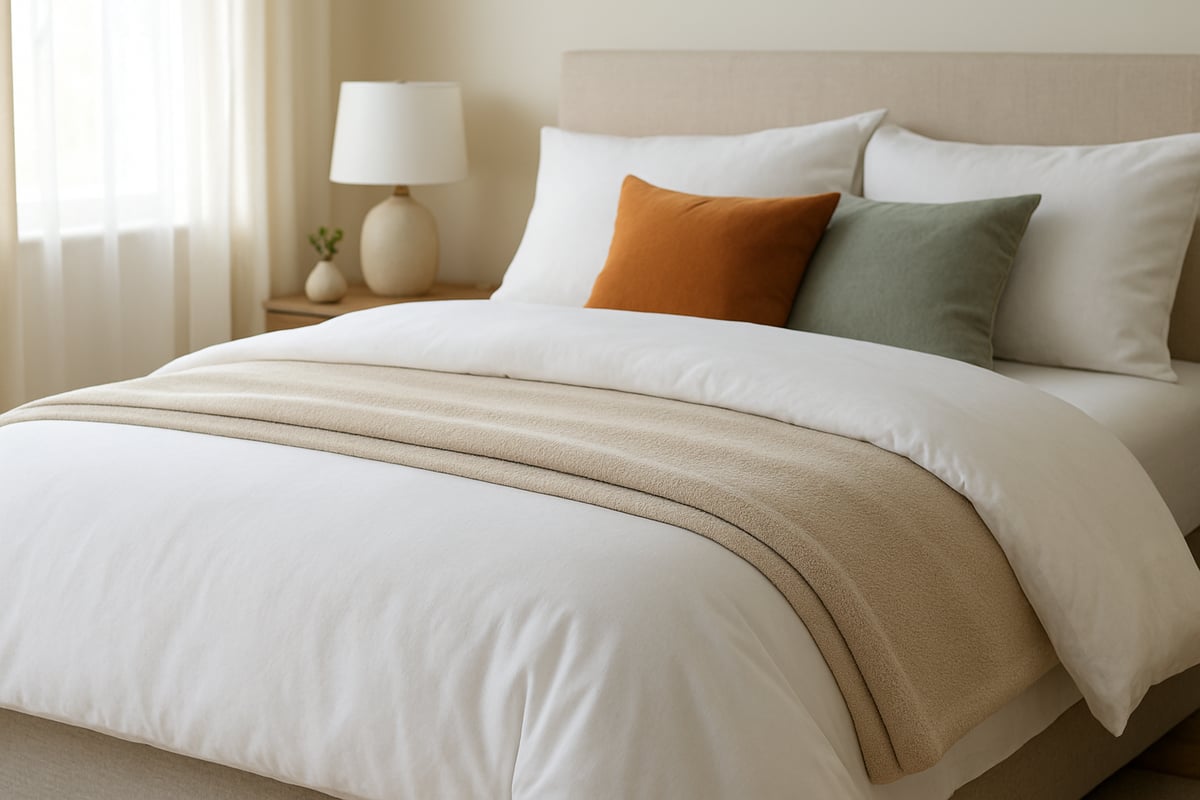
The main reason people use a blanket for duvet cover layering is to control warmth and comfort. By adding a blanket inside, you can easily customise your bedding to suit the season or your personal preference. Swapping out a lightweight summer blanket for a thick winter one lets you adjust without buying a whole new set.
This approach also keeps your bedding looking fresh, since you can change the outer cover to match your décor or mood. According to recent surveys, most UK households now prefer adaptable bedding, especially with changing weather patterns. Using a blanket for duvet cover combinations gives you that flexibility and helps you stay cosy all year round.
Benefits of layering: comfort, hygiene, and style
Layering a blanket for duvet cover use comes with some brilliant perks. First, it keeps your blanket cleaner for longer, as the cover acts as a protective barrier. This is especially handy for allergy sufferers, who can simply remove and wash the cover regularly.
Layering also means you can mix and match colours and textures, switching up your bedroom’s style in minutes. Data shows that layered bedding is gaining popularity in the UK, with more people choosing interchangeable covers for both practicality and design. For example, if you have allergies, using a washable duvet cover over your blanket can make life much easier.
Common misconceptions about blankets and duvet covers
There’s a lot of confusion around the difference between a duvet, a comforter, and a blanket for duvet cover use. Some people think using a blanket inside a cover will make you overheat, but that’s not necessarily true. The right materials, like microfibre or cotton, can actually improve breathability and comfort.
Many also wonder if all blankets work with covers. Bedding experts say most blankets fit, as long as you match the size and thickness. For instance, a microfibre blanket is a great choice if you want warmth without overheating, and it won’t bunch up as much as heavier materials.
How this impacts your sleep quality
The way you layer your blanket for duvet cover setups can make a real difference to your sleep. Proper bedding supports good sleep hygiene by helping regulate temperature and moisture. Studies suggest that materials with moisture-wicking properties help keep you dry and comfortable, which is key for restful sleep.
Did you know that higher room temperatures can reduce sleep quality? According to Climate warming's impact on sleep quality, the right bedding choices are more important than ever. By choosing the best layering approach, you can enjoy better, more restful nights—simply by pairing the right blanket with your favourite cover.
Types of blankets suitable for duvet covers
Choosing the right blanket for duvet cover can feel a bit like picking the perfect topping for your favourite pizza—so many options, each delivering a different experience! Let’s explore the different types, materials, and features to help you find your ideal match.
Overview of popular blanket types for duvet covers
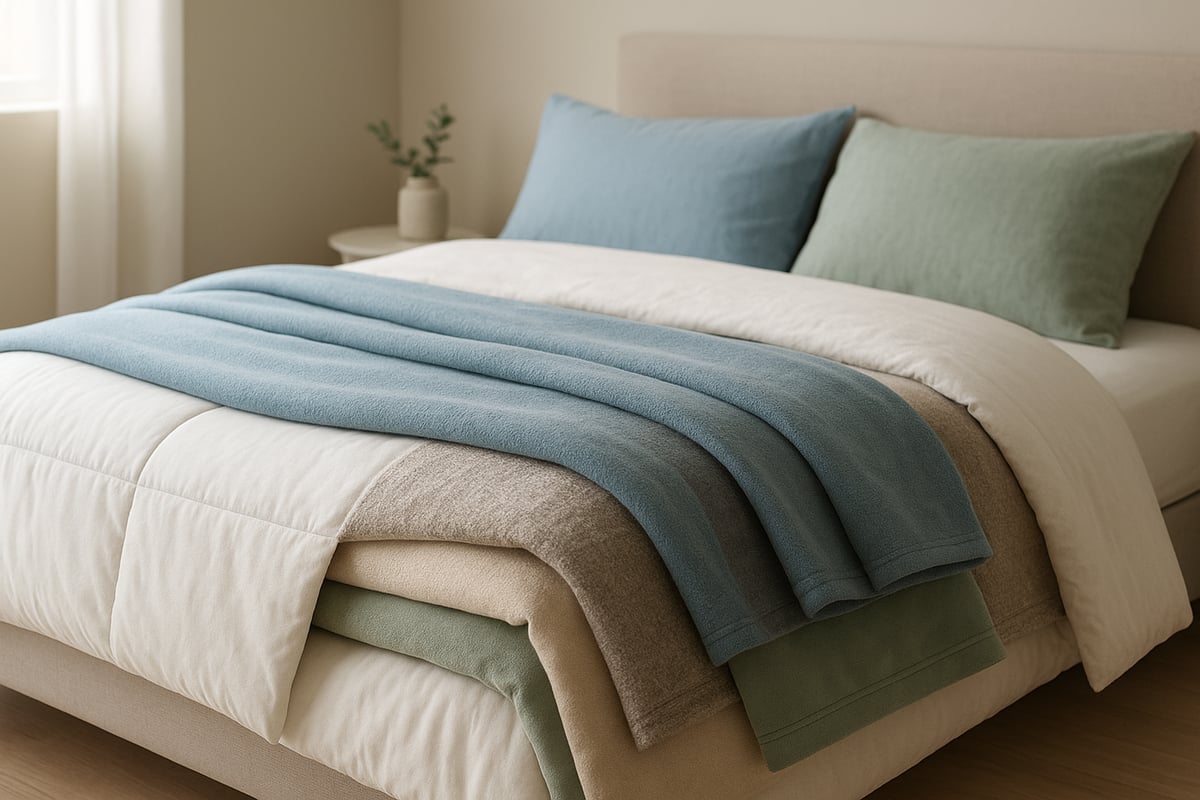
When it comes to choosing a blanket for duvet cover, you’re spoilt for choice. The most popular types include fleece, wool, microfibre, cotton, and weighted blankets. Each brings its own unique qualities to the table.
Fleece blankets are lightweight yet warm, perfect for snuggling. Wool offers natural insulation and breathability, while microfibre is known for its softness and hypoallergenic properties. Cotton blankets are a timeless favourite, offering comfort and easy care. Weighted blankets are gaining popularity for their calming effect, especially when layered inside a duvet cover.
According to recent consumer bedding surveys, layering these blanket types is on the rise, especially as people seek more customisation and comfort. If you’re curious to browse the full variety of options, the All bedding collections overview at Happy Home Shop is an excellent starting point.
Material breakdown: pros and cons
The material of your blanket for duvet cover makes all the difference—think of it as the foundation for your comfort and style. Here’s a handy table to help you compare:
| Material | Pros | Cons |
|---|---|---|
| Fleece | Soft, warm, affordable | Less breathable |
| Wool | Natural, insulating, moisture-wicking | Can be itchy, pricier |
| Microfibre | Hypoallergenic, lightweight, easycare | Less natural, may pill |
| Cotton | Breathable, durable, easy to wash | May shrink if not pre-washed |
| Weighted | Calming, therapeutic | Heavier, needs careful fit |
Experts recommend choosing hypoallergenic options like microfibre or cotton if you have allergies. Wool is great for warmth, but microfibre and cotton are easier to care for. Consider your lifestyle and preferences when picking a blanket for duvet cover.
Sizing considerations: matching blankets to duvet covers
Getting the right size blanket for duvet cover is like making sure your shoes fit—too big or too small, and things get awkward. The UK’s standard bedding sizes are single (135x200cm), double (200x200cm), king (225x220cm), and super king (260x220cm).
Always match your blanket’s size to your duvet cover for a smooth, even fit. If your blanket is much smaller, it will shift and bunch. If it’s too large, it may not lie flat. Some tips:
- Choose a blanket just slightly smaller than your duvet cover.
- Look for blankets with stitched edges to prevent fraying.
- Use corner ties or clips to keep everything in place.
A well-matched blanket for duvet cover means a comfy, tidy bed every night.
Seasonal suitability: choosing the right blanket for the time of year
Your ideal blanket for duvet cover changes with the seasons, just like your wardrobe. In summer, a light cotton or microfibre blanket keeps things airy and cool. Come winter, you’ll want something heavier, like wool or a thick fleece, to lock in the warmth.
Layering works wonders during transitional months—use a lightweight blanket and add a throw for extra cosiness as needed. Many blankets come with temperature ratings, so check the label if you’re unsure. Swapping out your blanket for duvet cover as the weather shifts is an easy way to stay comfortable year-round.
Speciality blankets: weighted, electric, and hypoallergenic options
Looking for something a bit special? There are plenty of speciality options when picking a blanket for duvet cover. Weighted blankets are ideal for those who crave a calming, cocooning feel—great for easing anxiety and improving sleep. Electric blankets can be used with care inside duvet covers for extra warmth, but always follow safety instructions.
Hypoallergenic blankets, often made from microfibre or specially treated cotton, are perfect for allergy sufferers. They help reduce dust mites and allergens, making your sleep environment healthier. No matter your needs, there’s a blanket for duvet cover that fits your lifestyle and preferences.
Material matters: how to choose the best fabric for your needs
Choosing the right fabric for your blanket for duvet cover can feel like navigating a maze of textures, weaves, and care labels. The good news? Once you know what to look for, the process becomes much simpler, and you’ll end up with bedding that feels tailor-made for your comfort and style.
Cotton, microfibre, wool, and blends: a comparative guide
When you’re picking a blanket for duvet cover, fabric choice is the difference between snuggly nights and sweaty tosses. Cotton is a classic: soft, breathable, and easy to wash. Microfibre is light, quick-drying, and perfect if you want a low-maintenance option. Wool stands out for warmth and moisture-wicking, but it can be tricky to clean. Blended fabrics combine the best of each, offering durability and comfort with a bit less fuss.
| Fabric | Pros | Cons |
|---|---|---|
| Cotton | Breathable, soft, washable | Can shrink, wrinkles |
| Microfibre | Lightweight, dries fast | May trap heat, static |
| Wool | Warm, moisture-wicking | Special care needed |
| Blends | Durable, balanced features | Varies by blend |
No matter which you pick, always check the care label to keep your blanket for duvet cover in top condition.
Allergen control and health considerations
If you’re sensitive to dust or have allergies, your blanket for duvet cover deserves extra attention. Hypoallergenic materials like microfibre and tightly woven cotton help block dust mites and allergens. Wool naturally repels dust, but some people find it itchy, so blended options can offer a middle ground.
For the best health outcomes, look for blankets labelled as hypoallergenic and free from harsh dyes or chemicals. The NHS and the British Allergy Foundation recommend regular washing and using protective covers to cut down on allergens. By choosing the right fabric, your blanket for duvet cover can help create a healthier sleep environment.
Eco-friendly and sustainable blanket options for 2026
Sustainability is at the heart of 2026’s bedding trends, and your blanket for duvet cover can make a real difference. Organic cotton, bamboo, and recycled fibres are leading the eco revolution, offering softness without the environmental guilt. These materials use fewer resources and often come with ethical certifications.
Want to take it further? Explore Sustainable bedding options to discover blankets crafted with the planet in mind. Choosing a sustainable blanket for duvet cover means you’re supporting greener manufacturing and a cosier, cleaner world.
Fabric innovations and trends for 2026
The world of bedding is buzzing with innovation. New fabrics for your blanket for duvet cover include moisture-wicking blends, temperature-regulating textiles, and even smart materials that adapt to your body heat. These advances keep you comfortable all year round, making it easier to sleep soundly no matter the season.
Smart textiles are also on the rise, with embedded sensors and app connectivity promising to personalise your sleep experience. Whether you want a blanket for duvet cover that cools you down or keeps you toasty, 2026’s fabric trends have something for everyone.
Explore affordable, high-quality bedding at Happy Home Shop
Finding the perfect blanket for duvet cover is easy with Happy Home Shop’s wide range of options. You’ll find everything from organic cotton and microfibre to hypoallergenic blends, all at prices designed for savvy shoppers. Customers rave about the softness, durability, and easycare materials.

Plus, there are bundle deals and speedy UK delivery to make your bedding upgrade effortless. For the latest trends and timeless essentials, Happy Home Shop is your go-to for a new blanket for duvet cover that ticks every box.
Step-by-step guide: how to select and fit a blanket for your duvet cover
Ready to master the art of choosing the perfect blanket for duvet cover layering? With so many options and styles, it can feel like a maze. This step-by-step guide breaks it down for you, making the process simple, practical, and a little bit fun. Let’s get started on finding the best blanket for duvet cover comfort in your home.
Step 1: Assess your warmth and comfort needs
When picking a blanket for duvet cover layering, start by thinking about what keeps you cosy. Do you feel chilly at night, or do you wake up in a sweat? Climate, room temperature, and your own preferences all matter.
For those in warmer homes, a lightweight blanket for duvet cover use might be all you need. If you crave extra warmth, go for a thicker option. Remember, comfort is personal, and your perfect match could change with the seasons. So, listen to your body and adjust as needed.
Step 2: Measure your duvet cover and blanket
To avoid the dreaded bunching or shifting, accurate measurement is key. Lay your duvet cover flat and measure its length and width. Do the same with your blanket for duvet cover pairing.
Stick to these handy UK bedding size guidelines:
| Duvet Cover Size | Blanket Size Suggestion |
|---|---|
| Single | 135 x 200 cm |
| Double | 200 x 200 cm |
| King | 225 x 220 cm |
| Super King | 260 x 220 cm |
A snug fit ensures your blanket for duvet cover stays where you want it, all night long.
Step 3: Select the right blanket material and thickness
Choosing the material for your blanket for duvet cover affects warmth, breathability, and allergy comfort. Cotton and microfibre are popular for being soft and easy-care. Wool is perfect for cold nights, while blends offer a mix of benefits.
If you’re after something breathable and allergy-friendly, check out the Microfibre duvet cover sets at Happy Home Shop. They pair perfectly with microfibre or lightweight blankets for duvet cover setups, keeping things fresh and comfy year-round.
Step 4: Insert and secure your blanket inside the duvet cover
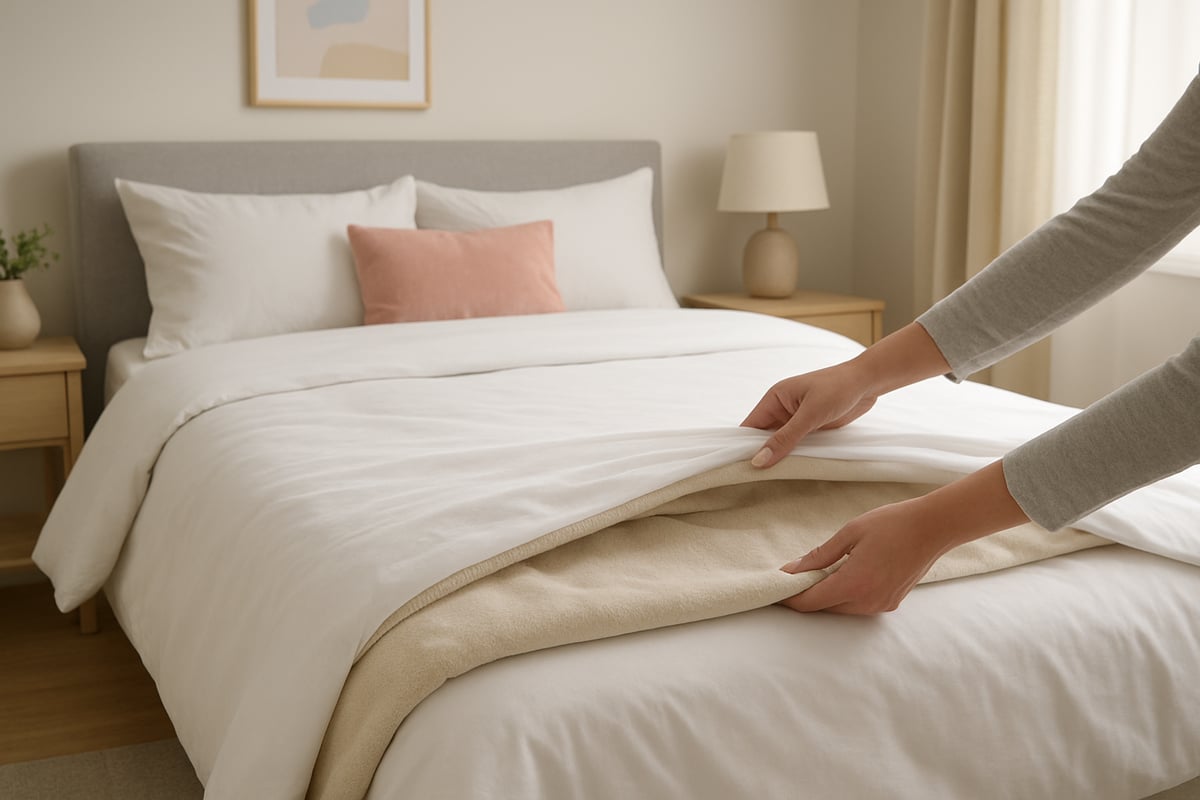
Now, let’s get hands-on. Lay your duvet cover inside out on the bed. Place the blanket for duvet cover use on top, aligning the corners. Grab the corners of both, flip the cover right side out, and give it a good shake.
Secure the blanket for duvet cover in place using built-in ties or clips if your cover has them. Smooth out any lumps, and you’re all set for a restful night.
Step 5: Maintain and care for your layered bedding
To keep your blanket for duvet cover fresh, follow the care instructions on the label. Most cotton and microfibre blankets are machine washable, while wool may need a gentler touch.
Wash your duvet cover every 1-2 weeks and the blanket for duvet cover every few months, or more often if you have allergies. Spot clean spills right away and air out your bedding regularly for extra freshness.
Troubleshooting common issues
Even the best blanket for duvet cover setups can have hiccups. If you notice sliding or bunching, try using corner ties or special bedding clips. For allergy or overheating problems, switch to a lighter, hypoallergenic blanket for duvet cover layering.
Still struggling? Sometimes, swapping to a different material or adjusting your layers is all it takes for a dreamy sleep experience.
Care, cleaning, and maintenance tips for blankets in duvet covers
Keeping your blanket for duvet cover fresh and inviting is easier than you think. With the right cleaning and care routine, your bedding can last for years, look gorgeous, and feel wonderfully cosy every night.
General washing and care guidelines by material
Every blanket for duvet cover comes with its own care instructions, so always check the label first. Cotton blankets usually love a gentle machine wash at 40°C, while wool prefers cooler water and a wool-safe detergent. Microfibre options are often easycare and can be washed on a standard cycle.
Here’s a quick comparison table for reference:
| Material | Wash Temp | Special Notes |
|---|---|---|
| Cotton | 40°C | Tumble dry low |
| Wool | 30°C | Air dry, no wring |
| Microfibre | 40°C | Fast drying |
| Blends | 30–40°C | Check instructions |
Avoid bleach and fabric softeners unless the tag says it’s safe. A little TLC goes a long way for your blanket for duvet cover.
Frequency of washing and best practices
How often should you wash a blanket for duvet cover? If you use your blanket inside a duvet cover, a wash every 2 or 3 months is usually enough. However, if you have allergies or pets, washing more frequently is a smart move.
For best results, shake out your blanket for duvet cover weekly to keep it fluffy and fresh. Always dry thoroughly to prevent musty smells or mildew. Rotate blankets seasonally and air out your bedding in sunlight when possible. This keeps your sleep space feeling like a breath of fresh air.
Addressing stains, odours, and allergens
Accidents happen, but your blanket for duvet cover doesn’t have to suffer. For stains, act fast by blotting (not rubbing) with a damp cloth and a touch of mild detergent. For lingering odours, sprinkle a little baking soda before washing.
To keep allergens at bay, choose hypoallergenic blankets and covers, and wash them in hot water if recommended. Regular cleaning helps reduce dust mites and keeps your blanket for duvet cover safe for sensitive sleepers. If you want to learn more about how bedding can impact allergies and sleep, check out the latest research on adaptive thermal regulation.
Storage tips for off-season blankets
When it’s time to swap your blanket for duvet cover for a lighter or heavier one, proper storage is key. Fold your blanket loosely to avoid creases and store it in a breathable cotton bag. Avoid plastic, as it can trap moisture and invite mould.
Add a lavender sachet or cedar block to keep things fresh and ward off moths. Always store your blanket for duvet cover in a cool, dry place, away from direct sunlight. This way, your blanket emerges from storage looking and smelling its best.
When to replace your blanket or duvet cover
Wondering if it’s time to upgrade your blanket for duvet cover? Look for signs like thinning fabric, persistent stains, or a loss of that cosy, insulating feel. If your bedding no longer sparks joy (or warmth), it might be time for a refresh.
Consider browsing the Plain duvet cover sets at Happy Home Shop when replacing old covers. Their range pairs perfectly with your favourite blanket for duvet cover, offering fresh style and easycare options for every budget. Treat yourself to a bedding update and enjoy comfort all year round.
2026 trends: what’s new and next in blankets for duvet covers
If you are curious about what is coming next for your blanket for duvet cover, 2026 is shaping up to be an exciting year. From bold new looks to smart bedding and eco-friendly choices, here is what you need to know to stay ahead of the curve and cosy up in style.
Emerging design and colour trends
In 2026, design is all about making your blanket for duvet cover a statement piece. Expect to see bold patterns, calming earth tones, and playful textures. Trending colours include sage green, terracotta, and warm neutrals, bringing a touch of nature into your bedroom. Patterns like oversized florals, geometric lines, and artisan-inspired prints are on the rise, creating visual interest without overwhelming your space.
Textured blankets, such as chunky knits and quilted cotton, are particularly popular, adding both comfort and style. Layering different textures and tones is a key trend, making it easy to refresh your bedding for the new season. For a deeper dive into the latest fabrics and designs, check out the top bedding trends for 2026. Happy Home Shop’s new arrivals reflect these trends, with a range of duvet covers and blankets to mix and match.
Technology and smart bedding integration
Tech is transforming the humble blanket for duvet cover into something truly futuristic. Smart textiles are now being woven into bedding, offering features like temperature regulation, moisture-wicking, and even app-controlled heating or cooling. Imagine adjusting your blanket’s warmth from your phone, or having sensors that track your sleep quality and adjust conditions for optimum rest.
Weighted blankets with built-in tech are another innovation, providing both comfort and anxiety relief. These smart features not only make your bed cosier, they also help you sleep better. If you are keen to see how technology is shaping better rest, explore the 2026 bedroom trends for better sleep. Many of these advancements are now available in the UK market, with Happy Home Shop offering smart-ready bedding options for the trend-conscious.
Sustainability and ethical sourcing in bedding
Eco-friendly choices are at the heart of 2026’s blanket for duvet cover trends. Shoppers are looking for organic cotton, bamboo blends, and recycled fibres, all certified for ethical and sustainable production. Brands are responding with transparent sourcing, reduced packaging, and carbon-neutral delivery options.
Upcycled and natural materials are not just good for the planet, they also provide a breathable and comfortable sleep environment. Look for the OEKO-TEX or GOTS certification on your next bedding purchase to ensure you are making a responsible choice. Happy Home Shop’s eco collection offers a variety of green options that do not compromise on comfort or style, so you can feel good about every snuggle.
Customisation and personalisation options
Personalisation is making the blanket for duvet cover uniquely yours in 2026. From monogramming to bespoke sizing, more brands are letting you tailor your bedding to your exact taste. Whether you want your initials embroidered or a custom colour palette to match your décor, the options are growing fast.
Made-to-order blankets and covers mean you can get the perfect fit for any bed, avoiding bunching or shifting. Some shops even offer limited-edition artist collaborations, so your bedding becomes a true reflection of your personality. Happy Home Shop has launched a new personalisation service, letting you create a one-of-a-kind bedroom without breaking the bank.
So now that you know all the tricks for picking the perfect blanket for your duvet cover—from choosing the right material to keeping everything fresh and cosy—it’s time to bring your bedding dreams to life. Why not have a browse and see what catches your eye? At Happy Home Shop, you’ll find affordable, high quality options (including the latest trends for 2026), easycare fabrics, and deals that’ll make your wallet just as happy as your bedroom. Ready to transform your sleep space?