Creating a beautiful, inviting bedroom doesn't require breaking the bank or mastering complicated design principles. The secret lies in understanding which bedding pieces you truly need and how they work together to transform your sleep space into a cosy sanctuary. Whether you're furnishing your first flat or refreshing a long-established bedroom, knowing the difference between essential and decorative bedding pieces helps you build a bed you'll love climbing into every night whilst staying within budget.
What exactly are bedding pieces?
When we talk about bedding pieces, we're referring to all the individual textile components that dress your bed and create a complete sleeping environment. These aren't just practical necessities for warmth and comfort; they're the building blocks of your bedroom's visual appeal.
The term encompasses everything from the fitted sheet that hugs your mattress to the decorative cushions you pile against your headboard. Each piece serves a distinct purpose, though some are more essential than others. Understanding what each item does helps you make informed decisions about where to invest your money and which pieces you can add gradually.
The foundation layer
Every bed starts with a solid foundation, and that means your sheet set. A fitted sheet with elasticated corners wraps snugly around your mattress, staying put throughout the night. This is your most crucial bedding piece because it's the one that touches your skin directly whilst you sleep.
Flat sheets sit between you and your duvet or blankets, providing an extra layer of softness and protection. Whilst they're traditional in many households, some people prefer to skip them entirely, making this bedding piece somewhat optional depending on personal preference.
Thread count matters, but perhaps not how you'd expect:
- 200-400 thread count offers durability and breathability
- 400-600 provides a balance of softness and quality
- Above 600 can sometimes feel less breathable
- Extremely high thread counts may use multi-ply yarns that don't improve quality
The weave of your sheets affects how they feel and perform. Percale creates a crisp, cool finish that's brilliant for warm sleepers, whilst sateen offers a silkier, slightly warmer drape that feels luxurious against your skin.

Building your bed with essential pieces
Once you've sorted your sheets, the next layer involves your duvet or quilt and its cover. A duvet cover is essentially a large pillowcase for your duvet insert, protecting it from dirt and body oils whilst adding style to your bedroom. This bedding piece is absolutely essential if you're using a duvet rather than traditional blankets.
Choosing between different materials for your duvet cover dramatically impacts your sleep quality. Cotton remains the most popular choice for duvet covers because it breathes beautifully, washes well, and suits most budgets. At Happy Home Shop, you'll find an extensive range of cotton duvet sets in various designs and colours that make refreshing your bedroom simple and affordable.
| Bedding piece | Essential or optional? | Primary function |
|---|---|---|
| Fitted sheet | Essential | Protects mattress, provides sleeping surface |
| Flat sheet | Optional | Extra layer between you and duvet |
| Duvet cover | Essential (if using duvet) | Protects duvet, adds style |
| Pillowcases | Essential | Protects pillows, hygiene |
| Pillow shams | Optional | Decorative layer |
| Bed throw | Optional | Adds texture and warmth |
Pillowcase varieties and their purposes
Your pillows need protection too, and that's where pillowcases come in. Standard pillowcases serve the practical purpose of keeping your pillows clean and fresh. These bedding pieces should be washed regularly, ideally weekly, to maintain good sleep hygiene.
But then there are pillow shams, which confuse many people. Unlike standard pillowcases that have an envelope or zip closure, shams are decorative covers that typically have an opening at the back. They're designed to coordinate with your duvet cover, creating a cohesive look.
Key differences between pillowcases and shams:
- Pillowcases are for sleeping pillows you actually use
- Shams cover decorative pillows removed at bedtime
- Shams often feature flanges or decorative borders
- Pillowcases prioritize comfort and washability
- Shams focus on aesthetic appeal
Decorative bedding pieces that elevate your style
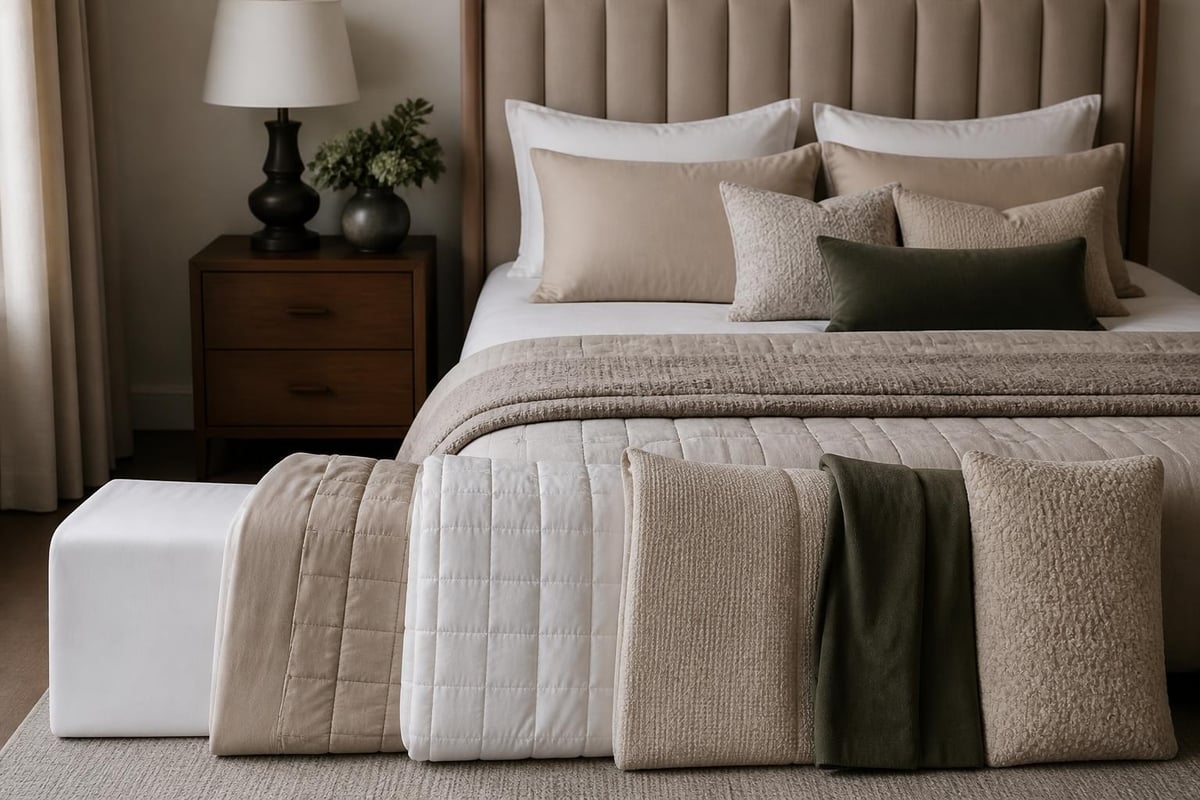
Beyond the essentials, decorative bedding pieces add personality and visual interest to your bedroom. These are the elements that transform a merely functional bed into a design statement, though they're entirely optional from a practical standpoint.
Cushions and decorative pillows come in countless shapes, sizes, and styles. You might choose square European pillows for a hotel-inspired look, or mix various textures and patterns for a more eclectic vibe. The key is not overdoing it. Finding the right number of cushions balances visual appeal with practicality.
A bed throw or coverlet provides another layer of texture and warmth. Draped across the foot of your bed, this bedding piece adds dimension whilst serving the practical purpose of extra warmth on chilly nights. During warmer months, you might fold it and place it in a basket for easy access.
Creating visual interest through layering
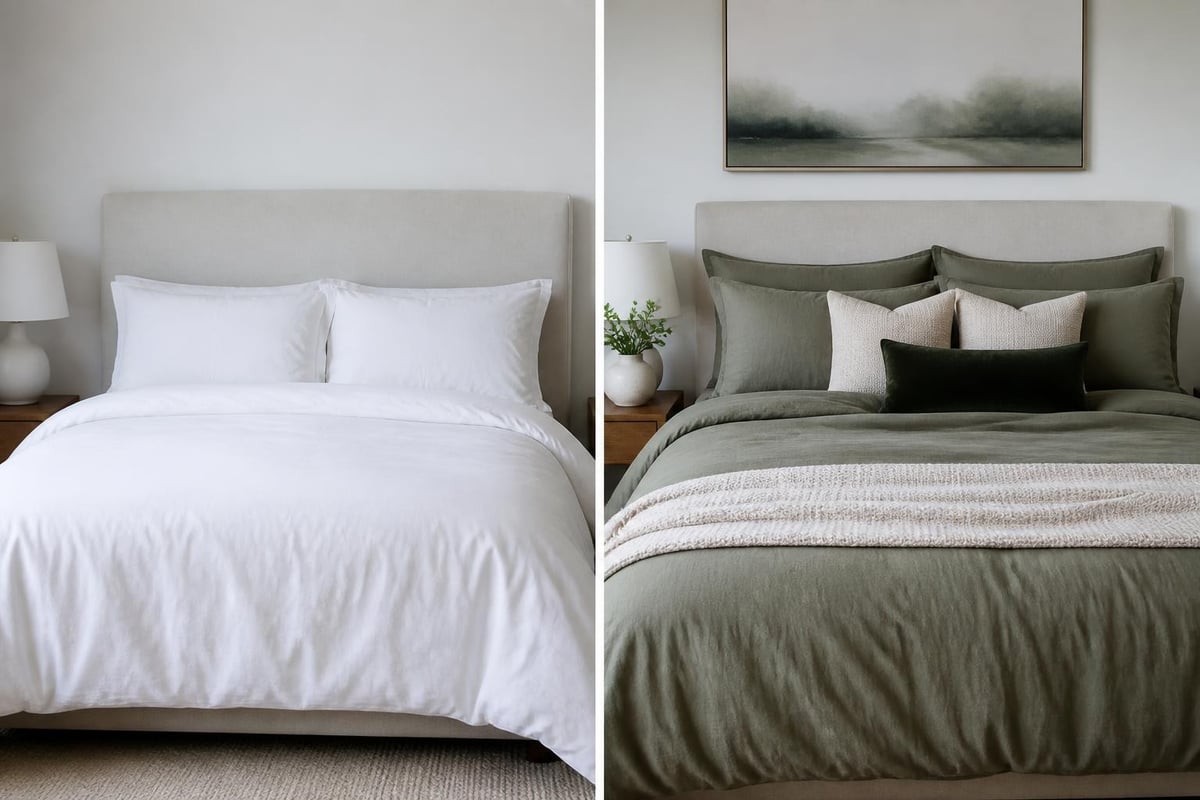
Professional designers build beautiful beds by layering different bedding pieces in complementary colours and textures. You don't need dozens of items to achieve this effect. Start with your base layers in neutral tones, then add pops of colour through your duvet cover and decorative cushions.
Consider the visual weight of your bedding pieces when layering. Heavy, dark fabrics make a bed feel grounded and cosy, whilst light, airy textiles create a fresh, summery atmosphere. Choosing between colourful and minimal aesthetics depends on your personal style and the overall mood you want to create.
Seasonal swaps and smart storage
One brilliant aspect of investing in multiple bedding pieces is the ability to change your bedroom's look seasonally without major expense. Summer bedding pieces typically feature lighter fabrics and brighter colours, whilst winter calls for richer tones and cosier textures.
Proper washing and storage of your bedding pieces extends their life significantly. When you're rotating seasonal items, ensure everything is freshly laundered and completely dry before storing. Fabric storage bags protect against dust whilst allowing fabrics to breathe, preventing musty odours.
Smart storage solutions for bedding pieces:
- Vacuum storage bags for bulky duvets (but not for long-term storage)
- Under-bed storage boxes for off-season sheet sets
- Wardrobe shelf dividers to keep sets organized
- Clear plastic bins for easy identification
- Lavender sachets to keep linens fresh
Temperature regulation matters throughout the year. Choosing the right thread count for summer helps you stay cool, whilst heavier weaves provide warmth in winter. You don't need completely different bedding pieces for each season; smart layering with what you already own works brilliantly.
Caring for your bedding pieces properly
Even the highest-quality bedding pieces won't last if you don't care for them correctly. Washing your sheets properly maintains their softness and prevents premature wear. Different fabrics require different approaches, but most cotton bedding pieces thrive with regular washing in warm water.
White bedding pieces demand special attention to maintain their brightness. Keeping white bedding pristine involves using the right detergents, avoiding overloading your washing machine, and treating stains promptly. Despite requiring extra care, white bedding pieces create a fresh, clean aesthetic that many people adore.
How often should you replace bedding pieces?
Quality bedding pieces should last several years with proper care, but they won't last forever. Fitted sheets typically wear out faster than duvet covers because they experience more friction and stretching. When elastic becomes loose or fabric develops thin spots, it's time for replacement.
| Bedding piece | Typical lifespan | Signs it needs replacing |
|---|---|---|
| Sheets | 2-3 years | Thinning fabric, pilling, elastic failure |
| Duvet covers | 5-7 years | Fading, holes, broken zips |
| Pillowcases | 2-3 years | Discoloration, thinning |
| Decorative shams | 5+ years | Fabric wear, style fatigue |
| Bed throws | 5+ years | Pilling, loss of shape |
Knowing when to change your sheets is different from knowing when to replace them entirely. You should wash sheets weekly or fortnightly, but replacement only becomes necessary when they show visible wear or no longer perform well.
Budget-friendly ways to update your bedding pieces
Refreshing your bedroom doesn't require replacing all your bedding pieces simultaneously. Strategic updates create maximum impact with minimum investment. Start with the largest visual element, which is usually your duvet cover, then add complementary cushions or a throw.
Shopping sales and seasonal promotions helps you build a collection of bedding pieces gradually. Many retailers, including Happy Home Shop, offer regular discounts that make acquiring quality items more affordable. Sign up for newsletters to receive notifications about special offers on duvet sets and sheet collections.
Mix high and low investments wisely. Splurge on sheets you'll use daily, as they directly impact your comfort and sleep quality. Save on decorative bedding pieces like cushions and throws, which face less wear and are easier to replace when you fancy a change.
Affordable bedding piece update strategies:
- Keep neutral sheets and swap colourful duvet covers seasonally
- Add one statement cushion rather than multiple similar ones
- Layer existing pieces in new combinations
- Introduce texture through an inexpensive throw
- Focus budget on pieces that touch your skin
Understanding specialty bedding pieces
Beyond standard items, specialty bedding pieces serve specific purposes or cater to particular preferences. Quilts and coverlets offer alternative top layers to duvets, working particularly well in warmer climates or for those who prefer lighter coverage.
Mattress protectors, whilst not strictly visible bedding pieces, deserve mention for their practical value. They shield your mattress from spills, allergens, and general wear, potentially extending its life by years. A waterproof protector is especially valuable in children's rooms or if you enjoy breakfast in bed.
For those interested in luxury materials, silk bedding pieces like pillowcases measured in momme weight offer unique benefits including reduced friction on hair and skin. Whilst more expensive than cotton alternatives, they're investment pieces that some people swear by for beauty sleep.
Coordinating bedding pieces across your home
Creating a cohesive home aesthetic involves thoughtfully coordinating bedding pieces across different rooms. You needn't match everything exactly, but choosing complementary colour palettes and similar style approaches creates visual harmony throughout your space.
Guest bedrooms benefit from versatile, neutral bedding pieces that suit various tastes whilst being easy to maintain. Keep a spare set of sheets and a fresh duvet cover ready for visitors, ensuring they feel welcomed and comfortable.
Children's bedding pieces balance practicality with personality. Choose durable, easy-wash fabrics in fun designs that can withstand frequent laundering. As children grow, their bedding preferences evolve, so consider more affordable options you won't mind replacing as their tastes change.
Making informed choices about fabric and weave
The fabric composition of your bedding pieces fundamentally affects their performance, feel, and longevity. Cotton remains the most popular choice due to its natural breathability, softness, and durability. Egyptian and Pima cottons represent premium options with extra-long fibres that create exceptionally smooth bedding pieces.
Comparing percale versus sateen weaves reveals how the same fabric can feel dramatically different based on construction. Percale's plain weave creates a matte finish with a crisp hand feel, whilst sateen's satin weave produces a lustrous surface with a softer drape.
Linen bedding pieces have surged in popularity recently for their relaxed, lived-in aesthetic and excellent temperature regulation. Though linen wrinkles easily, many people embrace this characteristic as part of its casual charm. Microfibre offers a budget-friendly alternative that resists wrinkles and stains, though it doesn't breathe as well as natural fibres.
Building your complete bedding collection
For those just starting out or completely refreshing their bedroom, understanding which bedding pieces to acquire first helps prioritize spending. Begin with the absolute essentials: fitted sheet, flat sheet (if desired), duvet cover, and pillowcases. This foundation provides everything needed for comfortable, hygienic sleep.
Next, add a second set of sheets and pillowcases so you always have clean bedding pieces available whilst one set is being washed. This seemingly simple addition reduces stress and ensures you're changing sheets as frequently as recommended.
Priority order for building your bedding collection:
- One complete sheet set (fitted, flat, pillowcases)
- Duvet and duvet cover
- Second complete sheet set
- Second duvet cover for seasonal rotation
- Basic pillow shams
- Decorative cushions
- Bed throw or coverlet
- Additional seasonal options
The beauty of gradually building your collection of bedding pieces is that you can make considered choices rather than rushed purchases. Watch for sales on items you know you'll need, and allow yourself time to discover your genuine preferences regarding fabrics, colours, and styles.
Happy Home Shop's extensive selection of duvet sets, sheets, and cushions makes assembling a complete bedding collection straightforward and affordable. Their various designs and colours mean you can find bedding pieces that perfectly suit your personal style whilst staying within budget.
Understanding which bedding pieces you need and how they work together transforms the sometimes overwhelming task of dressing your bed into an enjoyable creative process. By focusing on quality essentials first and adding decorative elements gradually, you create a bedroom that's both beautiful and wonderfully comfortable. Happy Home Shop offers everything you need to build your perfect bed, from everyday essentials to special finishing touches, all at prices that make creating your dream bedroom genuinely achievable. Browse their collections today and discover how simple it is to transform your sleep space into a cosy sanctuary you'll love.