There's something wonderfully romantic about bed sheets vintage designs that brings a sense of warmth and character to any bedroom. Whether you're hunting for authentic mid-century linens at a car boot sale or simply drawn to the timeless patterns of yesteryear, vintage sheets offer a unique way to personalise your sleeping space on a budget. The beauty of these textiles lies not only in their often-superior quality but also in the stories they carry and the nostalgia they evoke. From delicate florals to bold geometrics, vintage bed linens can transform your bedroom into a haven of retro charm whilst remaining wonderfully practical for everyday use.
Understanding what makes bed sheets vintage
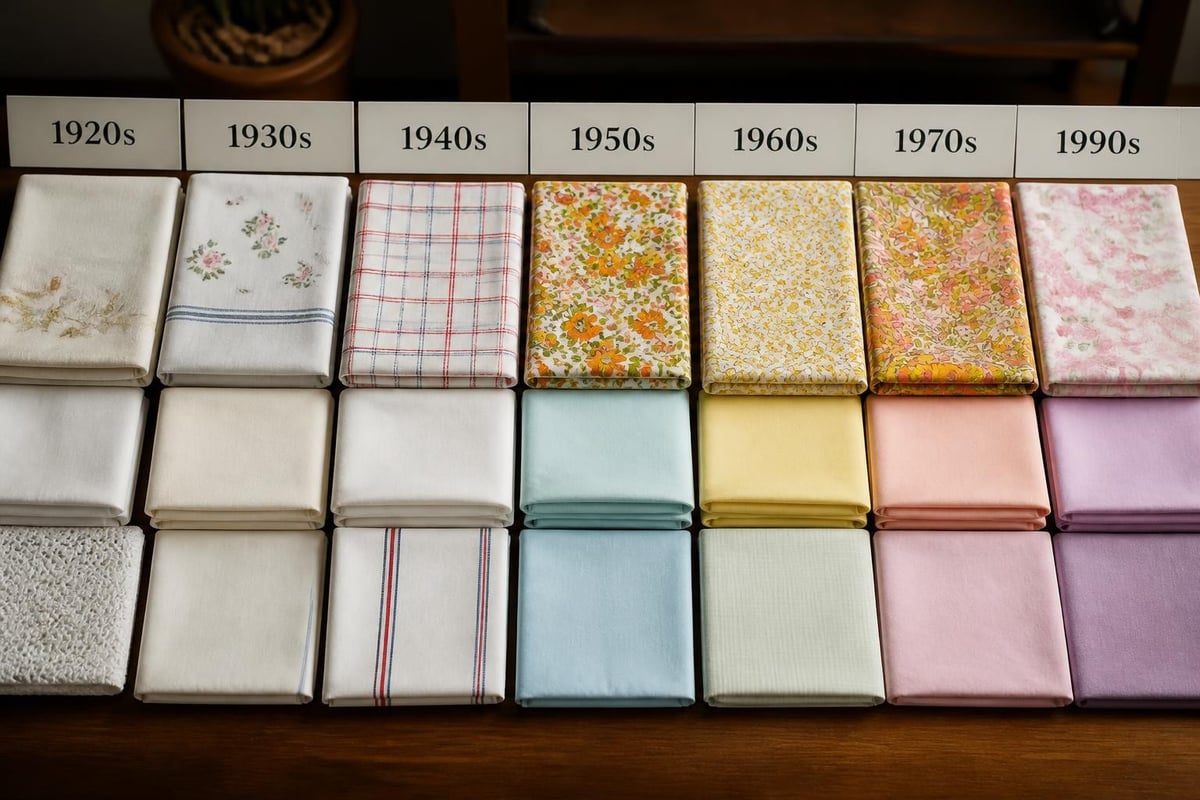
The term "vintage" when applied to bed linens typically refers to sheets manufactured between the 1920s and 1990s, with the most collectible pieces coming from the post-war era through to the early 1980s. These decades saw an explosion of creativity in textile design, with manufacturers experimenting with vibrant colours, bold patterns, and innovative weaving techniques.
Key characteristics of authentic vintage sheets include:
- Higher thread counts than many modern budget options
- Durable construction with reinforced seams
- Unique pattern designs that reflect their era
- Natural fibres, particularly cotton and linen
- Selvedge edges on flat sheets
- Manufacturer labels with period-appropriate styling
The Museum's exploration of linen as a sustainable material highlights how historical bed linens were crafted to last generations, explaining why so many vintage pieces remain in excellent condition today. This durability makes bed sheets vintage an environmentally conscious choice compared to fast-fashion bedding alternatives.
Dating your vintage finds
Working out the age of bed sheets vintage can be tremendously satisfying. Care labels provide excellent clues, as the history of laundry symbols evolved significantly throughout the 20th century. Sheets from before the 1970s rarely feature standardised care symbols, whilst those from the 1980s onwards typically display the familiar pictograms we recognise today.
Pattern styles also serve as reliable dating tools. The Vintage Sheet Patterns database offers a brilliant resource for identifying motifs and manufacturers, helping you pinpoint the decade your treasured find originated from.
Where to find bed sheets vintage treasures
The thrill of discovering perfect bed sheets vintage is part of their appeal. Unlike shopping for modern bed sheets, hunting for vintage requires patience, knowledge, and a bit of luck.
Top hunting grounds
Charity shops and car boot sales remain goldmines for vintage sheet enthusiasts. Arrive early for the best selection, and don't be afraid to dig through bins and boxes. Many sellers don't recognise the value of quality vintage linens, so you can score remarkable bargains.
Online marketplaces have revolutionised vintage shopping, allowing you to browse thousands of options from your sofa. Search terms matter enormously, so try variations like "retro sheets," "70s bedding," or specific pattern names like "daisy print sheets."
Antique fairs and vintage textile dealers offer curated selections, though prices reflect their expertise. These venues suit collectors seeking rare or museum-quality pieces.
What to check before buying
| Inspection Point | What to Look For | Deal Breakers |
|---|---|---|
| Fabric condition | Soft, intact fibres | Brittleness, holes, severe thinning |
| Stains | Light, treatable marks | Rust, mildew, oil-based stains |
| Seams | Secure stitching | Unravelling, extensive repairs |
| Smell | Musty but clean | Smoke damage, chemical odours |
| Sizing | Measurements match your bed | Significantly undersized pieces |
Always measure your mattress before shopping. Vintage sizing often differs from modern standards, particularly for deeper contemporary mattresses.
Caring for bed sheets vintage properly
Once you've acquired beautiful bed sheets vintage, proper care ensures they remain gorgeous for years to come. The National Trust's guidance on caring for heirloom textiles provides excellent conservation-minded advice that balances preservation with practical use.
Washing vintage sheets safely
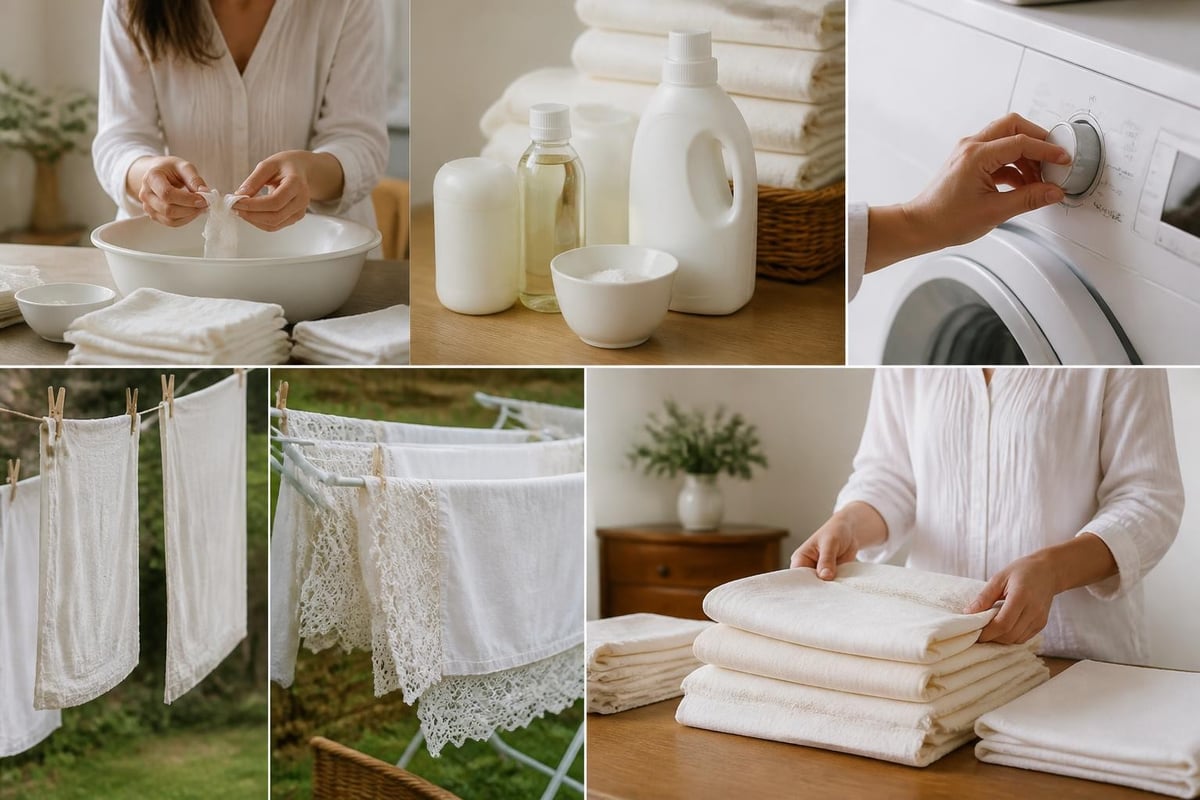
First-time washing deserves special attention. Test a small, inconspicuous area for colourfastness by dampening it with cool water and blotting with a white cloth. If colour transfers, consider professional cleaning or handwashing separately.
For sheets that pass the colourfast test:
- Turn sheets inside out to protect printed surfaces
- Use a gentle, pH-neutral detergent without optical brighteners
- Wash in cool or lukewarm water on a delicate cycle
- Avoid harsh stain removers or bleach on old fabrics
- Line dry when possible to prevent heat damage
- Iron on appropriate settings for the fibre type
The Canadian Conservation Institute's textile guidelines offer museum-grade recommendations for storage and environmental control, which can be adapted for home use when dealing with particularly precious pieces.
Storage solutions for preservation
Proper storage prevents deterioration. Acid-free tissue paper and breathable cotton bags protect vintage sheets far better than plastic containers, which trap moisture and promote mildew. Store in cool, dark, dry locations away from direct sunlight, which fades colours over time.
For particularly valuable bed sheets vintage, consider acid-free boxes and archival-quality storage materials. Rolling rather than folding reduces permanent creases in delicate fabrics.
Styling your bedroom with vintage sheets
Incorporating bed sheets vintage into your bedroom scheme creates instant character without requiring a complete redesign. The key lies in balancing nostalgia with contemporary comfort.
Mixing vintage and modern elements
Layering works beautifully. Pair vintage flat sheets with modern fitted sheets and contemporary duvet covers for a collected-over-time aesthetic. This approach also protects precious vintage pieces from the daily wear of direct mattress contact.
Vintage florals complement modern floral bedding collections wonderfully, allowing you to extend your vintage aesthetic affordably. Similarly, retro geometric patterns pair brilliantly with contemporary geometric designs.
Creating cohesive colour schemes
Decades have distinct palettes:
- 1950s: Pastels, particularly pink, mint, and buttercup yellow
- 1960s: Bright oranges, avocado, harvest gold
- 1970s: Earth tones, chocolate brown, burnt orange, olive
- 1980s: Soft pastels, mauve, dusty rose, pale blue
Pull accent colours from vintage sheets into your wider décor through cushions and accessories. This creates visual harmony whilst allowing your vintage pieces to shine as focal points.
Popular vintage sheet patterns and their stories
Certain bed sheets vintage patterns have achieved iconic status amongst collectors and interior enthusiasts. Understanding these designs helps you identify valuable pieces and appreciate the artistry behind them.
Floral motifs through the decades
1960s and 1970s florals dominate the vintage market, ranging from delicate ditsy prints to bold, psychedelic blooms. Mod daisies, oversized poppies, and abstract botanicals defined this era, reflecting the period's optimism and creativity.
Manufacturers like Martex, Springmaid, and Stevens produced thousands of floral designs, many created by prominent textile artists. These patterns influenced contemporary design significantly, with modern floral bedding collections often drawing inspiration from vintage archives.
Geometric and abstract designs
Op art and geometric patterns from the 1960s and 1970s represent some of the most striking bed sheets vintage available. Circles, stripes, checks, and abstract shapes in bold colour combinations create dramatic visual impact. These designs suit contemporary interiors particularly well, bridging decades of design evolution.
For those who adore geometric aesthetics but want guaranteed sizing and easy care, modern checks and stripes collections offer similar visual appeal with contemporary convenience.
| Pattern Type | Peak Era | Collectability | Styling Tip |
|---|---|---|---|
| Ditsy florals | 1930s-1950s | High (rare survivors) | Pair with solid colours |
| Mod florals | 1960s-1970s | Medium-High | Mix with geometric cushions |
| Geometric/Op art | 1960s-1970s | Medium | Anchor with neutral walls |
| Pastoral scenes | 1970s-1980s | Medium | Use as statement flat sheet |
| Cartoon/novelty | 1970s-1980s | High (niche market) | Perfect for kids' rooms |
The sustainability angle of choosing vintage
Beyond aesthetics and nostalgia, bed sheets vintage represent an environmentally responsible choice that aligns with growing awareness about textile waste. The fashion and homeware industries produce staggering amounts of waste annually, with bedding contributing significantly to landfill.
Environmental benefits of vintage textiles
Choosing secondhand eliminates production impact. Manufacturing new sheets requires water, energy, chemicals for dyeing and finishing, and packaging materials. By selecting bed sheets vintage, you bypass this entire environmental cost whilst often securing higher-quality textiles than many new budget options provide.
The discussion of linen's sustainability through history demonstrates how durable, natural-fibre textiles can serve households for decades or even centuries with proper care. This longevity stands in stark contrast to fast-fashion bedding designed for brief use.
For those interested in sustainable choices who prefer new products, sustainable bedding options and BCI cotton collections offer environmentally conscious alternatives.
Quality that justifies the hunt
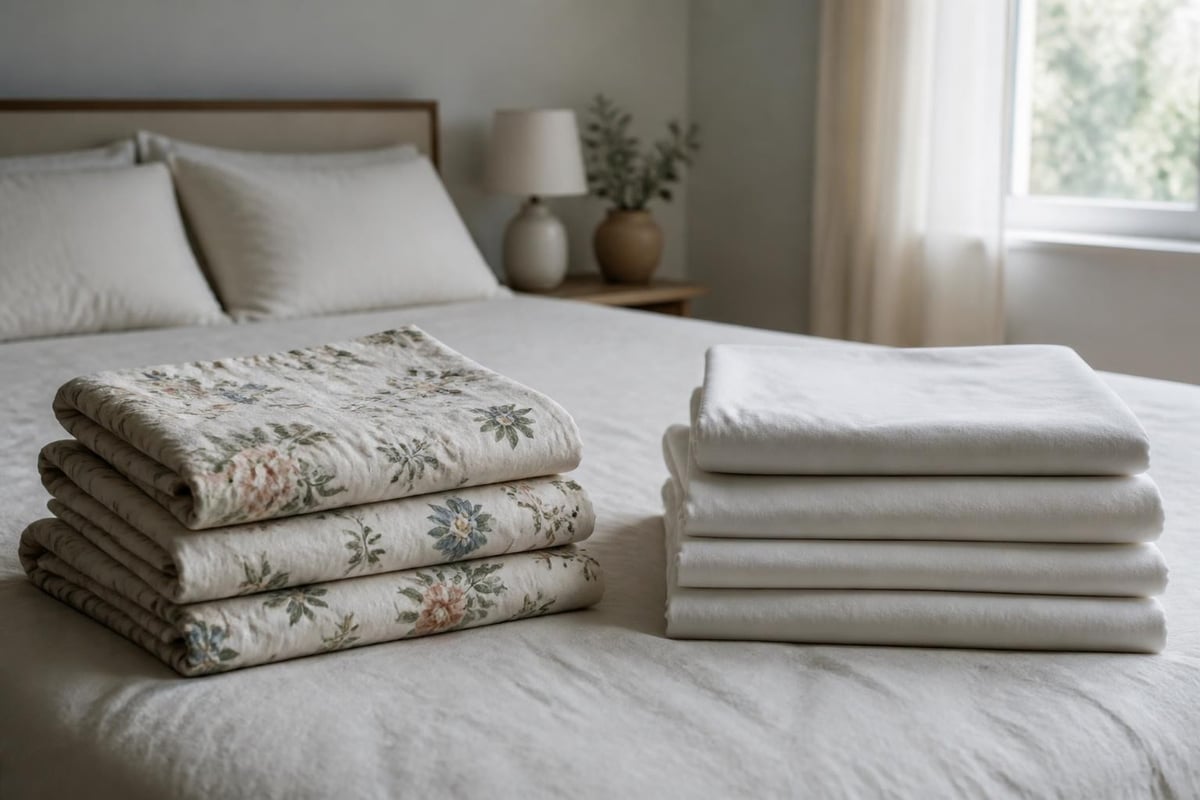
Vintage sheets often surpass modern equivalents in construction. Mid-century manufacturers prioritised durability, using tightly woven, high-quality cotton that softens beautifully with age. Many vintage sheets feature thread counts of 180-200 or higher, comparable to premium modern options but available at charity shop prices.
The weaving techniques and finishing processes used historically also differ from contemporary manufacturing. Sheets were often mercerised (treated to increase lustre and strength) and sanforised (pre-shrunk), resulting in stable, long-lasting textiles.
Repurposing damaged vintage sheets creatively
Even bed sheets vintage too worn for bed use deserve a second life. Small tears, stains, or thinning don't render beautiful textiles useless, they simply invite creative transformation.
Craft and sewing projects
Quilting represents the most traditional reuse. Cut usable sections into squares or strips for patchwork quilts that celebrate multiple patterns. This approach preserves the visual appeal whilst creating new, functional pieces.
Other popular projects include:
- Pillowcases and cushion covers from larger intact sections
- Tea towels and napkins from stain-free areas
- Tote bags featuring favourite patterns
- Curtains or valances for small windows
- Backing fabric for embroidery or cross-stitch projects
Home décor applications
Framing particularly beautiful sections creates affordable artwork with personal meaning. Mount pattern repeats or especially charming motifs in embroidery hoops or simple frames for gallery walls.
Vintage sheet fabric also works wonderfully for recovering furniture, creating Roman blinds, or making table linens. The possibilities extend limited only by imagination and sewing skill.
Building a collection without breaking the bank
Starting a bed sheets vintage collection needn't strain your budget. Strategic shopping and clear priorities help you build a lovely assortment affordably.
Setting collection parameters
Define your focus early. Some collectors pursue specific eras, colour families, or pattern types. Others seek particular manufacturers or designer collaborations. Clear criteria prevent impulse purchases and create cohesive collections.
Consider practical factors alongside aesthetics. If you actually use your vintage sheets rather than simply collecting them, prioritise sizes that fit your beds and conditions suitable for regular washing.
Budget-friendly collecting strategies
Start with everyday pieces rather than rare collectibles. Common 1970s florals and geometrics remain plentiful and affordable, allowing you to experiment with styling and care before investing in premium pieces.
Shop off-season when competition decreases. Summer car boot sales overflow with bedding, but winter months often yield better prices as sellers prefer quick sales over storage.
Join online communities and swap groups where enthusiasts trade duplicates and share finds. The vintage textile community proves remarkably generous, with members often helping newcomers learn authentication and care skills.
Authenticating and valuing your finds
As bed sheets vintage grow more popular, reproductions and "vintage-inspired" modern sheets appear increasingly in marketplaces. Developing authentication skills protects your investment and ensures genuine vintage pieces.
Telltale signs of authenticity
Examine labels carefully. Genuine vintage manufacturer tags differ markedly from modern printing. The GINETEX care symbols guide helps interpret labels and date sheets based on symbol evolution.
Fabric hand (how it feels) provides crucial clues. Vintage cotton develops a distinctive softness through washing and wear that differs from new fabric. Polyester-cotton blends became common in the 1970s, offering another dating tool.
Construction details matter:
- Selvage edges on flat sheets (modern sheets often have cut edges)
- Hem types and stitching patterns specific to certain eras
- Label placement and attachment methods
- Fibre content and blend ratios
For particularly valuable or questionable pieces, the Smithsonian's textile conservation overview describes professional examination techniques museums use. While most home collectors won't require this depth of analysis, understanding professional standards helps develop a discerning eye.
Understanding collector value
Rarity drives collector pricing rather than age alone. Common 1970s patterns from mass manufacturers trade for £5-15, whilst designer collaborations or limited runs command £50-200 or more. Condition, completeness (sets versus singles), and current design trends all influence value.
The National Park Service textile handbook provides documentation approaches useful for cataloguing valuable collections, ensuring proper records for insurance or eventual sale.
Practical considerations for daily use
Using bed sheets vintage regularly requires balancing preservation with enjoyment. After all, textiles were made to be used, and careful daily use often proves less damaging than improper storage.
Rotation and rest periods
Avoid using the same vintage sheets continuously. Rotating between several sets reduces wear and allows fabrics to recover between uses. This approach mirrors museum textile display protocols, where pieces are exhibited for limited periods then rested.
For particularly fragile or valuable bed sheets vintage, reserve them for guest rooms or occasional use rather than nightly sleeping. This extends their lifespan whilst still allowing you to enjoy them regularly.
Addressing common issues
Yellowing affects many vintage white and light-coloured sheets. Rather than harsh bleaching, try gentle oxygen-based products specifically formulated for vintage textiles. Sunlight naturally brightens white linens when used carefully, though overexposure causes fibre damage.
Stubborn odours respond well to baking soda soaks before washing. Dissolve half a cup in cool water and soak sheets for several hours or overnight, then wash as normal.
Minor repairs extend usability significantly. Learn basic darning for small holes, and reinforce thinning areas with iron-on interfacing on reverse sides where aesthetics allow.
From hunting treasures at car boot sales to styling your bedroom with one-of-a-kind patterns, bed sheets vintage offer a delightful way to create a characterful home whilst making environmentally conscious choices. Whether you're drawn to groovy 1970s geometrics or sweet 1950s florals, these durable textiles prove that beautiful bedding needn't cost the earth. For those times when vintage hunting proves challenging or you need reliable sizing and easy care, Happy Home Shop offers an extensive collection of affordable duvet sets, sheets, and cushions in designs that capture vintage charm whilst delivering modern convenience and quality.