Shopping for bedding has never been easier, thanks to the explosion of bed sheet websites offering everything from crisp cotton to luxurious linen. Whether you're hunting for complete bedding sets or just replacing worn-out pillowcases, the digital marketplace has transformed how we furnish our sleeping spaces. The challenge? Navigating dozens of bed sheet websites without getting lost in thread counts, confusing fabric blends, and too-good-to-be-true promises. This guide will help you become a savvy online bedding shopper, armed with the knowledge to spot quality, avoid common pitfalls, and create a cosy bedroom sanctuary without breaking the bank.
Understanding what bed sheet websites actually sell
Not all bed sheet websites are created equal. Some specialise in premium organic cotton, whilst others focus on affordable polyester blends or innovative cooling fabrics. The best approach is knowing exactly what you need before you start clicking through endless product pages.
Most bed sheet websites organise their inventory into several key categories:
- Fitted sheets (the ones with elastic corners that hug your mattress)
- Flat sheets (the traditional top sheet that sits between you and your duvet)
- Pillowcases (standard, Oxford, or housewife styles)
- Duvet covers and complete sets (often bundled for convenience)
- Specialty items like mattress protectors, valances, and decorative shams
When browsing bed sheet websites, you'll quickly notice that terminology matters. What one site calls "percale" another might label "plain weave cotton." Understanding these differences helps you compare like-for-like across multiple retailers. For instance, if you're specifically after sheets and pillowcases sets, knowing your preferred weave type narrows your search considerably.
The fabric maze: decoding material descriptions
The fabric composition section on bed sheet websites can feel like reading a foreign language. Cotton, Egyptian cotton, Supima cotton, bamboo, microfiber, linen, and countless blends all promise different benefits.
| Fabric Type | Key Benefits | Common Drawbacks |
|---|---|---|
| 100% Cotton | Breathable, durable, soft with age | Can wrinkle easily, may shrink |
| Egyptian/Pima Cotton | Extra-long fibres, luxurious feel | Higher price point |
| Linen | Temperature-regulating, gets softer over time | Very prone to wrinkling |
| Microfiber/Polyester | Wrinkle-resistant, budget-friendly | Less breathable, can feel clammy |
| Bamboo Rayon | Silky smooth, moisture-wicking | Requires careful washing |
Consumer Reports' sheet testing reveals that thread count isn't the be-all-end-all metric many bed sheet websites would have you believe. Anything above 400 thread count often uses multi-ply yarns that create bulk rather than quality. Focus instead on fibre length, weave type, and fabric weight.
Sizing confusion solved: getting the perfect fit
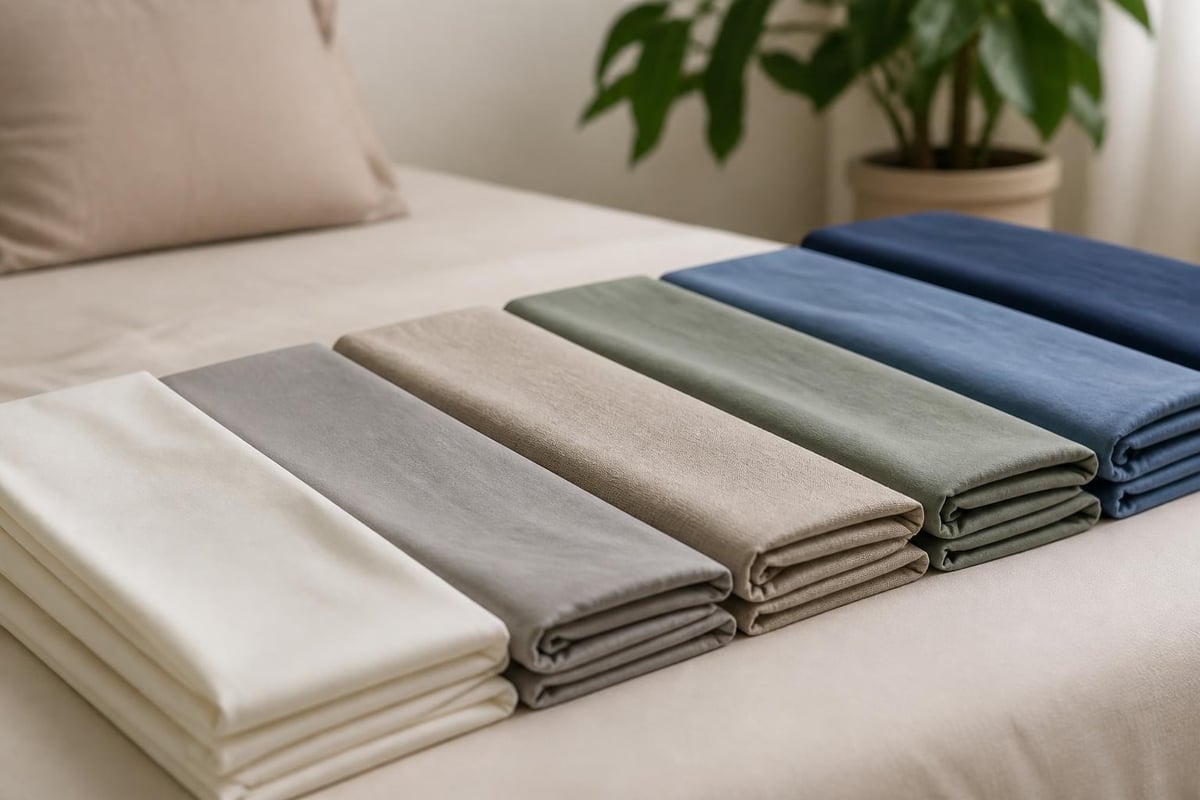
One of the biggest frustrations when shopping across bed sheet websites is inconsistent sizing. A "double" fitted sheet from one retailer might not fit the same mattress depth as another brand's version.
British bed sizes generally follow these standards:
- Single: 90cm x 190cm
- Double: 135cm x 190cm
- King: 150cm x 200cm
- Super King: 180cm x 200cm
But here's where bed sheet websites often fall short in their product descriptions: mattress depth. Modern mattresses with pillow-tops or memory foam layers can be 30-40cm deep, whilst traditional mattresses might only be 20-25cm. Always check the "pocket depth" or "mattress depth" specification before adding to basket.
Our guide on duvet cover sizing fit explains why proper measurements prevent that annoying bunched-up duvet situation. The same principle applies to fitted sheets – too shallow and they'll pop off at 3am, too deep and they'll bunch underneath you.
The importance of product photography
Research from Baymard Institute on ecommerce product pages demonstrates that high-quality images significantly impact purchase decisions. The best bed sheet websites show:
- Close-up texture shots revealing weave pattern
- Sheets on an actual bed (not just folded stacks)
- Scale references (like pillows or a person) to understand drape
- Colour accuracy under different lighting conditions
- Detail shots of corners, stitching, and elastic quality
When you can't touch the fabric in person, these visual cues become your primary quality assessment tool. Bed sheet websites that skimp on photography or use overly edited images should raise a red flag.
Decoding reviews and ratings on bed sheet websites
Customer reviews are gold, but you need to read them strategically. Look for patterns rather than individual complaints. If fifteen people mention that sheets from a particular bed sheet website pill after two washes, that's data. If one person complains about colour, that might just be monitor calibration.
Watch for these review red flags:
- Vague, generic praise ("Great sheets! Very nice!")
- All five-star reviews posted within days of each other
- No mention of fabric feel, washing performance, or durability
- Photos that look professional rather than customer-taken
The most helpful reviews on bed sheet websites include specific details: "Washed three times at 40°C, no shrinkage, still soft" or "Fitted sheet fits my 28cm memory foam mattress perfectly with 2cm to spare."
Why some bed sheet websites seem too cheap to be true
If you're browsing bed sheet websites and spot a "100% Egyptian cotton 1000 thread count" set for under £20, your skepticism is justified. Genuine long-staple Egyptian cotton costs more to produce and process. Some budget bed sheet websites might use:
- Short-staple cotton labeled misleadingly
- Multi-ply yarns to inflate thread count artificially
- Cotton/polyester blends marketed as cotton
- Lower-grade cotton grown in Egypt but not true Egyptian cotton
This doesn't mean affordable bedding can't be excellent quality. It means understanding what you're actually buying. The best bed linen UK options balance price with honest material descriptions and realistic durability expectations.
Sustainability and certifications on bed sheet websites
In 2026, conscious consumers increasingly seek bed sheet websites that prioritise environmental responsibility. But greenwashing is rampant – terms like "eco-friendly" and "natural" mean little without certification backing them up.
Look for these legitimate certifications when browsing bed sheet websites:
- OEKO-TEX Standard 100: Ensures textiles are free from harmful chemicals. The OEKO-TEX annual report outlines their rigorous testing protocols.
- GOTS (Global Organic Textile Standard): Covers organic fibre production, processing, manufacturing, and labeling. According to the GOTS annual report, certified facilities meet strict environmental and social criteria.
- Fair Trade: Ensures ethical labour practices and fair wages
- Better Cotton Initiative: Promotes sustainable cotton farming practices
The Textile Exchange materials benchmark tracks industry progress toward more sustainable fibre sourcing. Bed sheet websites serious about sustainability will reference these standards rather than just using vague green marketing language.
The lifecycle question: what happens after you're done?
Few bed sheet websites discuss end-of-life, but it matters. According to the EPA's textile data, the vast majority of textile waste ends up in landfills. When comparing bed sheet websites, consider:
- Are the sheets made from biodegradable natural fibres?
- Does the company offer a recycling programme?
- Can worn sheets be composted or repurposed?
- Are packaging materials recyclable or plastic-free?
Cotton and linen sheets eventually break down, whilst polyester blends persist for decades. The bed sheet websites that acknowledge this reality tend to offer better-quality products designed for longevity rather than disposability.
Performance claims: cooling, hypoallergenic, and antibacterial sheets
Bed sheet websites love making bold performance claims. "Cooling sheets that reduce sleep temperature by 3 degrees!" "Hypoallergenic fabrics that eliminate dust mites!" "Antibacterial technology for fresher sleep!" But what's real and what's marketing fluff?
A peer-reviewed study on cooling sheets found that certain fabrics with phase-change materials or specific weaves can indeed improve thermal comfort. However, simple cotton percale naturally sleeps cooler than sateen weaves because of increased airflow. Many bed sheet websites charge premium prices for "cooling technology" that standard breathable cotton provides naturally.
According to the Sleep Foundation's research on bedding choices, your sheet fabric genuinely impacts sleep quality through temperature regulation. Natural fibres like cotton and linen wick moisture and breathe better than synthetics, making them naturally cooling.
Hypoallergenic claims decoded
If you're prone to allergic reactions to bed sheets, certain bed sheet websites specifically cater to sensitive skin. But "hypoallergenic" isn't a regulated term. What actually helps?
- Tightly woven fabrics (like percale) that resist dust mite penetration
- Sheets certified free from harsh chemical finishes (look for OEKO-TEX)
- Regular washing in hot water (60°C when fabric allows) to eliminate allergens
- Natural fibres without antimicrobial chemical treatments
The American Cleaning Institute's guidance on bedding care emphasises that proper washing matters more than special fabrics. Bed sheet websites selling "antimicrobial" sheets often treat fabrics with chemicals that may irritate sensitive skin – the opposite of helpful.
Washing and care instructions: what bed sheet websites should tell you
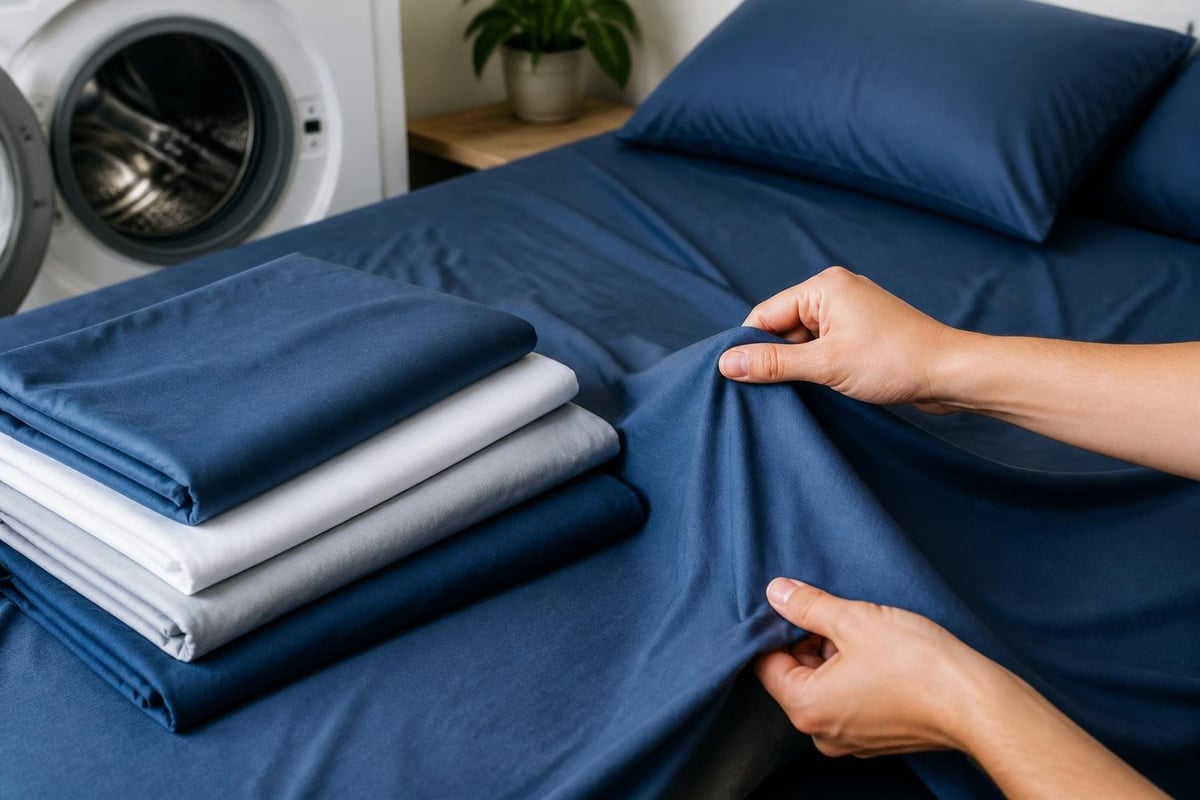
The longevity of your sheets depends heavily on proper care, yet many bed sheet websites bury this crucial information. Before purchasing, find out:
- Maximum washing temperature
- Whether tumble drying is recommended or forbidden
- If ironing is necessary or advised against
- Special care for first wash (some colours bleed initially)
- Expected shrinkage percentage
Our comprehensive bedding care guide covers these details, but responsible bed sheet websites should be upfront about maintenance requirements. Linen sheets that need careful cool washing and air drying might not suit your lifestyle, even if they're gorgeously textured.
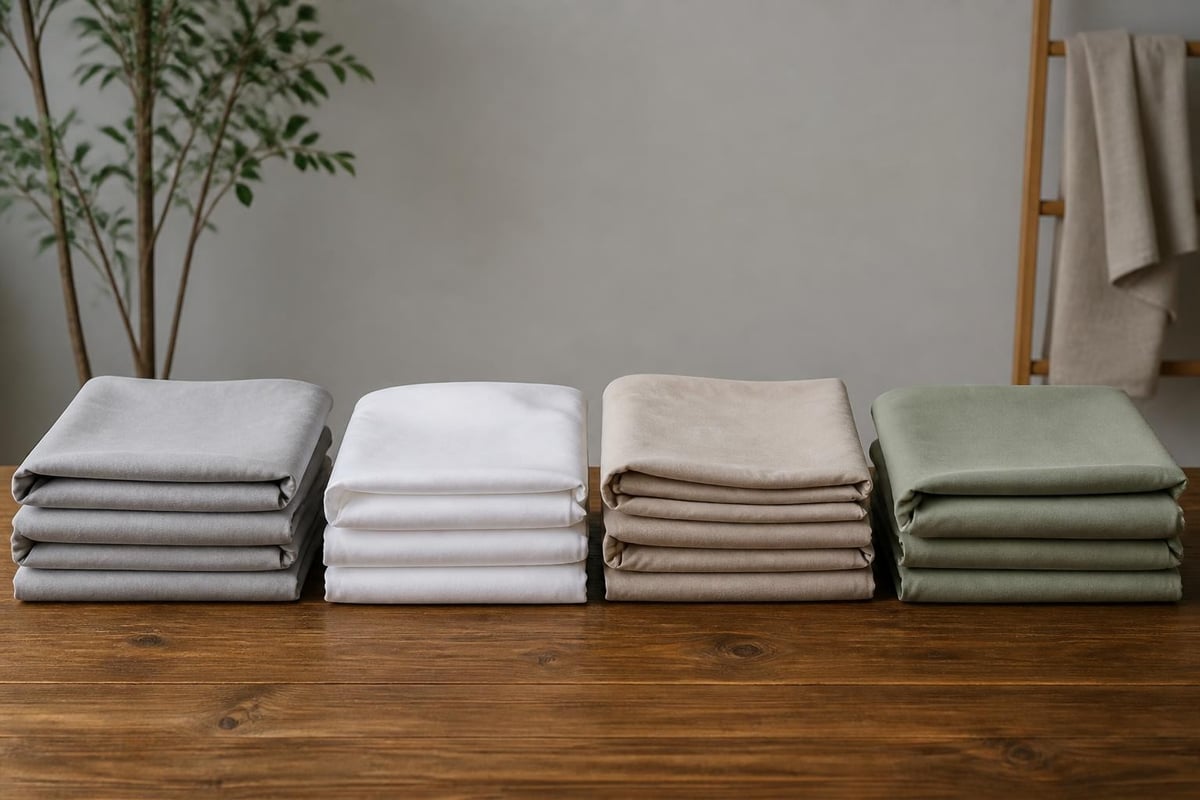
The great ironing debate
Some bed sheet websites sell "wrinkle-free" or "easy-care" sheets that promise you'll never need an iron. These typically contain polyester or chemical finishes. Natural cotton and linen wrinkle beautifully (or frustratingly, depending on your perspective).
If you're wondering about whether to iron your bed sheets, the answer depends entirely on your aesthetic preferences and time availability. Bed sheet websites should be honest about fabric characteristics rather than implying all sheets emerge wrinkle-free from the dryer.
Seasonal shopping: timing your purchases on bed sheet websites
Smart shoppers know that bed sheet websites follow predictable discount cycles. January white sales, spring refreshes, and autumn clearances offer the deepest discounts. But timing isn't everything – buying quality sheets at full price beats cheap sheets on sale that pill after three washes.
When browsing bed sheet websites across seasons, consider:
- Winter: Heavier cotton sateen or brushed flannel for warmth
- Spring: Fresh colours and lighter percale weaves
- Summer: Crisp linen or lightweight cotton for cooling
- Autumn: Richer tones and medium-weight options
Collections like autumn duvet covers and seasonal bedding showcase how bed sheet websites adapt their offerings throughout the year. However, the best bed sheet websites maintain core classics year-round rather than forcing you to wait months for basic white cotton sheets.
Multi-buy offers and bundle deals
Many bed sheet websites entice shoppers with "buy more, save more" promotions. These can offer genuine value, but only if:
- You actually need multiple sets (experts recommend 2-3 per bed for rotation)
- The quality justifies buying in quantity
- The sheets suit your actual needs rather than being discounted because they're unpopular
Bundled bedding sets from bed sheet websites often include items you don't want (like decorative cushions or bed runners). Sometimes buying fitted sheets, flat sheets, and pillowcases separately costs less than the "complete set."
Red flags: when to abandon a bed sheet website
Not all bed sheet websites deserve your trust or money. Warning signs that should send you clicking elsewhere include:
- No contact information or UK address (just a contact form)
- Suspiciously low prices on premium materials
- Stock photos instead of actual product images
- No return policy or impossible return conditions
- Spelling errors and poor grammar throughout the site
- No social media presence or reviews outside their own site
- Pressure tactics like countdown timers on "limited stock"
- Unclear shipping costs until checkout
Even legitimate bed sheet websites occasionally frustrate with poor customer service, but these red flags suggest deeper problems. Your payment information and personal data deserve better protection.
Testing the waters with small purchases
If you're trying a new bed sheet website for the first time, start with a single pillowcase or smaller item before committing to a full set. This lets you assess:
- Actual fabric quality versus website descriptions
- Colour accuracy
- Shipping speed and packaging quality
- Customer service responsiveness
- Return process ease
The Good Housekeeping testing methods involve washing sheets dozens of times to evaluate durability. You can't replicate that before buying, but a test purchase reduces risk when exploring unfamiliar bed sheet websites.
Making bed sheet websites work for your budget
Quality bedding needn't drain your bank account. The smartest approach to shopping bed sheet websites involves:
- Knowing your non-negotiables (perhaps 100% cotton, but you're flexible on thread count)
- Comparing cost-per-use rather than just upfront price
- Reading care instructions to understand maintenance costs
- Checking actual product weights (GSM/grams per square metre) to compare fabric density
- Signing up for newsletters from trusted bed sheet websites for exclusive discount codes
Resources like our guide on how to wash and store bedding for maximum longevity help you protect your investment. Cheaper sheets that last two years often cost more than quality sheets that last five.
| Price Range | What to Expect | Best For |
|---|---|---|
| Under £20/set | Polyester blends, basic cotton | Guest rooms, rental properties |
| £20-50/set | Good cotton, decent thread count | Daily use, families, budget-conscious |
| £50-100/set | Premium cotton, linen, speciality weaves | Master bedroom, quality-focused buyers |
| Over £100/set | Luxury materials, designer brands | Special occasions, ultimate comfort seekers |
The best bed sheet websites offer options across all price points, letting you choose quality level based on your specific needs and budget. A student's first flat has different requirements than a family home or a couple's master suite.
The future of bed sheet websites: what's changing in 2026
Shopping for bedding online continues to evolve. Forward-thinking bed sheet websites now offer:
- Virtual try-before-you-buy programmes (sample swatches sent free)
- Augmented reality tools to visualise sheets in your bedroom
- Subscription models for automatic replacement at regular intervals
- Carbon-neutral shipping and plastic-free packaging
- Transparent supply chains showing exactly where cotton is grown and processed
Some bed sheet websites partner with recycling programmes, accepting worn-out sheets regardless of brand. Others offer repair services for minor damage, extending product life. These innovations align with consumer demands for sustainability and transparency.
Technology also improves the shopping experience itself. Better filtering systems on bed sheet websites let you search by specific criteria (OEKO-TEX certified, made in UK, pocket depth 30-35cm, percale weave, machine wash 60°C). This precision saves hours of scrolling through unsuitable options.
Building trust through education
The most successful bed sheet websites don't just sell products – they educate customers. Content like why cotton is the best choice for duvet covers helps shoppers make informed decisions rather than impulsive purchases they'll regret.
When bed sheet websites invest in genuinely helpful content (rather than keyword-stuffed nonsense), everyone benefits. You learn about fabric weights, weave types, and care requirements. The retailer builds trust and loyalty. It's a win-win that transforms shopping from overwhelming to empowering.
Finding the perfect sheets online doesn't need to feel like navigating a labyrinth of confusing specifications and marketing hype. Armed with knowledge about fabrics, sizing, certifications, and red flags, you can confidently shop bed sheet websites and create the cosy, inviting bedroom you deserve. Whether you're refreshing your master suite or kitting out a guest room, Happy Home Shop offers carefully curated bedding collections that balance quality, affordability, and style, making it simple to transform your sleeping space into a comfortable sanctuary without the stress of endless comparison shopping.