Creating a beautiful, comfortable bedroom doesn't have to break the bank. The foundation of any inviting sleep space starts with quality sheets and linen that feel wonderful against your skin, look fantastic, and stand up to regular washing. Whether you're refreshing your entire bedroom or simply replacing worn bedding, understanding what makes great sheets and linen can transform both your sleep quality and your bedroom's aesthetic. With the right knowledge, you can create a luxurious retreat that rivals expensive hotel suites without the hefty price tag.
Understanding different types of sheets and linen
The world of bedding can feel overwhelming when you're faced with countless options. Let's break down the most popular materials so you can make informed choices.
Cotton: the classic choice
Cotton remains the most beloved fabric for sheets and linen, and for good reason. This natural fibre breathes beautifully, washes well, and gets softer with each laundry cycle. You'll find several varieties worth considering:
- Egyptian cotton offers extra-long fibres that create incredibly smooth, durable fabric
- Pima cotton provides similar luxury at a more accessible price point
- Organic cotton appeals to environmentally conscious shoppers
- Standard cotton delivers excellent value for everyday use
The Happy Home Essentials collection features high-quality cotton options that prove you don't need to spend a fortune for comfortable, long-lasting bedding.
Linen fabric: breathable and beautiful
True linen, made from flax plants, has experienced a massive surge in popularity. According to bedroom linen market research, consumers increasingly value natural, sustainable materials. Linen sheets regulate temperature brilliantly, keeping you cool in summer and cosy in winter.
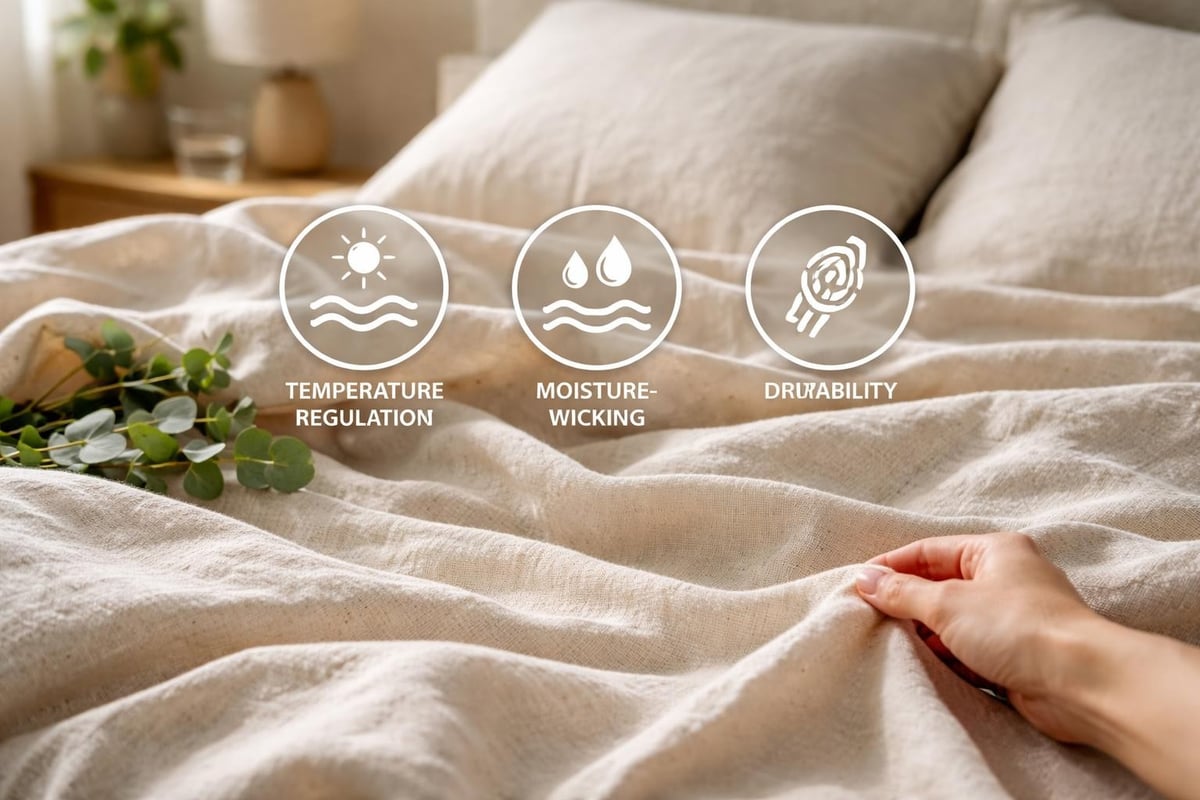
Key benefits of linen include:
- Exceptional breathability that prevents overheating
- Natural moisture-wicking properties
- Antibacterial qualities that keep bedding fresher longer
- A relaxed, textured appearance that adds character
- Improved softness over time without losing durability
Many people worry about linen's tendency to wrinkle, but this characteristic actually contributes to its casual, lived-in charm. If you prefer crisp sheets and linen, the non-iron duvet cover sets offer easy-care alternatives.
Microfibre and synthetic options
Budget-friendly microfibre sheets and linen deliver surprising comfort. These synthetic materials resist wrinkles, dry quickly, and often cost significantly less than natural fibres. The microfibre duvet cover sets collection demonstrates how modern manufacturing creates soft, attractive bedding at accessible prices.
Decoding thread count and quality indicators
Thread count has become the bedding industry's most misunderstood metric. Many shoppers assume higher numbers automatically mean better quality, but that's not always true.
What thread count really means
Thread count measures how many threads manufacturers weave into one square inch of fabric, counting both vertical (warp) and horizontal (weft) threads. Here's what different ranges typically indicate:
| Thread Count | Quality Level | Best For |
|---|---|---|
| 200-400 | Good everyday quality | Budget-conscious households |
| 400-600 | Premium comfort | Balance of quality and value |
| 600-800 | Luxury feel | Special occasions or guests |
| 800+ | Often marketing hype | May not feel better than 600 |
The Sleep Foundation's comprehensive sheets guide explains that thread counts above 600 often involve twisted yarns counted multiple times, creating inflated numbers without proportional quality improvements.
Other quality indicators to consider
Focus on these factors beyond thread count:
- Fibre length: Longer fibres (like Egyptian or Pima cotton) create smoother, stronger fabric
- Weave type: Percale offers crisp coolness whilst sateen provides silky warmth
- Ply: Single-ply threads typically feel softer than multi-ply alternatives
- Finishing treatments: Look for pre-shrunk, colourfast options
Choosing the perfect sheets and linen for your needs
Your ideal bedding depends on personal preferences, climate, and lifestyle factors. Let's explore how to match sheets and linen to your specific situation.
Climate considerations
Temperature plays a crucial role in bedding selection. Hot sleepers benefit from lightweight, breathable options like cotton percale or linen. Those who feel chilly appreciate the cosy warmth of teddy bedding or brushed cotton.
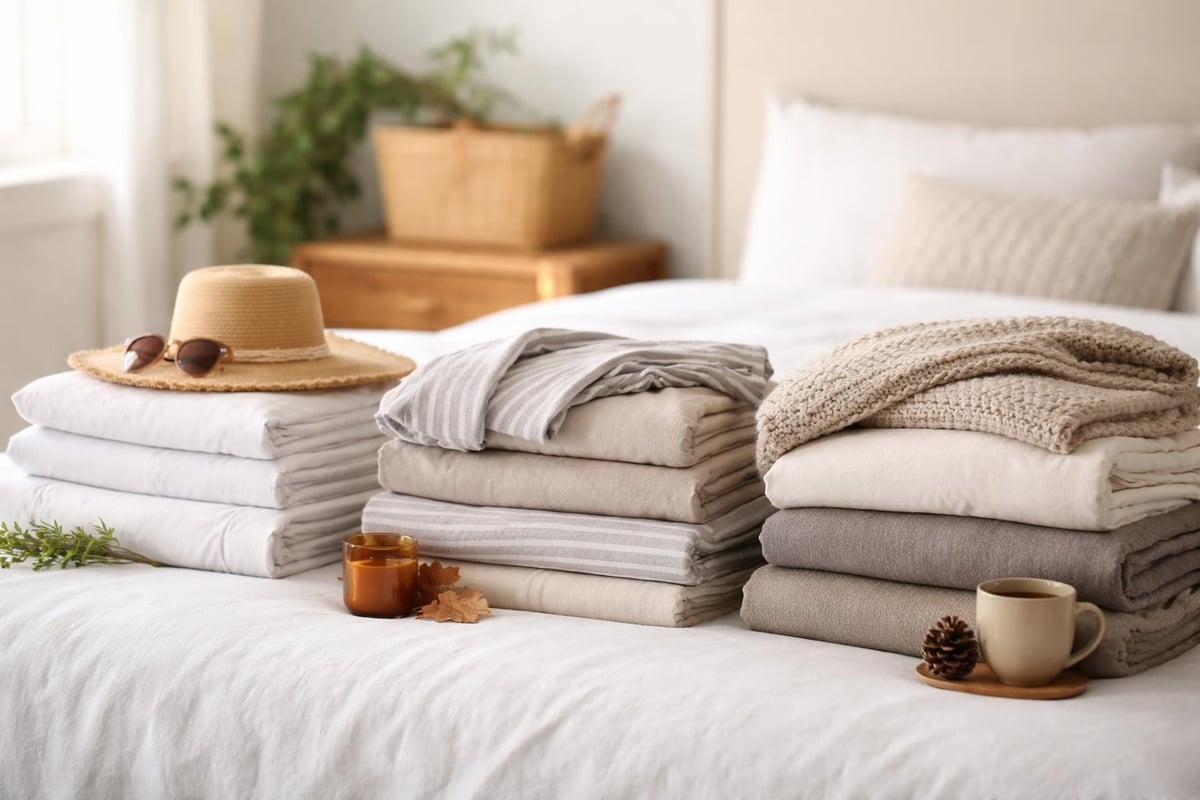
Seasonal rotation strategy:
- Spring/Summer: Choose crisp cotton or linen in light colours
- Autumn: Transition to medium-weight cotton or jersey knit
- Winter: Embrace flannel, fleece, or luxurious teddy fabrics
- Year-round: Maintain breathable basics for unpredictable weather
Allergy and sensitivity concerns
If you experience skin irritation or allergic reactions, your sheets and linen choice matters enormously. Natural fibres like organic cotton or bamboo reduce exposure to chemicals and synthetic materials. Our guide on allergic reactions to bed sheets offers detailed advice for sensitive sleepers.
Style and aesthetic preferences
Your bedroom reflects your personality, and sheets and linen contribute significantly to its overall look. Consider these popular approaches:
- Hotel-inspired elegance: Crisp white or neutral tones with layered textures
- Colourful personality: Bold patterns and vibrant hues that energise
- Cosy retreat: Soft, muted tones with comforting textures
- Minimalist calm: Simple designs in natural fibres and earthy colours
The hotel-style duvet cover sets capture that luxurious feeling without the premium price tag.
Caring for your sheets and linen properly
Proper maintenance extends the life of your bedding whilst keeping it fresh and comfortable. These practical tips help your investment last longer.
Washing guidelines for different materials
Each fabric type requires slightly different care approaches:
| Material | Water Temperature | Washing Frequency | Special Notes |
|---|---|---|---|
| Cotton | Warm (40°C) | Weekly | Avoid bleach on colours |
| Linen | Cool to warm | Every 1-2 weeks | Tumble dry low or air dry |
| Microfibre | Cool (30°C) | Weekly | Skip fabric softener |
| Silk | Cool hand wash | Every 2-3 weeks | Use gentle detergent |
Research on sustainable bedding practices shows that washing less frequently in cooler water benefits both fabric longevity and environmental impact.
Drying and storage best practices
Never underestimate the importance of proper drying. Line drying preserves fabric integrity and saves energy, though tumble drying on low heat works for most cotton sheets and linen. Remove bedding whilst slightly damp to minimise wrinkles.
Storage tips that prevent damage:
- Fold sheets and linen loosely to avoid permanent creases
- Store in cool, dry locations with good air circulation
- Use breathable cotton bags instead of plastic containers
- Add lavender sachets for natural freshness
- Rotate sets regularly to ensure even wear
If you're dealing with stubborn marks, our article on removing tough stains from towels includes techniques applicable to sheets and linen as well.
Creating a complete bedding collection
Building a well-rounded linen cupboard doesn't require purchasing everything simultaneously. Strategic planning helps you assemble quality sheets and linen gradually whilst staying within budget.
Essential pieces to own
Start with these fundamentals:
- Two complete sets per bed: One for use whilst washing the other
- Seasonal alternatives: At least one winter and one summer option
- Guest bedding: One versatile set for visitors
- Spare pillowcases: Extra protection and easy refreshment
Mixing and matching for versatility
The beauty of quality sheets and linen lies in their flexibility. Solid colours coordinate effortlessly, allowing you to mix plain duvet cover sets with patterned pillowcases or decorative throws.
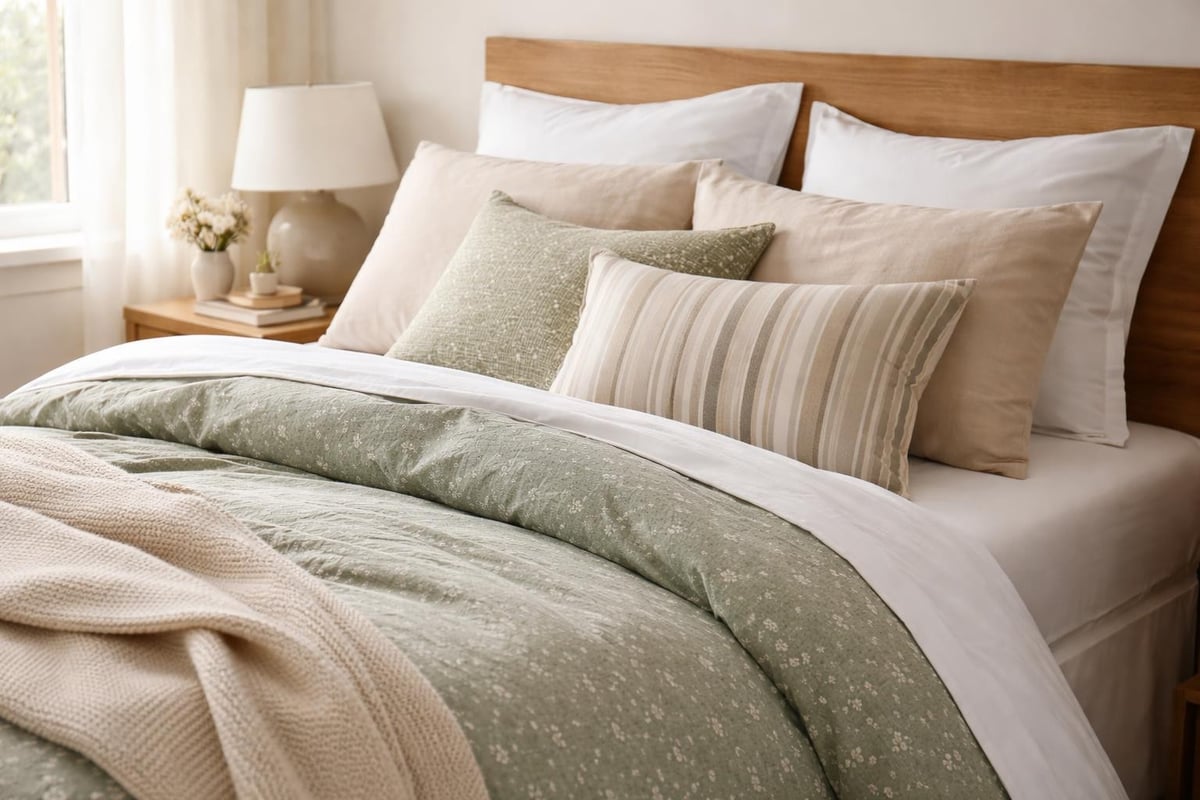
Create visual interest through:
- Layering different textures (smooth cotton with fluffy teddy)
- Combining complementary colours within the same family
- Adding pattern through accent pieces rather than entire sets
- Incorporating seasonal touches with cushions and throws
Budget-friendly building strategy
Quality bedding needn't strain your finances. The sustainable bedding collection demonstrates how environmentally responsible choices can also be economically sensible.
Smart shopping approach:
- Purchase core pieces during sales events
- Invest more in items touching your skin (fitted sheets, pillowcases)
- Choose versatile colours that work across seasons
- Buy quality basics and refresh with affordable accent pieces
- Consider bundles that offer better value than individual items
Shopping considerations and what to avoid
Navigating the bedding market requires awareness of both good value and common pitfalls. Let's examine what separates worthwhile purchases from disappointing ones.
Red flags when shopping for sheets and linen
Watch for these warning signs:
- Excessively high thread counts (over 1000) often indicate deceptive counting methods
- Vague material descriptions like "cotton blend" without percentages
- Prices that seem too good to be true for luxury materials
- Limited or no care instructions provided
- Lack of return policies or guarantees
Reviews from trusted sources like Good Housekeeping's linen sheets testing and Architectural Digest's editor picks provide valuable insights into real-world performance.
Where quality meets value
Finding the sweet spot between quality and affordability involves understanding what you're actually paying for. Sheets and linen from retailers focused on accessible homewares often provide exceptional value because they eliminate unnecessary markup.
What adds genuine value:
- Reinforced stitching at stress points
- Pre-shrunk fabric that maintains size
- Colourfast dyes that resist fading
- Deep pockets on fitted sheets (at least 30cm for modern mattresses)
- Complete sets that include everything needed
Understanding sizing properly
Nothing frustrates quite like discovering your new sheets and linen don't fit properly. UK bedding sizes differ from European and American standards, so always verify dimensions before purchasing.
Standard UK sizes include:
- Single: 90 x 190 cm
- Double: 135 x 190 cm
- King: 150 x 200 cm
- Super King: 180 x 200 cm
Measure your mattress depth too, especially if you use toppers or protectors that add height. Modern mattresses often exceed traditional depths, requiring deeper fitted sheets.
Trending styles and timeless classics
Fashion influences extend to bedroom design, but certain approaches remain perpetually appealing. Understanding both trends and classics helps you make choices you'll love for years.
Current popular patterns and colours
The 2026 bedroom linen market shows strong interest in:
- Earthy neutrals: Terracotta, sage, warm taupe, and cream
- Bold geometrics: Modern shapes that add visual interest
- Textured solids: Interest through fabric rather than pattern
- Sustainable aesthetics: Natural, undyed fibres with minimal processing
The geometric collection showcases contemporary patterns that feel fresh without being overly trendy.
Classic styles that never date
Some approaches transcend temporary fashion:
- Crisp white hotel-style sheets and linen
- Classic stripes in navy, grey, or neutral tones
- Subtle florals in muted colour palettes
- Quality solid colours in versatile shades
The checks and stripes duvet cover sets demonstrate how traditional patterns remain appealing across decades.
Seasonal and special occasion bedding
Rotating sheets and linen with the seasons or holidays adds excitement to your bedroom. Special sets for Christmas, autumn, or summer create opportunities to refresh your space without major investment. The seasonal bedding range offers festive options that transform bedrooms for special times.
Making your bedding last longer
Maximising the lifespan of quality sheets and linen protects your investment whilst reducing waste. Small habits make significant differences over time.
Daily and weekly maintenance
Simple routines preserve fabric:
- Air out your bed each morning before making it (allows moisture to evaporate)
- Shake out sheets and linen when changing to remove dust and debris
- Spot clean small marks immediately before they set
- Rotate between multiple sets to reduce wear on individual pieces
- Wash pillowcases more frequently than full sets if needed
When to replace bedding
Even quality sheets and linen eventually wear out. Replace when you notice:
- Thinning fabric that feels fragile or transparent
- Pills that won't wash away or remove easily
- Permanent stains that resist treatment
- Elastic that no longer holds fitted sheets secure
- Overall loss of softness despite proper care
Repurposing worn bedding
Sustainable practices extend beyond initial use. Old sheets and linen make excellent:
- Cleaning cloths for household tasks
- Drop cloths for painting or messy projects
- Pet bedding or crate liners
- Dust covers for stored items
- Material for craft projects
Understanding sheets and linen transforms bedding from a basic necessity into an opportunity to create comfort and style in your bedroom. Armed with knowledge about fabrics, care techniques, and smart shopping strategies, you can build a collection that serves you well for years whilst staying within budget. Whether you're drawn to crisp cotton, luxurious linen, or cosy microfibre, the right bedding exists for every preference and price point. Ready to refresh your bedroom? Explore the carefully curated collections at Happy Home Shop, where quality meets affordability, making beautiful bedrooms accessible to everyone.