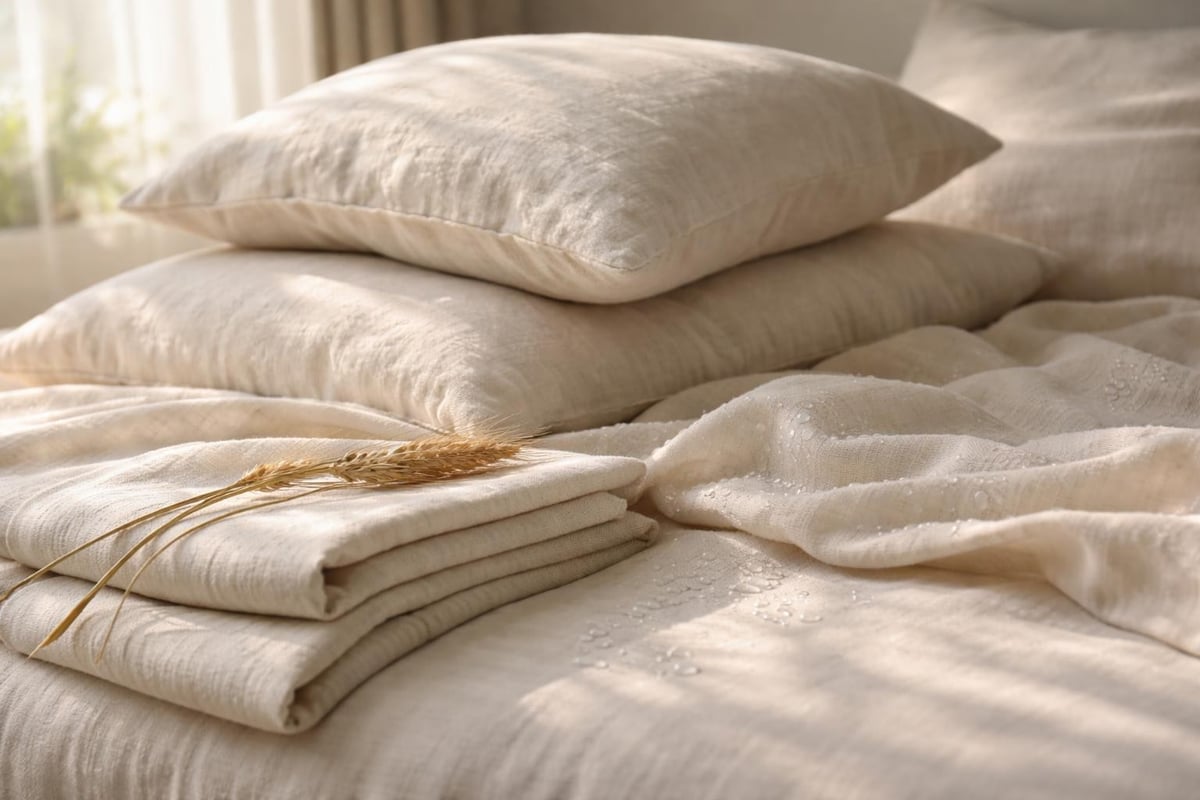
There's something wonderfully contradictory about the phrase "linen bed linen" that makes it sound like a tongue twister, yet it perfectly describes one of the most luxurious and practical choices for your bedroom. This natural fabric has been gracing beds for thousands of years, and in 2026, it's experiencing a major revival as more people discover its incredible benefits. Whether you're refreshing your entire bedroom or simply treating yourself to better quality sleep, understanding what makes linen bed linen special will help you make an informed choice that combines comfort, sustainability, and timeless style.
What exactly is linen bed linen?
Let's clear up any confusion straight away. When we talk about linen bed linen, we're referring to bedding items made from linen fabric, which comes from the flax plant. The term "bed linen" traditionally means all your bedding textiles, including sheets, duvet covers, and pillowcases, whilst "linen" refers to the specific material they're made from.
The history behind the fabric is absolutely fascinating. Linen has been used for thousands of years, dating back to ancient Egypt where it was so valuable it was used as currency. The Egyptians wrapped their mummies in linen, believing in its purity and protective qualities. Fast forward to 2026, and we're still celebrating this remarkable material for many of the same reasons, though hopefully with less mummification involved.
Why the double meaning matters
The confusion between "linen" as a material and "linen" as a category of household textiles actually tells us something important about the fabric's history. Bed linen became the standard term for bedding precisely because linen fabric was once the default choice for sheets and covers. Cotton eventually took over as the mainstream option due to cost, but linen never lost its reputation for quality.
The brilliant benefits of choosing linen bed linen
Switching to linen bed linen isn't just following a trend, it's genuinely upgrading your sleep experience. Here's why this fabric deserves its premium reputation:
Temperature regulation like no other fabric. Linen naturally adjusts to your body temperature, keeping you cool in summer and surprisingly cosy in winter. The hollow fibers create tiny air pockets that provide insulation without making you overheat. If you're someone who constantly kicks off the covers or wakes up sweaty, linen bed linen might just solve your problems.
Durability that actually saves you money. Yes, linen costs more upfront, but the production process and longevity justify the investment. A quality set of linen sheets can last decades with proper care, getting softer and more comfortable with every wash. Compare that to cotton sheets that might need replacing every few years, and the mathematics start making sense.
Practical advantages for everyday life
| Benefit | How it helps you |
|---|---|
| Hypoallergenic | Perfect for sensitive skin and allergy sufferers |
| Moisture-wicking | Keeps you dry and comfortable through the night |
| Quick-drying | Easier laundry routine, less time waiting |
| Low maintenance | Looks better slightly rumpled, no ironing needed |
| Antibacterial | Naturally resists bacteria and odors |
- Gets better with age: Unlike most bedding that deteriorates, linen bed linen becomes softer and more luxurious over time
- Environmentally friendly: Flax requires minimal water and pesticides compared to cotton
- Naturally elegant texture: The slightly textured appearance adds character to any bedroom aesthetic
- Breathability supreme: Superior air circulation prevents that clammy feeling you get with synthetic fabrics
Sustainability matters: Why linen wins
In 2026, we're all more conscious about our environmental impact, and choosing linen bed linen is one of the easiest sustainable swaps you can make. The sustainability credentials of linen bedding are genuinely impressive, not just greenwashing.
Flax plants are incredibly efficient. They grow in poor soil that wouldn't support other crops, require very little water compared to cotton, and every part of the plant gets used in production. There's virtually no waste in linen manufacturing. The natural processing methods mean fewer chemicals polluting waterways, and the final product is completely biodegradable.
The carbon footprint of producing linen is significantly lower than synthetic alternatives. Plus, because linen bed linen lasts so much longer than other fabrics, you're not replacing it every few years and contributing to textile waste. It's the kind of purchase that lets you sleep well in more ways than one.
Comparing linen to other bedding materials
When you're investing in new bedding, it's worth understanding how linen stacks up against the competition. Bamboo and linen sheets each have their advocates, but they offer different experiences. Cotton remains popular for good reason, and we've explored why cotton is an excellent choice for duvet covers in other contexts.
Cotton is soft, affordable, and familiar. It's brilliant for everyday use and comes in countless thread counts and weaves. However, it doesn't regulate temperature as effectively as linen and requires more water to produce.
Bamboo feels silky smooth and has good sustainability credentials. It's particularly cooling, making it ideal for hot sleepers. The downside? It's less durable than linen and can pill more easily.
Linen offers the best longevity and temperature regulation, with a relaxed aesthetic that's become incredibly fashionable. The initial investment is higher, but the cost-per-use over decades makes it economical.
Styling your bedroom with linen bed linen
One of the joys of linen bed linen is how effortlessly stylish it looks. That natural, lived-in texture that would look messy with other fabrics somehow appears intentionally relaxed with linen. The latest linen bedding trends celebrate this inherent beauty with colours and styles that enhance rather than fight against the fabric's natural character.
Colour choices that work beautifully:
- Classic neutrals: White, cream, and natural beige linen bed linen creates that coveted hotel-chic aesthetic
- Earthy tones: Terracotta, sage green, and warm grey complement linen's natural origins
- Deep jewel tones: Navy, forest green, and burgundy add drama whilst maintaining sophistication
- Soft pastels: Blush pink, powder blue, and lavender bring gentle color without overwhelming
The slightly rumpled appearance of linen bed linen actually looks intentional and inviting. You can literally roll out of bed, pull up the covers, and your bedroom looks styled rather than messy. For those of us who aren't naturally tidy, this is genuinely life-changing.
Mixing linen with other textures
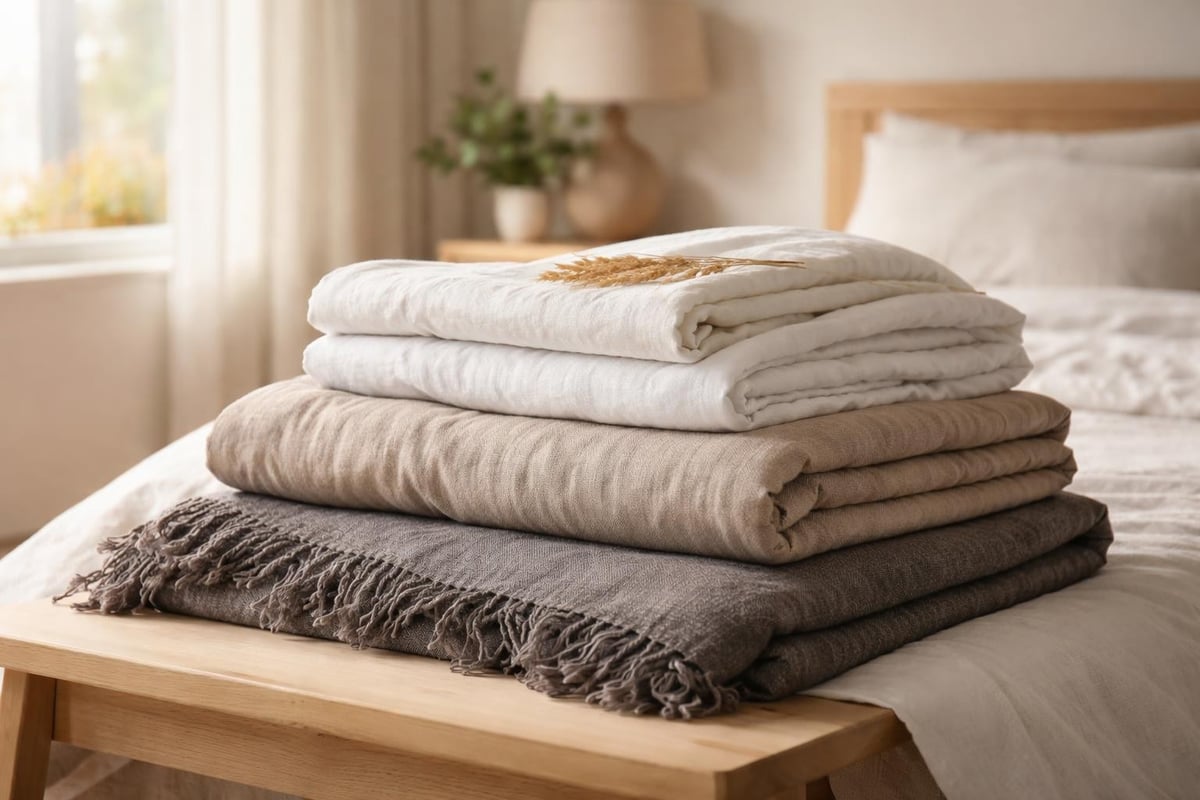
Creating a cosy, inviting bedroom involves more than just your sheets. Layer your linen bed linen with complementary textures for added depth and comfort. Chunky knit throws, velvet cushions, or even cotton quilts all work beautifully with linen's natural texture.
Think about incorporating different weights of linen throughout the year. Lighter weight linen bed linen works perfectly for summer, whilst heavier stonewashed linen adds extra cosiness in winter. The beauty of bedding basics is understanding how to layer effectively.
Caring for your linen bed linen investment
Proper care ensures your linen bed linen lasts for years, even decades. The good news? Linen is actually quite low maintenance once you understand its quirks. Unlike delicate fabrics that require kid gloves, linen gets better with use and washing.
Washing guidelines that actually work:
- Wash in lukewarm or cold water (40°C maximum)
- Use a gentle, eco-friendly detergent without bleach
- Avoid overloading the washing machine, give the linen room to move
- Remove promptly after washing to minimize creasing
- Line dry when possible, or tumble dry on low heat
The biggest mistake people make is over-washing their linen bed linen. Unlike cotton that can feel grimy quickly, linen naturally resists bacteria and doesn't need washing after every use. Most linen enthusiasts recommend washing sheets every two weeks rather than weekly, which also conserves water and energy.
The ironing debate (spoiler: you don't have to)
Here's where linen bed linen becomes truly liberating. That natural, slightly crumpled texture is part of its charm. Ironing linen is completely optional, and many people prefer the relaxed look of unironed linen. If you do want crisp sheets, iron whilst slightly damp for best results, or hang damp from the line for a naturally smooth finish.
For those wondering about whether you really need to iron bed sheets, linen provides the perfect excuse to skip this chore entirely. The fabric's natural texture means creases look intentional rather than neglectful.
Finding quality linen bed linen on a budget
Let's address the elephant in the bedroom: linen bed linen isn't the cheapest option on the market. However, affordable doesn't have to mean sacrificing quality entirely. Understanding the factors that make linen bedding expensive helps you spot genuine value versus overpriced marketing.
Smart shopping strategies:
| Strategy | How it saves you money |
|---|---|
| Start small | Begin with pillowcases to test the feel before investing in full sets |
| Watch for sales | Many retailers offer significant discounts during seasonal clearances |
| Consider blends | Linen-cotton blends offer some benefits at lower prices |
| Buy direct | Cutting out middlemen can reduce costs significantly |
| Focus on longevity | Calculate cost-per-year rather than upfront price |
The key is finding retailers who prioritize quality without excessive markups. Look for transparent companies that explain their sourcing and manufacturing processes. Reading reviews from verified buyers gives you real insight into how the bedding performs after months of use, not just the first impression.
What to look for in quality linen
Not all linen bed linen is created equal. Understanding quality markers helps you make informed decisions:
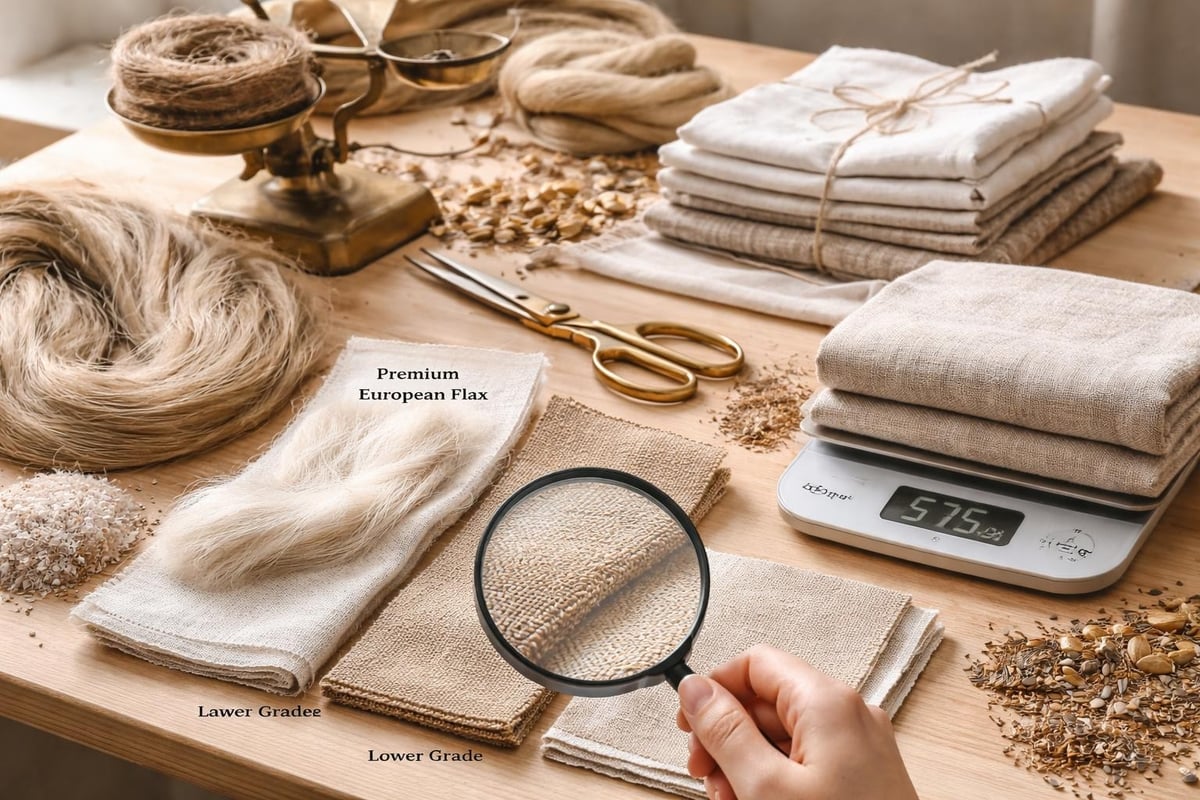
- Weight: Good linen typically weighs between 180-240 GSM (grams per square meter)
- Weave: Tighter weaves last longer and feel smoother
- Origin: European linen, particularly from Belgium and France, has an excellent reputation
- Color consistency: Quality linen should have even, consistent dyeing
- Finishing: Pre-washed or stonewashed linen feels softer immediately
The seasonal versatility of linen bed linen
One of the most underrated aspects of linen bed linen is how brilliantly it performs across all seasons. This adaptability means you don't need multiple sets of bedding for different times of year, though having options never hurts.
Summer sleeping becomes genuinely more comfortable with linen sheets. The breathable fibers wick moisture away from your skin, preventing that sticky, uncomfortable feeling you get with synthetic or tightly woven cotton. The temperature-regulating properties mean you stay cooler without constantly kicking off covers.
Winter warmth might surprise you. Despite being lightweight, linen bed linen provides excellent insulation. The hollow fibers trap warm air close to your body whilst still allowing breathability, so you stay warm without overheating. Layer with heavier blankets or duvets for extra cosiness on the coldest nights.
Transitional seasons made easier
Spring and autumn can be tricky for bedding choices, fluctuating between chilly nights and warmer days. Linen bed linen handles these transitions beautifully, adapting to temperature changes throughout the night. You're less likely to wake up freezing at 3am or sweating by dawn.
For those interested in optimizing their bedding throughout the year, understanding proper washing and storage for maximum longevity ensures your linen investment stays in peak condition regardless of season.
Common myths about linen bed linen debunked
Despite its growing popularity, several persistent myths about linen bed linen continue circulating. Let's clear them up once and for all:
Myth 1: Linen is always scratchy and uncomfortable. Quality linen bed linen, especially pre-washed varieties, feels wonderfully soft from day one. Even if it starts slightly crisp, it softens beautifully with each wash. The "scratchy linen" reputation comes from poorly made or heavily starched vintage linens.
Myth 2: You must iron linen to make it acceptable. The natural, relaxed texture of linen bed linen is actually part of its appeal in contemporary interior design. The role of linen in modern décor celebrates this perfectly imperfect aesthetic.
Myth 3: Linen shrinks dramatically. Quality linen bed linen that's been pre-washed shouldn't shrink significantly. Following care instructions and avoiding high heat prevents the minimal shrinkage that can occur.
The truth about linen maintenance
- It doesn't require special detergents: Regular, gentle detergent works perfectly fine
- It's not fragile: Linen is actually one of the strongest natural fibers
- It doesn't need constant replacement: Properly cared for linen outlasts virtually any other bedding material
- It's suitable for everyday use: You don't need to save it for special occasions
Making the switch: Your linen bed linen journey
Transitioning to linen bed linen doesn't have to happen all at once. Many people start with a single item to experience the difference before committing to a full bedroom transformation. This approach also spreads out the investment, making it more budget-friendly.
Starting with pillowcases gives you nightly contact with the fabric without a huge commitment. You'll immediately notice the temperature regulation and softness against your skin. Plus, pillowcases are smaller investments that let you experiment with colors and weights.
Moving to a duvet cover changes your entire bed's aesthetic whilst being more affordable than a complete sheet set. The visual impact is immediate, transforming your bedroom's look with that effortlessly chic linen texture.
Finally, fitted and flat sheets complete the experience. Sleeping fully surrounded by linen bed linen is when you'll truly appreciate the fabric's temperature-regulating and moisture-wicking properties. Those 3am wake-ups because you're too hot or too cold become much less frequent.
Building your linen collection strategically
- Assess your priorities: Temperature regulation, aesthetics, or sustainability?
- Choose your color palette: Stick to 2-3 complementary shades for a cohesive look
- Start with essentials: One complete set in your favorite color
- Add variety gradually: Different weights for different seasons
- Mix and match: Linen's natural texture makes coordinating pieces easy
The beauty of building gradually is discovering your preferences. You might find you prefer lighter weight linen in your bedroom but enjoy the substantial feel of heavier linen in a guest room. There's no wrong way to incorporate linen bed linen into your home.
Choosing linen bed linen represents an investment in better sleep, sustainable living, and timeless style that only improves with age. The natural elegance, practical benefits, and environmental advantages make it a smart choice for anyone creating a beautiful home without compromise. At Happy Home Shop, we believe everyone deserves quality bedding that transforms their bedroom into a personal sanctuary, and we're here to help you find the perfect pieces to match your style and budget.