Creating a cosy, inviting bedroom starts with choosing the right bedding, and nothing transforms your sleep space quite like a quality home duvet. Whether you're refreshing your bedroom for the new season or setting up your first place, understanding what makes a great duvet can help you sleep better and create that hotel-quality feel at home without breaking the bank. The world of duvets might seem straightforward, but there's actually quite a bit to consider when selecting the perfect one for your needs.
What exactly is a home duvet?
Let's start with the basics. If you've ever wondered what a duvet actually is, you're not alone! A home duvet consists of two main components: the duvet insert (the fluffy bit that keeps you warm) and the duvet cover (the removable, washable fabric case that protects it). This two-piece system makes life so much easier than traditional bedding.
The brilliant thing about duvets is their versatility. You can completely change your bedroom's look simply by swapping the cover, without needing to replace the entire duvet. This approach saves money and gives you endless decorating options throughout the year.
The duvet insert
The insert is the heart of your bedding system. It's filled with either natural materials like down and feathers or synthetic fibres such as microfibre or hollowfibre. Each filling type offers different benefits:
- Down and feather: Luxuriously soft, excellent insulation, naturally breathable
- Microfibre: Budget-friendly, hypoallergenic, easy to wash at home
- Hollowfibre: Great value, bounces back quickly, suitable for allergy sufferers
- Wool: Temperature-regulating, moisture-wicking, naturally hypoallergenic
Natural fillings tend to last longer and offer superior temperature regulation, but synthetic options are perfect for those with allergies or tighter budgets. The reversible duvet cover sets at Happy Home Shop pair beautifully with any insert type.
Understanding tog ratings for your home duvet
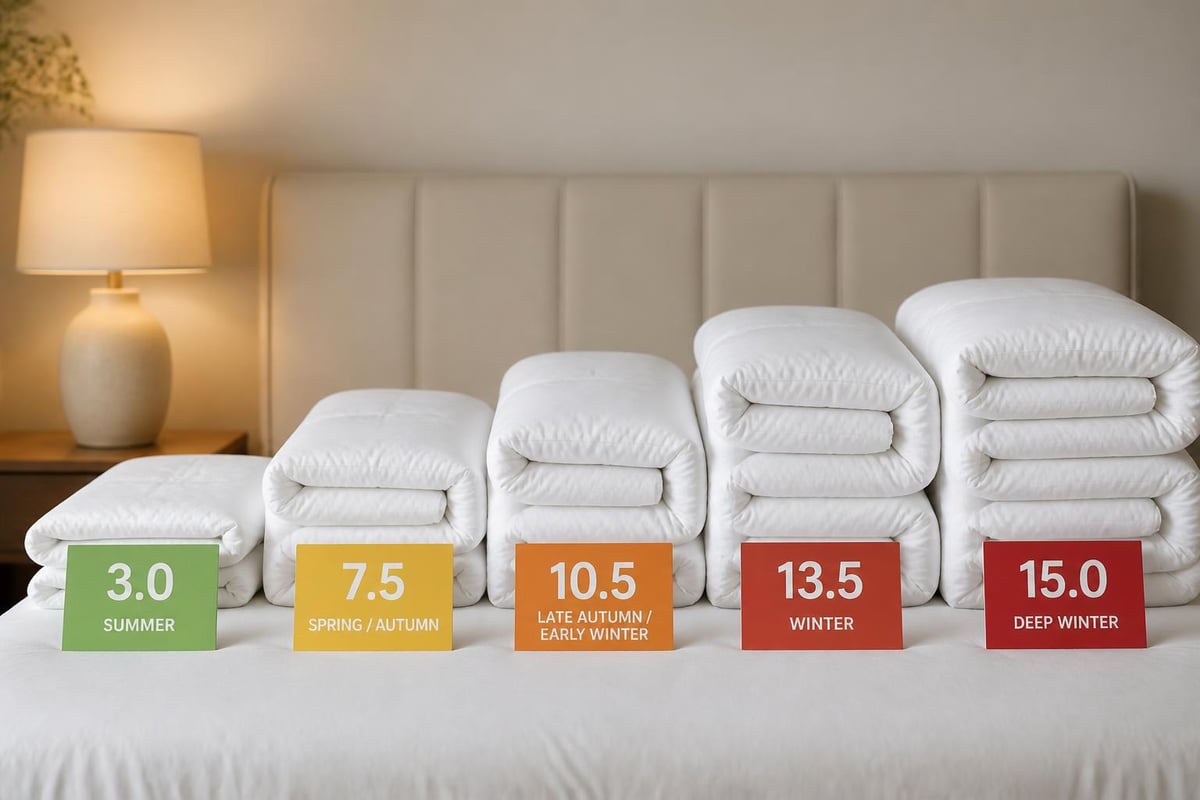
The tog rating is absolutely crucial when selecting your home duvet. This measurement indicates how well the duvet traps warm air, with higher numbers meaning more warmth. Most British homes need at least two different duvets throughout the year to stay comfortable.
| Season | Recommended Tog | Best For |
|---|---|---|
| Summer | 3.0 - 4.5 | Warm sleepers, heated bedrooms |
| Spring/Autumn | 7.0 - 10.5 | Mild weather, average temperatures |
| Winter | 12.0 - 15.0 | Cold sleepers, unheated rooms |
| All-season | 9.0 - 10.5 | Year-round comfort, versatility |
Selecting the appropriate tog depends on your personal preferences and home heating. Some people invest in a clever combination system: pairing a 4.5 tog summer duvet with a 9 tog autumn one. Button them together for a cosy 13.5 tog in winter, or use them separately when it's warmer.
Temperature regulation makes all the difference to sleep quality. If you're frequently too hot or cold during the night, reassessing your duvet's tog rating might solve the problem more effectively than adjusting your thermostat.
Seasonal switching made simple
Changing your home duvet with the seasons doesn't need to be complicated. Store your off-season duvet in a breathable cotton bag (never plastic, which traps moisture) in a cool, dry place. Give it a good shake and air it outside for a few hours before putting it away.
The transition periods between seasons are perfect times to refresh your bedroom aesthetic too. Explore the seasonal bedding collection for inspiration on coordinating your duvet covers with the time of year.
Choosing the right size for your home duvet
Getting the size right ensures your duvet drapes beautifully over your bed without leaving cold gaps. Here's what you need to know about standard UK duvet sizes:
- Single (135 x 200 cm): Perfect for children's beds and single adults
- Double (200 x 200 cm): Suitable for two people who don't mind sharing closely
- King (230 x 220 cm): Generous coverage for couples, highly recommended
- Super King (260 x 220 cm): Ultimate luxury and space for comfortable sharing
Pro tip: Many couples find that sizing up makes sharing much more comfortable. A king-size home duvet on a double bed gives each person more coverage, reducing midnight duvet-tugging battles!
For children's rooms, the kids duvet cover sets come in fun designs that make bedtime more appealing whilst ensuring proper fit.
Materials and construction quality
The outer fabric of your duvet insert matters more than you might think. Thread count indicates fabric density, with higher numbers generally meaning softer, more durable materials. Look for a minimum of 200 thread count for decent quality.
Construction techniques
- Baffle box: Creates separate chambers preventing filling from shifting
- Sewn-through: Simpler construction, more affordable but can create cold spots
- Channel quilting: Horizontal sections that keep filling distributed evenly
Baffle box construction is worth the investment for a home duvet that maintains its shape and warmth distribution over time. This technique keeps the filling fluffy and prevents it from bunching up in corners.
Don't overlook the cover fabric either. Cotton remains the most popular choice for duvet covers because it's breathable, soft, and gets better with washing. The plain duvet cover sets in premium cotton offer that crisp, fresh feeling that elevates your entire sleeping experience.
Caring for your home duvet properly
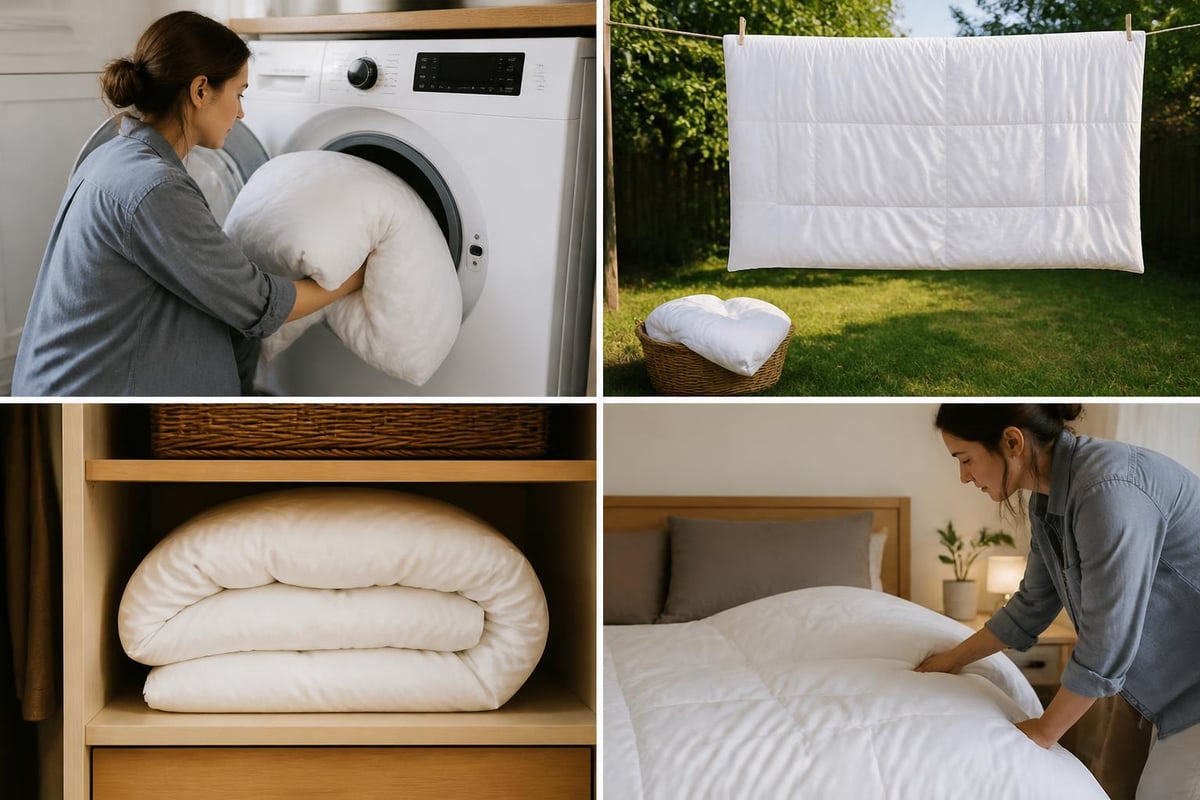
Proper maintenance extends your duvet's lifespan significantly and keeps it fresh and hygienic. Most people don't wash their duvets nearly often enough! Aim to wash your duvet insert every three to six months, depending on use.
Washing guidelines
Before you start, always check the care label. Some duvets require professional cleaning, whilst others are perfectly happy in your home washing machine. Following proper washing instructions prevents damage and maintains the duvet's loft.
Here's your washing checklist:
- Check for tears or loose stitching and repair before washing
- Use a large-capacity machine (6kg minimum for single, 9kg for double)
- Select a gentle cycle with cool or warm water (never hot)
- Use mild detergent, avoiding fabric softener which coats fibres
- Run an extra rinse cycle to remove all detergent residue
Drying is equally important. If you're wondering about tumble drying your duvet, the answer depends on the filling. Synthetic duvets usually tolerate tumble drying on low heat, whilst natural fillings might need air drying or professional attention.
Between-wash freshening
You don't need to wash your home duvet every week, but regular freshening keeps it lovely. Shake it out daily to redistribute filling and air it outside on dry days. Sunlight naturally kills bacteria and removes musty odours.
Use a duvet cover to protect your insert from body oils, sweat, and general wear. Washing and caring for your duvet becomes much simpler when the cover takes most of the daily dirt. Wash covers weekly or fortnightly for optimal freshness.
Duvet vs comforter: understanding the difference
Many people use these terms interchangeably, but there are important distinctions. Understanding the difference between duvets and comforters helps you make the right purchasing decision.
| Feature | Duvet | Comforter |
|---|---|---|
| Cover | Removable, washable cover | Decorative outer layer, no cover needed |
| Maintenance | Wash cover frequently, insert occasionally | Wash entire piece less frequently |
| Versatility | Change look easily with different covers | Fixed appearance |
| Warmth | Various tog ratings available | Usually medium warmth |
| Cost | Higher initial investment, lower long-term | Lower upfront, potentially higher replacement |
The duvet system offers far more flexibility, especially for budget-conscious home decorators. One quality insert paired with several covers from the microfibre duvet cover sets range gives you multiple bedroom looks for less than buying several complete comforters.
Creating your dream bedroom aesthetic
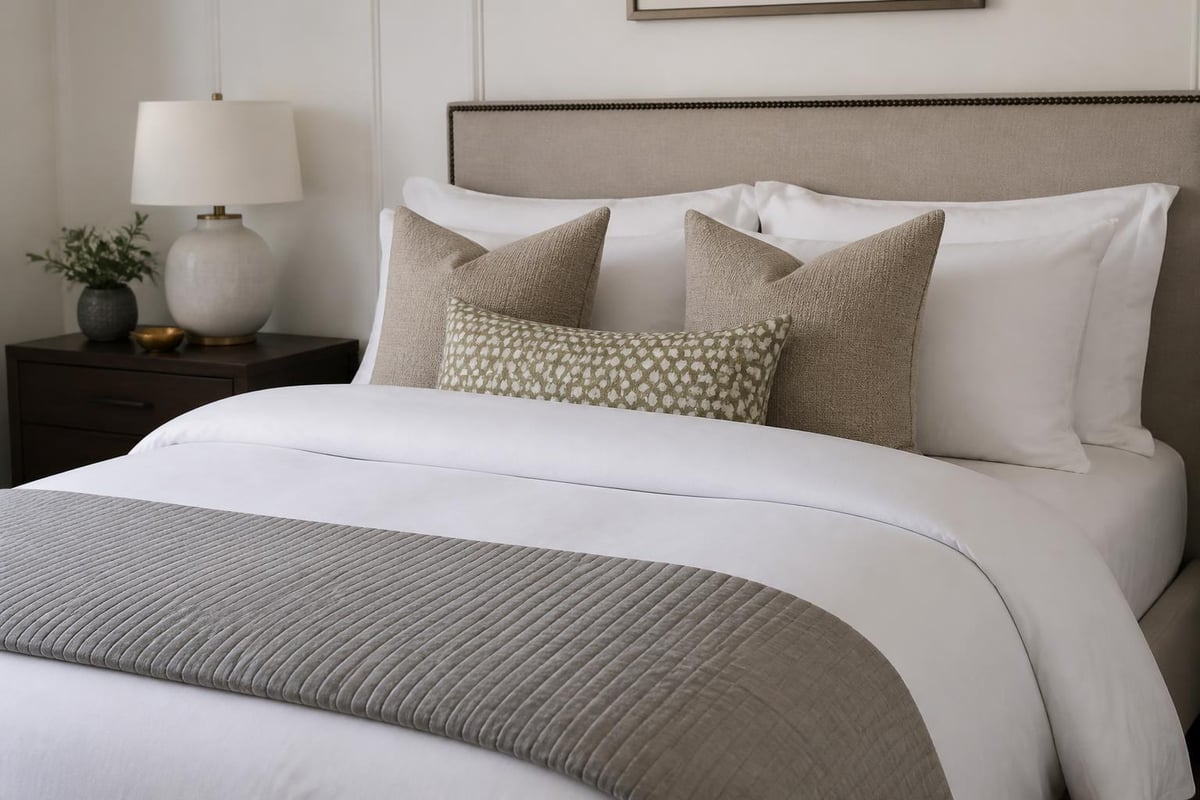
Your home duvet plays a starring role in bedroom design. The cover sets the tone for your entire space, so choosing patterns and colours that reflect your style makes waking up more enjoyable.
Popular design trends for 2026
This year's bedroom trends embrace comfort and personality. Here are the looks everyone's loving:
- Warm neutrals: Caramel, terracotta, and warm greys create cosy sanctuaries
- Bold geometrics: Modern patterns from the geometric collection add visual interest
- Natural textures: Think linen-look finishes and organic cotton
- Playful patterns: Florals and prints that express personality
- Luxe layers: Combining different textures for depth
Don't be afraid to mix and match. The beauty of a home duvet system is experimenting with different covers throughout the year. Summer might call for light florals from the floral bedding range, whilst winter begs for rich, cosy textures.
Budget-friendly duvet shopping tips
Creating a beautiful, comfortable bedroom doesn't require spending a fortune. Smart shopping and knowing what to prioritize helps you get excellent value.
Invest where it matters most. Spend more on a quality duvet insert that'll last years, then have fun with affordable covers that you can change seasonally. This approach gives you variety without constant major purchases.
When to buy
- January sales: Post-Christmas clearances offer fantastic deals
- Spring refresh: March and April often feature bedding promotions
- Black Friday: Late November brings significant discounts
- End of season: Retailers clear seasonal stock at reduced prices
Watch for bundle deals too. The bedding bundle and save options at Happy Home Shop let you coordinate your entire bed at better value than buying pieces separately.
Hypoallergenic options for sensitive sleepers
If you suffer from allergies, your home duvet choice becomes even more important. Dust mites, the primary bedroom allergen, love traditional down and feather fillings. Fortunately, excellent alternatives exist.
Synthetic fillings resist dust mites naturally because they don't provide the organic material these creatures feed on. Microfibre and hollowfibre duvets offer hypoallergenic properties whilst remaining affordable and easy to maintain at home.
Anti-allergy features to look for
- Tightly woven outer fabric preventing mite penetration
- Washable at 60°C to kill allergens effectively
- Anti-bacterial treatments on fabric
- Non-toxic, breathable materials
Regular washing becomes absolutely essential for allergy sufferers. The ability to wash your duvet frequently at high temperatures makes synthetic options particularly practical for this group.
Special considerations for different life stages
Your ideal home duvet changes as your life does. Babies, teenagers, adults, and elderly people all have different bedding needs.
For children, safety comes first. Choose lightweight duvets with low tog ratings to prevent overheating. The character bedding designs make kids excited about bedtime whilst meeting safety standards.
Teenagers often run warmer and prefer cooler bedding even in winter. A 7-10 tog duvet usually works well, paired with trendy covers that let them express their evolving tastes.
Older adults might need extra warmth due to circulation changes. A higher tog rating or layering system provides flexibility for varying comfort needs throughout the night.
Making your home duvet last longer
With proper care, a quality home duvet should serve you well for five to ten years. Here's how to maximize that lifespan and protect your investment.
Daily habits that help
- Shake and smooth your duvet every morning
- Open windows to air the bedroom daily
- Avoid eating or drinking in bed
- Keep pets off the bed (or use a protective throw)
- Rotate the duvet weekly to ensure even wear
Storage matters enormously during off-seasons. Never store duvets in plastic bags or vacuum storage bags long-term. These trap moisture and can cause mildew. Instead, use breathable cotton storage bags or clean cotton pillowcases for smaller duvets.
IKEA's duvet care advice emphasizes the importance of proper storage and regular airing, both crucial for maintaining quality between seasons.
Environmental considerations
Sustainable bedding choices matter more than ever. When selecting your home duvet, consider the environmental impact of materials and manufacturing.
Natural fillings like wool and down are renewable resources when sourced responsibly. Look for certifications like Responsible Down Standard (RDS) ensuring ethical treatment of animals.
Synthetic fills, whilst affordable and practical, come from petroleum-based products. However, they last well and require less frequent replacement, which balances their environmental footprint. The sustainable bedding and BCI cotton bedding collections offer eco-conscious choices without compromising on comfort or style.
Eco-friendly duvet tips
- Choose quality over quantity for longer lifespan
- Wash less frequently using cooler temperatures
- Line dry when possible instead of tumble drying
- Repair small tears rather than replacing
- Donate or recycle old duvets responsibly
Choosing the perfect home duvet transforms your sleep quality and bedroom aesthetic whilst staying within budget. From understanding tog ratings and materials to proper care and seasonal rotation, these considerations ensure you'll enjoy comfortable, stylish bedding for years to come. Whether you're drawn to warm bedding sets for winter or fresh, light options for summer, Happy Home Shop offers an extensive selection of duvet covers and coordinating bedding to suit every style and budget, with convenient delivery and regular offers that make creating your dream bedroom wonderfully accessible.