Creating a sanctuary where you can truly rest and recharge starts with investing in the right bedding. When you're spending roughly a third of your life in bed, choosing the highest quality bedding becomes less of a luxury and more of a necessity for your wellbeing. But with countless options available at every price point, how do you identify what actually constitutes quality? The good news is that exceptional bedding doesn't have to break the bank, and understanding what to look for can help you make savvy choices that deliver comfort and longevity. Whether you're upgrading your master bedroom or outfitting a king-sized bed, knowing the hallmarks of superior bedding will transform your sleep experience.
What actually defines the highest quality bedding?
Quality bedding isn't determined by a single factor. Rather, it's a combination of several elements working together to create a sleep experience that's comfortable, durable, and breathable.
The fabric composition matters most
Natural fibres consistently outperform synthetic alternatives when it comes to creating comfortable sleeping environments. Cotton remains the gold standard for good reason - it breathes beautifully, softens with each wash, and regulates temperature effectively. Cotton's natural properties make it particularly suitable for British climates where temperatures fluctuate throughout the year.
Key fabric types to consider:
- Egyptian cotton: long-staple fibres create exceptionally soft, durable sheets
- Pima cotton: similar to Egyptian cotton with excellent strength and softness
- Linen: naturally thermoregulating and perfect for year-round comfort
- Bamboo: sustainable, silky-soft, and naturally hypoallergenic
- Tencel: eco-friendly with moisture-wicking properties
The length of the cotton staple (individual fibre) directly impacts the quality of your bedding. Longer staples create smoother, stronger threads that pill less and last longer. This is why Egyptian and Pima cottons command premium prices - their extra-long staples produce superior fabric.
Thread count: the misunderstood metric
For years, manufacturers marketed thread count as the ultimate quality indicator. Higher numbers promised better sleep. The reality? Thread count isn't the sole determinant of quality, and excessively high counts can actually compromise breathability.
| Thread count range | Quality level | Best suited for |
|---|---|---|
| 200-400 | Good quality | Summer bedding, hot sleepers |
| 400-600 | Excellent quality | Year-round comfort |
| 600-800 | Premium quality | Luxury feel, cooler months |
| 800+ | Potentially problematic | Often marketing gimmicks |
According to Woman & Home's guidance on thread count, the sweet spot for cotton sheets typically falls between 200 and 600. Beyond this range, manufacturers sometimes use multi-ply threads or inferior quality fibres to inflate numbers artificially.
Weave patterns and their impact
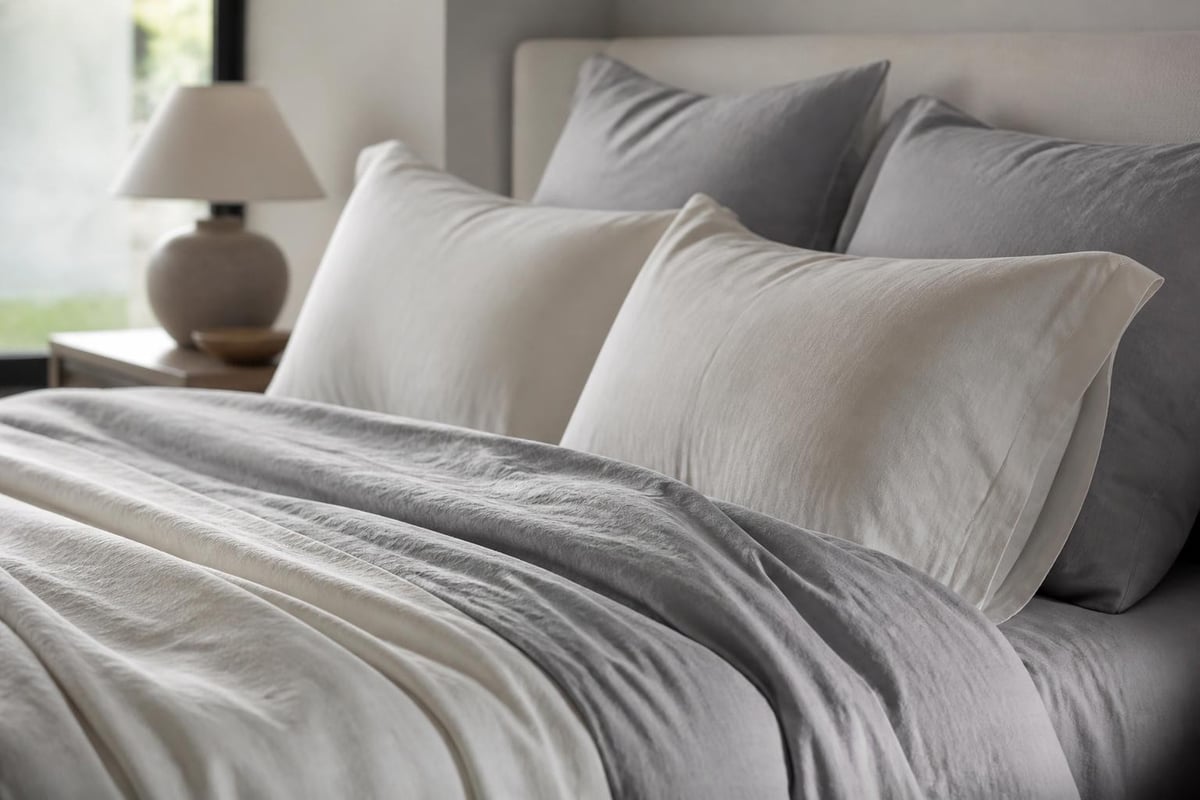
The way threads are woven together significantly affects how your bedding feels and performs. Percale weaves create crisp, cool sheets with a matte finish - think traditional hotel bedding. Sateen weaves, by contrast, produce a lustrous sheen and buttery-soft feel that many find luxurious.
Common weave types:
- Percale: one-over, one-under pattern, crisp and breathable
- Sateen: three-over, one-under pattern, soft and silky
- Twill: diagonal weave, durable and wrinkle-resistant
- Jersey: knit rather than woven, stretchy and casual
Your personal preference will guide which weave suits you best. If you tend to sleep hot, percale might be your perfect match. Those who prioritise silky softness often gravitate toward sateen.
Selecting bedding for specific needs
Different sleepers have different requirements. The highest quality bedding for you depends on your individual circumstances, sensitivities, and sleeping patterns.
Bedding for sensitive skin
If you experience irritation or allergic reactions, fabric choice becomes paramount. Chemical treatments, dyes, and synthetic materials can trigger skin reactions in susceptible individuals.
Livingetc's advice on bedding for sensitive skin emphasises choosing natural fibres and moderate thread counts. Organic cotton eliminates pesticide residues, whilst bamboo offers natural antibacterial properties. Avoid:
- Heavily dyed fabrics
- Synthetic materials like polyester
- Formaldehyde-treated "wrinkle-free" sheets
- Fabrics with waterproof coatings
Temperature-regulating options
British weather is notoriously unpredictable, making year-round comfort a real challenge. The highest quality bedding adapts to temperature changes, keeping you comfortable whether it's a sweltering July night or a frosty February evening.
For summer months, Tom's Guide recommends thread counts between 200 and 400 for optimal breathability. Linen also excels in warm weather, naturally wicking moisture and allowing air circulation.
Winter calls for slightly different considerations. Brushed cotton creates warmth without weight, whilst higher thread counts (around 400-600) provide cosy comfort. Layering with quality throws and duvets completes your seasonal sleep setup.
Durability and longevity factors
Quality bedding represents an investment in your daily comfort. Proper construction ensures your sheets withstand regular washing and use without deteriorating. Look for:
- Double-stitched hems and seams
- Reinforced corners
- High-quality elastic in fitted sheets
- Colour-fast dyes that won't fade
- Pre-shrunk fabrics
| Quality indicator | What to check | Why it matters |
|---|---|---|
| Stitching | Even, tight, double-stitched | Prevents unravelling |
| Elastic quality | Wide, strong bands | Ensures fitted sheets stay put |
| Selvage edges | Finished, reinforced | Reduces fraying |
| Label details | Care instructions, composition | Indicates manufacturer transparency |
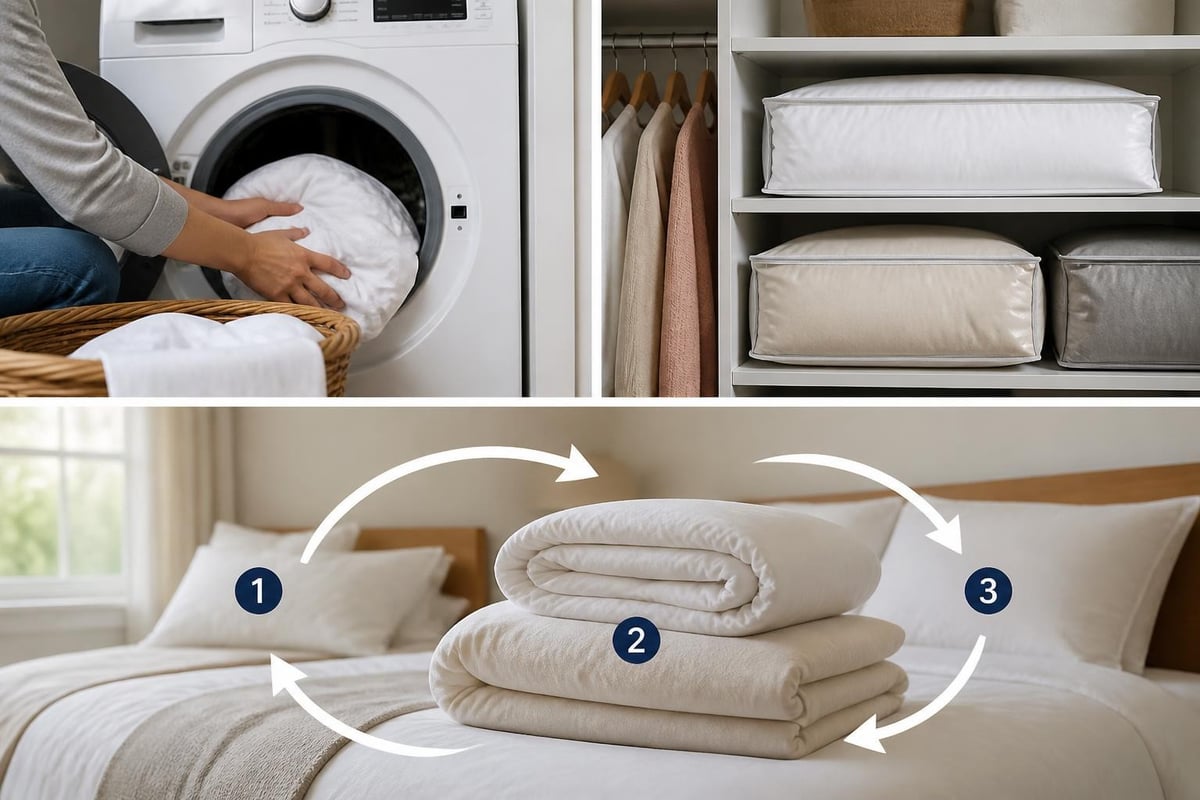
Proper care and storage extends the life of even the highest quality bedding significantly. Washing at appropriate temperatures, line drying when possible, and rotating between sets all contribute to longevity.
Sustainable and ethical considerations
Quality increasingly encompasses more than just how bedding feels against your skin. Conscious consumers want to know their purchases align with their values.
Eco-friendly fabric options
Sustainable bedding production considers water usage, pesticide application, and carbon footprint. Organic cotton certification ensures farming without harmful chemicals. Bamboo grows rapidly without pesticides, though processing methods vary in environmental impact.
Linen, derived from flax plants, requires minimal water and thrives in poor soil conditions. It's naturally biodegradable and becomes softer with age. Tencel, produced from sustainably harvested eucalyptus, uses a closed-loop manufacturing process that recycles 99% of solvents.
Ethical manufacturing practices
Homes & Gardens' luxury bedding guide emphasises ethical sourcing and craftsmanship alongside material quality. Fair trade certifications, safe working conditions, and living wages for workers all factor into truly high-quality bedding.
Questions to ask:
- Where was the fabric grown and processed?
- Does the manufacturer hold any ethical certifications?
- What are their labour practices?
- How transparent is their supply chain?
- Do they offset environmental impact?
Supporting brands that prioritise ethical production means your bedding choice positively impacts people and planet beyond your bedroom.
Building your bedding collection strategically
You don't need to replace everything overnight. Strategic purchasing allows you to build a collection of highest quality bedding gradually whilst staying within budget.
Essential pieces to prioritise
Start with items that directly contact your skin and see the most use. Fitted sheets and pillowcases deserve investment first - they're washed frequently and contribute most to sleep comfort.
Priority order for upgrades:
- Fitted sheets (2-3 sets for rotation)
- Pillowcases (4-6 to allow frequent changing)
- Flat sheets or duvet covers
- Decorative cushions and throws
- Seasonal variations
Having multiple sets means less wear on individual pieces whilst ensuring you always have fresh bedding ready. Understanding proper washing frequency helps you determine how many sets suit your lifestyle.
Mixing high and low investments
Quality bedding doesn't require unlimited funds. Mix investment pieces with budget-friendly options strategically. Splurge on items touching your skin directly - fitted sheets and pillowcases - whilst choosing more affordable decorative elements.
Happy Home Shop's collections demonstrate how complete bedding sets can deliver coordinated style without premium price tags. Pairing quality basics with affordable accent pieces creates a pulled-together look that feels luxurious.
Caring for your investment properly
The highest quality bedding maintains its excellence only with proper care. Washing, drying, and storing correctly preserves softness, colour, and structural integrity.
Washing best practices
Most quality cotton bedding tolerates 40°C washing perfectly well. This temperature removes dirt and oils whilst being gentle on fibres and colours. Keeping white bedding bright requires slightly different approaches than coloured sets, but both benefit from mild detergents and avoiding overloading your machine.
Washing guidelines by fabric:
- Cotton: 40°C, mild detergent, tumble dry low or line dry
- Linen: 30-40°C, gentle cycle, air dry to maintain texture
- Bamboo: 30°C maximum, delicate cycle, hang dry
- Tencel: Cold wash, gentle detergent, low heat drying
Line drying preserves fabric integrity better than tumble drying, though modern dryers on low settings work for most cotton bedding. Remove items whilst slightly damp to reduce wrinkles and prevent over-drying.
Storage solutions
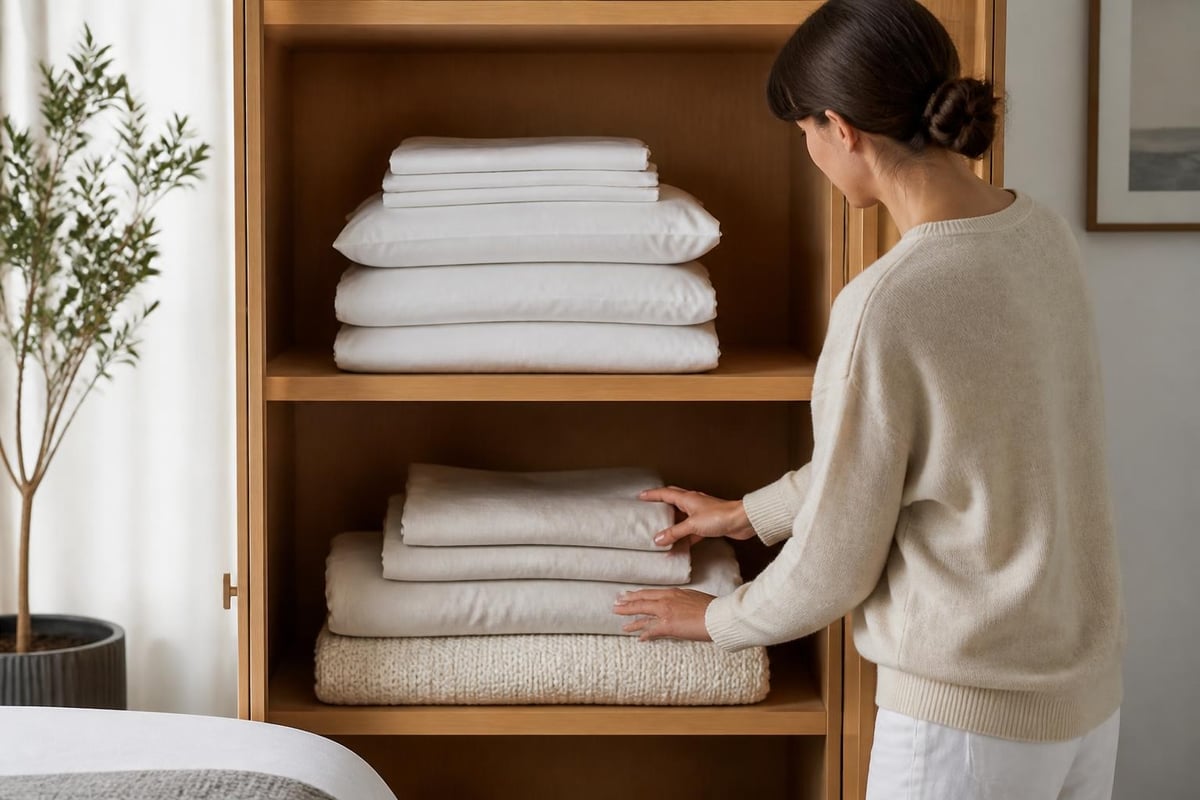
Clean, completely dry bedding should be stored in cool, dry locations. Linen cupboards work brilliantly, but any dark, ventilated space suffices. Avoid plastic storage containers that trap moisture and promote mildew.
Proper storage practices include folding sheets loosely rather than tightly, which can set permanent creases. Rotating your bedding sets prevents some pieces from wearing faster than others.
Recognising quality when shopping
Walking into a shop or browsing online can feel overwhelming. Developing an eye for quality indicators helps you make confident purchasing decisions.
Physical inspection points
When possible, feel bedding before buying. Quality fabrics feel substantial without being heavy. Run your hand across the surface - it should feel smooth and consistent, without rough patches or irregularities.
Check stitching closely. Seams should be straight, even, and secure. Pull gently on corners and edges; they shouldn't separate or show loose threads. Examine the finish on hems - rolled edges indicate better quality than simple folded hems.
Understanding product descriptions
Online shopping requires trusting product descriptions. Look for detailed information about fabric composition, weave type, and country of origin. Vague descriptions often indicate lower quality or attempts to hide inferior materials.
Certifications add credibility: OEKO-TEX Standard 100 ensures textiles are free from harmful substances. GOTS (Global Organic Textile Standard) certifies organic materials and ethical production. Fair Trade certification guarantees ethical labour practices.
Seasonal considerations and versatility
British seasons demand bedding versatility. The highest quality bedding adapts to changing temperatures whilst maintaining comfort year-round.
Creating a seasonal rotation
Smart bedding rotation means you're never too hot or too cold. Summer benefits from lightweight percale cotton or linen in lighter colours that reflect rather than absorb heat. Materials to avoid for warm weather include heavy synthetics and high thread count sateen that trap heat.
Winter calls for brushed cotton, flannel, or higher thread count sateen that creates cosy warmth. Layering with quality throws adds flexibility - remove them when rooms warm up, add them back when temperatures drop.
Seasonal bedding strategy:
| Season | Best fabrics | Ideal thread count | Colour considerations |
|---|---|---|---|
| Spring | Cotton percale, linen blend | 300-400 | Fresh pastels, florals |
| Summer | Pure linen, cotton percale | 200-400 | Light, reflective shades |
| Autumn | Cotton sateen, brushed cotton | 400-600 | Warm tones, deeper hues |
| Winter | Flannel, cotton sateen | 400-600 | Rich, cosy colours |
Multi-purpose bedding choices
If storage space limits your collection or budget restricts seasonal purchases, choose mid-weight cotton in moderate thread counts (around 400). This versatile option works reasonably well year-round, especially when combined with seasonal duvets and blankets.
Neutral colours offer maximum flexibility. While colourful duvet covers inject personality, classic whites, greys, and natural tones never go out of style and coordinate with any décor changes.
The psychology of quality bedding
Beyond physical comfort, the highest quality bedding affects your mental wellbeing and sleep quality. Creating a bedroom environment that feels luxurious and inviting improves your relationship with sleep itself.
Colour and mood connections
Bedding colour influences your bedroom's emotional atmosphere significantly. Colour psychology in bedding and linens demonstrates how blues promote calmness, greens encourage relaxation, and neutrals create serene spaces conducive to rest.
Quality allows you to indulge in colours you truly love rather than settling for whatever's affordable. When bedding lasts years rather than months, you can invest in shades that genuinely resonate with you.
The ritual of fresh sheets
There's undeniable joy in sliding into freshly washed, high-quality sheets. This simple pleasure becomes a weekly ritual that marks transitions between busy weeks and restful weekends. Quality bedding elevates this experience from mundane chore to genuine self-care.
Proper bedding care maintains that fresh-sheet feeling longer. Quality fabrics resist pilling and maintain their softness through countless wash cycles, ensuring every sheet change feels luxurious.
Where to find quality without overspending
Highest quality bedding doesn't always mean highest prices. Smart shopping identifies genuine value whilst avoiding marketing gimmicks and inflated price tags.
Knowing when to shop sales
Retailers typically discount bedding during January white sales, end-of-season clearances, and Black Friday events. Quality pieces in last season's colours often sell for significant discounts whilst offering identical construction and materials as current stock.
Finding the best places to buy bedding involves balancing quality, design, and budget considerations. Some retailers specialise in luxury at accessible price points, making quality bedding available to more people.
Assessing true value
Price per use offers better value assessment than initial cost alone. Sheets costing £50 that last five years (approximately 260 washes) cost roughly 19p per use. Cheaper £20 sheets lasting one year cost about the same per use whilst delivering inferior comfort.
Quality bedding's longevity makes it genuinely economical. Factor in better sleep quality, reduced replacement frequency, and enhanced bedroom aesthetics when evaluating purchases.
Investing in the highest quality bedding transforms your bedroom into a restful retreat whilst proving surprisingly economical over time. Understanding fabric types, thread counts, and construction quality empowers you to make choices that deliver lasting comfort and value. Whether you're building your first proper bedding collection or upgrading tired sheets, Happy Home Shop offers carefully curated selections that balance quality, style, and affordability, making it easy to create the bedroom sanctuary you deserve without stretching your budget.