Creating a beautiful bedroom doesn't mean sacrificing your environmental values or your budget. Green bedding has become increasingly popular as more of us look for ways to make sustainable choices in our homes. Whether you're drawn to the colour green itself or searching for eco-friendly options, understanding what makes bedding truly sustainable can help you create a bedroom that's both gorgeous and kind to the planet. From organic cotton to innovative bamboo fabrics, there's never been a better time to refresh your sleeping space with planet-friendly choices that won't break the bank.
What makes bedding truly green?
When we talk about green bedding, we're usually referring to two distinct concepts that often overlap. The first is bedding in actual green hues, from soft sage to vibrant emerald, which has become wonderfully trendy in 2026. The second, and perhaps more important, is bedding made from sustainable, eco-friendly materials that minimize environmental impact throughout their lifecycle.
Understanding sustainable materials
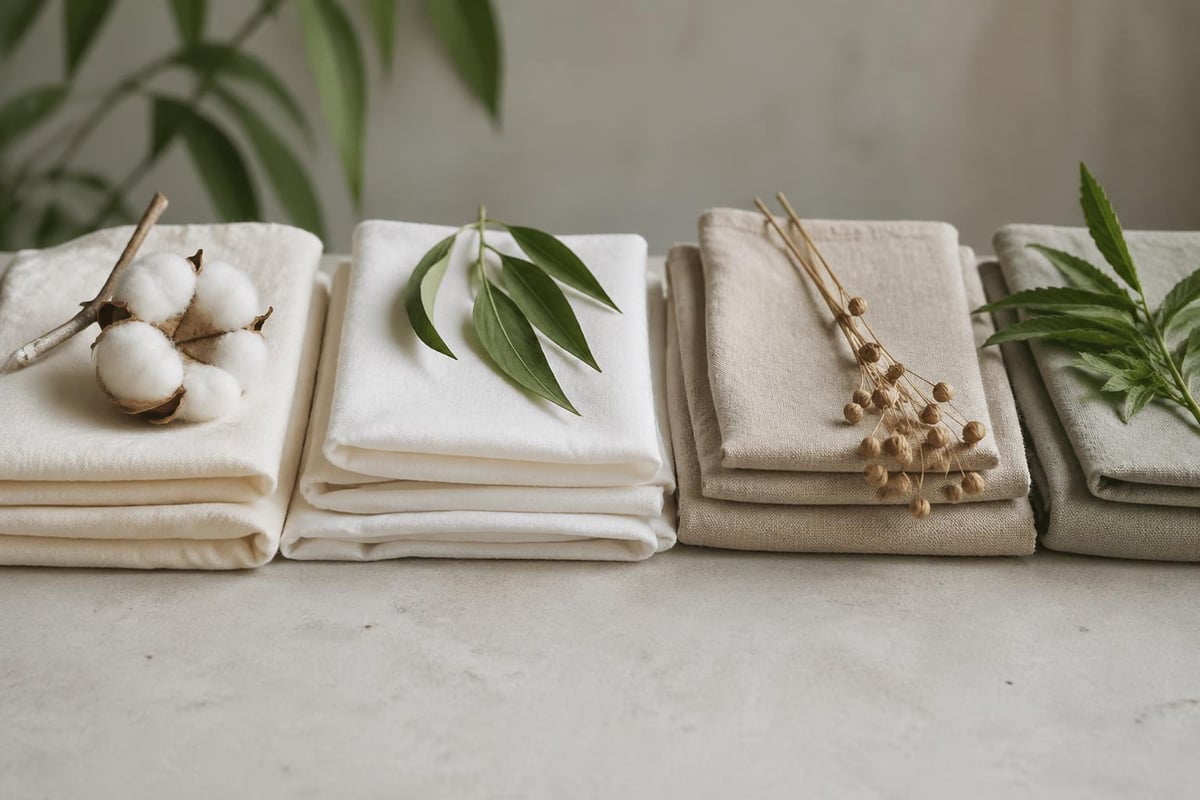
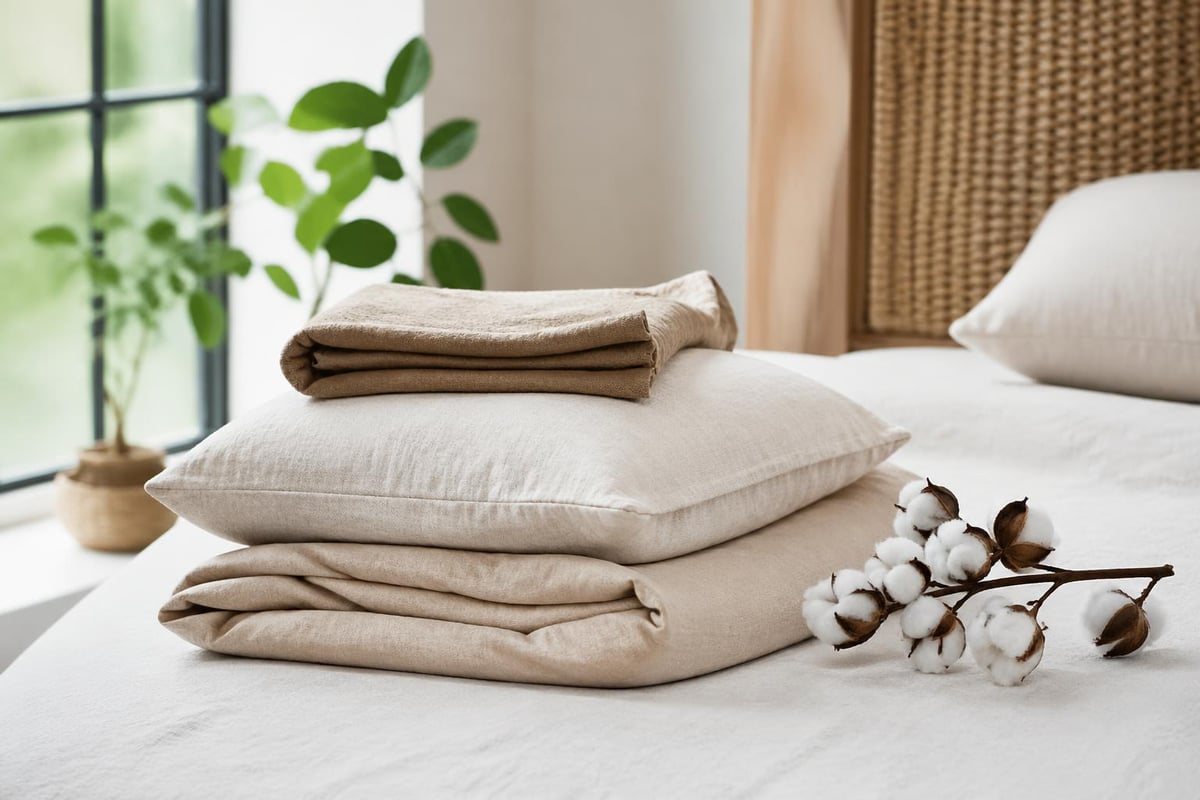
The foundation of genuinely eco-friendly bedding lies in the materials used. Organic cotton stands as one of the most popular choices, grown without harmful pesticides or synthetic fertilizers. This means cleaner water systems, healthier soil, and safer working conditions for farmers. When shopping for organic cotton, look for GOTS (Global Organic Textile Standard) certification, which ensures the entire production chain meets strict environmental and social criteria.
Bamboo fabric has surged in popularity, though it's worth understanding the nuances. As The Daily Beast explains about bamboo bedding's eco-claims, not all bamboo fabrics are created equal. Bamboo lyocell (also called Tencel) uses a closed-loop process that recycles chemicals, making it genuinely sustainable. Bamboo viscose, however, often involves harsher chemical processing that diminishes its environmental benefits.
Other sustainable options include:
- Linen made from flax plants, which require minimal water and pesticides
- Hemp, an incredibly durable crop that regenerates soil
- Recycled polyester, giving new life to plastic bottles
- Tencel™, made from sustainably sourced wood pulp
Spotting greenwashing in the bedding industry
Unfortunately, not every brand claiming to be eco-friendly lives up to their promises. Understanding how to avoid greenwashing in bedding helps you make informed decisions. Companies might use vague terms like "natural" or "eco-friendly" without providing certifications or detailed information about their manufacturing processes.
Ask yourself these questions before purchasing:
- Does the brand provide specific certifications (GOTS, OEKO-TEX, Fair Trade)?
- Is information available about where and how the materials are sourced?
- Are production methods clearly explained?
- Does the company share details about their supply chain transparency?
Choosing the right green shade for your bedroom
If you're after green bedding in terms of colour rather than (or in addition to) sustainability, you're spoilt for choice in 2026. Green has maintained its position as one of the most calming and versatile bedroom colours, perfect for creating a peaceful sanctuary.
Popular green tones this year
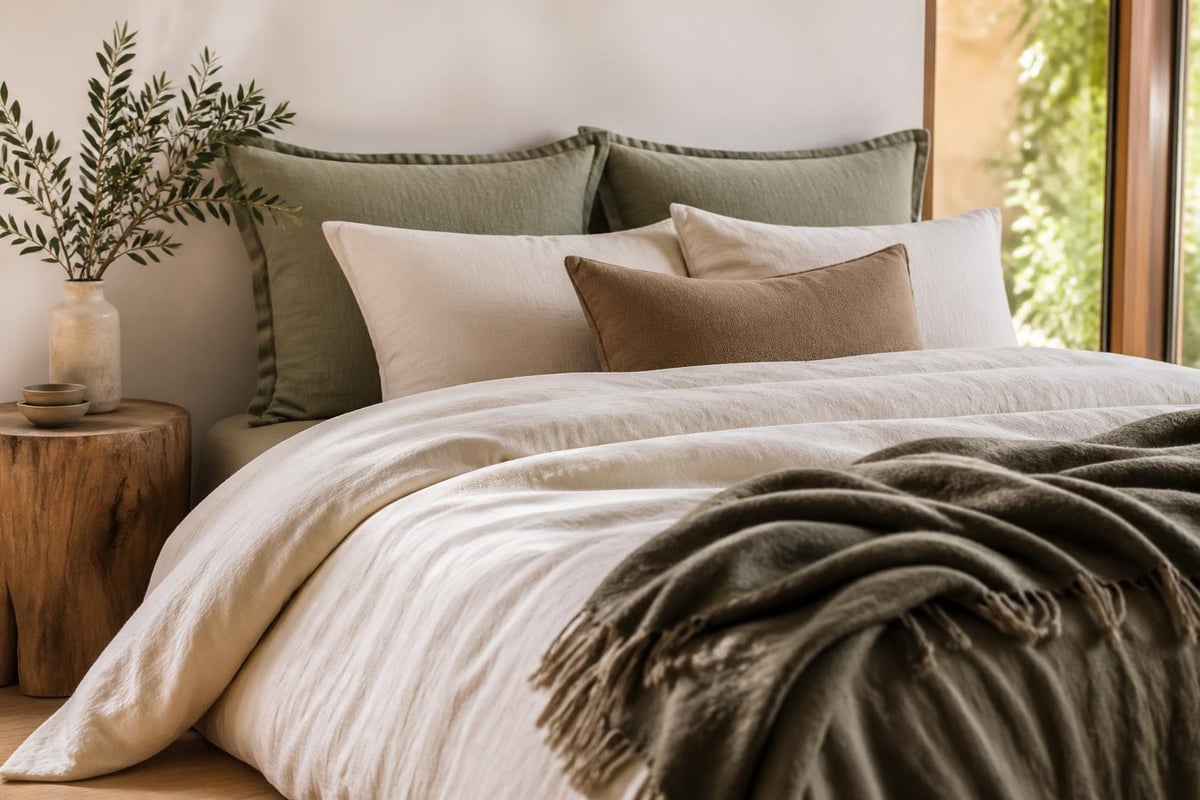
Sage green continues to dominate bedroom trends with its soft, muted quality that pairs beautifully with natural woods and white furniture. This gentle hue creates an instantly calming atmosphere, perfect for winding down after a busy day. It's particularly lovely when combined with textured fabrics like linen or jacquard weaves.
Forest green and deeper emerald tones bring drama and sophistication to bedrooms. These richer shades work wonderfully in plain duvet cover sets where the colour can truly shine. Pair them with gold or brass accents for a luxurious feel that doesn't require a luxurious budget.
| Green shade | Best for | Pairs well with | Mood created |
|---|---|---|---|
| Sage | Minimalist, Scandi styles | White, beige, natural wood | Calm, peaceful |
| Olive | Earthy, boho bedrooms | Terracotta, mustard, cream | Grounded, warm |
| Emerald | Glamorous, statement rooms | Gold, navy, blush pink | Luxurious, bold |
| Mint | Fresh, youthful spaces | White, grey, coral | Energizing, clean |
Olive green offers an earthy, grounded option that's particularly gorgeous in autumn and winter months. Consider layering different green tones together, mixing a deep olive duvet with sage pillowcases for a sophisticated, tonal look.
Certifications that matter for eco-conscious shoppers
When investing in sustainable green bedding, certifications provide peace of mind that your purchase meets genuine environmental and ethical standards. Understanding key organic bedding certifications helps you navigate the sometimes confusing world of eco-labels.
Essential certifications to look for
GOTS (Global Organic Textile Standard) remains the gold standard for organic textiles. This certification covers the entire supply chain, from harvesting raw materials through environmentally and socially responsible manufacturing. At least 70% of fibres must be organic, and the certification prohibits harmful chemicals throughout production.
OEKO-TEX Standard 100 tests for harmful substances, ensuring your bedding is free from chemicals that could affect your health. While it doesn't necessarily mean the product is organic or sustainably produced, it guarantees safety for human use, which is particularly important for those with sensitive skin.
Fair Trade Certified™ focuses on the social aspect of sustainability, ensuring fair wages and safe working conditions for everyone involved in production. This certification demonstrates that your purchase supports ethical labour practices.
Additional worthwhile certifications include:
- Cradle to Cradle Certified™ for products designed with their entire lifecycle in mind
- BCI (Better Cotton Initiative) for more sustainably grown conventional cotton
- FSC (Forest Stewardship Council) for wood-based fibres like Tencel
Budgeting for sustainable bedding without compromise
One common misconception is that green bedding always costs significantly more than conventional options. Whilst truly sustainable products often carry higher price tags due to ethical production costs, there are smart ways to embrace eco-friendly choices on any budget.
Strategic shopping for sustainable options
Start by investing in quality basics that will last. A well-made organic cotton duvet cover might cost more initially, but it'll outlive several cheaper alternatives, making it more economical in the long run. Happy Home Shop's sustainable bedding collection offers excellent options that balance quality with affordability.
Consider these budget-friendly strategies:
- Shop sales seasonally - Many retailers offer significant discounts during end-of-season sales
- Start small - Begin with pillowcases or a single fitted sheet rather than a complete bedroom overhaul
- Mix and match - Combine one sustainable piece with existing bedding
- Look for BCI cotton - Better Cotton Initiative products offer improved sustainability at more accessible price points
Buy less, choose better should be your mantra. Rather than purchasing multiple cheap sets that wear out quickly, invest in fewer high-quality pieces that you'll love for years. This approach saves money over time and reduces textile waste.
Making the most of your eco-friendly investment
Proper care extends the life of your green bedding significantly. Wash in cold water whenever possible, as heating water accounts for about 90% of the energy used in washing clothes and linens. Line drying instead of tumble drying saves energy and helps fabrics last longer.
| Care tip | Environmental benefit | Longevity benefit |
|---|---|---|
| Wash in cold water | Reduces energy consumption by 90% | Prevents fading and shrinking |
| Line dry when possible | Eliminates tumble dryer emissions | Reduces wear and tear |
| Use eco-friendly detergent | Protects waterways | Gentler on fibres |
| Avoid over-washing | Saves water and energy | Extends fabric life |
Combining style with sustainability
The wonderful news for 2026 is that sustainable doesn't mean sacrificing style. Green bedding, whether eco-friendly or colour-focused, can be absolutely stunning whilst supporting your values. Research shows increasing consumer interest in green bedding, driving manufacturers to create more beautiful sustainable options than ever before.
Creating a cohesive eco-friendly bedroom
Think about texture as much as colour when designing your green bedroom. Natural, sustainable materials often have wonderful inherent textures that add depth and interest. Linen's characteristic rumpled appearance brings casual elegance, whilst organic cotton sateen offers smooth, luxurious comfort.
Mix different sustainable materials for visual interest:
- Layer an organic cotton duvet with linen shams for contrasting textures
- Add a recycled wool throw at the foot of the bed for warmth and texture
- Choose bamboo lyocell sheets underneath for silky smoothness
- Include vintage or secondhand cushions to reduce waste whilst adding personality
The beauty of choosing the best sheet materials lies in understanding how each fabric performs. Natural fibres like cotton, linen, and bamboo excel at temperature regulation, keeping you cool in summer and warm in winter, which means you'll need less heating or cooling throughout the year.
Patterns and prints in sustainable bedding
Don't assume green bedding must be plain! Whilst solid colours showcase sustainable fabrics beautifully, patterns can be equally eco-friendly. Look for brands using low-impact, water-based dyes that don't pollute waterways. Digital printing technologies have also improved, using less water and creating less waste than traditional printing methods.
Geometric patterns work particularly well in green tones, creating modern, sophisticated looks. Botanical prints feel naturally aligned with eco-conscious choices, bringing the outside in whilst celebrating nature.
Seasonal considerations for green bedding
One aspect often overlooked in sustainable living is choosing bedding appropriate for each season. Rather than cranking up the heating or air conditioning, selecting the right bedding helps maintain comfortable sleeping temperatures naturally, reducing your energy consumption and bills.
Warm weather green bedding
During warmer months, lightweight, breathable fabrics are essential for comfortable sleep. Linen truly shines in summer, with its exceptional breathability and moisture-wicking properties. It gets softer with each wash and has natural temperature-regulating qualities that keep you cool on hot nights.
Bamboo lyocell also excels in warm weather, feeling silky-smooth against skin whilst remaining highly breathable. Its moisture-wicking abilities help prevent that sticky, uncomfortable feeling on humid nights.
Cool weather sustainable options
When temperatures drop, you don't need to abandon your sustainable choices. While warm bedding sets might include synthetic materials like teddy fleece, there are eco-friendly options for cosiness too.
Organic cotton flannel provides wonderful warmth whilst remaining breathable, preventing overheating during the night. Hemp blends offer excellent insulation properties, and recycled wool makes gorgeous throws and blankets that add warmth without weight.
Consider these seasonal swaps:
- Spring: Light organic cotton percale in soft sage green
- Summer: Crisp linen in cooling mint or seafoam
- Autumn: Mid-weight organic cotton in rich olive tones
- Winter: Flannel or brushed cotton in deep forest green
The future of sustainable bedding
The bedding industry continues evolving, with innovations making sustainable options more accessible and affordable. New materials and production methods emerge regularly, driven by consumer demand for genuinely eco-friendly choices without greenwashing.
Emerging sustainable materials
Seaweed fibres represent an exciting development, using a renewable ocean resource that doesn't require fresh water, pesticides, or arable land. Whilst still relatively niche in 2026, these fabrics show promise for the future.
Mushroom-based textiles might sound unusual, but mycelium (mushroom roots) can be processed into soft, sustainable fabrics with minimal environmental impact. Several innovative brands are exploring this technology.
Recycled textiles continue improving in quality. Advanced recycling technologies now create fibres from old clothing and linens that rival virgin materials in softness and durability, truly closing the loop in textile production.
What consumers are prioritizing
Understanding sustainable home textiles reveals that today's consumers want transparency, certifications, and genuine environmental benefits, not just marketing buzzwords. They're willing to invest in quality pieces that align with their values, particularly when brands clearly communicate their sustainability efforts.
Shoppers increasingly seek:
- Complete transparency about sourcing and production
- Verifiable certifications from recognized third-party organizations
- Durability over disposability
- Timeless designs that won't look dated next season
- Affordable entry points into sustainable living
Making your first sustainable bedding purchase
If you're ready to transition to green bedding but feeling overwhelmed by choices, start simple. You don't need to replace everything at once. Small, thoughtful steps create meaningful change without straining your budget or creating waste by discarding perfectly usable items prematurely.
Your sustainable bedding starter kit
Begin with items that touch your skin most directly. Pillowcases make an excellent first purchase because they're relatively affordable, you'll notice the difference in fabric quality immediately, and they're easy to wash frequently. Choose organic cotton or bamboo lyocell for softness and breathability.
Next, consider a fitted sheet in a sustainable material. Since this lies directly against your body all night, investing in organic, chemical-free fabric makes sense for both comfort and health. The best sheet materials for sleep quality include natural fibres that regulate temperature effectively.
Your third purchase might be a duvet cover in your chosen green shade. This creates the biggest visual impact in your bedroom whilst protecting your duvet, potentially extending its life. Happy Home Shop offers numerous options in their collections, making it easy to find sustainable choices that suit your style.
Questions to ask before buying
Before completing any purchase, whether from Happy Home Shop or elsewhere, ask yourself:
-
Do I genuinely need this, or am I replacing something that still works well? The most sustainable choice is often keeping what you already own.
-
Will this item work with my existing bedding? Ensuring new pieces coordinate with what you have prevents waste and stretches your budget.
-
Can I verify the sustainability claims? Look for specific certifications rather than vague marketing language.
-
How will I care for this to maximize its lifespan? Understanding care requirements helps you maintain your investment.
-
Does the company share my values? Supporting businesses committed to sustainability encourages broader industry change.
Maintaining your green bedding investment
Proper care ensures your sustainable bedding lasts for years, maximizing both your financial investment and environmental benefit. Different fabrics require slightly different approaches, but some universal principles apply to most natural, eco-friendly materials.
Wash bedding only when necessary rather than adhering to a rigid weekly schedule. Unless you're dealing with spills or stains, most bedding doesn't need washing after every use. This conserves water, energy, and detergent whilst reducing wear on fabrics. When you do wash, choose eco-friendly detergents free from harsh chemicals that damage both fabrics and waterways.
Air bedding daily by pulling back covers and opening windows when possible. This simple habit reduces moisture buildup, preventing the need for frequent washing. Rotate between multiple sets if possible, allowing each to rest between uses, which significantly extends fabric life.
Store seasonal bedding properly in breathable cotton bags rather than plastic, which can trap moisture and lead to mildew. Keep storage areas cool and dry, and consider adding natural lavender sachets for freshness without synthetic fragrances.
Choosing green bedding, whether for its environmental benefits or its beautiful colour, represents a meaningful step toward creating a healthier home and planet. By understanding sustainable materials, recognizing genuine certifications, and shopping thoughtfully, you can make choices that align with your values without exceeding your budget. Ready to refresh your bedroom with beautiful, eco-conscious options? Happy Home Shop offers an extensive selection of affordable, quality bedding in gorgeous colours and sustainable materials, making it easy to create the peaceful, planet-friendly sleeping space you deserve.