When you're shopping for bedding, the terminology can get a bit confusing, can't it? One phrase that often pops up is "duvet sheet," and if you're scratching your head wondering what exactly that means, you're definitely not alone. The world of bedding has its own vocabulary, and understanding the difference between duvets, duvet covers, sheets, and how they all work together can transform your bedroom from basic to beautifully cosy. Let's untangle this bedding mystery and help you create the sleep sanctuary you deserve, without breaking the bank.
What exactly is a duvet sheet?
Here's where things get interesting. The term "duvet sheet" isn't actually a standard piece of bedding you'll find in catalogues. Instead, it's often used as a catch-all phrase that can mean a few different things depending on who's talking. Some people use "duvet sheet" to refer to a duvet cover, which is the removable, washable fabric case that protects your duvet insert. Others might be talking about the flat sheet that sits between you and your duvet. And occasionally, folks are simply referring to the entire bedding setup that includes both sheets and a duvet.
The confusion makes perfect sense when you consider how duvets have evolved over the years. What was once a purely European bedding style has now become mainstream in the UK, but the terminology hasn't quite standardised yet.
Breaking down the bedding layers
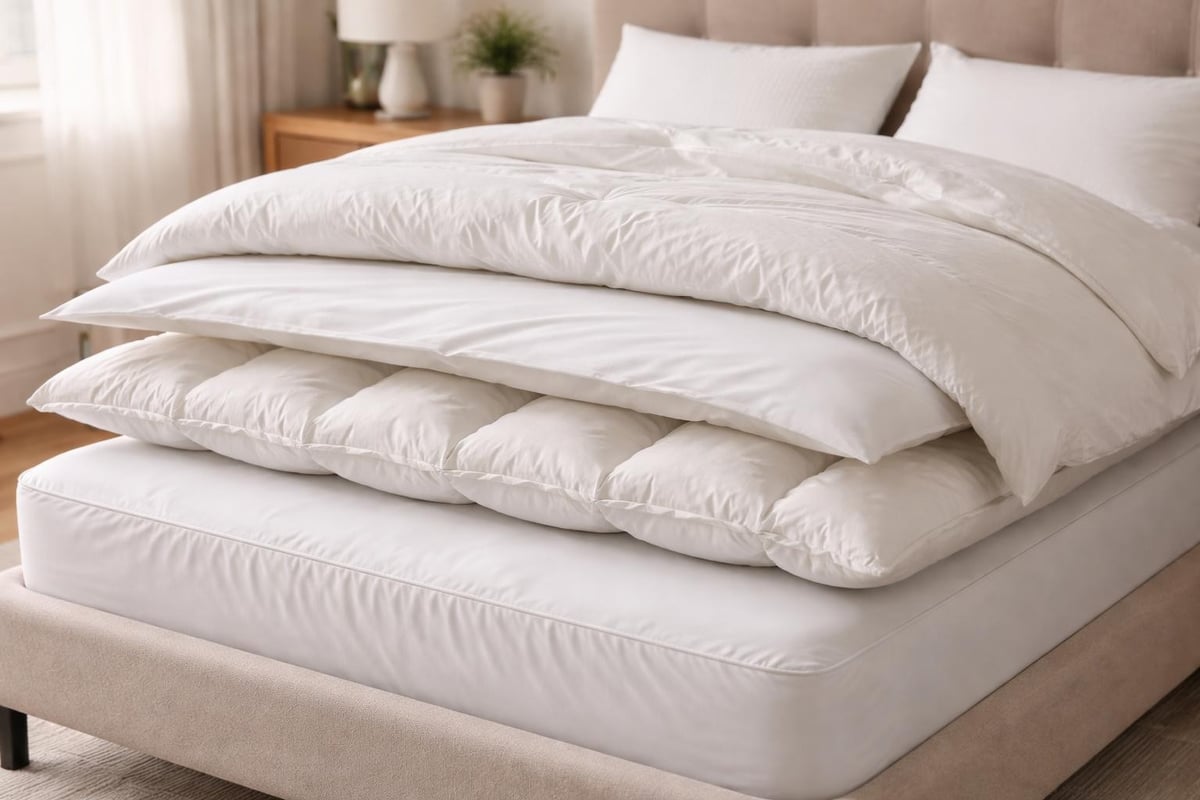
To truly understand what people mean when they say duvet sheet, let's look at what actually goes on your bed from bottom to top:
- Fitted sheet - This elastic-edged sheet wraps around your mattress
- Flat sheet (optional) - A rectangular sheet that sits between you and your duvet
- Duvet insert - The fluffy, quilted blanket filled with down, feathers, or synthetic fibres
- Duvet cover - The protective, decorative cover that encases your duvet insert
The beauty of this system is its flexibility. You can mix and match pieces to suit your style and budget, which is exactly what makes shopping at Happy Home Shop so brilliant for creating your perfect sleep setup.
Duvet covers versus flat sheets: Which matters more?
This is where the duvet sheet conversation gets really practical. Many people debate whether they actually need both a duvet cover and a flat sheet, or if one can do the job of both. Expert bedding advice suggests it really comes down to personal preference and practicality.
Duvet covers serve several essential purposes:
- Protect your duvet insert from dirt, oils, and wear
- Allow you to change your bedroom's look easily
- Can be washed more frequently than the duvet itself
- Often feature gorgeous designs that set your room's aesthetic
Flat sheets, on the other hand, offer different benefits:
- Create a barrier between your skin and the duvet
- Can be easier to wash than bulky duvet covers
- Provide an extra layer of warmth in winter
- Feel crisp and hotel-like when properly tucked
| Feature | Duvet Cover | Flat Sheet |
|---|---|---|
| Primary function | Protects duvet insert | Creates barrier between you and duvet |
| Washing frequency | Weekly to fortnightly | Weekly |
| Design impact | High - sets room aesthetic | Low - often hidden |
| Cost to replace | Moderate | Low |
If you're looking to understand why cotton makes such a difference, you'll find that both duvet covers and quality sheets benefit from natural, breathable fabrics.
How to choose the right duvet sheet setup for your bedroom
Now that we've demystified what a duvet sheet might refer to, let's talk about making smart choices for your bedroom. Whether you're completely refreshing your sleep space or just adding a few new pieces, understanding how everything works together makes shopping so much easier.
Consider your washing routine
One of the biggest advantages of the duvet sheet system is how it simplifies laundry. Instead of washing a heavy, bulky comforter every week, you can simply remove your duvet cover and toss it in the wash. If you're using a flat sheet as well, that provides an extra layer of protection, meaning your duvet cover might need washing less frequently.
For brilliant tips on keeping everything fresh, check out this guide on how to wash and store your bedding for maximum longevity. Proper care means your bedding investment lasts years, not months.
Match your aesthetic preferences
The lovely thing about duvet sheet combinations is how they let you express your personal style. You might choose a neutral duvet cover and add pops of colour with your sheets and pillowcases. Or perhaps you prefer a bold, patterned duvet cover paired with simple white sheets underneath.
Popular 2026 duvet sheet style combinations:
- Minimalist white duvet cover with sage green sheets
- Bold floral duvet with crisp white cotton sheets
- Textured linen duvet cover layered over soft jersey sheets
- Classic stripe duvet paired with solid coordinating sheets
If you're torn between different looks, our article on colourful versus minimal duvet covers might help you decide which direction feels right for your space.
The practical side of duvet sheet shopping
Budget-conscious home makers (that's all of us, really!) need to think strategically about bedding purchases. The duvet sheet concept, however you interpret it, offers fantastic flexibility for creating a beautiful bedroom without overspending.
Start with the essentials
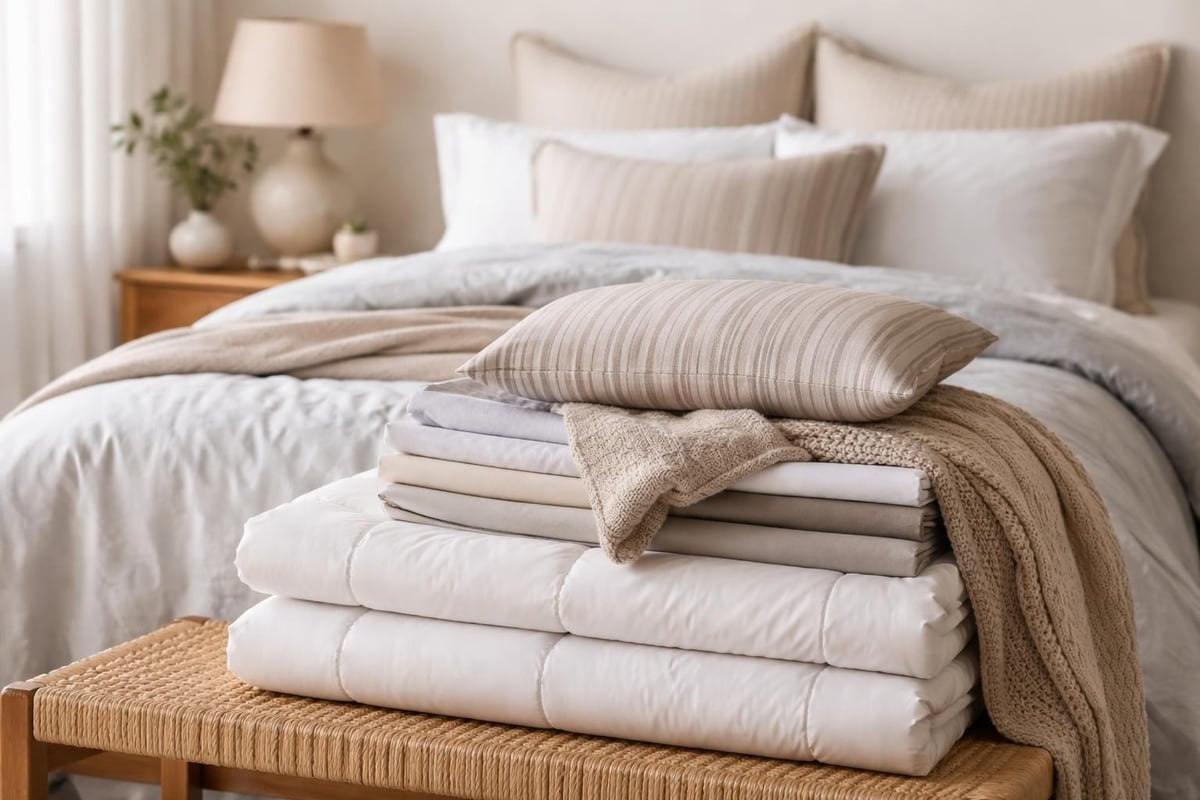
You don't need to buy everything at once. Here's a sensible approach:
- Invest in a quality duvet insert that suits your climate needs
- Purchase two duvet covers so you always have a clean one ready
- Add fitted sheets (at least two sets for easy rotation)
- Consider flat sheets based on your personal preference
- Build your collection gradually with seasonal pieces
This approach means you're not dropping a fortune all at once, but you're still creating a comfortable, functional bedroom that feels like a proper retreat.
Understanding size and fit
One aspect of the duvet sheet question that trips people up is sizing. Your duvet cover needs to fit your duvet insert properly (not too tight, not too loose), and your sheets need to fit your mattress depth. Getting these measurements right makes all the difference between bedding that looks professional and bedding that's constantly rumpled and annoying.
Our comprehensive guide on duvet cover sizing and fit walks you through exactly how to avoid that frustrating bunched-up duvet situation.
Material matters: What your duvet sheet should be made from
Whether we're talking about duvet covers or the sheets that go underneath, fabric choice dramatically affects your sleep quality and how long your bedding lasts. In 2026, we're seeing a wonderful return to natural fibres and sustainable choices that don't compromise on comfort or budget-friendliness.
Cotton remains the gold standard because it's breathable, gets softer with washing, and works year-round. Egyptian cotton, percale, and sateen weaves each offer slightly different feels, but all deliver that crisp, comfortable experience most of us crave.
Linen has surged in popularity for its relaxed, textured appearance and excellent temperature regulation. It's perfect for those who run warm at night or want that effortlessly chic, slightly rumpled aesthetic.
Microfibre and polycotton blends offer budget-friendly alternatives that resist wrinkles and hold up well in the wash. They're brilliant starter options if you're furnishing your first home or updating a guest bedroom.
| Material | Best for | Price range | Care level |
|---|---|---|---|
| Cotton percale | Hot sleepers, crisp feel lovers | £ to ££ | Easy |
| Cotton sateen | Luxury feel seekers | ££ to £££ | Moderate |
| Linen | Texture lovers, eco-conscious | ££ to £££ | Easy (wrinkles expected) |
| Microfibre | Budget shoppers, easy care | £ | Very easy |
The Sleep Foundation's guide to bedding materials provides extensive research on how different fabrics perform in various conditions, which is genuinely fascinating if you're a bedding nerd like some of us!
Seasonal duvet sheet considerations
One aspect people don't always think about is how your duvet sheet setup might change with the seasons. The British climate isn't exactly consistent, is it? Having options means you're comfortable whether it's a sweltering July night or a freezing January morning.
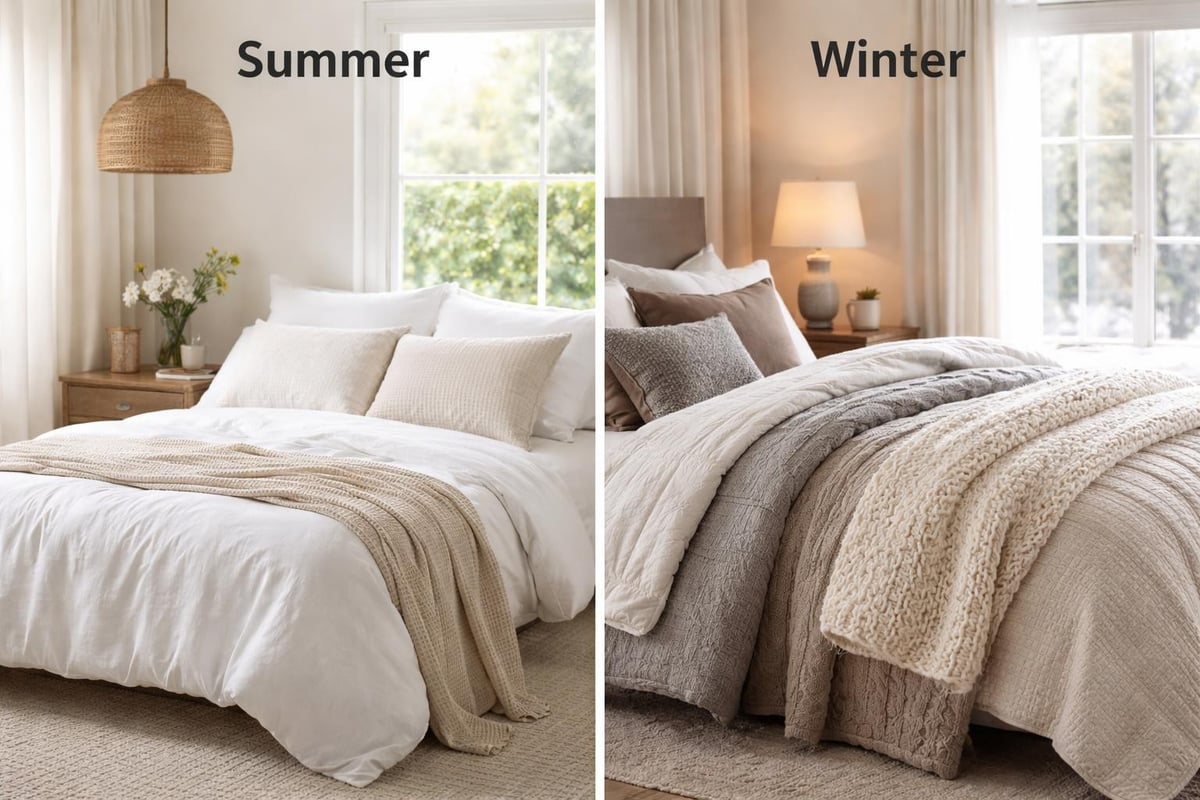
Summer bedding strategies
During warmer months, many people ditch the flat sheet entirely and use just a lightweight duvet with a breathable cover. Some even swap out their duvet for just the cover itself, filled with a thin blanket. This flexibility is one of the brilliant things about the duvet sheet system.
Consider lighter colours for summer, too. White, pale blue, and soft greys reflect rather than absorb heat, helping your bedroom feel cooler and more refreshing.
Winter warmth
When temperatures drop, layering becomes your best friend. A heavier tog duvet insert paired with flannel or brushed cotton sheets creates a wonderfully cosy cocoon. You might add that flat sheet back into the mix for an extra layer of warmth, and perhaps throw on an additional blanket at the foot of the bed for particularly cold nights.
Common duvet sheet mistakes (and how to avoid them)
Even experienced home makers sometimes get tripped up by bedding choices. Let's look at some frequent pitfalls and how to sidestep them entirely.
Buying the wrong size is probably the most common error. Always measure your duvet insert before purchasing a cover, and check your mattress depth before buying fitted sheets. A 30cm deep mattress needs different sheets than a 20cm one.
Neglecting thread count context leads to disappointment. Higher thread count doesn't automatically mean better quality. A 400-thread-count percale cotton can outperform an 800-thread-count microfibre. Focus on fibre quality and weave type rather than numbers alone.
Forgetting about shrinkage causes frustration after the first wash. Natural fibres like cotton can shrink up to 5%, so factor that in when choosing sizes, or prewash before putting on your bed.
Mixing incompatible care requirements makes laundry complicated. If your duvet cover needs cool washing and air drying while your sheets can handle hot washes and tumble drying, you're creating unnecessary work. Try to keep care requirements similar across your bedding collection.
For more detailed washing guidance, our article on bedding care and proper washing techniques covers everything from temperature settings to drying methods.
Building your duvet sheet collection on a budget
Creating a beautiful bedroom doesn't require unlimited funds. Smart shopping and strategic choices mean you can have multiple looks without maxing out your credit card.
The capsule bedding wardrobe approach
Just like clothing, your bedding can work as a capsule collection where everything coordinates:
- Two neutral duvet covers (white, grey, or beige)
- One statement duvet cover (pattern or bold colour)
- Four fitted sheets in coordinating colours
- Two to four flat sheets (if you use them)
- Mix-and-match pillowcases for variety
This gives you multiple looks from a manageable number of pieces. You can easily refresh your bedroom's appearance by swapping combinations.
When to splurge versus save
Worth investing in:
- Your duvet insert (quality filling lasts for years)
- At least one really lovely duvet cover that makes you happy
- Fitted sheets that properly fit your mattress
Where you can economise:
- Flat sheets (simple cotton works beautifully)
- Extra duvet covers for seasonal rotation
- Decorative pillowcases and cushions
The complete bedding guide from MattressNut helps you understand which components deserve more of your budget and where you can safely economise.
Making your duvet sheet setup work harder
Once you've got your bedding sorted, there are clever ways to make it serve you even better. These little tricks separate bedding beginners from true comfort experts.
Create a quick-change system. Keep your spare duvet cover and sheets together in a pillowcase. When it's time to change the bed, everything's ready to go. This simple organisation hack saves time and reduces the temptation to put off washing day.
Rotate regularly between sets to extend the life of everything. Using the same duvet cover week after week wears it out faster. Having two or three options means each one lasts years longer.
Match your washing schedule to your lifestyle. If you tend to wash bedding on Sundays, having your spare set ready Saturday night eliminates stress. Some people prefer mid-week changes when machines are less busy. Find what works for you.
For readers just starting out with bedding basics, the ultimate beginners guide to bedding covers all the fundamentals in friendly, approachable language.
The environmental angle of duvet sheets
In 2026, more of us are thinking about the environmental impact of our purchasing choices, and bedding is no exception. The duvet sheet system actually offers some eco-friendly advantages worth considering.
Washing duvet covers instead of entire duvets uses less water and energy. A cover weighs far less than a full duvet, dries faster, and requires less detergent. Over a year, this adds up to significant resource savings.
Quality pieces last longer, reducing waste. A well-made cotton duvet cover can easily last five to ten years with proper care, whereas cheaper alternatives might need replacing annually.
Natural fibres are biodegradable at the end of their life, unlike synthetic alternatives that contribute to microplastic pollution. When your cotton sheets finally wear out, they can be composted or recycled into cleaning rags.
WIRED's exploration of duvet necessity touches on sustainability aspects that might surprise you, including the carbon footprint of different bedding types.
Styling your bedroom around your duvet sheet choices
Your bedding sets the tone for your entire bedroom, so it's worth thinking about how your duvet sheet combination contributes to the overall look you're after. This is where the fun really begins!
For a hotel-style aesthetic, crisp white cotton sheets paired with a textured white or cream duvet cover creates that luxurious, spa-like feeling. Add matching pillowcases and perhaps a folded throw at the foot of the bed.
Bohemian vibes come alive with patterned duvet covers, mismatched but coordinating sheets, and layers of texture. Don't be afraid to mix florals with geometric patterns if the colour palette ties everything together.
Minimalist bedrooms benefit from monochromatic schemes where your duvet sheet combination uses varying shades of the same colour. Think charcoal grey sheets with a lighter grey duvet cover, or all-white layers with subtle texture differences.
Maximalist energy loves bold, confident duvet covers paired with complementary sheets in unexpected colours. This is your chance to really have fun and express personality through your bedding choices.
The Happy Home Shop collection offers tremendous variety for creating these different looks, with complete bedding sets that take the guesswork out of coordination.
Understanding what people mean by "duvet sheet" and how to make smart bedding choices transforms your bedroom into the restful haven you deserve. Whether you're team duvet cover only or love the classic duvet-plus-sheets combination, the key is finding what works for your lifestyle, budget, and comfort preferences. Ready to refresh your sleep space? Happy Home Shop offers an incredible range of affordable, high-quality duvet covers, sheets, and complete bedding sets in every style imaginable, with convenient delivery and regular discounts that make creating your dream bedroom wonderfully accessible.