Creating a cosy, inviting bedroom starts with understanding your bedding options. Whether you're redesigning your entire sleep space or simply refreshing your linen cupboard, knowing the difference between a duvet and blanket can transform both your comfort levels and your bedroom aesthetic. These two bedding essentials serve different purposes, offer unique benefits, and can work brilliantly together when you understand how to use them properly. Let's dive into everything you need to know about choosing, styling, and caring for these bedroom staples.
What makes a duvet different from a blanket?
The fundamental distinction between a duvet and blanket lies in their construction and how you use them. A duvet is essentially a soft, flat bag filled with natural or synthetic materials, designed to be used with a removable cover. Think of it as a fluffy envelope that traps warmth whilst remaining lightweight.
Blankets, on the other hand, are single-layer woven or knitted textiles that you use directly on your bed without a cover. They come in countless weights, from thin cotton throws perfect for summer evenings to chunky wool varieties ideal for winter nights.
Key structural differences:
- Duvets require a separate cover that you can wash and change
- Blankets are ready to use straight away, no cover needed
- Duvets provide all-over warmth through insulation
- Blankets offer adjustable warmth through layering
The Sleep Foundation provides comprehensive guidance on how these construction differences affect your sleep quality and comfort levels throughout the year.
Understanding tog ratings and blanket weights
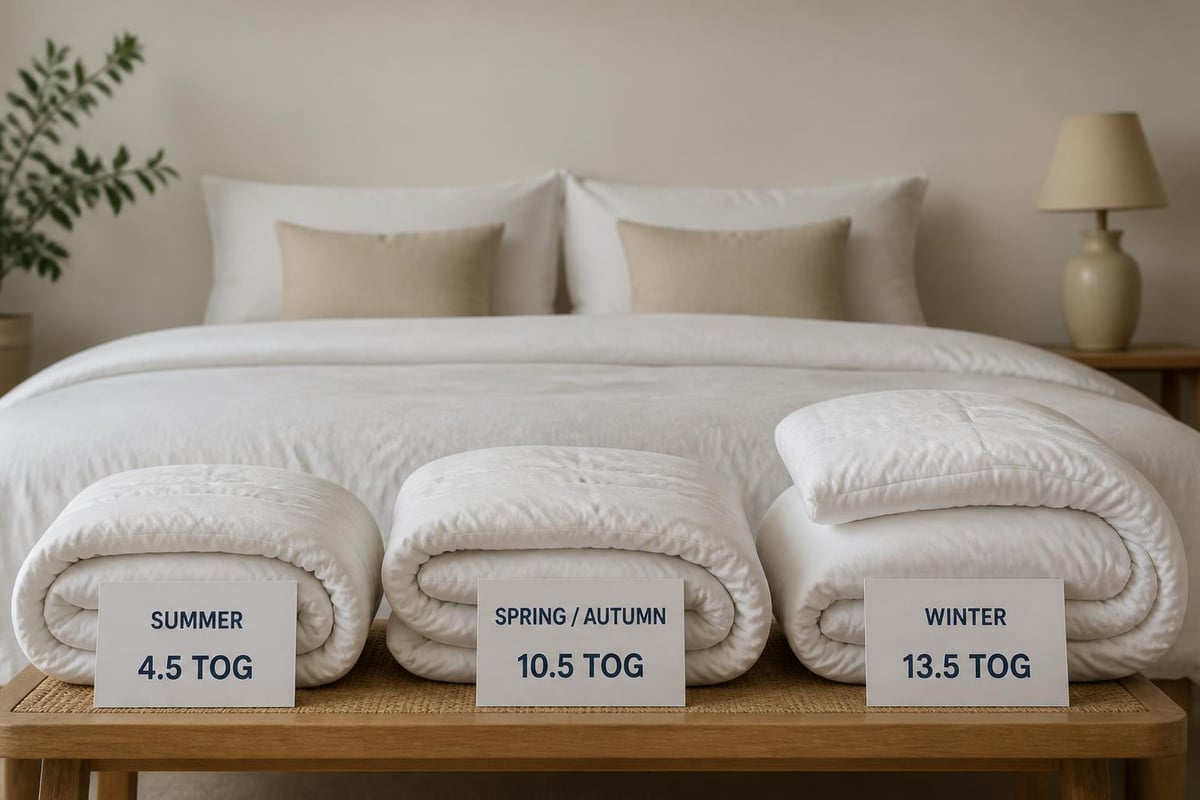
When shopping for duvets, you'll encounter tog ratings, a measurement of thermal insulation. Higher tog numbers mean warmer duvets. Summer duvets typically range from 3 to 4.5 tog, whilst winter options sit between 10.5 and 13.5 tog.
Blankets don't use tog ratings. Instead, they're categorized by material and weight. A lightweight cotton blanket might weigh around 400-600 grams, whilst a heavy wool blanket could tip the scales at 2-3 kilograms.
Choosing between a duvet and blanket for different seasons
Your climate and personal temperature preferences play a huge role in determining which option works best for you. Many savvy homemakers actually use both throughout the year, switching between them as temperatures fluctuate.
Spring and summer bedding solutions
During warmer months, many people find blankets more versatile than duvets. A lightweight cotton or linen blanket provides just enough coverage without causing overheating. You can easily kick it off during hot nights and pull it back when temperatures drop.
If you prefer the all-encompassing feel of a duvet, opt for a low-tog option (3-4.5) in breathable materials. Natural fillings like silk or bamboo work brilliantly for temperature regulation.
Summer bedding advantages:
| Duvet and blanket option | Best for | Weight range |
|---|---|---|
| Low-tog duvet (3-4.5) | Consistent light coverage | Very light |
| Cotton blanket | Adjustable warmth | Light to medium |
| Linen throw | Breathability | Very light |
| Cellular blanket | Air circulation | Light |
Autumn and winter warmth strategies
Winter transforms your bedding needs entirely. This is where duvets truly shine, offering superior insulation without the bulk of multiple blankets. A 10.5-13.5 tog duvet traps body heat efficiently whilst remaining surprisingly lightweight.
However, layering a duvet and blanket together creates the ultimate cosy sleep experience. Place a decorative blanket over your duvet for extra warmth on particularly chilly nights, and you've got a flexible system that adapts to temperature changes.
If you're looking for inspiration on creating the perfect winter bed, our guide to warm bedding sets offers brilliant styling ideas and practical tips.
Styling your bedroom with layered bedding
Beyond functionality, the combination of a duvet and blanket opens up endless decorative possibilities. Layering different textures and colours adds depth and visual interest to your bedroom while serving a practical purpose.
Creating the perfect bedding layers
Start with your duvet as the foundation. Choose a cover that complements your bedroom's colour scheme. At Happy Home Shop, you'll find everything from classic plain duvet cover sets to playful floral bedding options.
Next, fold a contrasting blanket at the foot of your bed or drape it casually over one corner. This not only looks inviting but provides an extra layer you can pull up during the night without disturbing your main duvet.
Layering techniques for visual appeal:
- Place your duvet in its cover and spread it evenly across the bed
- Fold a throw blanket into thirds lengthwise
- Position it across the bottom third of the bed
- Add coordinating cushions for the finishing touch
- Adjust layers based on the season
Mixing textures and patterns
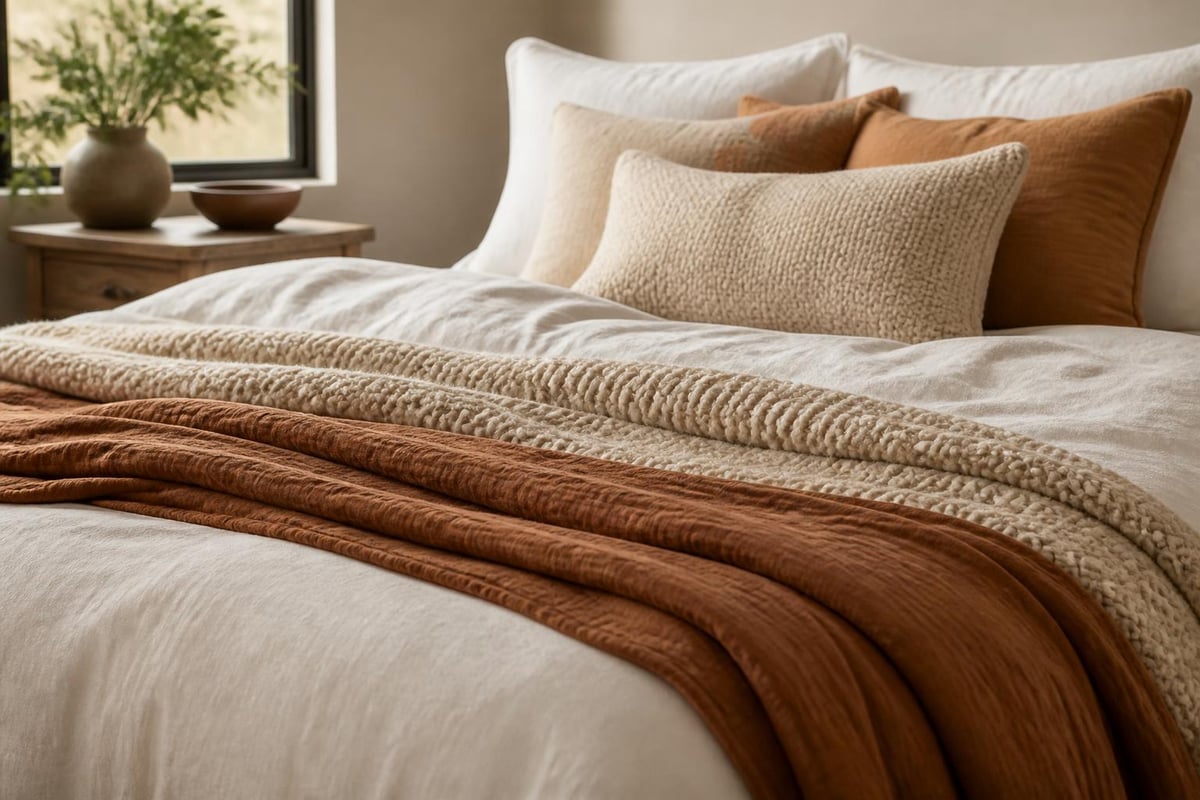
Don't be afraid to combine different materials and designs. A smooth cotton duvet paired with a chunky knit blanket creates wonderful tactile contrast. Similarly, mixing patterns works beautifully when you stick to a cohesive colour palette.
Try pairing solid-coloured duvets with patterned blankets, or vice versa. If you're feeling adventurous, our geometric and checks and stripes duvet cover sets can be brilliantly combined with textured throws for a designer look on a budget.
Practical maintenance and care considerations
One significant advantage of using a duvet and blanket system is the flexibility it offers for washing and maintenance. Duvets themselves are bulky and challenging to wash at home, which is why removable covers are so practical.
Washing frequencies and methods
Duvet covers should be washed every one to two weeks, just like your sheets. Most blankets can go longer between washes, typically every two to four weeks, depending on use. However, decorative throws that don't touch your skin directly might only need washing monthly.
Maintenance comparison:
| Item | Washing frequency | Machine washable? | Drying method |
|---|---|---|---|
| Duvet cover | 1-2 weeks | Yes (check label) | Tumble or line dry |
| Duvet insert | 2-3 times yearly | Sometimes (large capacity needed) | Professional or tumble dry low |
| Cotton blanket | 2-4 weeks | Usually yes | Tumble or line dry |
| Wool blanket | 1-2 times yearly | Hand wash or dry clean | Lay flat to dry |
Storage solutions for seasonal bedding
When you're not using certain duvets or blankets, proper storage prevents musty odours and keeps them fresh. Vacuum storage bags work brilliantly for duvets, reducing their volume significantly whilst protecting against dust and moisture.
For blankets, especially delicate wool or cashmere varieties, breathable cotton storage bags are ideal. Never store bedding in plastic bags long-term, as this can trap moisture and lead to mildew.
Budget-friendly approaches to building your bedding collection
You don't need to invest in every possible combination of duvet and blanket immediately. Smart shoppers build their collections gradually, prioritizing versatility and quality over quantity.
Starting with the essentials
Begin with one all-season duvet (around 10.5 tog) and a lightweight blanket. This combination works year-round in most UK homes. During summer, use the blanket alone or the duvet without the blanket. In winter, layer them together for maximum warmth.
As your budget allows, add a summer duvet (4.5 tog) and a heavier winter blanket. This four-piece system covers every possible temperature scenario whilst remaining affordable and manageable.
Investment priority order:
- All-season duvet (10.5 tog) with washable cover
- Lightweight cotton or microfibre blanket
- Summer duvet (3-4.5 tog) for hot weather
- Heavy blanket or throw for extra winter warmth
- Decorative throws for styling
The beauty of shopping at retailers like Happy Home Shop is finding quality bedding that doesn't break the bank. Regular offers and bundle deals make it easy to build your collection without overspending.
Multi-purpose bedding choices
Look for reversible options that give you two looks for the price of one. Reversible duvet cover sets let you change your bedroom's appearance instantly by simply flipping your duvet cover inside out.
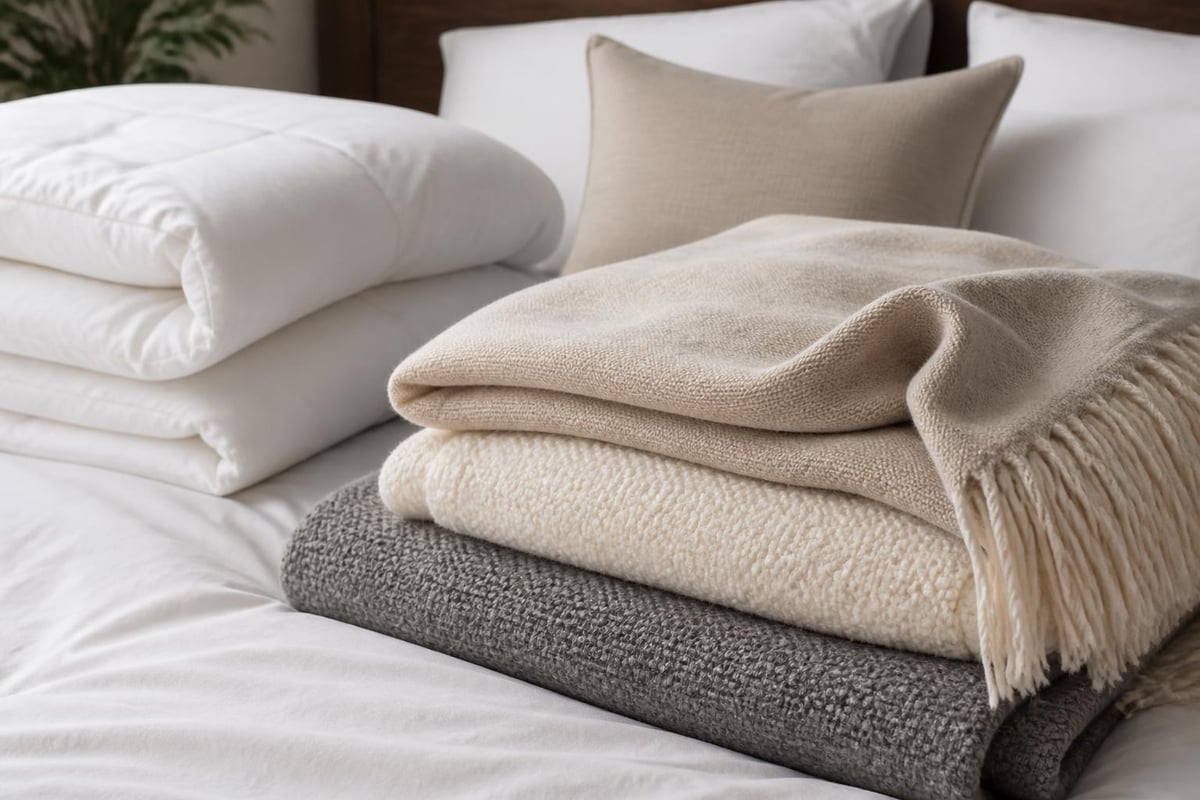
Similarly, neutral-coloured blankets work across multiple seasons and with various duvet covers. A classic grey, cream, or navy blanket complements almost any colour scheme, making it a worthwhile investment piece.
Special considerations for different household needs
Every household has unique requirements when it comes to bedding. Children, allergy sufferers, and those living in particularly warm or cold climates all need tailored solutions.
Bedding for children and teens
Kids often prefer the simplicity of blankets, especially younger children who might struggle with duvet covers. However, as they grow, transitioning to a duvet and blanket system teaches them about layering and temperature control.
For children's rooms, consider washable, durable options that withstand frequent laundering. Kids duvet cover sets in fun patterns make bedtime more appealing whilst providing the functionality parents appreciate.
Allergy-friendly options
If you or your family members suffer from allergies, synthetic duvets and blankets often prove easier to manage than natural fibres. They're machine washable at higher temperatures, killing dust mites more effectively.
Allergy considerations:
- Synthetic fillings wash more easily than down or feather
- Tightly woven covers prevent allergen penetration
- Regular washing (weekly) reduces allergen build-up
- Microfibre blankets repel dust mites naturally
According to research from Tom's Guide, choosing the right bedding materials significantly impacts sleep quality for allergy sufferers.
Understanding different duvet and blanket materials
The materials used in your bedding dramatically affect comfort, durability, and care requirements. Knowing what each option offers helps you make informed choices for your home.
Natural versus synthetic duvet fillings
Natural fillings include down, feather, wool, and silk. They offer excellent temperature regulation and tend to last longer with proper care. Down duvets are incredibly lightweight yet warm, whilst wool naturally wicks moisture.
Synthetic fillings, typically polyester or microfibre, cost less and suit allergy sufferers better. Modern synthetic duvets rival natural options for warmth and comfort whilst being machine washable. Microfibre duvet cover sets pair beautifully with synthetic duvets for an affordable, low-maintenance bedding solution.
Blanket fabric choices
Cotton remains the most popular blanket material, offering breathability and easy care. Wool provides superior warmth and moisture-wicking properties but requires more careful maintenance. Fleece and sherpa blankets deliver exceptional softness and warmth at budget-friendly prices.
For those seeking sustainable options, bamboo and organic cotton blankets offer eco-friendly alternatives without compromising comfort. These materials feel luxurious whilst supporting environmentally conscious choices.
Maximizing comfort through proper layering techniques
Getting the layering order right makes a substantial difference to your sleep quality. The wrong arrangement can leave you too hot, too cold, or tangled in bedding.
The science of thermal layering
Think of your bedding like clothing layers. The duvet acts as your insulating layer, trapping warm air close to your body. The blanket serves as a windbreaker of sorts, adding an extra barrier against cold air whilst allowing some breathability.
Good Housekeeping's expert guidance suggests placing heavier items on top to create weight that many find comforting, promoting deeper sleep through gentle pressure.
Optimal layering sequence:
- Bottom layer: Fitted sheet
- Second layer: Flat sheet (optional)
- Third layer: Duvet in its cover
- Top layer: Blanket or throw
- Optional: Additional decorative throw at foot of bed
This arrangement allows easy adjustment throughout the night. Too warm? Remove the top blanket. Still comfortable? Keep everything in place.
Adapting layers for couples with different temperature preferences
Many couples struggle with differing warmth needs. One solution involves using two separate duvets instead of sharing one, a common practice in Scandinavian countries. Each person can then add or remove their own blanket as needed.
Alternatively, use a shared duvet and blanket but allow each person to adjust their side independently. Zip-together duvets with different tog ratings on each side offer another innovative solution.
Making the most of seasonal transitions
The periods between seasons often prove trickiest for bedding choices. Temperature fluctuations leave you too hot one night and shivering the next.
Creating a flexible system
This is where the duvet and blanket combination truly excels. During unpredictable spring and autumn weather, keep both options readily available. Start the night with just your duvet, and have a blanket folded nearby to add if temperatures drop.
Many people find teddy bedding particularly useful for transitional seasons. The plush texture provides extra warmth without excessive weight, bridging the gap between summer and winter perfectly.
Quick-change strategies
Keep multiple duvet covers in rotation so you can change the look and feel of your bedroom without investing in new duvets. A fresh cover transforms your space instantly and allows you to adjust warmth levels slightly through material choice.
Lightweight linen covers work brilliantly for summer, whilst flannel or brushed cotton options add warmth in winter. The same principle applies to blankets, switching between materials as seasons change whilst keeping your core duvet constant.
Sustainability and longevity in bedding choices
Making sustainable choices in bedding benefits both your wallet and the environment. Quality items that last for years represent better value than cheap alternatives requiring frequent replacement.
Investing in durable options
Well-made duvets can last 5-10 years with proper care, whilst quality blankets often endure even longer. Look for reinforced stitching, quality materials, and reputable brands known for durability.
Homes & Gardens offers valuable insights into selecting bedding that stands the test of time whilst maintaining comfort and appearance.
Longevity factors to consider:
- Thread count in duvet covers (200-400 is ideal)
- Quality of stitching and seams
- Material durability ratings
- Washability and care requirements
- Warranty or guarantee offerings
Eco-conscious bedding selections
Sustainable bedding doesn't have to cost the earth. Sustainable bedding and BCI cotton bedding collections offer environmentally responsible choices at accessible prices.
When researching options, The Sleep Judge provides helpful comparisons between different materials and their environmental impacts, helping you make informed decisions aligned with your values.
Understanding how to effectively use a duvet and blanket together transforms your bedroom into a comfortable, stylish sanctuary that adapts to your needs throughout the year. By choosing quality pieces, layering thoughtfully, and caring for your bedding properly, you'll create a sleep environment that supports restful nights and beautiful mornings. Ready to refresh your bedding collection? Happy Home Shop offers an extensive range of affordable, high-quality duvets, covers, and blankets in countless styles and colours, all with convenient delivery options that make creating your dream bedroom easier than ever.