Feeling puzzled by the bedding price tags you see in 2026? You are not alone. The world of bedding price comparisons can be a maze, with new trends and market changes adding to the confusion.
This essential guide is here to help you untangle the mystery of bedding price, so you can make smart, budget-friendly choices for your home.
We will break down what drives bedding price, how to spot genuine value, and share tips on finding the best deals, including popular options from Happy Home Shop’s affordable collections.
Curious about affordable luxury? Ready to save money and upgrade your bedroom? Dive in and let this guide be your shortcut to smarter bedding price decisions.
Understanding bedding price factors in 2026
Ever wondered why bedding price tags seem to jump all over the place? In 2026, there are more factors than ever shaping what you pay for a dreamy night’s sleep. From fabric choices to futuristic tech, and even the global economy, let’s unravel what really goes into the cost of your next duvet set.
The impact of material and quality on cost
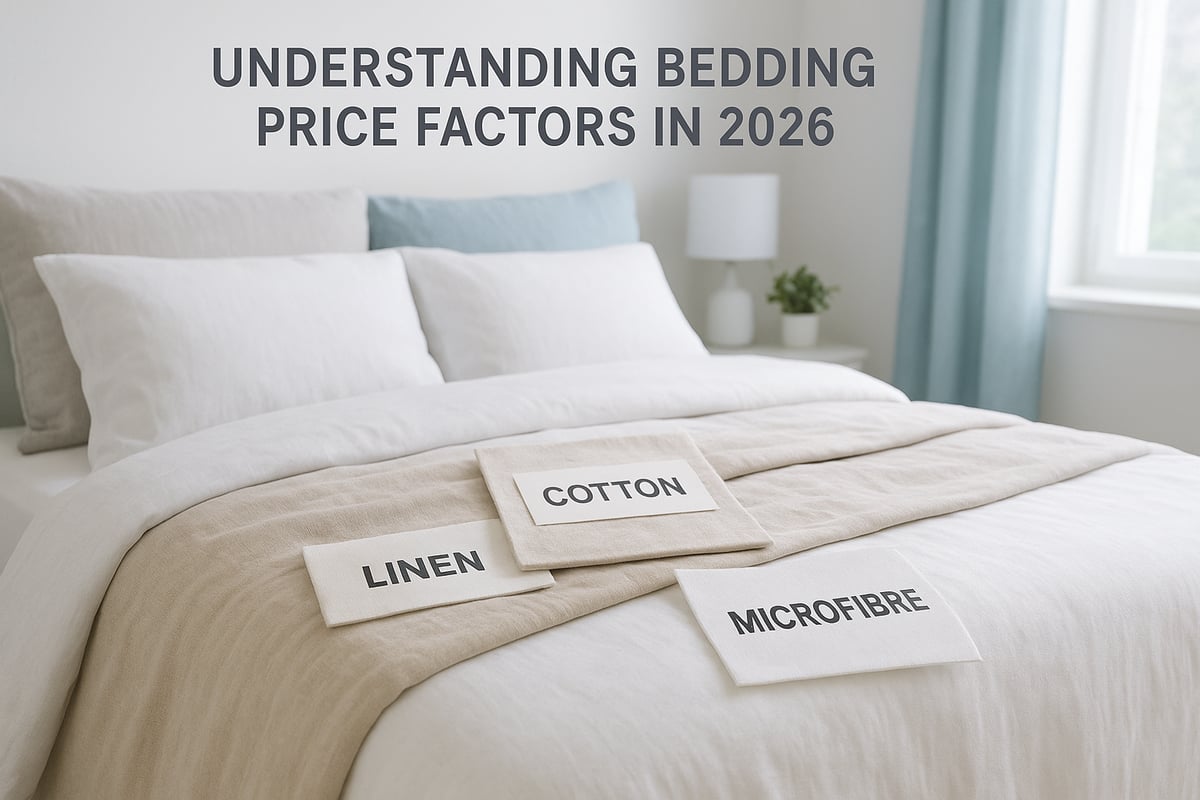
Material is one of the biggest drivers of bedding price. Cotton remains a classic, with Egyptian cotton prized for its softness and longevity, often fetching a higher price than standard cotton. Linen is breathable and chic, but typically costs more due to its durability and eco-friendly reputation. Microfibre is a wallet-friendly option, known for being lightweight and easy to care for, while bamboo bedding is gaining ground for its silky feel and sustainable credentials.
Thread count often gets lots of attention, but beware the myth: higher isn’t always better. What really matters is the quality of the fibres and weave. For a deeper dive into why materials matter and how to spot real value, check out the Bedding basics for beginners guide. Whether you’re eyeing Egyptian cotton or a polycotton blend, understanding these basics will help you judge the true bedding price.
Brand reputation and designer collaborations
Ever noticed how a designer logo or a well-known brand name can double the bedding price? That’s the power of reputation. Leading brands like The White Company, John Lewis, and Happy Home Shop are known for consistent quality and customer trust, which can push prices higher. Limited edition designer collaborations—think Orla Kiely or Ted Baker—often command a premium due to exclusivity.
Price ranges can be quite broad. For example, basic branded bedding might start at £25 for a double set, while designer collaborations can reach £150 or more. When shopping, remember that sometimes you’re paying for the name as much as the fabric. The bedding price reflects both the tangible and intangible value.
Sustainability and ethical sourcing premiums
Eco-friendly bedding is no longer a niche—it’s a movement. The bedding price for organic cotton, Fairtrade-certified, or recycled fibre sets is typically higher than standard ranges. Why? The production processes are more rigorous, and certifications like GOTS or OEKO-TEX add assurance of ethical practices.
For instance, a standard double duvet set might cost £30, while a similar organic set could be £50 or more. Happy Home Shop’s sustainable bedding collection offers a range of options for those who want to sleep soundly in every sense. As demand for sustainable bedding rises, expect the bedding price to reflect these values.
Technological innovations in bedding
The world of bedding is getting smarter. New features like moisture-wicking fabrics, cooling technology, and hypoallergenic treatments are shaping the 2026 bedding price. Smart textiles can regulate temperature, making hot summer nights more bearable. Anti-allergy finishes or antibacterial coatings add comfort and peace of mind, but come with a higher price tag.
If you want bedding that’s more than just soft—think odour-fighting, temperature-regulating, or even app-connected—you’ll find the bedding price jumps accordingly. These innovations are perfect for those seeking a little extra luxury or support for sensitive sleepers.
Economic influences and inflation trends
It’s not just what’s on your bed, but what’s happening in the world that impacts bedding price. In 2026, ongoing inflation, Brexit aftershocks, and global supply chain hiccups continue to affect homeware costs. Cotton prices fluctuate with global demand, and shipping delays can push prices higher in the UK.
Experts predict the bedding price will see gradual increases as the cost of raw materials and transport rises. Still, savvy shoppers can find value by keeping an eye on trusted retailers like Happy Home Shop, who work to keep quality affordable even as the market shifts.
2026 bedding price breakdown by type and size
Shopping for bedding in 2026 can feel like navigating a maze, with bedding price tags that seem to leap from bargain to luxury in a single aisle. Knowing what to expect for each type and size takes the guesswork out of your next bedroom refresh. Let’s break down the numbers, so you spend wisely and sleep soundly.
Duvet covers and pillowcases: price ranges and what to expect
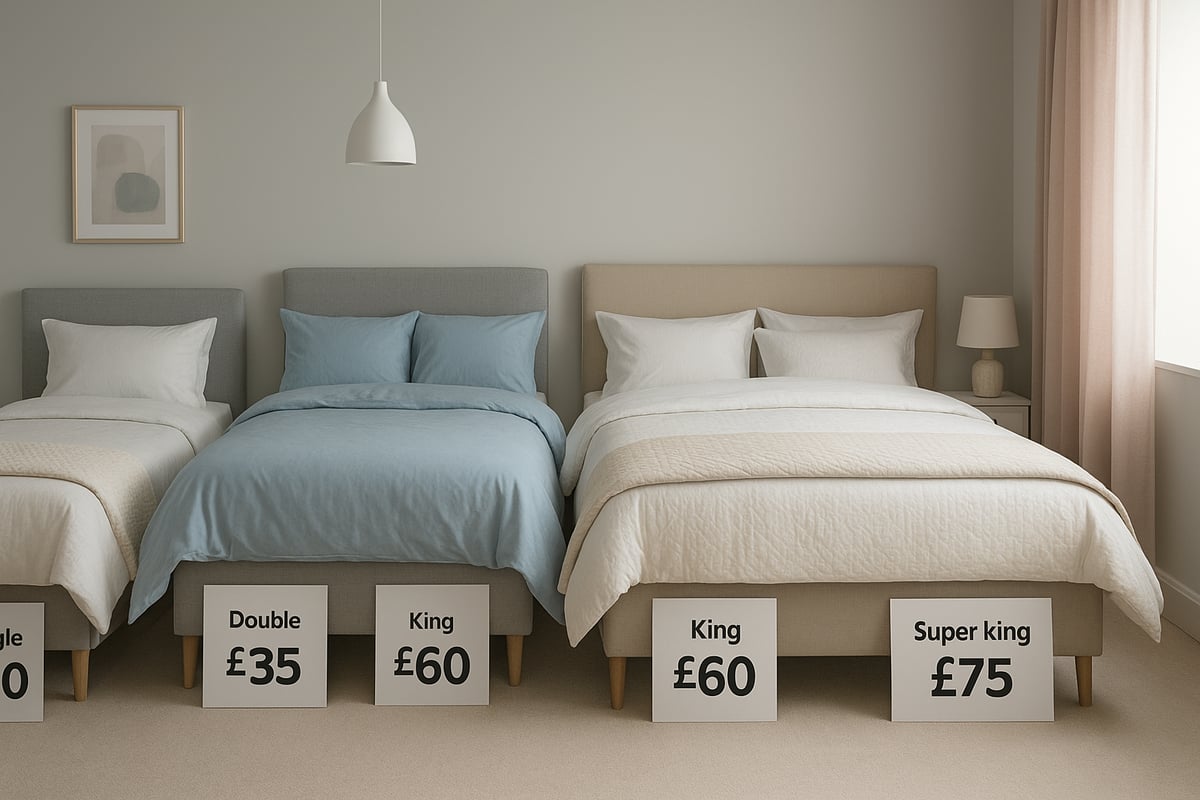
Duvet covers and pillowcases are the heart of your bedding look, but their bedding price varies by size and material. In 2026, a basic single set starts around £15, while a luxury super king can reach £90 or more. Materials like Egyptian cotton or linen push prices higher, especially in coordinated sets.
For a deeper dive into what drives these costs, check out this Sheets and pillowcase sets guide, which unpacks sizes, fabrics, and pricing in more detail. Remember, bundles often offer better value than buying items solo.
Bed sheets: fitted vs. flat and material considerations
When it comes to sheets, fitted options are often pricier than flat due to their tailored shape. Expect a basic single fitted sheet from £10, with king sizes in luxury fabrics edging towards £60. Percale and brushed cotton offer comfort at a mid-range bedding price, while bamboo and silk command a premium.
Material choices directly impact comfort and longevity. Many shoppers opt for Happy Home Shop’s easycare fitted sheets, which balance cost and convenience beautifully.
Quilts, duvets, and pillows: filling types and cost implications
The filling inside your bedding makes a big difference to bedding price. Synthetic duvets and pillows are the most budget-friendly, with singles from £18 and kings up to £60. Natural fills like down or feather start higher, around £40 for a single, but can soar to £200+ for premium super king options.
Warmth rating also matters. All-season duvets cost more upfront but save money in the long run. Pillows with memory foam or cooling gel add to the total price tag.
Bedding bundles and coordinated sets
Bundles are your secret weapon for stretching your bedding budget. Leading UK retailers, including Happy Home Shop, offer coordinated sets that include duvet covers, pillowcases, and sometimes sheets at a reduced bedding price. A family bundle for a double bed might start at £45, while luxury bundles can go above £150.
Look for seasonal bundle deals, especially during sales, to maximise your savings. Bundles also ensure a cohesive bedroom look with minimal fuss.
Kids’ bedding and themed designs
Kids’ bedding is a world of its own, with bedding price swings based on design and licensing. Standard single sets with simple patterns can start at £12, while themed or character bedding (think superheroes or princesses) often ranges from £25 to £60.
Seasonal trends, like Christmas or summer motifs, can also affect costs. Licensed sets usually cost more due to branding fees, but Happy Home Shop’s regular sales make it easier to snag these for less.
Speciality bedding: hypoallergenic, cooling, and luxury options
Speciality bedding caters to specific needs and comes with its own bedding price premium. Hypoallergenic sets, cooling fabrics, or luxury materials like silk or high-thread-count cotton start at £30 for a single and can top £120 for super king.
Features such as anti-allergy treatments or temperature regulation technology justify the higher price. Shoppers looking for these options often find value in Happy Home Shop’s speciality collection, which balances innovation and affordability.
Average price table: 2026 UK bedding cost snapshot
Here’s a handy summary of typical 2026 bedding price ranges for each type and size:
| Bedding Type | Single | Double | King | Super King |
|---|---|---|---|---|
| Duvet Set | £15–£45 | £20–£60 | £25–£80 | £35–£90 |
| Fitted Sheet | £10–£30 | £15–£40 | £20–£50 | £25–£60 |
| Flat Sheet | £8–£28 | £12–£38 | £16–£48 | £22–£58 |
| Quilt/Duvet | £18–£80 | £25–£120 | £30–£160 | £40–£200 |
| Pillow (each) | £8–£30 | £8–£30 | £8–£35 | £8–£35 |
| Kids’ Set | £12–£60 | – | – | – |
| Speciality Set | £30–£90 | £40–£110 | £50–£120 | £60–£140 |
Bedding price trends will keep shifting, but with this breakdown, you’re ready to shop with confidence and clarity.
How to spot quality and value beyond the price tag
Getting the most for your bedding price is about more than just hunting for a sale sticker. Savvy shoppers know that true value means balancing comfort, longevity, and little extras that make bedtime blissful. Let’s break down what really matters when comparing bedding, so you don’t just shop smart, but sleep smart too.
Decoding product labels and certifications
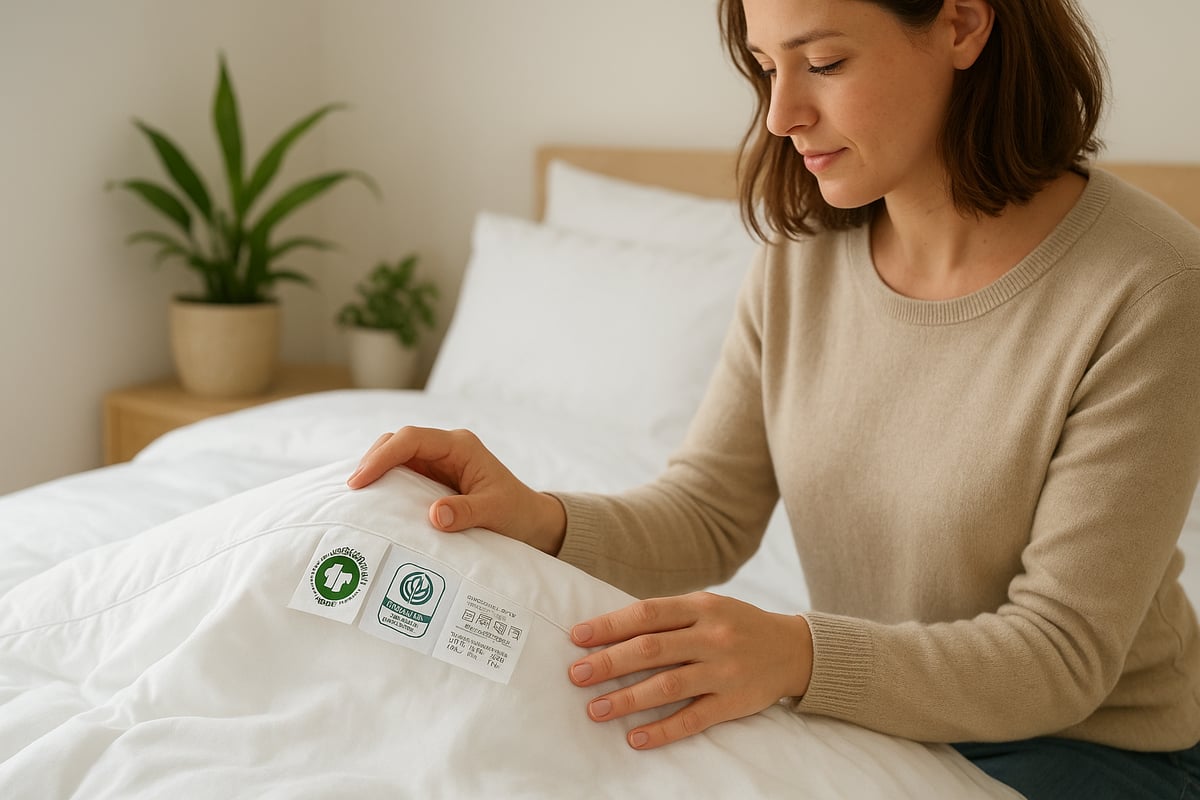
When you’re comparing bedding, spotting the right certifications can help ensure your bedding price is going towards health and sustainability. Look for labels like OEKO-TEX, which means the textiles are tested for harmful substances, and GOTS, the gold standard for organic cotton. These certifications signal that you’re investing in quality and safer sleep.
Here’s a quick cheat sheet:
| Certification | What it Means | Why it Matters |
|---|---|---|
| OEKO-TEX | Tested for harmful chemicals | Safer for skin, eco-friendly |
| GOTS | Organic, ethical standards | Sustainable, non-toxic |
| Fairtrade | Ethical sourcing | Supports fair wages |
Choosing certified bedding means your bedding price reflects not just softness, but also ethical and environmental care.
Assessing durability and care requirements
The real value in your bedding price often comes down to how long your sheets and duvets last. Natural fibres like cotton and linen tend to be more durable, especially when cared for according to label instructions. Look for easycare or non-iron options if you want to save time and energy.
Keep in mind:
- High-quality cotton can last years with gentle washing.
- Microfibre and polycotton blends are often low maintenance and budget-friendly.
- Check washing symbols to avoid accidental shrinkage or fading.
Remember, the longer your bedding lasts, the better return you get on your bedding price.
Customer reviews and ratings: what to look for
Digging into customer feedback is like peeking behind the curtain to see if the bedding price matches real-life comfort and quality. Focus on reviews that mention fabric feel, colour retention, and how well the bedding holds up after washing.
Watch out for:
- Consistent complaints about seams unravelling or colours fading
- Praise for softness that lasts
- Comments on fit for different mattress depths
For a curated look at top brands and honest reviews, check out the Best bed linen in the UK guide. It helps you compare bedding price and value with real-world insights.
Comparing warranty and return policies
A flexible warranty or return policy can make all the difference to your bedding price. Some UK retailers offer satisfaction guarantees or hassle-free returns, which means you can try out your new bedding risk-free.
Here’s a quick comparison:
| Retailer Type | Return Period | Satisfaction Guarantee |
|---|---|---|
| High street store | 14–28 days | Limited |
| Online specialist | 30–60 days | Generous, often free |
| Happy Home Shop | 30 days | Customer-focused |
Always read the fine print, and remember, a better policy adds value to your bedding price by reducing risk.
Hidden costs: delivery, packaging, and aftercare
The final bedding price on your receipt might include more than just the sheets. Delivery charges, premium eco-packaging, and aftercare kits can sneak onto your bill. Some shops, like Happy Home Shop, offer free delivery over a certain spend or bundle extras like pillow protectors.
Ways to save:
- Look for bundled deals with free shipping
- Choose retailers with eco-friendly packaging
- Factor in the cost of laundry products for specialty fabrics
By spotting hidden costs, you make sure every penny of your bedding price is well spent.
Where to find the best bedding deals in 2026
Finding the best bedding price in 2026 is a treasure hunt, but with the right map, you can land quality sheets for less. Let’s explore the top places and strategies to help you score those dreamy bedding bargains, whether you love browsing in person or shopping in your pyjamas online.
In-store vs. online bedding shopping: pros and cons
Comparing in-store and online shopping is like choosing between a classic bookshop and a digital library. In-store, you can touch and feel fabrics, see true colours, and often catch flash promotions. However, online shops offer a wider selection, detailed filters, and exclusive web-only deals that can dramatically affect bedding price.
A quick table to compare:
| Shopping Method | Pros | Cons |
|---|---|---|
| In-store | Touch fabrics, instant buy | Limited range, travel |
| Online | More choices, easy compare | Delivery time, can't feel |
Both methods have their perks, but savvy shoppers often check both to compare bedding price before buying.
Seasonal sales, clearance events, and timing your purchase
If you love a bargain, timing is everything. The bedding price can plummet during major sales events like Black Friday, January clearances, and summer sales. Retailers often clear last season’s stock, so you can snap up luxury sets at a fraction of the usual cost.
Top tips:
- Mark your calendar for annual sales.
- Sign up for retailer newsletters to get early access.
- Shop off-season for the biggest bedding price drops.
A little patience can mean big savings, especially if you’re not fussed about the latest patterns.
Subscription services and bedding rental options
A new trend in 2026 is bedding-as-a-service. Subscription boxes deliver fresh sheets to your door every few months, letting you refresh your space without a huge upfront bedding price. Some companies even offer bedding rental for short-term needs, perfect for students or renters.
Pros:
- Try new styles regularly.
- Avoid large bedding price spikes from one-off purchases.
- Hassle-free returns and swaps.
Just check the total cost over a year to ensure you’re really saving compared to buying outright.
Outlet stores and direct-to-consumer brands
Outlet shops and direct-to-consumer (DTC) bedding brands are shaking up the market. Outlets sell last season’s styles and excess stock at lower bedding price points, while DTC brands cut out the middleman, offering premium quality at fairer prices.
According to Home Bedding Market Trends & Forecast, the growth of DTC brands is making high-quality bedding more accessible and affordable for UK shoppers. Look for pop-up outlets and online flash sales for extra savings.
Always compare bedding price across multiple outlets to ensure you’re getting the best deal.
Happy Home Shop: affordable bedding for every home
Happy Home Shop is a go-to for affordable, stylish bedding. Their collections feature everything from classic white sets to bold, patterned duvet covers, with prices that make upgrading your bedding feel guilt-free. Duvet sets start from under £20, and bundle deals offer extra savings for families or those refreshing multiple rooms.
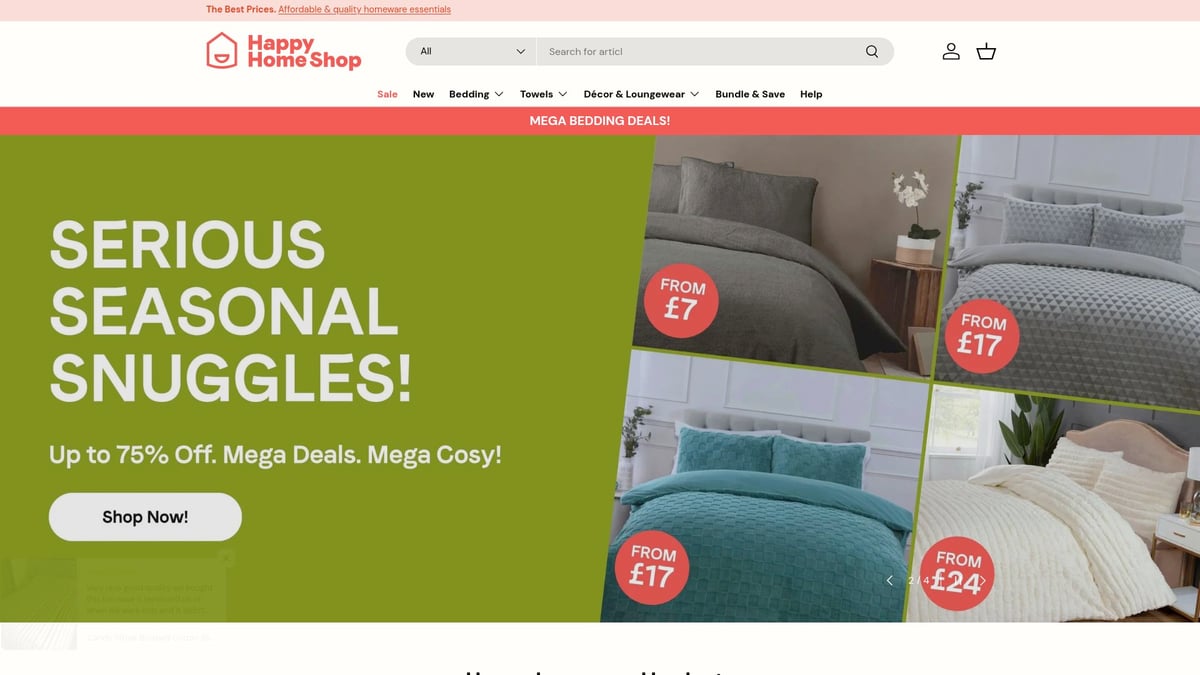
Customers rave about the quality, speedy delivery, and regular discounts. Plus, free delivery kicks in for orders over a set amount, keeping your bedding price within budget. If you want value and style, it’s worth checking their latest offers.
Cashback, loyalty programmes, and voucher codes
Loyalty schemes and cashback offers are the cherry on top of a good bedding price. Many UK retailers now offer points for every purchase, which can be redeemed for future discounts or freebies. Popular loyalty programmes include:
- Nectar (used at major homeware stores)
- Tesco Clubcard
- Retailer-specific schemes
Don’t forget to hunt for voucher codes before checkout, and use cashback sites to get a percentage of your bedding price back. Stack these offers for maximum savings.
Bedding budgeting tips and future price predictions
Feeling overwhelmed by bedding price tags? You’re not alone! With so many options out there, it’s easy to lose track of your budget. The good news? Smart planning and a few insider tricks can help you get the most comfort for your cash. Let’s break down how to budget for bedding, spot value, and keep your bedroom looking fresh, all while keeping an eye on future trends.
Setting your bedding budget: step-by-step guide
Start your bedding journey by working out exactly what you need. Think about how many beds you’re dressing, the sizes, and how often you’ll want to refresh your look. For example, a family of four with two double beds and two singles could need:
- 2 double duvet sets
- 2 single duvet sets
- 4 fitted sheets
- 8 pillows
Create a simple table to visualise your bedding price plan:
| Bedding Item | Quantity | Average Cost | Total |
|---|---|---|---|
| Double Duvet Set | 2 | £35 | £70 |
| Single Duvet Set | 2 | £25 | £50 |
| Fitted Sheet | 4 | £12 | £48 |
| Pillows | 8 | £8 | £64 |
This method keeps your bedding price expectations realistic and prevents overspending.
Prioritising features vs. price: making smart trade-offs
When shopping, it’s tempting to chase every new feature or luxury label. But does a higher bedding price always mean better sleep? Not necessarily. Decide which features matter most to you:
- Durability: Is it worth spending more for long-lasting fabric?
- Special features: Do you need temperature regulation or anti-allergy protection?
- Style: Are you after a trend-led look or timeless basics?
Weigh up the cost against your priorities. Sometimes, investing in one or two premium items, like a luxury pillow, can make a huge difference without blowing your bedding price budget.
Planning for long-term savings: care and maintenance
Looking after your bedding can stretch your budget further. Choosing easycare fabrics means less time ironing and lower energy bills. Store bedding in a dry, cool place to prevent mould and fading.
Here are some tips to protect your investment and keep your bedding price per use low:
- Wash bedding at 30°C to preserve colour and save energy.
- Rotate sets to spread wear evenly.
- Use mattress and pillow protectors.
By caring for your bedding, you’ll avoid premature replacements and keep your bedding price under control.
Navigating price rises: inflation and market forecasts for 2026–2027
The UK bedding price landscape is always changing. Inflation and supply chain hiccups continue to shape costs. In 2026, experts predict a modest rise in homeware prices, with average bedding price increases tracking at around 3–5% year-on-year.
Factors affecting prices include:
- Raw material costs (cotton, linen, bamboo)
- Shipping and import fees
- Shifts in consumer demand
For a deeper dive into market forecasts, check out the UK Bed and Bath Linen Market Analysis. Staying informed helps you time your purchases and lock in the best bedding price before costs jump.
Sustainable shopping: balancing ethics, quality, and budget
Eco-friendly bedding is more accessible than ever, but how does it affect your bedding price? While organic cotton or recycled materials can cost a bit more upfront, they often last longer and feel better. Look for certified sustainable options that balance ethics and affordability.
Explore the Sustainable bedding options at Happy Home Shop for quality, planet-friendly bedding at a fair price. Many collections come with regular discounts, so you can sleep soundly without stretching your bedding price limit.
Upgrading on a budget: tips for stylish, affordable bedding refreshes
Want a bedroom makeover without a hefty bedding price tag? Try these budget-friendly tricks:
- Mix and match pillowcases and sheets for a playful vibe.
- Add a colourful throw or a few scatter cushions.
- Shop end-of-season sales for dramatic savings.
A little creativity goes a long way. With smart choices and an eye for deals, you can keep your space looking fresh and your bedding price in check, all year round.
So, now that you know what really affects bedding prices in 2026—from cool techy fabrics to those sneaky delivery charges—you’re set to make choices that feel right for your style and your wallet. If you’re itching to put your new savvy to the test or just want to browse some genuinely affordable finds (without sacrificing that plush, hotel-at-home vibe), why not take a look at the latest deals and bundles? There’s something satisfying about finding great quality for less, and it’s easier than ever when you know where to look.
Explore Happy Home Shop