Ready to transform your sleep quality in 2026? The secret starts with choosing the right bed comforters and sheets. As sleep wellness becomes a top priority, investing in premium bedding is more important than ever.
The right bed comforters and sheets do more than just look pretty. They support your health, boost comfort, and add a splash of style to your bedroom. Curious about how to pick, care for, and style your bedding for the perfect night's rest?
This expert guide is here to help you navigate the world of bed comforters and sheets. Discover the latest materials, sizing tips, trends, care routines, and where to shop for the best bedding—like the Happy Home Shop collection. Let’s dive in!
Understanding bed comforters and sheets: Types, materials, and benefits
Let’s unravel the world of bed comforters and sheets. Whether you’re a bedding newbie or a seasoned snoozer, knowing the basics will help you create the cosiest, healthiest sleep space in 2026.
The difference between comforters, duvets, quilts, and sheets
When shopping for bed comforters and sheets, it’s easy to get confused by all the terms. Here’s a quick guide:
- Comforter: A thick, quilted blanket filled with synthetic or natural fibres, used as the main top layer.
- Duvet: A soft, flat bag filled with down, feathers, or synthetic material, designed to be used with a removable cover.
- Quilt: A lighter, often decorative layer made of three stitched layers—top, batting, and backing.
- Sheets: These include fitted sheets (snug over the mattress) and flat sheets (between sleeper and comforter).
In the UK, “duvet” is the standard term for what Americans call a comforter. Layering is key: a fitted sheet for the base, a flat sheet for comfort, then your chosen comforter or duvet. For example, duvets typically offer better insulation and are easier to clean due to removable covers, while comforters are more common in the US and often styled as one-piece sets.
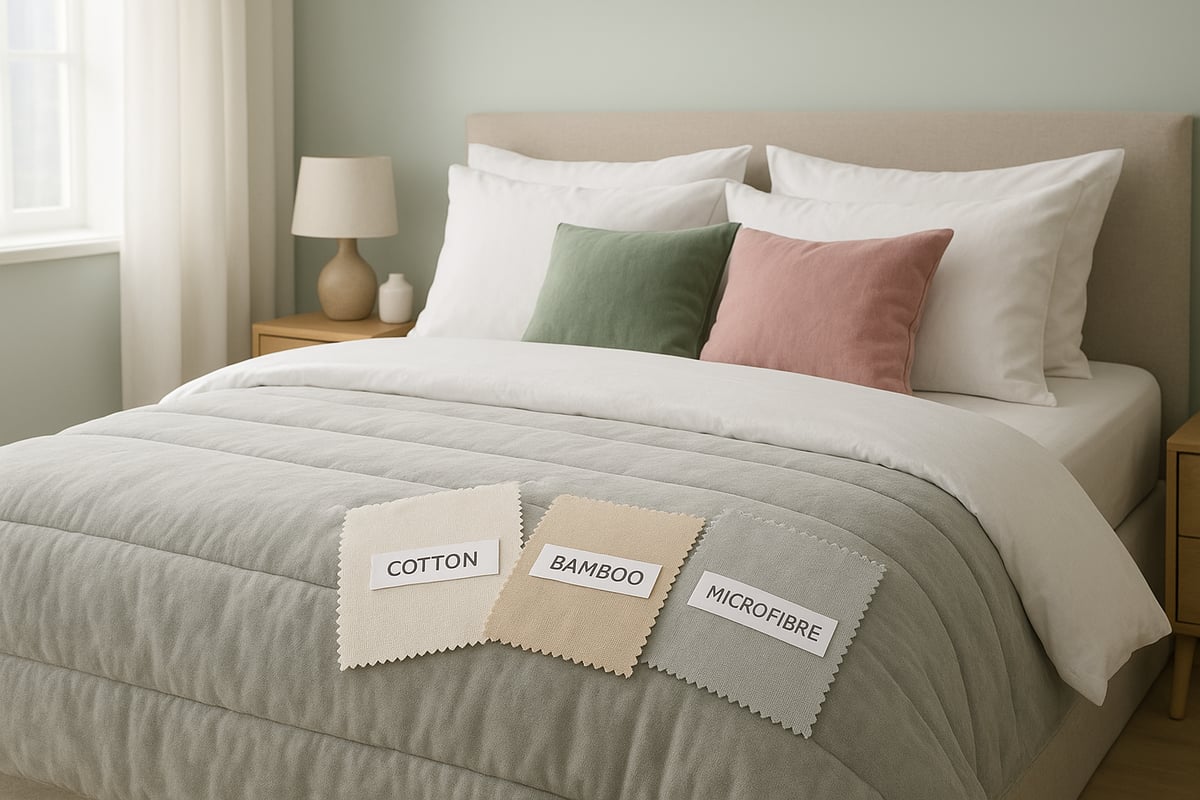
Popular materials in 2026: Cotton, microfibre, bamboo, and blends
The materials you choose for bed comforters and sheets can make a world of difference. Here’s a handy comparison:
| Material | Pros | Cons |
|---|---|---|
| Cotton | Breathable, soft, durable | Can wrinkle, may shrink |
| Microfibre | Hypoallergenic, easy care | Less breathable, static |
| Bamboo | Eco-friendly, silky, cool | Pricey, needs gentle wash |
| Blends | Affordable, versatile | Varies by blend quality |
Cotton remains the UK’s top choice for sheets, thanks to its softness and breathability. Market research shows that over 60% of UK households prefer cotton. If allergies are a concern, microfibre and bamboo are popular hypoallergenic options. In 2026, new sustainable fibres are making waves, offering eco-friendly choices without sacrificing comfort. For more insights into what’s trending, check out the latest home bedding market trends 2026.
Thread count, GSM, and what they really mean
When browsing bed comforters and sheets, you’ll notice numbers like “thread count” or “GSM” on labels. Here’s what they mean:
- Thread count: The number of threads per square inch in a sheet. While high numbers sound luxurious, anything between 300 and 500 is ideal for softness and durability.
- GSM (grams per square metre): Refers to the weight and thickness of comforters. A higher GSM means a warmer, plusher feel, but isn’t always better for every sleeper.
Forget the myth that higher thread count always means better quality. Sometimes, super high numbers can make sheets stiff and less breathable. For everyday use, stick to the sweet spot for lasting comfort.
Health and comfort benefits of quality bedding
High-quality bed comforters and sheets can transform your sleep. Studies show that the right bedding can improve your sleep duration by up to 30 percent. The best bedding helps regulate temperature, keeping you cool in summer and cosy in winter.
If you have allergies or sensitive skin, choosing hypoallergenic materials like bamboo or microfibre can make a big difference. Investing in good bedding isn’t just about luxury—it’s about waking up refreshed and ready for your day.
Choosing the perfect comforter and sheets for your needs
Finding the right bed comforters and sheets can feel like matchmaking for your sleep. With so many choices, it’s easy to get lost in the world of fabric, size, and style. Let’s break it down so you can create your dream bed, tailored to your needs, preferences, and budget.
Assessing your sleep style and comfort preferences
Choosing bed comforters and sheets starts with understanding how you sleep. Are you always chilly, or do you wake up in a sweat? Hot sleepers often prefer breathable fabrics like bamboo or lightweight microfibre, while cold sleepers might love a thicker, higher tog comforter and flannel sheets.
Got allergies or sensitive skin? Hypoallergenic options such as microfibre or organic cotton can make a world of difference. For asthma sufferers, microfibre is a top pick as it resists dust mites and is easy to wash.
- Hot sleepers: Lightweight or moisture-wicking fabrics
- Cold sleepers: Thicker comforters, higher tog ratings
- Sensitive skin: Natural, chemical-free fibres
Matching bed comforters and sheets to your sleep style means more restful nights and brighter mornings.
Sizing guide: Single, double, king, super king, and more
Sizing is crucial when selecting bed comforters and sheets. UK bedding sizes differ from US ones, and getting it wrong can mean awkward fits and constant sheet slippage. Here’s a quick guide:
| Size | Mattress (cm) | Recommended Comforter/Sheet (cm) |
|---|---|---|
| Single | 90 x 190 | 135 x 200 |
| Double | 135 x 190 | 200 x 200 |
| King | 150 x 200 | 225 x 220 |
| Super King | 180 x 200 | 260 x 220 |
If you have a deep mattress or topper, look for extra-deep fitted sheets. Always check labels to ensure your bed comforters and sheets will fit snugly and stylishly.
Seasonal bedding: Switching for summer and winter
The UK’s weather means your bed comforters and sheets need to work year-round. Seasonal bedding swaps are essential for comfort and savings. For summer, lightweight comforters and breathable cotton sheets help keep you cool. In winter, opt for a heavier duvet, perhaps a 13.5 tog quilt, and brushed cotton sheets for warmth.
- Summer: 2.5–4.5 tog, light and airy
- Winter: 10.5–13.5 tog, thick and insulating
- Spring/Autumn: 7–10.5 tog for just-right cosiness
Switching your bed comforters and sheets each season keeps your sleep fresh and comfortable.
Style and colour trends for 2026
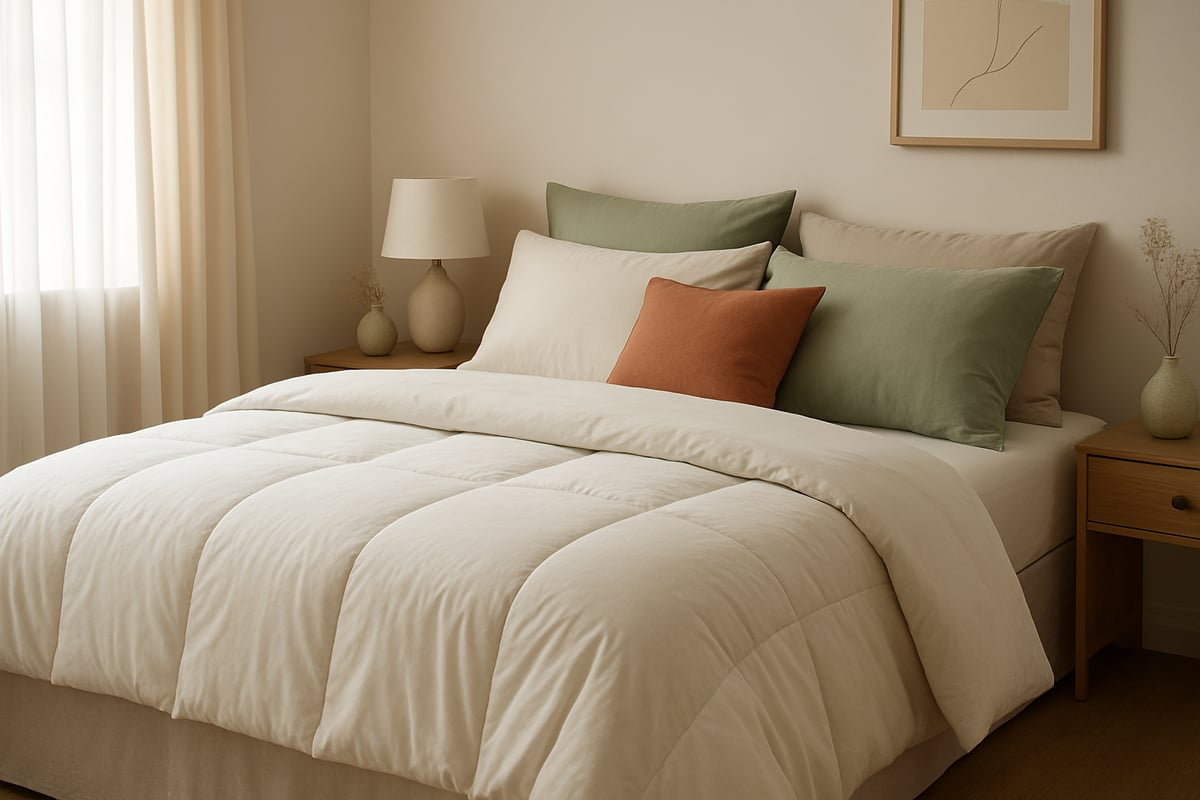
Bedding is no longer just about comfort, it’s a style statement. This year, earthy tones like sage, clay, and sand are taking over, paired with minimalist prints and subtle textures. Mixing and matching is in, so don’t be afraid to pair a bold comforter with neutral sheets.
Trendy textures, such as waffle weaves and linen blends, add depth to your bed. When choosing bed comforters and sheets, look for patterns and colours that reflect your personality and create a calming retreat.
- Trending colours: Sage green, terracotta, off-white
- Patterns: Minimalist, geometric, soft florals
- Textures: Waffle, linen, brushed cotton
A beautiful bed is just as important as a comfy one.
Sustainability and ethical considerations
More UK shoppers are seeking out sustainable bed comforters and sheets. Organic cotton, bamboo, and recycled microfibre are eco-friendly and gentle on your skin. Look for certifications like OEKO-TEX or GOTS, which ensure your bedding is free from harmful chemicals and produced responsibly.
- Eco-friendly materials: Bamboo, recycled microfibre, organic cotton
- Certifications: OEKO-TEX, GOTS, Fairtrade
- Benefits: Better for you, better for the planet
Choosing sustainable bed comforters and sheets means you can sleep easy knowing you’re making a positive impact.
Where to shop: High street, online, and specialist retailers
Finding the best bed comforters and sheets is easier than ever, with options on the high street, online, and from boutique specialists. High street shops let you feel fabrics in person, while online stores offer a huge selection and often better deals.
Want to save without sacrificing style? Explore bedding bundle deals and savings for curated sets that include everything you need, often at a fraction of the price.
- High street: Touch before you buy, instant gratification
- Online: Wider range, exclusive collections, home delivery
- Specialist: Unique patterns, luxury fibres, expert advice
No matter where you shop, focus on quality, comfort, and value for your bed comforters and sheets.
Step-by-step guide: How to layer and style your bed in 2026
Looking to elevate your bedtime routine and create a sleep sanctuary that’s both stylish and practical? This step-by-step guide will help you master the art of layering bed comforters and sheets, transforming your bedroom into a cosy retreat fit for 2026. Whether you’re working with a new bedding set from Happy Home Shop or refreshing your existing linens, these tips will ensure your bed looks and feels fabulous every night.
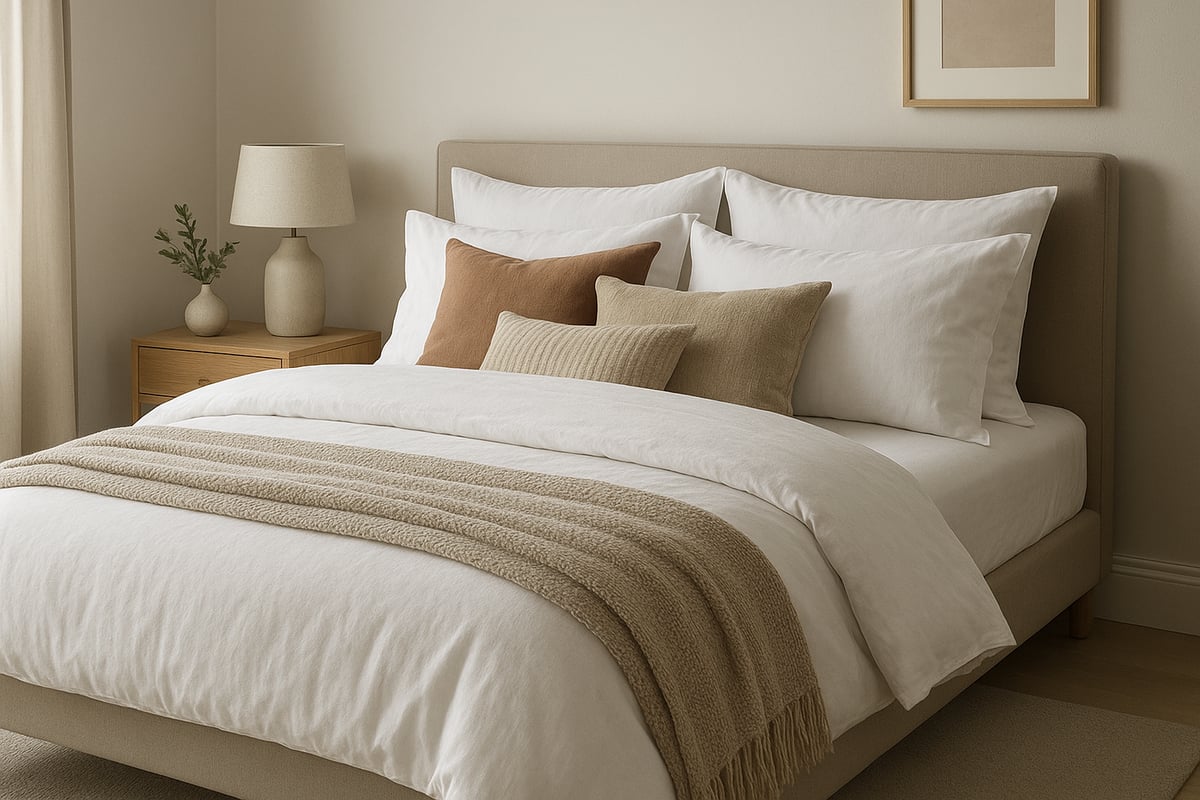
Step 1: Start with the right mattress protector and fitted sheet
Begin your bedding journey by protecting your mattress. A quality mattress protector not only keeps allergens and dust mites at bay but also extends the life of your bed comforters and sheets. For a snug base, always choose a fitted sheet that matches your mattress depth, especially if you use toppers.
For optimal hygiene and peace of mind, consider investing in mattress protectors for hygiene from Happy Home Shop. This simple step creates a clean foundation and helps your bed comforters and sheets stay fresher for longer.
Step 2: Add flat sheets and layering options
Next, lay down a flat sheet on top of your fitted sheet. Flat sheets add an extra barrier, keeping your bed comforters and sheets fresher between washes. They also offer lightweight coverage for warmer nights when you might skip the comforter.
Layering lightweight blankets or throws at the foot of the bed gives you flexibility. You can pull them up on chilly evenings or fold them neatly for a stylish look during the day.
Step 3: Select and position your comforter or duvet
Now it’s time for the star of the show—your comforter or duvet. Fluff it up to evenly distribute the filling, ensuring that your bed comforters and sheets look inviting and plush. Match the comforter size to your mattress for a balanced, hotel-quality appearance.
If you prefer a duvet, opt for a cover that coordinates with your overall colour scheme. This step is where luxury meets comfort, so take a moment to smooth out any creases and let your bedding shine.
Step 4: Pillows and pillowcases for support and style
Pillows aren’t just for comfort—they’re a big part of your bed’s visual appeal. Choose pillow firmness based on your sleep position, and don’t be afraid to mix and match textures or colours for added flair. Use at least two pillows per person for a layered look that complements your bed comforters and sheets.
Arrange your pillows with the largest at the back and decorative cushions in front. This creates depth and makes your bed the focal point of the room.
Step 5: Accessorise with cushions and throws
Add personality to your bed with decorative cushions and textured throws. These accessories are perfect for tying together the colours and patterns of your bed comforters and sheets. Choose cushions in different shapes—square, rectangular, or even round—for a playful, inviting look.
Throws not only add warmth but also introduce tactile interest. Drape them casually or fold them for a tidy, designer-inspired finish.
Step 6: Final touches for a hotel-quality finish
For that polished, hotel-like feel, pay attention to the little details. Tuck in corners neatly, smooth out sheets, and fold your comforter back for a layered effect. A light spritz of linen spray or a scented sachet tucked under your pillow can make your bed comforters and sheets smell as good as they look.
With these simple steps, you’ll create a bed that’s a joy to crawl into every night, blending comfort, style, and practicality for the ultimate 2026 bedroom experience.
Caring for your comforters and sheets: Maintenance, washing, and longevity
Keeping your bed comforters and sheets in top shape is the secret sauce to dreamy sleep and a fresh, inviting bedroom. Regular care not only extends their lifespan but also boosts your sleep quality and keeps your bedding looking fabulous. Let’s break down exactly how to give your bedding the TLC it deserves.
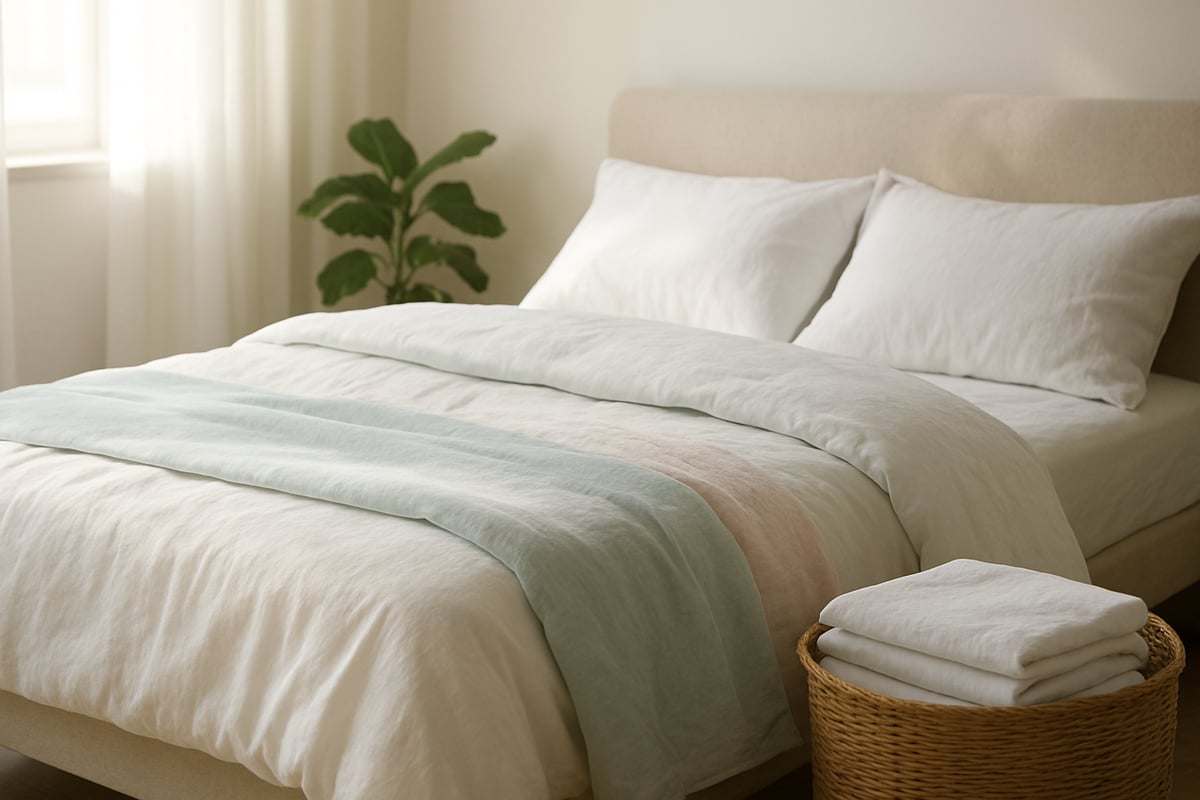
Washing frequency and best practices
When it comes to bed comforters and sheets, cleanliness is key for comfort and health. Sheets should be washed every one to two weeks, while comforters can often go a bit longer, every two to four weeks, unless there are spills or allergies in the household.
Here’s a quick reference:
| Bedding Type | Recommended Washing Interval |
|---|---|
| Sheets | Every 1–2 weeks |
| Comforters | Every 2–4 weeks |
| Pillowcases | Weekly |
Use a gentle detergent and wash at 40°C for most materials, unless the care label says otherwise. For more on hygiene and expert advice, see this microbiologist's advice on bedding hygiene. Regular washing helps eliminate dust mites, sweat, and allergens, ensuring your bed comforters and sheets stay fresh and hygienic.
Drying and ironing tips for various fabrics
How you dry and iron your bed comforters and sheets can make a world of difference. For cotton and bamboo, line drying outdoors gives that crisp, fresh scent, while tumble drying on low is best for microfibre or delicate blends.
- Shake out bedding before drying to reduce wrinkles.
- Avoid high heat, which can weaken fibres and cause shrinkage.
- Iron only if needed, and stick to a low setting for delicate fabrics.
Luxury bedding may need extra care, so check out these luxury bedding care and maintenance tips for detailed guidance. Following the right methods will help your bed comforters and sheets stay looking and feeling their best.
Stain removal and spot cleaning
Spills happen, but with the right approach, your bed comforters and sheets won’t suffer. For most stains, act fast—blot, don’t rub, with a clean cloth. Use a mild stain remover or a mix of water and gentle soap for makeup or food stains.
- For sweat stains, try a bit of baking soda and water paste.
- Avoid bleach unless it’s specifically safe for your fabric.
- Always test stain removers on a hidden area first.
Regular spot cleaning keeps bedding brighter and extends the time between full washes, maintaining the quality of your bed comforters and sheets.
Storing bedding for freshness and longevity
Proper storage can add years to your bed comforters and sheets. Always store bedding clean and completely dry to prevent musty odours or mildew. Fold neatly and place in a breathable cotton bag or a storage box.
- Rotate seasonal sets to keep all bedding in use.
- Add lavender sachets for a fresh scent.
- Use under-bed storage or high shelves for extra sets.
If you’ve invested in Happy Home Shop bedding collections, these tips will help you keep them looking and feeling new, ready for every season.
Signs it’s time to replace your bedding
Even with the best care, bed comforters and sheets have a lifespan. Watch for signs like thinning fabric, persistent stains, loss of loft in comforters, or pilling that won’t go away.
- Sheets typically last 2–3 years, comforters 3–5 years.
- Replace pillows every 1–2 years for hygiene.
- If your bedding no longer feels comfortable or looks tired, it’s time for a refresh.
Keeping an eye on these signs ensures your bed comforters and sheets always support healthy, restful sleep.
Frequently asked questions about bed comforters and sheets in 2026
Choosing the right bed comforters and sheets can feel like navigating a maze, even in 2026. To make things simpler, we have rounded up the questions we hear most often, complete with practical answers for a dreamy night's sleep.
What’s the difference between a duvet and a comforter?
A duvet is typically a soft, flat bag filled with down, feathers, or a synthetic option, designed to be used with a removable cover. A comforter, on the other hand, is quilted and usually has a decorative outer layer, used without a separate cover. In the UK, “duvet” is the common term, while “comforter” is more popular in the US. Both add insulation, but duvets allow for easier style changes and washing.
How do I choose the right tog rating for my duvet?
Tog ratings measure warmth. For summer, look for a lightweight duvet around 4.5 tog. In winter, a higher tog, like a 13.5 tog winter quilt, will keep you toasty. Your choice depends on whether you are a warm or cool sleeper. Many find it handy to swap duvets seasonally or layer up with extra throws from Happy Home Shop.
Are bamboo sheets really better for allergies?
Bamboo sheets are naturally hypoallergenic, breathable, and gentle on sensitive skin. They resist dust mites and bacteria, making them a great pick for allergy sufferers. Many people find bamboo blends in bed comforters and sheets feel silky and cool, especially during warmer months.
How often should I replace my sheets and comforter?
Experts suggest replacing sheets every 2–3 years and comforters every 5 years, depending on wear. If you notice thinning, faded colours, or a loss of fluff, it is time to treat yourself to new bed comforters and sheets. Regular washing and gentle care can extend their lifespan.
Can I mix and match bedding materials?
Absolutely! Mixing cotton sheets with a microfibre or bamboo comforter can give you the best of both worlds. Just be sure the layers complement each other for comfort and style. Many Happy Home Shop collections are designed for easy mixing, so you can create a look that reflects your personality.
What’s the best way to keep bedding soft and fresh?
Wash your bed comforters and sheets regularly, following care labels. Opt for mild detergent and avoid overloading your washing machine. Did you know study links dirty bedding to poor sleep? Fresh bedding is a must for restful nights. Air drying and storing sheets in a cool, dry space also helps maintain softness.
Are luxury sheets worth the investment?
Luxury sheets often use premium materials and expert craftsmanship, providing a softer feel and greater durability. If you love the sensation of sliding into silky, cool bed comforters and sheets, they can be a smart investment. However, quality options are available at every price point, especially if you shop smart and check out Happy Home Shop’s range for affordable luxury.
Ready to take your bedding game to the next level? Now that you know how much the right comforter and sheets can boost your sleep quality, why not see what’s out there for your own happy home? Whether you fancy soft cotton, cool bamboo, or a bold new print to freshen up your bedroom, you’ll find plenty of gorgeous options at prices that won’t make your wallet cry. Plus, you can shop from your sofa (pyjamas encouraged). Treat yourself to better nights and brighter mornings—let’s make your dream bedroom a reality!
Explore Happy Home Shop