Creating a bedroom that feels like a proper sanctuary doesn't require a fortune, just a bit of know-how about the essentials. Your bed and sheets are the foundation of good sleep and a space you'll actually want to retreat to after a long day. Whether you're starting from scratch or giving your bedroom a fresh update, understanding what makes quality bedding tick can transform your nightly routine without breaking the bank. Let's dive into everything you need to know about choosing, caring for, and styling your bed and sheets.
Understanding different sheet materials
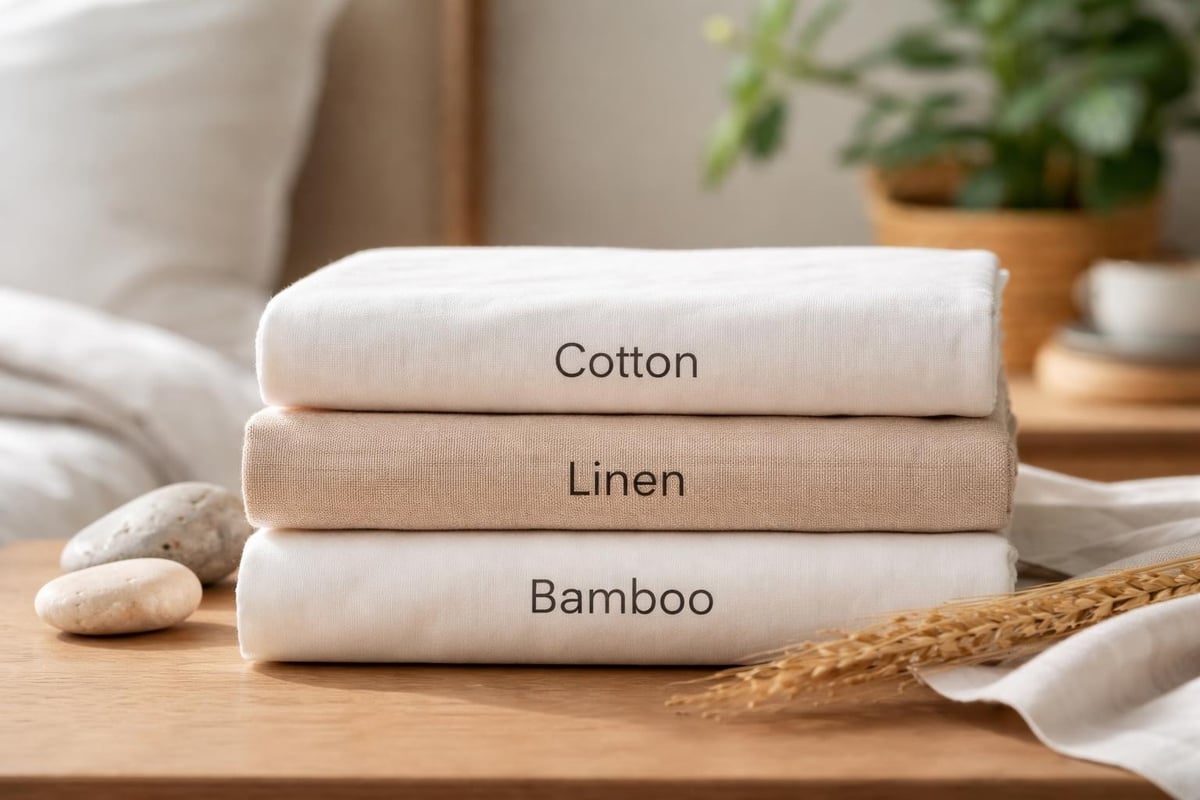
The fabric you choose for your bed and sheets makes an enormous difference to your comfort, especially as seasons change throughout the year. Natural fibres tend to outperform synthetic alternatives when it comes to breathability and durability.
Cotton remains the undisputed champion for most sleepers, and for good reason. It's naturally soft, gets better with each wash, and works brilliantly year-round. Egyptian and Pima cotton varieties offer extra-long fibres that create exceptionally smooth, durable sheets. When you're browsing for the best material for bed sheets, cotton consistently tops the list.
Popular fabric options for every budget
Different materials suit different needs and preferences:
- Cotton percale: Crisp, cool, and breathable with a matte finish
- Cotton sateen: Silky smooth with a subtle sheen, slightly warmer
- Linen: Naturally temperature-regulating, perfect for hot sleepers
- Bamboo: Sustainably sourced, incredibly soft, and moisture-wicking
- Microfibre: Budget-friendly and wrinkle-resistant
The bedding fabrics guide from major retailers can help you understand how each material performs in real-world conditions. At Happy Home Shop, you'll find a brilliant range of cotton options that balance quality with affordability.
Decoding thread count and quality indicators
Thread count has become something of a marketing buzzword, but it's not the whole story when shopping for bed and sheets. This number simply refers to how many threads are woven into one square inch of fabric.
Here's what actually matters: Thread counts between 200 and 400 typically offer the best balance of quality and comfort for most cotton sheets. Anything above 400 doesn't necessarily mean better quality, as manufacturers sometimes use multi-ply threads to artificially inflate the count.
| Thread Count Range | What It Means | Best For |
|---|---|---|
| 200-400 | Breathable, durable, great everyday comfort | Year-round use, hot sleepers |
| 400-600 | Softer hand feel, slightly denser weave | Those who prefer silkier sheets |
| 600+ | Often marketing hype, may trap heat | Limited practical benefit |
The truth about thread count reveals that weave type and fibre quality matter just as much. A 300-thread-count sheet made from long-staple cotton will outperform a 1000-thread-count sheet made from short fibres every single time.
What to look for instead
Focus on these quality indicators when shopping:
- Fibre length: Long-staple cotton creates smoother, more durable fabric
- Weave type: Percale for crisp coolness, sateen for silky warmth
- Ply: Single-ply threads are superior to multi-ply
- Fabric weight: Measured in GSM (grams per square metre)
Caring for your bed and sheets properly
Even the loveliest bed and sheets won't last if you don't care for them properly. The good news? Maintaining your bedding is surprisingly straightforward once you know the basics.
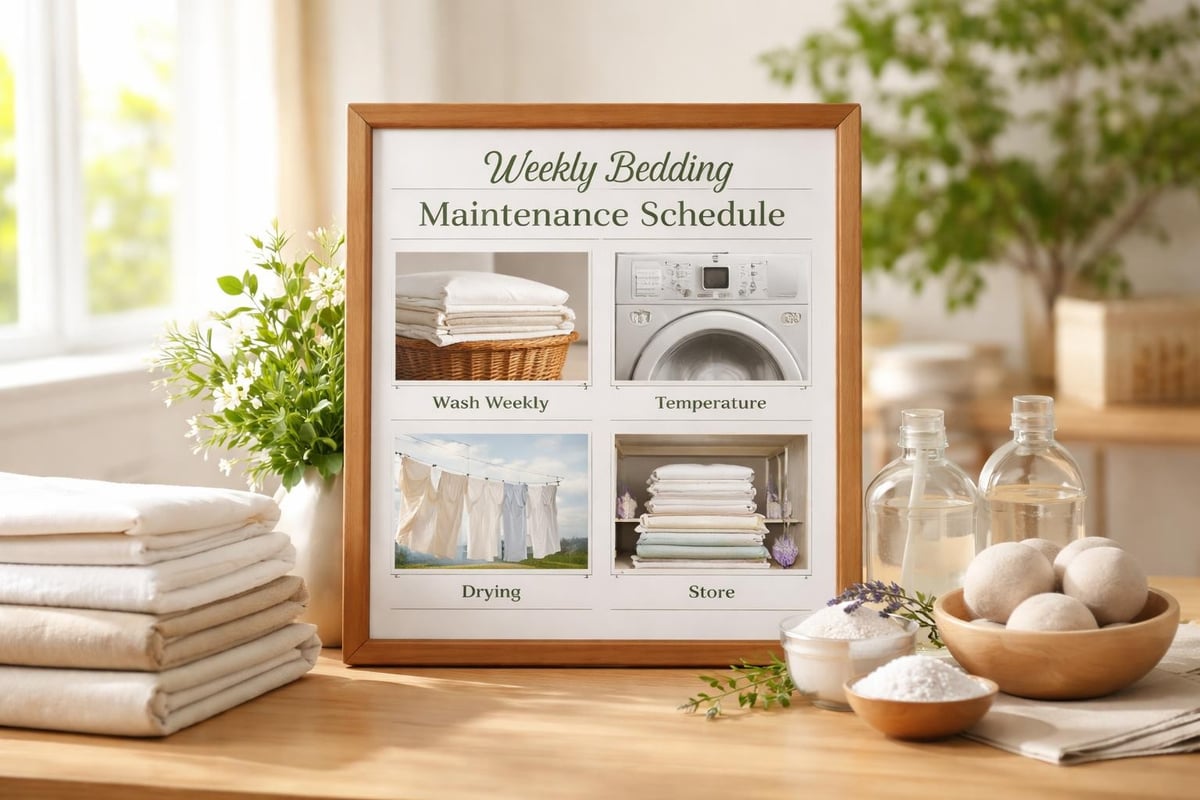
Washing frequency matters more than most people realise. Experts recommend washing bed sheets every one to two weeks to remove dead skin cells, body oils, and dust mites. If you have allergies or pets that sleep on the bed, weekly washing is ideal.
The perfect washing routine
Our detailed guide on bedding care covers everything, but here are the essentials:
- Wash in warm water (not hot) to preserve fabric integrity
- Use mild detergent without bleach or fabric softener
- Avoid overloading the washing machine
- Dry on medium heat or line dry for ultimate longevity
- Remove from dryer promptly to minimise wrinkles
The proper washing techniques recommended by sleep experts can double or even triple the lifespan of your sheets. If you're wondering about keeping white bedding bright, there are specific tricks that work brilliantly without harsh chemicals.
Sizing your bed and sheets correctly
Nothing's more frustrating than sheets that don't fit properly. They pop off corners, bunch up underneath you, and generally make bedtime annoying rather than relaxing.
Standard UK bed sizes differ from international measurements, so always check dimensions:
| Bed Size | Mattress Dimensions | Fitted Sheet Size |
|---|---|---|
| Single | 90 x 190 cm | 90 x 190 cm |
| Double | 135 x 190 cm | 135 x 190 cm |
| King | 150 x 200 cm | 150 x 200 cm |
| Super King | 180 x 200 cm | 180 x 200 cm |
Getting the perfect fit
Mattress depth has increased dramatically in recent years with the popularity of pillow-top and memory foam designs. Standard fitted sheets accommodate mattresses up to about 30cm deep, but if yours is thicker, look for deep-pocket or extra-deep options.
For duvet covers, our guide on duvet cover sizing explains how to avoid that annoying bunching issue. Your duvet should match your bed size, and the cover should be the same size or slightly larger than the duvet itself.
Seasonal considerations for bed and sheets
Your perfect summer bed and sheets might feel completely wrong come December. Adapting your bedding to the seasons doesn't mean buying entirely new sets, just being strategic about materials and layering.
Summer sleeping calls for lightweight, breathable fabrics. Cotton percale and linen are absolute stars when temperatures rise. They wick moisture away from your body and allow air to circulate freely. Lighter colours also help, as they reflect rather than absorb heat.
Building a year-round bedding wardrobe
Here's how to create a versatile collection without overspending:
- Two sets of everyday sheets: One in use, one in the wash
- One lightweight summer option: Percale or linen for hot nights
- One warmer winter choice: Sateen or brushed cotton for cosiness
- Quality duvet with seasonal inserts: Adapt warmth without changing covers
Winter demands cosier fabrics like cotton sateen or even flannel for extra warmth. The slight sheen of sateen comes from the weave structure, which creates a denser fabric that holds heat more effectively than percale.
The material recommendations from home experts emphasise choosing fabrics that work with your body temperature and local climate. If you're exploring options, our collection of duvet covers includes seasonal designs that make switching between looks effortless.
Styling your bed and sheets beautifully
Creating that hotel-luxe look with your bed and sheets doesn't require professional training or expensive accessories. A few simple techniques can transform even basic bedding into something special.
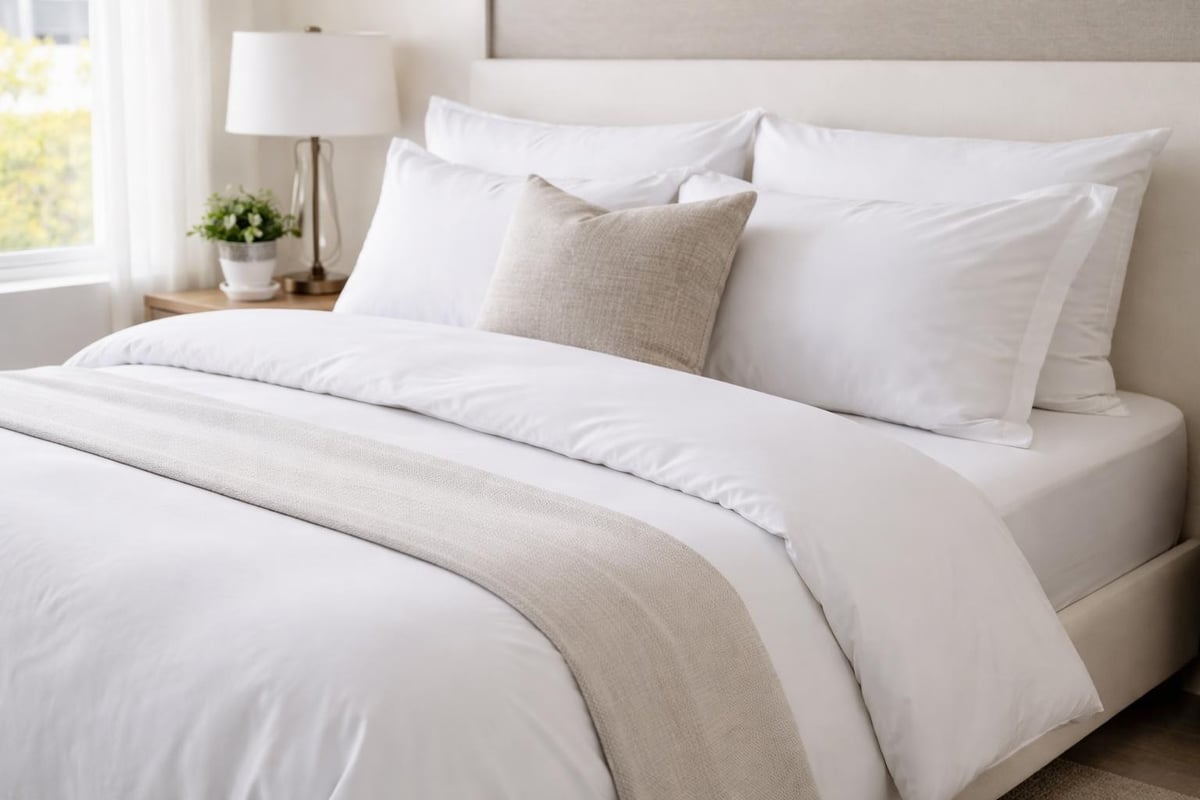
Layering is your secret weapon. Start with your fitted sheet, add a flat sheet (often skipped but brilliant for versatility), then your duvet or comforter. Fold the flat sheet over the duvet at the top for that classic turned-down look.
The five-minute hotel bed method
- Pull your fitted sheet taut and smooth
- Add your flat sheet, right side down, even with mattress top
- Layer duvet or comforter centred on the bed
- Fold flat sheet over duvet edge (about 15-20cm)
- Fluff pillows and arrange decoratively
Cushions add personality without permanent commitment. Our guide to arranging cushions applies to beds too. Start with sleeping pillows, add European squares (65 x 65 cm) behind them, then one or two decorative cushions in complementary colours.
Budget-friendly upgrades that make a difference
You don't need to replace everything at once to improve your bed and sheets situation. Small, strategic upgrades can create noticeable improvements in comfort and aesthetics.
Start with what touches your skin most. If you can only upgrade one thing, make it your fitted sheet. You spend hours in direct contact with this piece, so quality here pays dividends in comfort. A brilliant fitted sheet can make even an average duvet feel more luxurious.
Smart shopping strategies
Shopping the bundle and save options often provides better value than buying pieces separately. You'll get coordinated looks while spending less per item.
Consider these priorities when upgrading gradually:
- Quality fitted sheet in your preferred material
- Matching pillowcases (we spend one-third of our lives on these!)
- Duvet cover in a versatile neutral or favourite colour
- Flat sheet for layering and versatility
- Decorative elements like throws and cushions
The delivery information at Happy Home Shop makes trying new bedding risk-free, with straightforward returns if something doesn't work out.
Understanding what makes sheets feel luxurious
Luxury in bed and sheets isn't about price tags, it's about understanding which characteristics create that indulgent feel. Several factors work together to create truly special bedding.
Fabric hand refers to how sheets feel when you touch them. Cotton sateen has a silky, smooth hand, while percale feels crisp and cool. Linen starts slightly textured but softens beautifully over time, developing a lived-in luxury that many people adore.
The testing process
Professional testers evaluate bed and sheets using rigorous criteria. How experts test bed sheets includes assessing breathability, durability through multiple washes, colour fastness, and how fabrics perform across different seasons.
| Quality Factor | What It Affects | How to Assess |
|---|---|---|
| Breathability | Temperature regulation, moisture control | Check fibre content, weave type |
| Softness | Initial comfort, sleep quality | Feel fabric, read material specs |
| Durability | Longevity, value for money | Look for reinforced hems, quality stitching |
| Colour retention | Appearance over time | Check washing instructions, read reviews |
For those concerned about allergic reactions to bed sheets, natural fibres like organic cotton or bamboo typically cause fewer issues than synthetic materials.
Making your bedroom a cosy sanctuary
Your bed and sheets set the foundation, but creating a truly inviting bedroom involves thinking about the complete sensory experience. Small touches make bedtime something to look forward to rather than just a necessity.
Temperature control starts with smart bedding choices but extends to your whole room environment. Keep your bedroom slightly cool (around 16-18°C is ideal for most people) and let your bed and sheets provide the warmth. This helps your body temperature drop naturally for better sleep.
Creating a cosy bedroom sanctuary involves more than just bedding, though that's certainly central. Consider lighting, scent, and clutter control as supporting players that make your beautiful bed and sheets shine even more.
Simple additions that enhance comfort
- A quality mattress protector beneath your fitted sheet
- Bed socks in winter for naturally cold feet
- A glass of water on your bedside table
- Blackout curtains or blinds for better sleep
- A lightweight throw at the foot of the bed for flexibility
Our inspiration blog regularly features fresh ideas for creating beautiful, functional bedrooms that don't require designer budgets.
The environmental side of bed and sheets
Increasingly, people want to know their bed and sheets aren't harming the planet. The good news is that making eco-conscious choices doesn't mean sacrificing quality or spending significantly more.
Natural fibres win the sustainability competition hands down. Organic cotton, linen, and bamboo all biodegrade naturally and require fewer chemical treatments than conventional cotton or synthetic fabrics. Linen particularly shines here, as flax plants need minimal water and pesticides to thrive.
Making greener choices
Look for these certifications and practices:
- OEKO-TEX Standard 100 (tests for harmful substances)
- Organic cotton certification
- Sustainably sourced bamboo
- Low-impact dyes
- Minimal packaging
Caring properly for your bed and sheets extends their life dramatically, which is perhaps the most eco-friendly choice of all. Our guide on storing bedding for maximum longevity helps you get years more use from quality pieces.
Common mistakes to avoid
Even experienced homemakers sometimes get tripped up by bed and sheets blunders. Avoiding these common pitfalls will save you money and frustration.
Washing sheets with fabric softener seems helpful but actually coats fibres with a waxy buildup that reduces absorbency and breathability. Instead, add half a cup of white vinegar to the rinse cycle for naturally soft, fresh-smelling sheets.
Top bedding mistakes and fixes
-
Over-drying sheets: Removes moisture completely, making fibres brittle
- Fix: Remove while slightly damp, finish air drying
-
Using too much detergent: Leaves residue that attracts dirt
- Fix: Use half the recommended amount
-
Ignoring care labels: Leads to shrinkage and damage
- Fix: Check how often to change bed sheets and follow washing guidelines
-
Storing sheets damp: Creates musty smells and mildew
- Fix: Ensure completely dry before folding away
-
Mixing colours carelessly: Causes dye transfer and fading
- Fix: Wash darks separately, especially when new
Creating a bedroom that feels special every single night starts with choosing the right bed and sheets for your needs, then caring for them properly so they last. From understanding fabric types and thread counts to mastering the perfect washing routine, these small details add up to significantly better sleep and a space you genuinely love. At Happy Home Shop, we believe everyone deserves beautiful, comfortable bedding without the luxury price tag. Explore our collections to find affordable, quality options that'll transform your bedroom into the sanctuary it should be.